In the realm of modern architecture and industrial design, float glass panels serve as the fundamental building block for a vast array of transparent and translucent solutions. By utilizing a specialized manufacturing process where molten glass floats on a bed of molten tin, these panels achieve an unparalleled level of flatness and optical clarity, making them indispensable for everything from skyscrapers to high-end interior furniture.
Understanding the technical nuances of these panels is not merely a matter of material selection but a strategic decision affecting energy efficiency, safety, and aesthetic longevity. As global construction standards shift toward sustainable "green" buildings, the role of high-quality float glass has evolved, integrating advanced coatings and tempering processes to meet rigorous international thermal and security requirements.
For architects, contractors, and product designers, the ability to source consistent, defect-free float glass panels is critical to project success. This guide explores the technical specifications, global applications, and future innovations of this versatile material, providing a comprehensive resource for those seeking to maximize the performance of their glass installations.
The Technical Foundation of Float Glass Panels
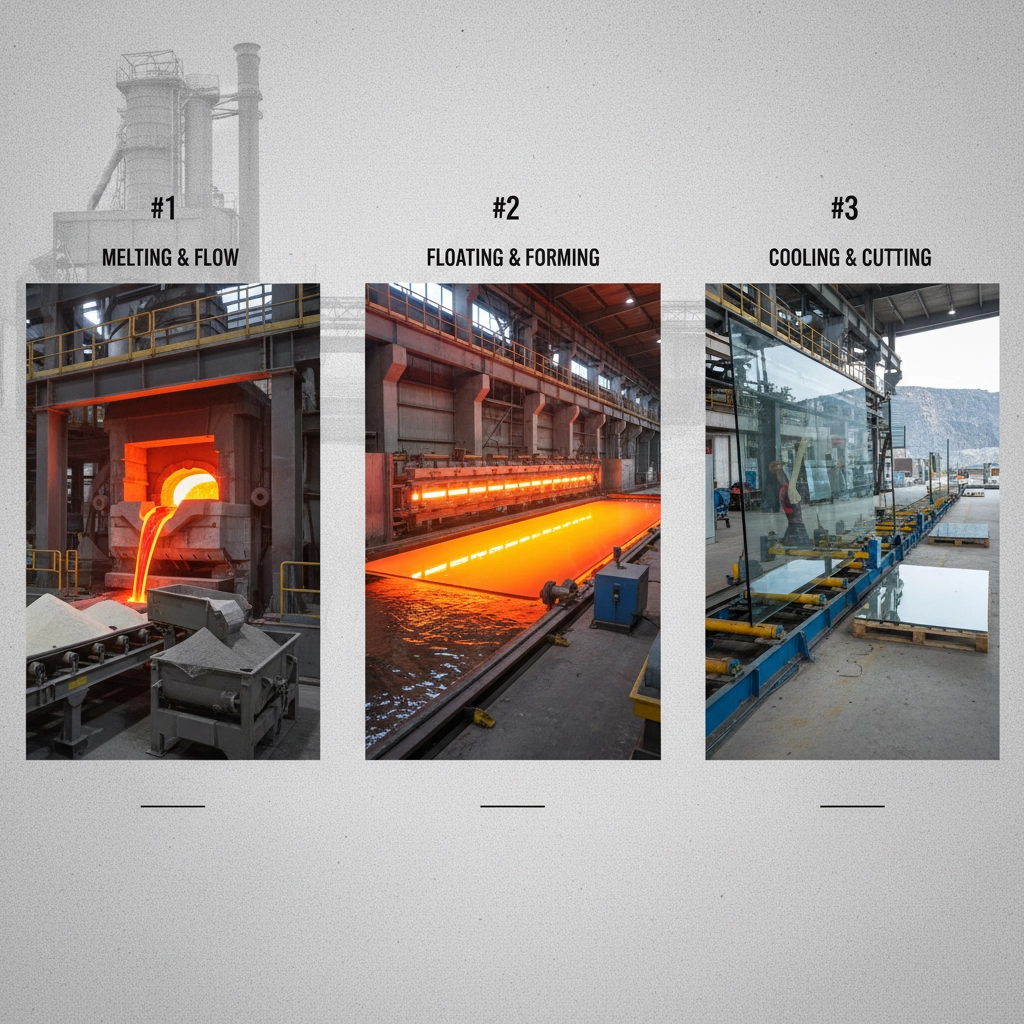
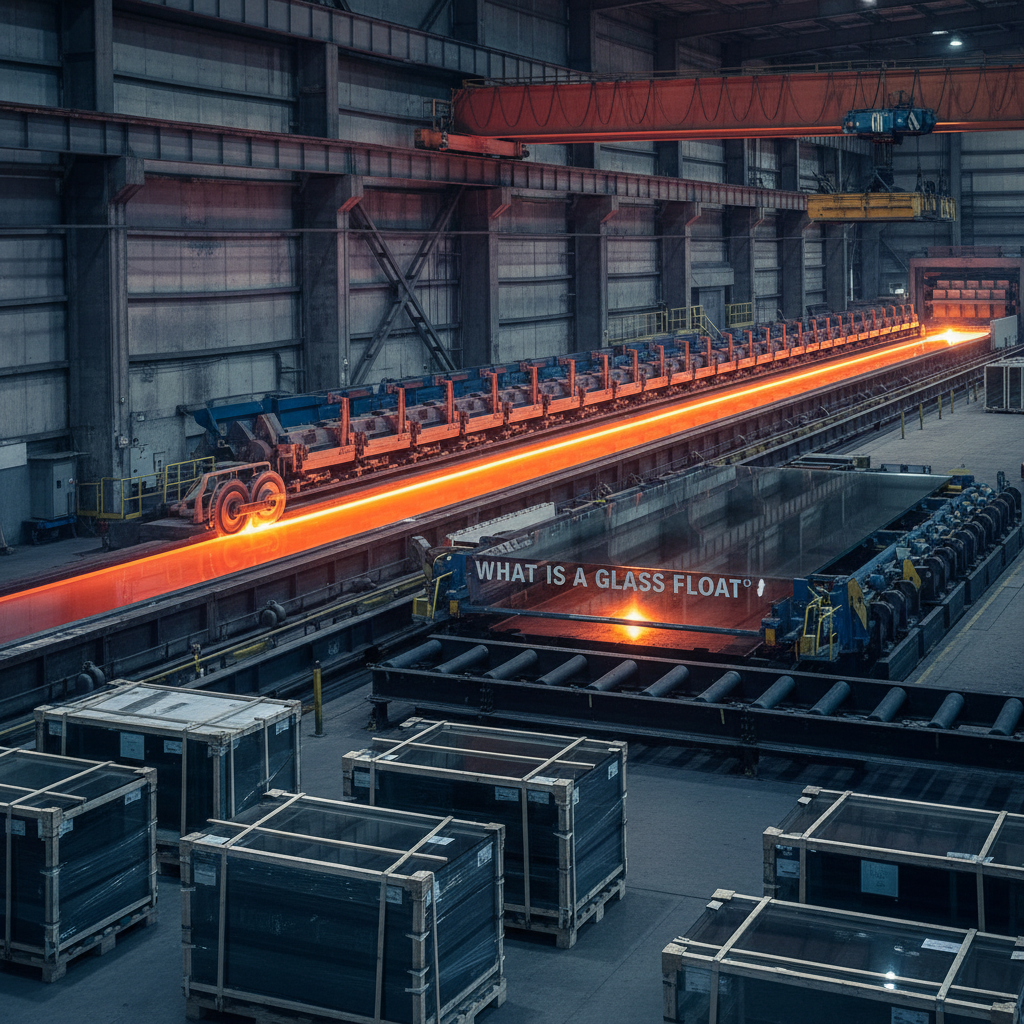
The production of float glass panels is a marvel of chemical engineering. By allowing molten glass to float on a bath of molten tin, the material naturally settles into a perfectly flat surface due to gravity and surface tension. This eliminates the need for the costly and time-consuming grinding and polishing processes required by older methods, resulting in a product with exceptional optical homogeneity.
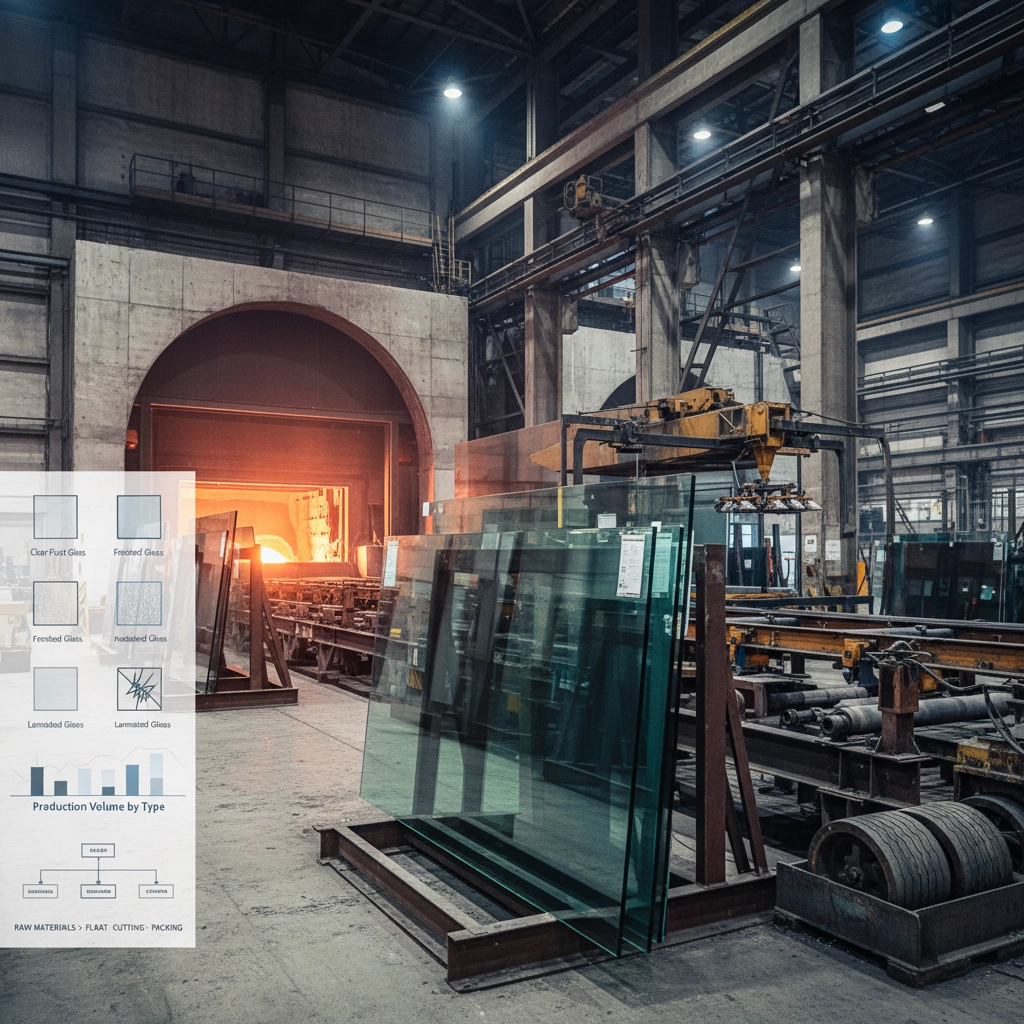
Once the glass has cooled and solidified, it is cut into precise dimensions. These panels serve as the "parent" material for almost every other type of glass product; whether it is being transformed into tempered glass for safety, laminated glass for acoustics, or coated glass for solar control, it all begins with the purity and flatness of the initial float process.
Global Industry Standards and Market Relevance
On a global scale, float glass panels are governed by strict international standards, such as ISO 12543 and ASTM C1036, which ensure that the material meets specific requirements for light transmission, thickness tolerance, and chemical composition. In an era of rapid urbanization, particularly in Asia and the Middle East, the demand for high-performance glazing has surged, pushing manufacturers to optimize the purity of the silica sand and the efficiency of the annealing lehrs.
The economic impact of this industry is significant, as it directly supports the construction, automotive, and renewable energy sectors. The transition toward "Smart Cities" has placed a premium on glass that can manage heat gain and loss, transforming simple float panels into complex energy-saving membranes that reduce a building's overall carbon footprint.
However, the industry faces the ongoing challenge of balancing high production volumes with environmental sustainability. The shift toward using recycled cullet (crushed glass) in the melting process is a key trend, reducing the energy required for fusion and lowering the emission of CO2, thereby aligning the production of float glass panels with global ESG (Environmental, Social, and Governance) goals.
Core Performance Factors of High-Quality Glass
Optical clarity is perhaps the most critical attribute of premium float glass panels. High-quality panels minimize distortion and color tinting, ensuring that the view through the glass is true to life. This is particularly vital for ultra-clear float glass, where iron content is drastically reduced to eliminate the greenish hue typical of standard glass.
Dimensional stability and flatness are the hallmarks of the float process. Because the glass is formed on a liquid metal surface, the thickness remains incredibly consistent across the entire panel. This precision allows for tighter tolerances in framing and glazing, which prevents air leaks and enhances the structural integrity of the final installation.
Surface durability and chemical resistance also play a pivotal role. The fire-polished surface of float glass is naturally smooth and hard, making it resistant to environmental pollutants and easy to clean. This inherent quality ensures that the panels maintain their brilliance over decades of exposure to harsh weather conditions, providing long-term value to the property owner.
Practical Applications Across Diverse Sectors
The versatility of float glass panels allows them to be integrated into a staggering variety of environments. In commercial architecture, they are the primary component of curtain walls and storefronts, providing the transparency necessary for modern retail and office spaces. In residential settings, they are utilized for sliding doors, partitions, and high-end mirrors, where a flaw-free reflection is paramount.
Beyond construction, these panels are critical in the industrial sector. They are used in the fabrication of laboratory equipment, specialized shelving, and automotive windshields (after undergoing lamination). In remote industrial zones, high-strength float glass is often the only viable material for protective screens that must withstand pressure while maintaining clear visibility.
Comparative Performance of Float Glass Variants
Long-term Value and Sustainability Benefits
Investing in high-grade float glass panels offers a significant return on investment through reduced maintenance and enhanced energy efficiency. When float glass is used as the base for Low-E (low-emissivity) coatings, it drastically reduces the amount of infrared and ultraviolet light that passes through, keeping interiors cooler in summer and warmer in winter, which leads to a measurable drop in HVAC energy costs.
From a sustainability perspective, glass is one of the most recyclable materials on earth. The ability to recover and reuse float glass panels at the end of a building's lifecycle contributes to a circular economy. Furthermore, the natural abundance of the raw materials—sand, soda ash, and limestone—ensures that float glass remains a more ecologically viable option than many synthetic polymer alternatives.
Overcoming Common Installation Challenges
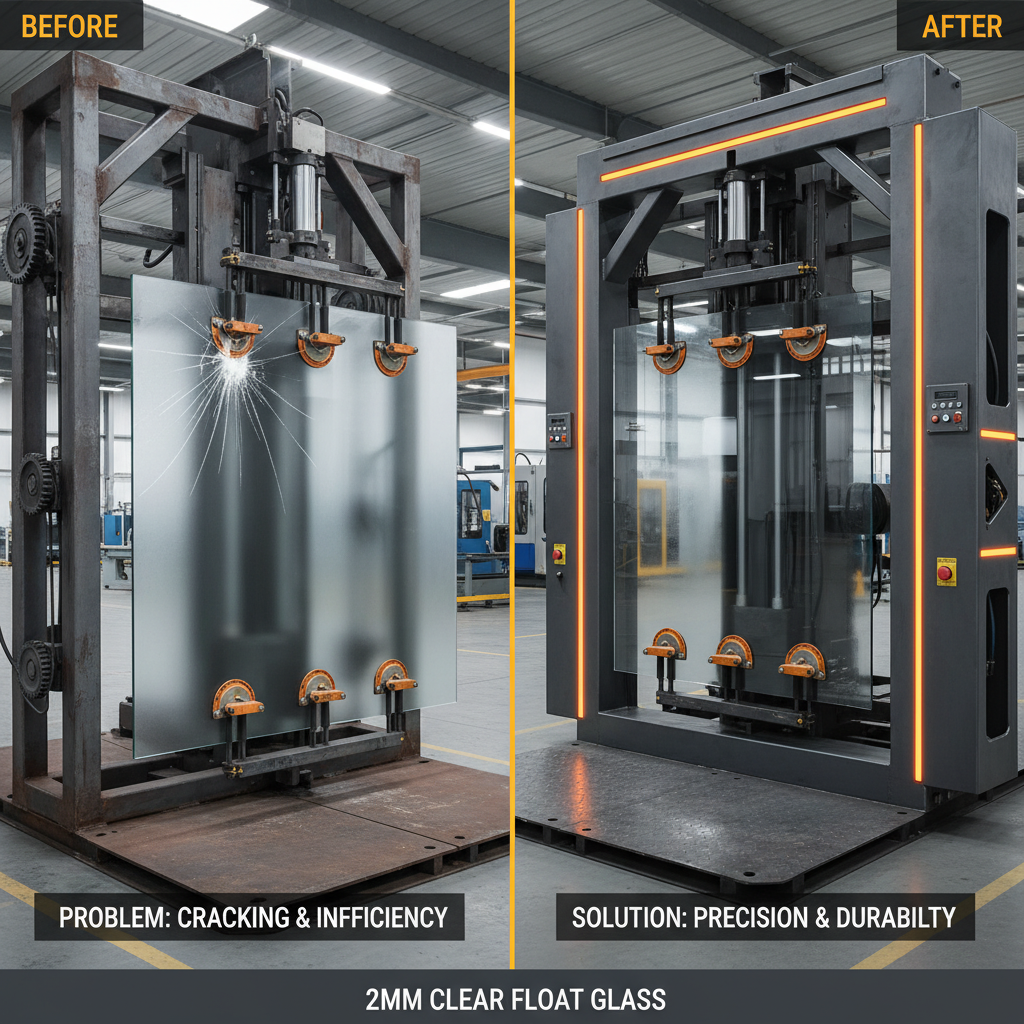
Despite their strength, float glass panels are susceptible to thermal stress and mechanical impact if not handled correctly. One common challenge is "thermal shock," where rapid temperature changes cause the glass to crack. This is typically solved by opting for tempered float glass, which is heated and rapidly cooled to increase its strength and ensure that if it does break, it shatters into small, blunt pieces rather than dangerous shards.
Another frequent issue is the improper sealing of panels, which can lead to condensation or "fogging" in insulated glass units (IGUs). Experts recommend the use of high-performance primary and secondary sealants, combined with precision-cut float glass edges, to create an airtight vacuum that preserves the thermal barrier.
Logistical challenges, such as breakage during transit, are mitigated through the use of specialized A-frame racks and protective cushioning. By implementing rigorous quality control checkpoints from the factory to the job site, installers can ensure that the pristine surface of the float glass remains intact until the final placement.
Future Trends in Glass Manufacturing Technology
The future of float glass panels is leaning heavily toward "intelligence." We are seeing the emergence of electrochromic glass—panels that can change their opacity or color with the flick of a switch—allowing users to control privacy and light levels dynamically. This digital transformation is turning static glass into an active component of building automation systems.
Additionally, the integration of organic photovoltaics (OPV) into float glass is paving the way for "energy-generating windows." Instead of merely blocking heat, the glass panels of the future will capture solar energy to power the building's lighting and electronics, effectively turning the entire facade of a skyscraper into a vertical power plant.
Automation in the manufacturing process is also refining the precision of the float method. AI-driven sensors now monitor the thickness of the ribbon in real-time, adjusting the tin bath temperature and pull speed with micro-precision. This ensures that every single panel produced meets the highest possible global standards for flatness and clarity.
Analysis of Float Glass Panel Applications and Performance
| Application Area |
Glass Variant Used |
Critical Metric |
Durability Score (1-10) |
| Commercial Facades |
Coated Float Glass |
U-Value / Solar Gain |
9 |
| Interior Partitions |
Tempered Float Glass |
Impact Resistance |
8 |
| Luxury Mirrors |
Ultra Clear Float |
Reflection Accuracy |
7 |
| Furniture/Tabletops |
Frosted Float Glass |
Scratch Resistance |
8 |
| Sound-Proofing |
Laminated Float |
STC (Sound Transmission) |
9 |
| Decorative Walls |
Patterned Float Glass |
Light Diffusion |
7 |
FAQS
The primary difference lies in the manufacturing process. While older methods like rolled glass or plate glass required mechanical polishing to achieve flatness, float glass panels are formed by floating molten glass on liquid tin. This creates a naturally smooth, distortion-free surface with exceptional optical clarity and uniform thickness across the entire sheet, making it the gold standard for modern construction.
Yes, absolutely. While standard float glass is a base material, it can be further processed into Low-E glass by applying microscopic metallic coatings. These coatings reflect infrared heat back into the room during winter and block external heat during summer, significantly reducing energy consumption. You can also choose tinted or reflective versions to manage solar heat gain.
In their raw "annealed" state, float glass panels break into sharp shards and are not recommended for high-traffic areas. However, when they undergo tempering (thermal strengthening) or lamination (bonding layers with a plastic interlayer), they become extremely safe. Tempered glass breaks into small, blunt granules, while laminated glass holds fragments together even after impact, ensuring public safety.
Preventing condensation requires a combination of high-quality float glass panels, a powerful desiccant (usually located within the spacer bar), and a hermetic seal. Ensuring that the glass surfaces are chemically clean before assembly and using professional-grade polyisobutylene (PIB) primary sealants will keep the air gap dry and maintain the unit's insulating properties for years.
Ultra-clear float glass is generally more expensive because the manufacturing process requires higher-purity raw materials with significantly lower iron content. However, the cost is often justified in high-end applications—such as museum displays, jewelry showcases, or luxury architectural features—where the greenish tint of standard glass would distort the colors of the objects behind it.
The best way is to request certification documents from the manufacturer. Look for compliance with ISO (International Organization for Standardization) or ASTM (American Society for Testing and Materials) standards. A reputable supplier should provide a technical data sheet detailing the light transmission percentage, thickness tolerances, and certifications for any safety tempering performed.
Conclusion
In summary, float glass panels represent the perfect intersection of industrial efficiency and architectural elegance. From their origin in the molten tin bath to their application in the world's most iconic skyscrapers, these panels provide the essential transparency and stability required for modern living. By understanding the critical factors of optical clarity, thermal performance, and safety processing, developers and designers can leverage this material to create spaces that are not only beautiful but also energy-efficient and secure.
Looking forward, the evolution of float glass toward "smart" and energy-harvesting surfaces promises to redefine our relationship with the built environment. As sustainability becomes the primary driver of industrial innovation, the transition toward circular production and carbon-neutral glass manufacturing will be paramount. We encourage architects and procurement specialists to prioritize high-specification panels that offer long-term durability and environmental benefits. For premium glass solutions tailored to your project, visit our website: www.mirrorglassfactory.com