

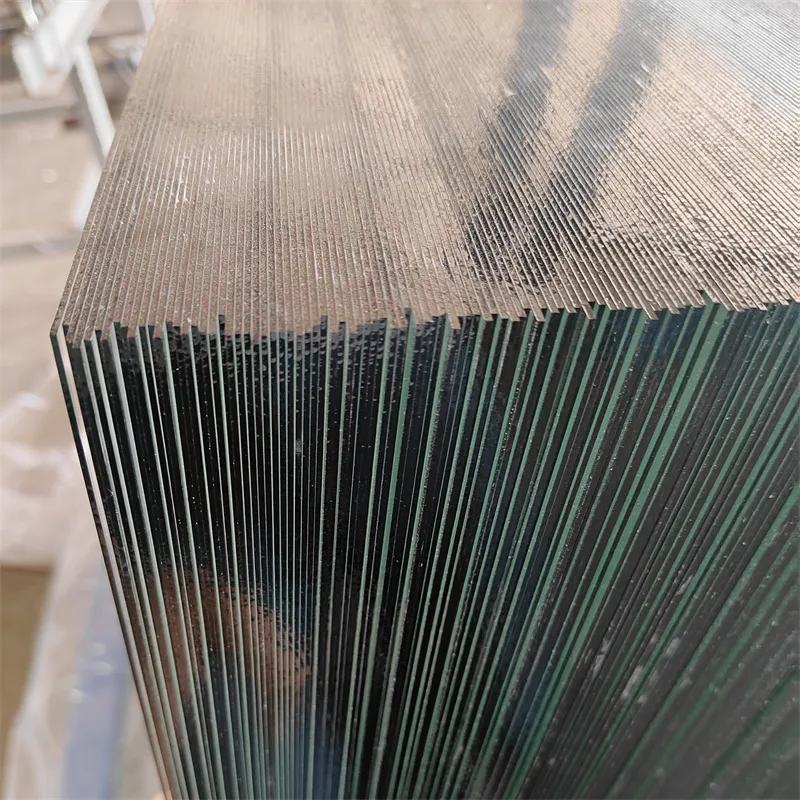
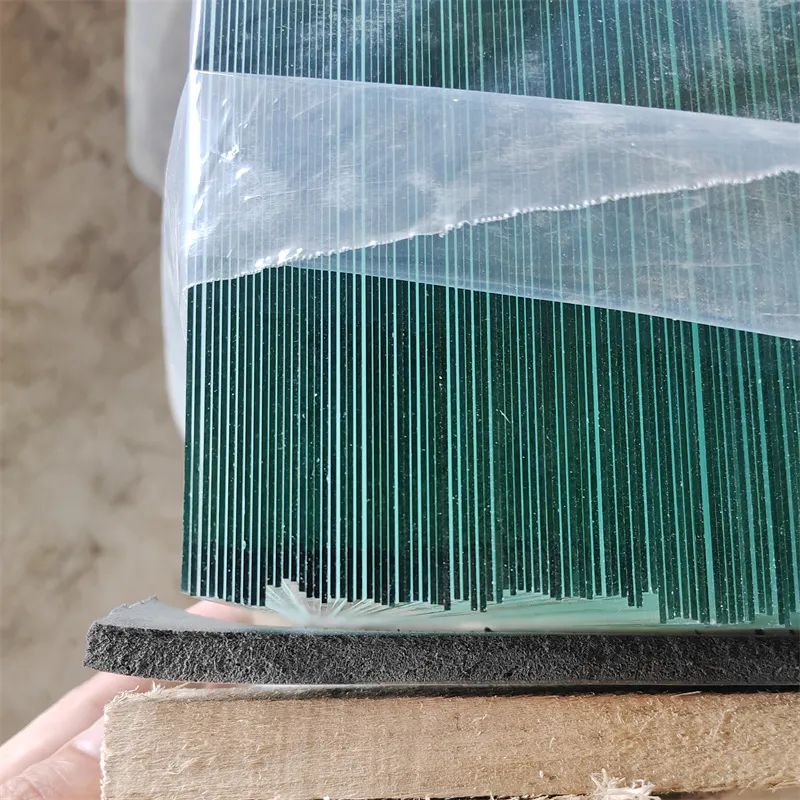
Ultra-Thin Glass
We have been focusing on technology upgrades and product development for many years, and have accumulated rich experience in the production of ultra-thin glass, especially in manufacturing glass with thicknesses of 1.1mm-2mm. Relying on a professional team and source factories, we have further expanded our product advantages.
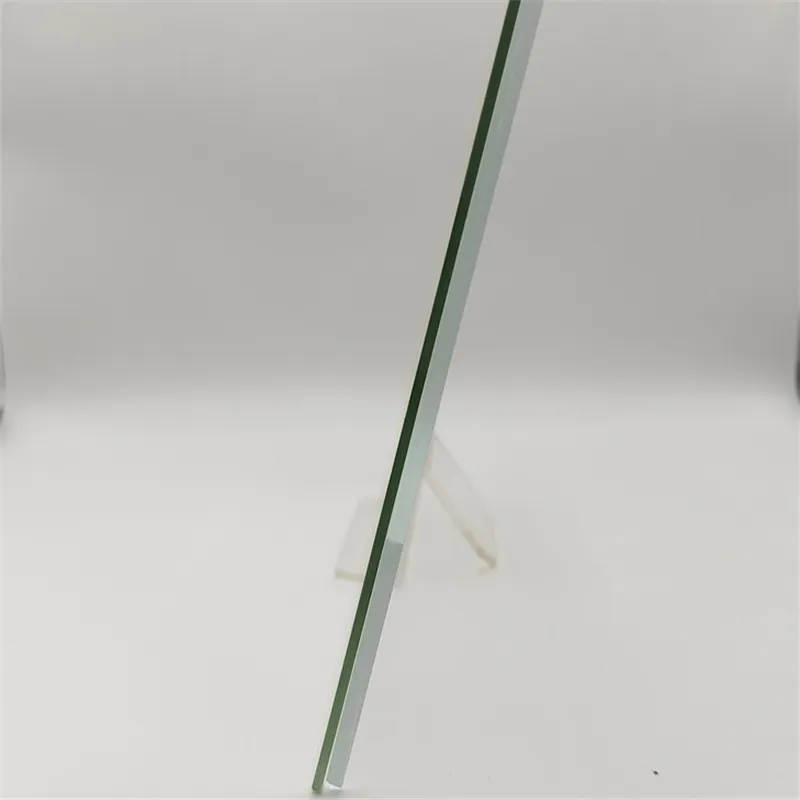
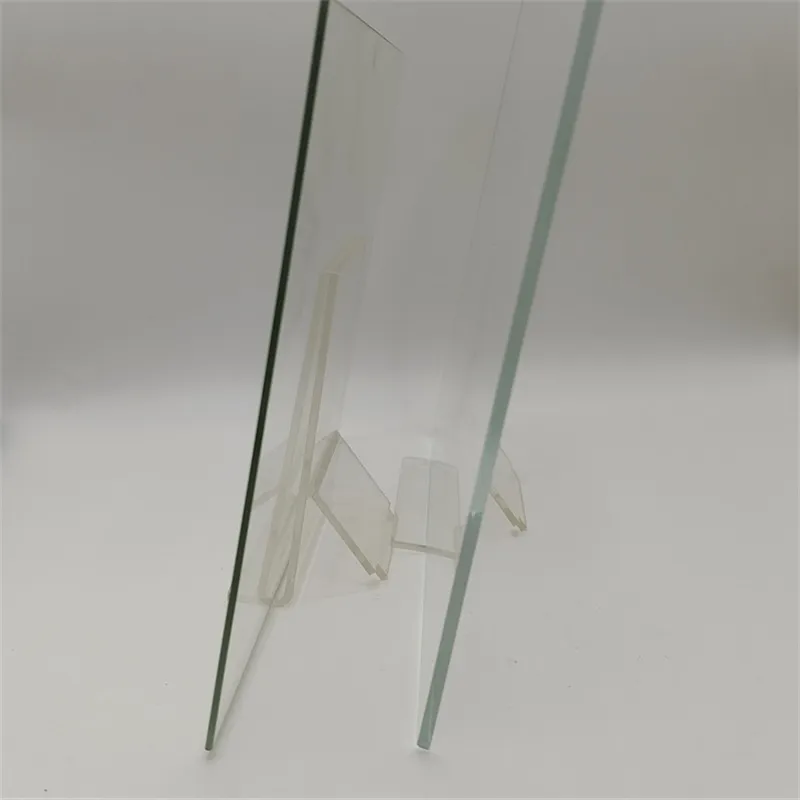
Compared to ordinary glass, ultra-thin glass has better transparency and light transmittance, which result in a great optical clarity.
Ultra-thin glass manufactured by the float process has superb flatness and smooth surface. ShottGlass strictly controls the quality of each batch of products to ensure that the flatness of each piece of glass meets the standards of industry specifications.
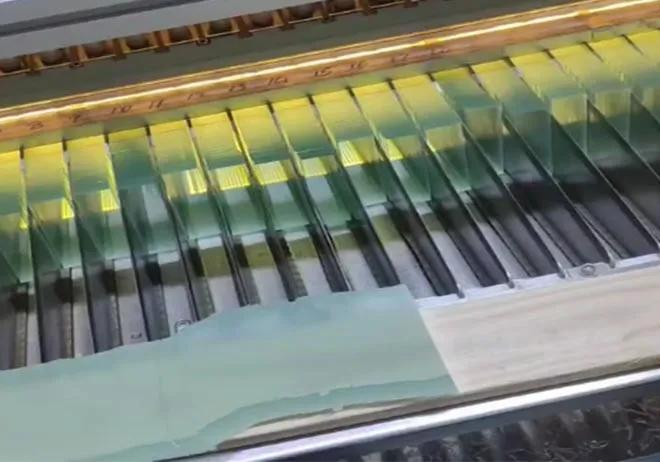
In order to meet the different needs of customers, we provide customized processing services for ultra-thin glass, including specification customization, cutting, edging, strengthening, coating, etc.
Despite its relatively thin thickness, ultra-thin glass also has excellent corrosion resistance and can remain in a stable state even when loaded with some chemical materials.
ShottGlass mainly manufactures high-quality ultra-thin glass with a thickness of 1.1mm-2mm. The specific applications are as follows:
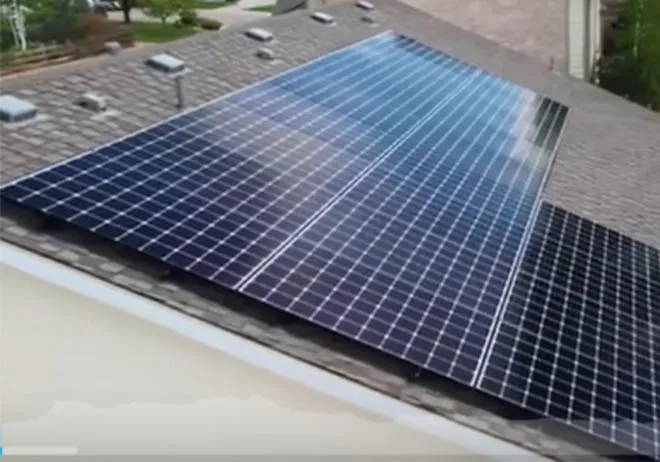
Outstanding light transmittance can significantly improve the energy conversion efficiency of solar panels, which makes ultra-thin glass very suitable for used as the covering layer for solar cells, helping increase light absorption while protecting internal components.

Ultra-thin glass is an ideal material for screen covers, especially when it is made into anti-reflective or anti-glare glass. The coating or matte surface can significantly reduce glare from sunlight.
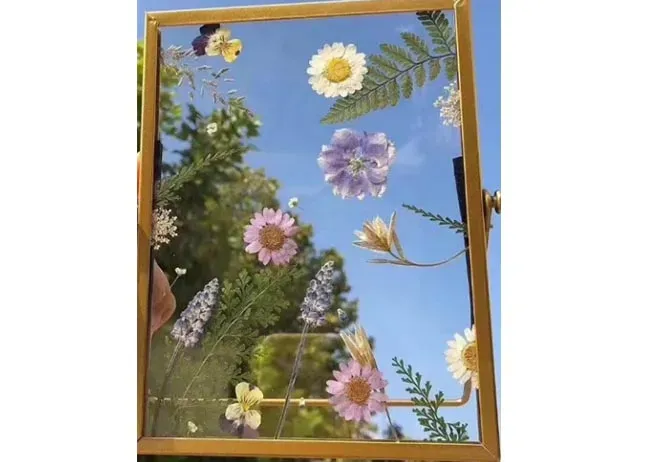
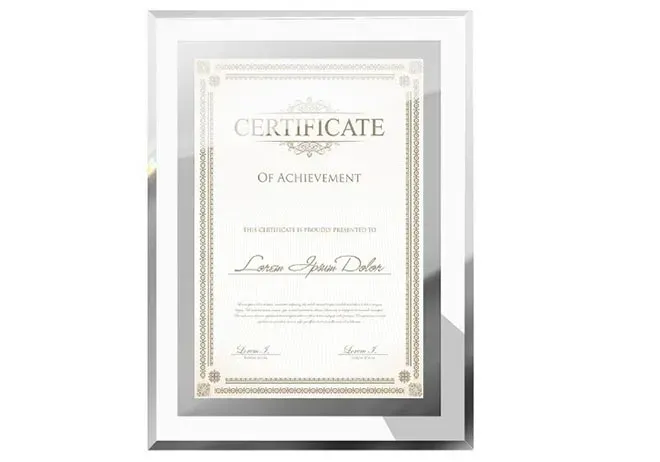
Our ultra-thin glass is widely used in picture frames, providing extra protection for your precious pictures and photos. If you're looking for better visual quality, anti-reflective glass can significantly reduce glare and present a clearer image.
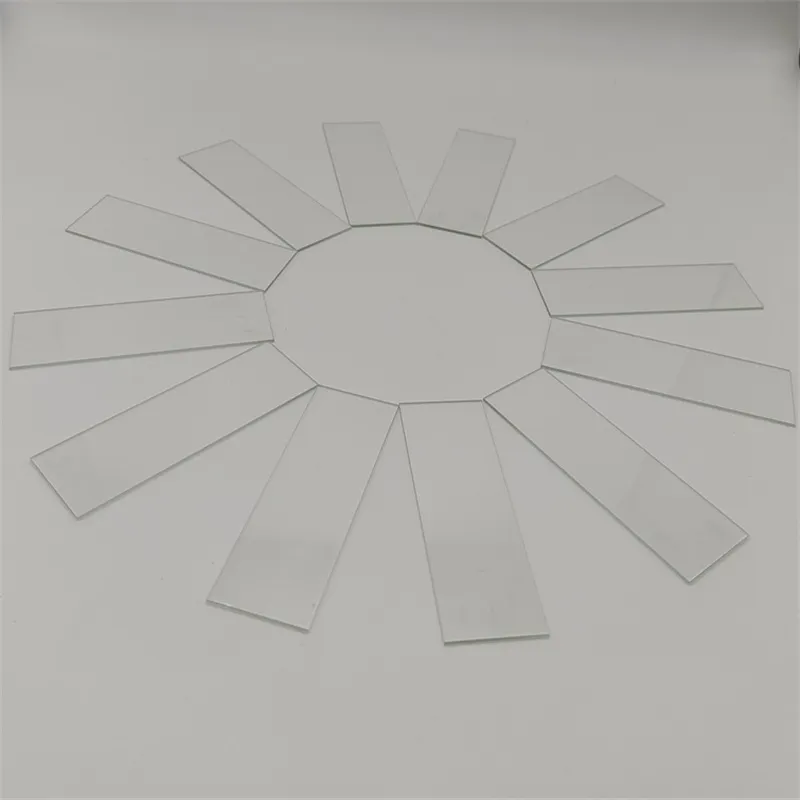
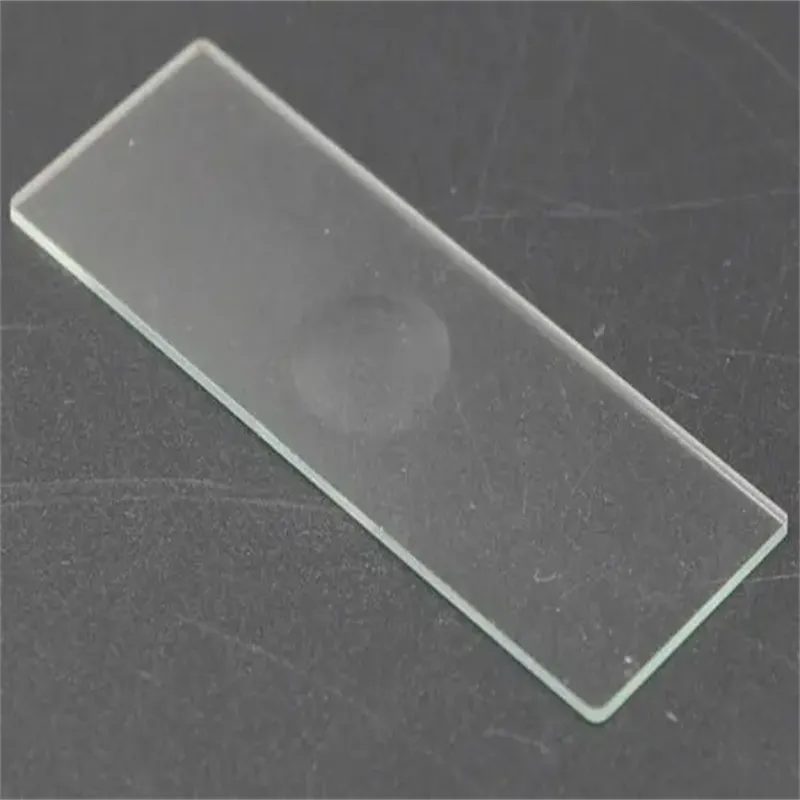
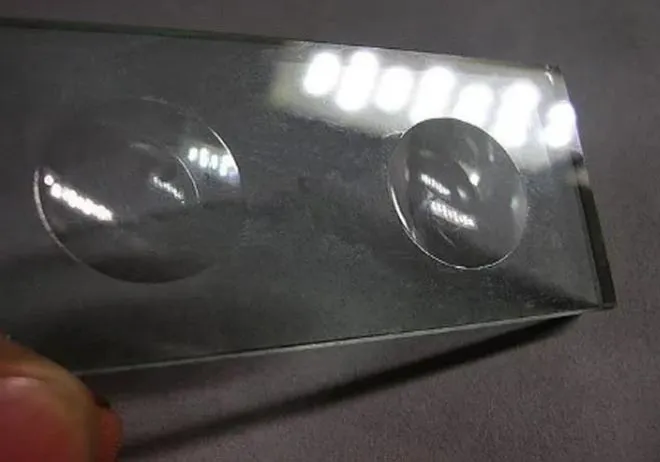
This is also a major application that uses a ton of our ultra-thin glass. The slides and coverslips made from our ultra-thin glass might even be present in your local laboratory.
Q: Is ultra-thin glass easy to break?
A:Generally speaking, thin glass is more fragile than thick glass, has weaker impact resistance, and is easier to break.
Q: How to make ultra-thin glass stronger?
A: We have two ways to make our ultra-thin glass (1.1mm-2mm thickness) stronger:heat strengthening and chemical strengthening.
Q: What are the pros and cons of the two methods for strengthening ultra-thin glass (1.1mm-2mm)?
A: The heat strengthening process takes less time and is more cost-effective, but it can cause glass deformation and distortion during the cooling process. The chemical strengthening process results in a smooth surface with no distortion, but it takes more time and is more expensive than the heat strengthening process.
Q: Is ultra-thin glass more expensive than thick glass?
A: Since the cost is lower, the price of ultra-thin glass is usually lower than that of thick glass.
Q: What are the processing crafts for ultra-thin glass?
A: We offer ultra-thin glass cutting, edging, drilling, strengthening, surface coating, and more.
ShottGlass has been offering high-quality ultra-thin glass for many years. Our production capacity for 1.1mm-2mm glass is at the leading level in the industry. Additionally, we have comprehensive deep-processing capabilities, enabling ultra-thin glass to meet various application requirements. If you have any questions about ultra-thin glass, please contact us today. We are ready to provide you with the most professional solutions.
glass sheet transparent
plate glass manufacturers
ultra clear glass sheet
-
 16Apr
16AprPremium High Quality Float Glass for Sale and Glass Solutions
When sourcing materials for modern architecture or interior design, finding reliable float glass for sale is essential for achieving both aesthetic brilliance and structural integrity. Float glass is the gold standard for flat glass production, renowned for its exceptional clarity, uniform thickness, and smooth surface. Whether you are a contractor, a furniture manufacturer, or a homeowner, understanding the nuances of this material ensures you get the best value for your investment. In this guide, we will explore everything from technical specifications to the best ways to source high-grade glass for your next project.
learn more -
 09Apr
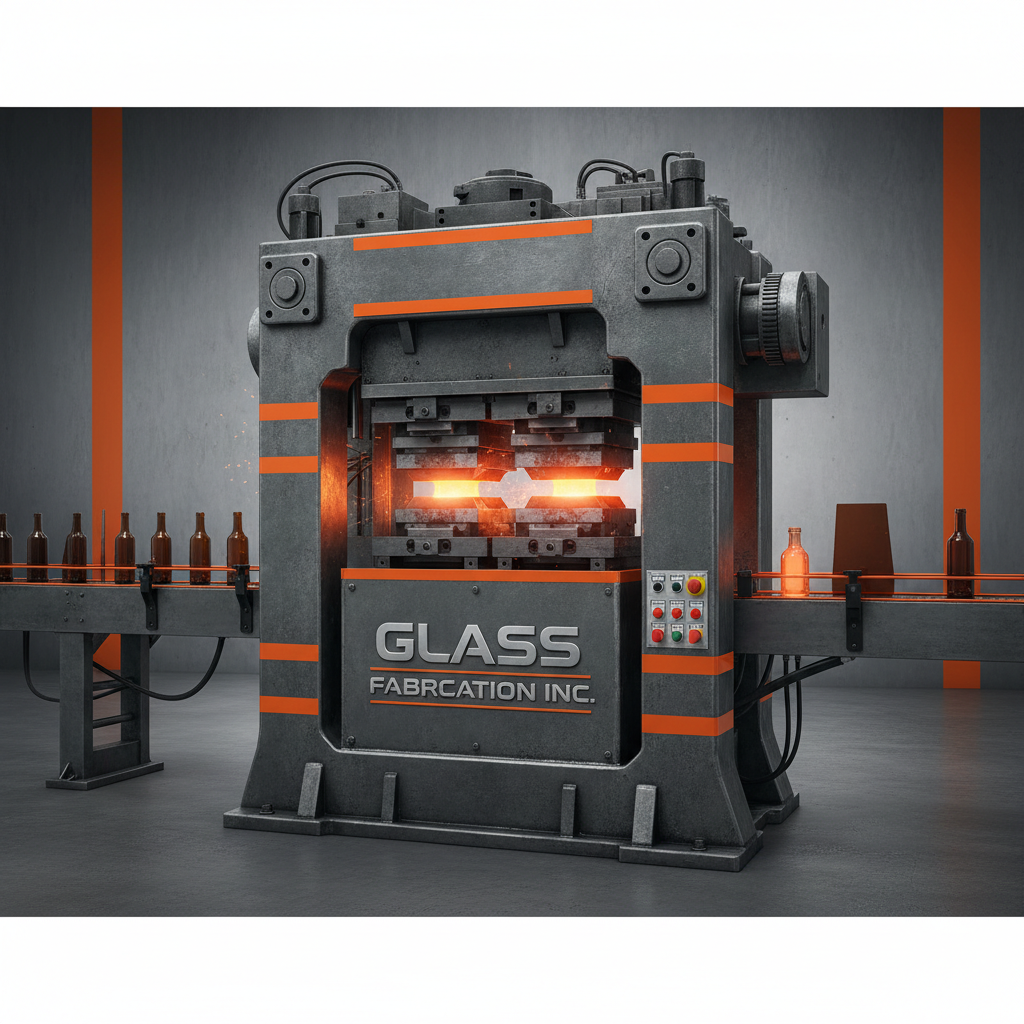
09AprGuide to Choosing a Professional glass fabrication inc for Projects
Finding a reliable glass fabrication inc is essential for any project that requires precision, safety, and aesthetic excellence. Whether you are an architect designing a modern skyscraper, a contractor renovating a luxury home, or a business owner upgrading commercial storefronts, the quality of glass fabrication determines the longevity and safety of the structure. Modern glass processing has evolved beyond simple cutting, now incorporating advanced tempering, frosting, and insulating technologies. In this guide, we will explore the critical factors in glass fabrication and how to partner with a manufacturer that ensures industrial-grade quality and flawless execution.
learn more -
 07Apr
07AprComprehensive Guide to Custom Glass Fabrication and its Diverse Applications
When it comes to specialized projects, custom glass fabrication is often the only solution. Whether it's for architectural designs, unique furniture pieces, or specialized industrial applications, tailored glasswork offers precision and aesthetic appeal. This article delves into the world of custom glass fabrication, exploring its processes, applications, and the benefits of choosing a dedicated provider like Mirror Glass Factory.
learn more


