


Reflective Glass
What Are the Characteristics of Reflective Glass?
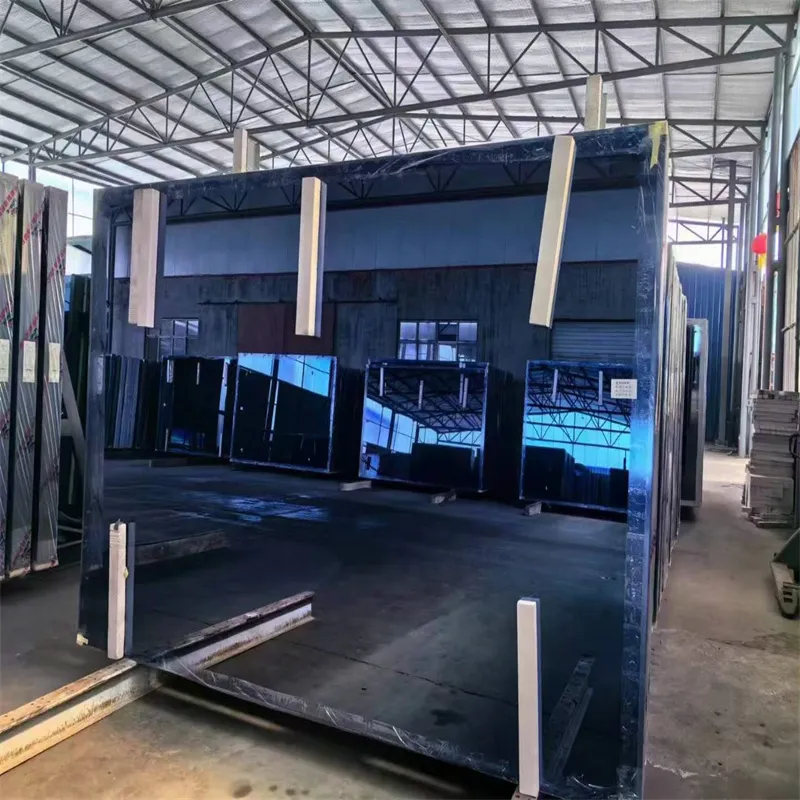
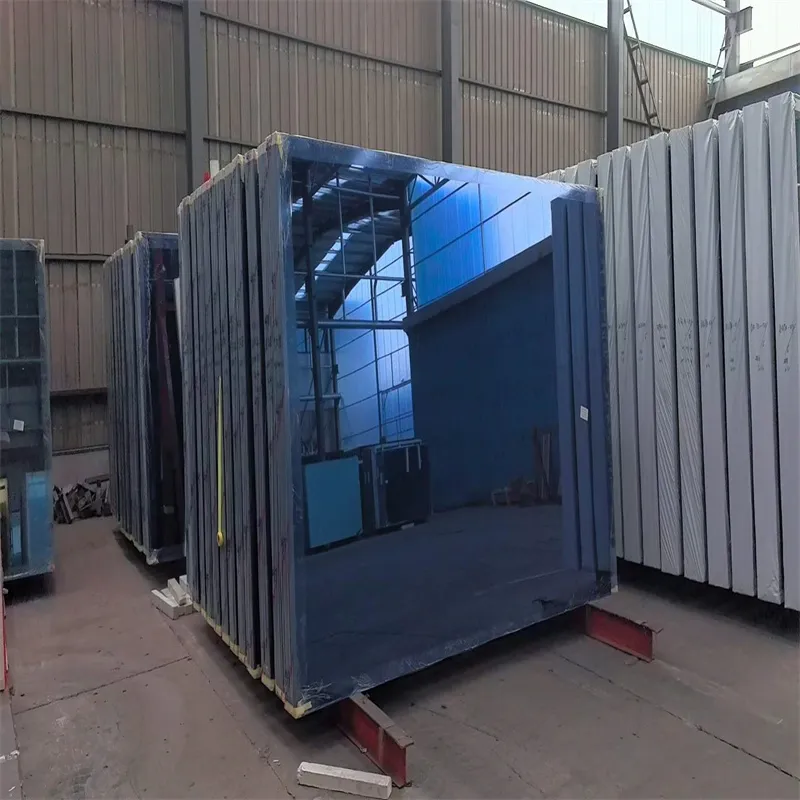
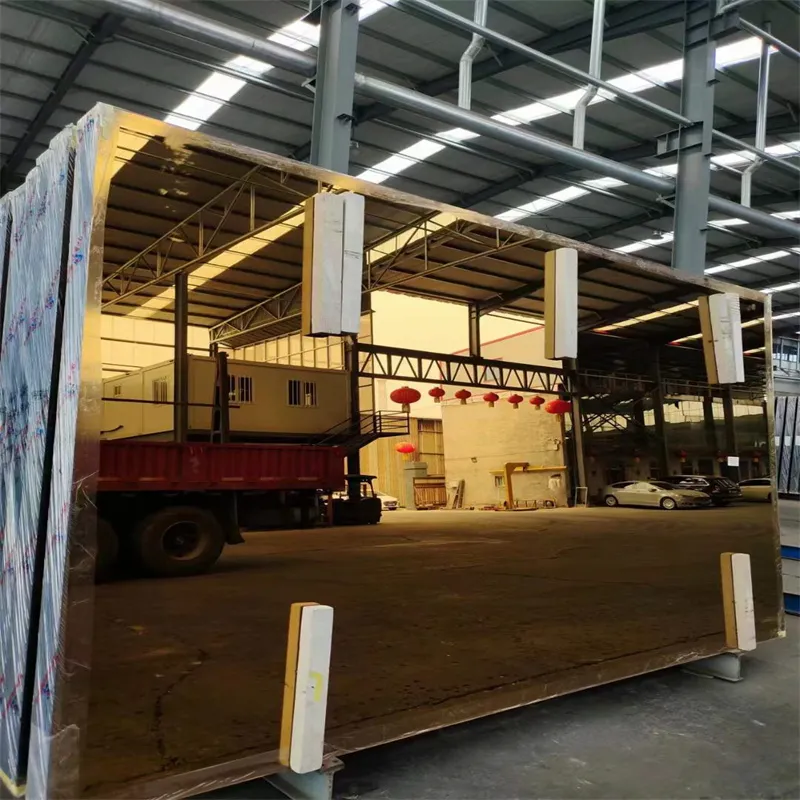
The metallic coatings of reflective glass give a building a mirror-like appearance. When tinted glass is coated with the corresponding film, we can see through the glass from indoors, but not the outdoors.
Reflective glass allows visible natural light to pass through and meets indoor needs for daily sunlight. Meanwhile, it has a high reflectivity for infrared rays and a high absorption rate for ultraviolet rays.
Reflective glass adds a sleek and modern appearance to buildings and vehicles, enhancing their visual appeal. The reflective surface creates dynamic reflections of the surrounding environment, giving the impression of depth and movement. It is available in a variety of colors and finishes to complement different architectural styles and design preferences.
Reflective glass often has the properties of UV protection, which helps to block harmful ultraviolet rays from entering indoor spaces. This feature helps to protect furniture, fabrics, and artwork from fading and degradation caused by prolonged exposure to sunlight.
Applications and Benefits of Reflective Glass
Reflective glass is widely used in commercial and residential buildings which can be used to enhance both the functions and aesthetics of a buildings.
Energy efficiency management of buildings in modern society has become more and more important. Glass curtain walls made of reflective glass can effectively control the solar radiation travelling into the buildings, thus reducing cooling costs. In addition, it creates a balance of light transparency and aesthetics.
It is equally important for homeowners in energy- saving aspect. reflective glass Reflective glass absorbs or reflects heat and ultraviolet radiation to ensure that indoor temperatures are not too high in summer. This can reduce the electricity costs of air conditioner.
In addition, reflective glass is also used in automotive industry, such as car windows, sunroofs and rearview mirrors.
Types of Reflective Glass
In modern architecture and interior design, reflective glass has become one of the most sought-after materials for balancing style, comfort, and performance. Known for its ability to control light, reduce glare, and add a sleek appearance to buildings, reflective glass is used in commercial towers, residential projects, and even decorative interiors. Understanding the different types of reflective glass helps designers, builders, and homeowners make smarter choices for their projects.
Standard Reflective Glass
The most common option is standard reflective glass, which has a metallic oxide coating that gives it a mirror-like appearance. This coating reduces solar heat gain while allowing natural light to pass through. It is ideal for office buildings and residential windows where both energy efficiency and privacy are important.
Tinted Reflective Glass
Tinted reflective glass combines solar control with aesthetic appeal. Available in colors like bronze, blue, or grey, it reduces brightness and glare while adding a decorative touch to facades. Architects often choose tinted reflective glass for projects where design plays a key role in creating modern, stylish exteriors.
Insulated Reflective Glass
For better thermal performance, insulated reflective glass is made by combining reflective-coated glass with another pane, creating a double-glazed unit. This design improves energy efficiency, minimizes outside noise, and enhances indoor comfort. It is widely used in high-rise buildings and energy-conscious construction projects.
Reflective Laminated Glass
Laminated reflective glass offers an extra layer of safety by bonding multiple glass sheets with a protective interlayer. In addition to reflecting heat and light, it prevents shattering upon impact. This makes it a preferred choice for airports, hospitals, and public spaces where safety and durability are essential.
Decorative Reflective Glass
Beyond construction, reflective glass is also used in interiors as partitions, wall claddings, and furniture accents. Decorative options come in various patterns and finishes, helping designers add depth, brightness, and sophistication to spaces.
From standard and tinted to insulated, laminated, and decorative varieties, reflective glass is more than just a building material—it’s a solution for modern living. Whether the goal is energy efficiency, safety, or design innovation, there is a type of reflective glass tailored to every need. Choosing the right option ensures both functionality and beauty in any project.
What Is the Difference Between Reflective Glass and Clear Glass?
When choosing glass for construction, windows, or interior projects, two popular options often come up: reflective glass and clear float glass. While both serve as essential building materials, they are designed with different properties and benefits. Understanding the key differences helps architects, designers, and homeowners make the right choice for aesthetics, functionality, and energy efficiency.
Clear Float Glass: Clarity and Versatility
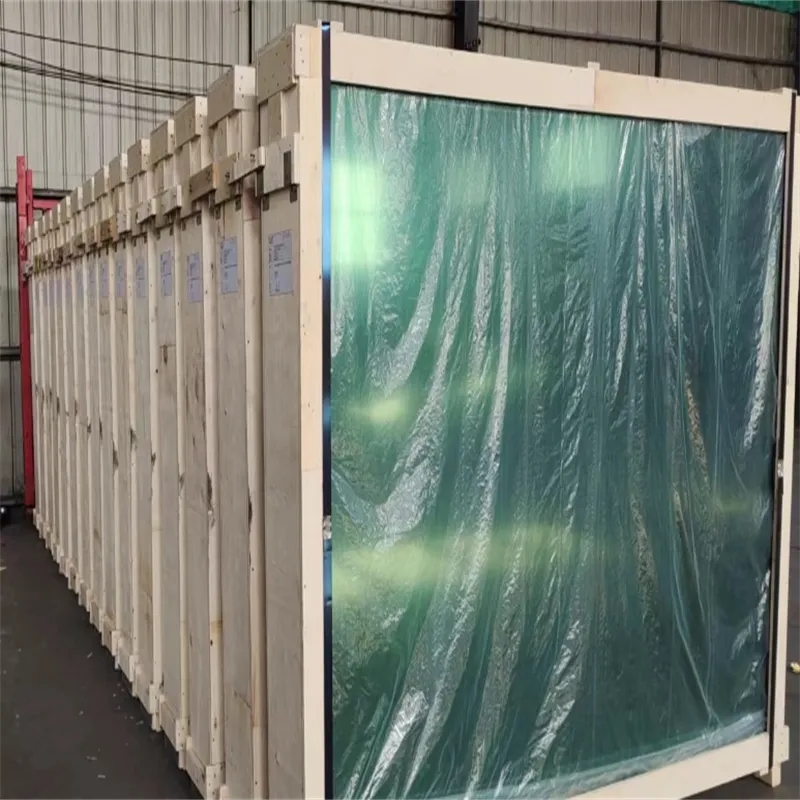
Clear float glass is one of the most commonly used glass types worldwide. Manufactured by floating molten glass on a layer of molten tin, it offers perfect transparency, smooth surfaces, and uniform thickness. This glass type allows maximum natural light to pass through, making it ideal for windows, doors, skylights, and interior partitions. Because of its optical clarity, clear float glass is also used as a base material for laminated, tempered, and coated glass products. Its affordability and versatility make it the first choice for general-purpose glazing.
Reflective Glass: Style with Functionality
Reflective glass, on the other hand, is coated with a thin metallic or oxide layer during production. This special coating gives the glass a mirror-like finish on one side while still allowing controlled light transmission. Apart from its striking appearance, reflective glass offers functional benefits such as reducing glare, controlling solar heat gain, and enhancing privacy during the daytime. It is widely used in commercial buildings, office towers, and modern residential designs where energy efficiency and aesthetics are equally important.
Main Differences Between Reflective Glass and Clear Float Glass
The most obvious difference lies in their appearance and performance. Clear float glass is transparent and provides an unobstructed view, while reflective glass has a shiny, tinted surface that reflects sunlight and reduces heat. In terms of application, clear float is best for spaces that prioritize natural light, while reflective glass is chosen for buildings that require energy savings and stylish façades.
Reflective Glass vs Tinted Glass
When it comes to modern architecture and home improvement projects, glass plays a huge role in balancing style, energy efficiency, and comfort. Two of the most popular options today are reflective glass and tinted glass. Both offer unique advantages, and understanding their differences can help you choose the right solution for your building or renovation project.
What Is Reflective Glass?
Reflective glass is designed with a special metallic coating that gives it a mirror-like appearance. This finish not only enhances the aesthetic appeal of a building but also serves a practical purpose. Reflective glass reduces solar heat gain by reflecting a significant portion of sunlight, keeping interiors cooler and reducing reliance on air conditioning. Additionally, it offers privacy during the day, as people outside see only the reflective surface while those inside still enjoy clear views. For commercial buildings and high-rise projects, reflective glass is often the preferred choice because it combines sleek design with excellent energy-saving benefits.
What Is Tinted Glass?
On the other hand, tinted glass for sale is manufactured by adding metal oxides during production, giving the glass a range of colors such as bronze, gray, green, or blue. This tint helps absorb solar radiation, reducing glare and heat while still allowing natural light to pass through. Tinted glass is a versatile option that works well for residential and commercial spaces alike, particularly where reducing glare on screens or creating a softer atmosphere is important. The variety of color options also makes it a popular choice for designers who want both function and style.
Choosing Between Reflective and Tinted Glass
The choice between reflective glass and tinted glass for sale depends on your project goals. If you prioritize a modern, high-tech appearance with maximum solar control and daytime privacy, reflective glass is the stronger option. If you prefer subtle shading, reduced glare, and design flexibility with color, tinted glass is a perfect fit. Many architects and homeowners even combine both options in different parts of a project to achieve the best results.
gold reflective glass
heat reflective glass
reflective glass
reflective window
uv reflective glass
-
 16Apr
16AprPremium High Quality Float Glass for Sale and Glass Solutions
When sourcing materials for modern architecture or interior design, finding reliable float glass for sale is essential for achieving both aesthetic brilliance and structural integrity. Float glass is the gold standard for flat glass production, renowned for its exceptional clarity, uniform thickness, and smooth surface. Whether you are a contractor, a furniture manufacturer, or a homeowner, understanding the nuances of this material ensures you get the best value for your investment. In this guide, we will explore everything from technical specifications to the best ways to source high-grade glass for your next project.
learn more -
 09Apr
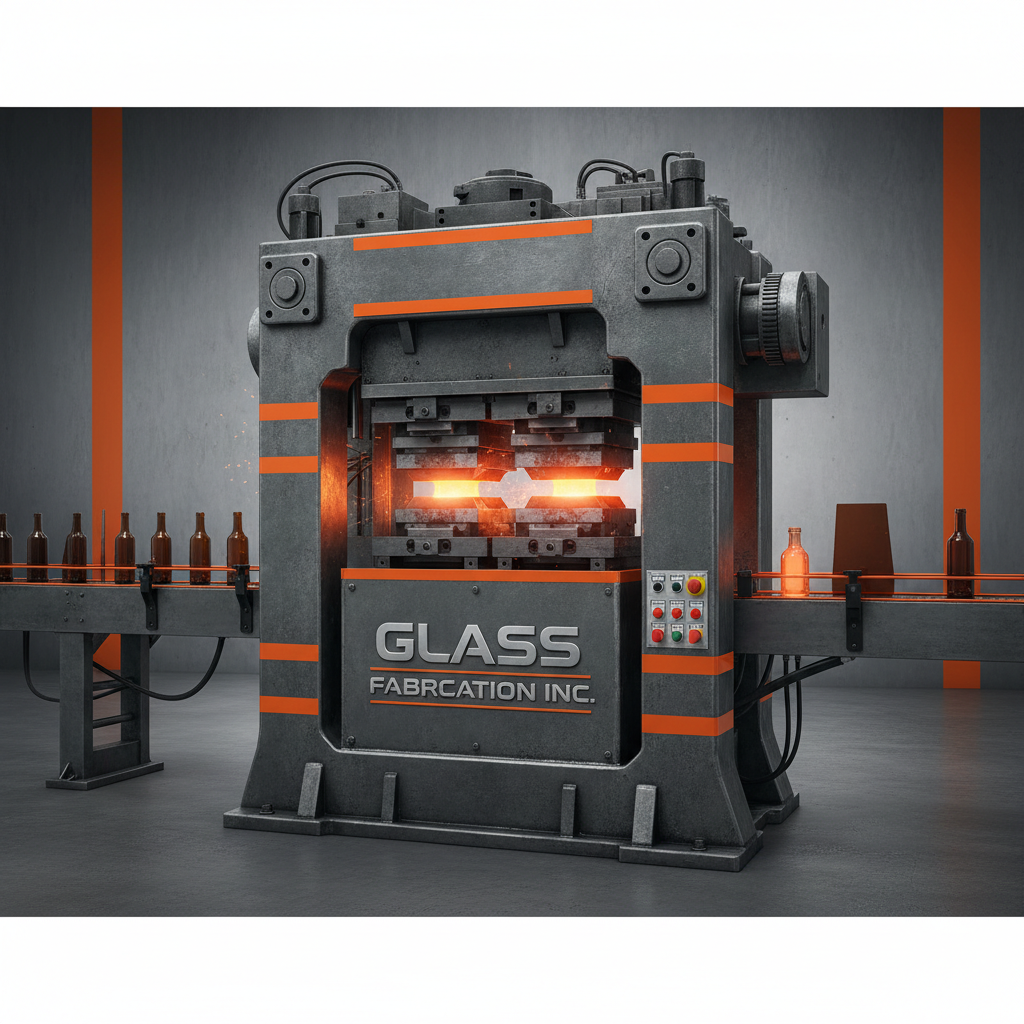
09AprGuide to Choosing a Professional glass fabrication inc for Projects
Finding a reliable glass fabrication inc is essential for any project that requires precision, safety, and aesthetic excellence. Whether you are an architect designing a modern skyscraper, a contractor renovating a luxury home, or a business owner upgrading commercial storefronts, the quality of glass fabrication determines the longevity and safety of the structure. Modern glass processing has evolved beyond simple cutting, now incorporating advanced tempering, frosting, and insulating technologies. In this guide, we will explore the critical factors in glass fabrication and how to partner with a manufacturer that ensures industrial-grade quality and flawless execution.
learn more -
 07Apr
07AprComprehensive Guide to Custom Glass Fabrication and its Diverse Applications
When it comes to specialized projects, custom glass fabrication is often the only solution. Whether it's for architectural designs, unique furniture pieces, or specialized industrial applications, tailored glasswork offers precision and aesthetic appeal. This article delves into the world of custom glass fabrication, exploring its processes, applications, and the benefits of choosing a dedicated provider like Mirror Glass Factory.
learn more


