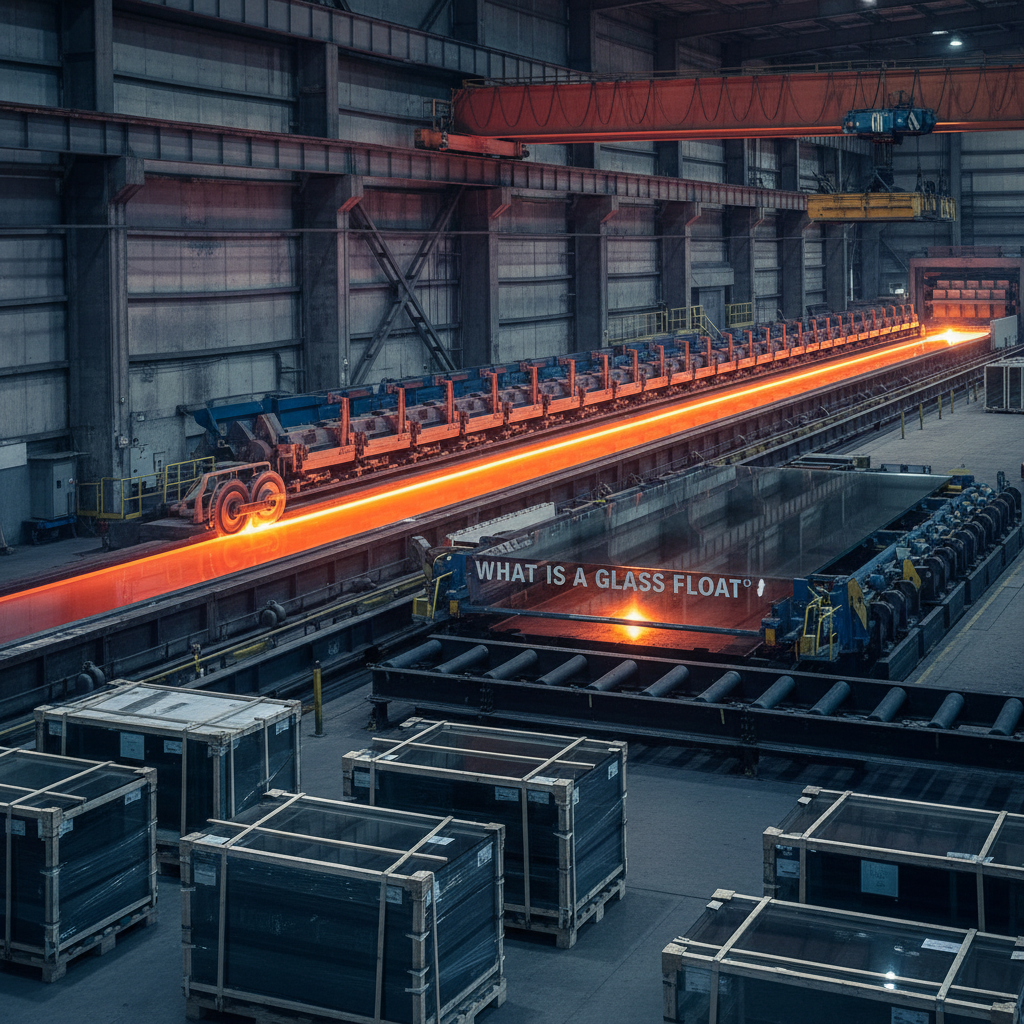
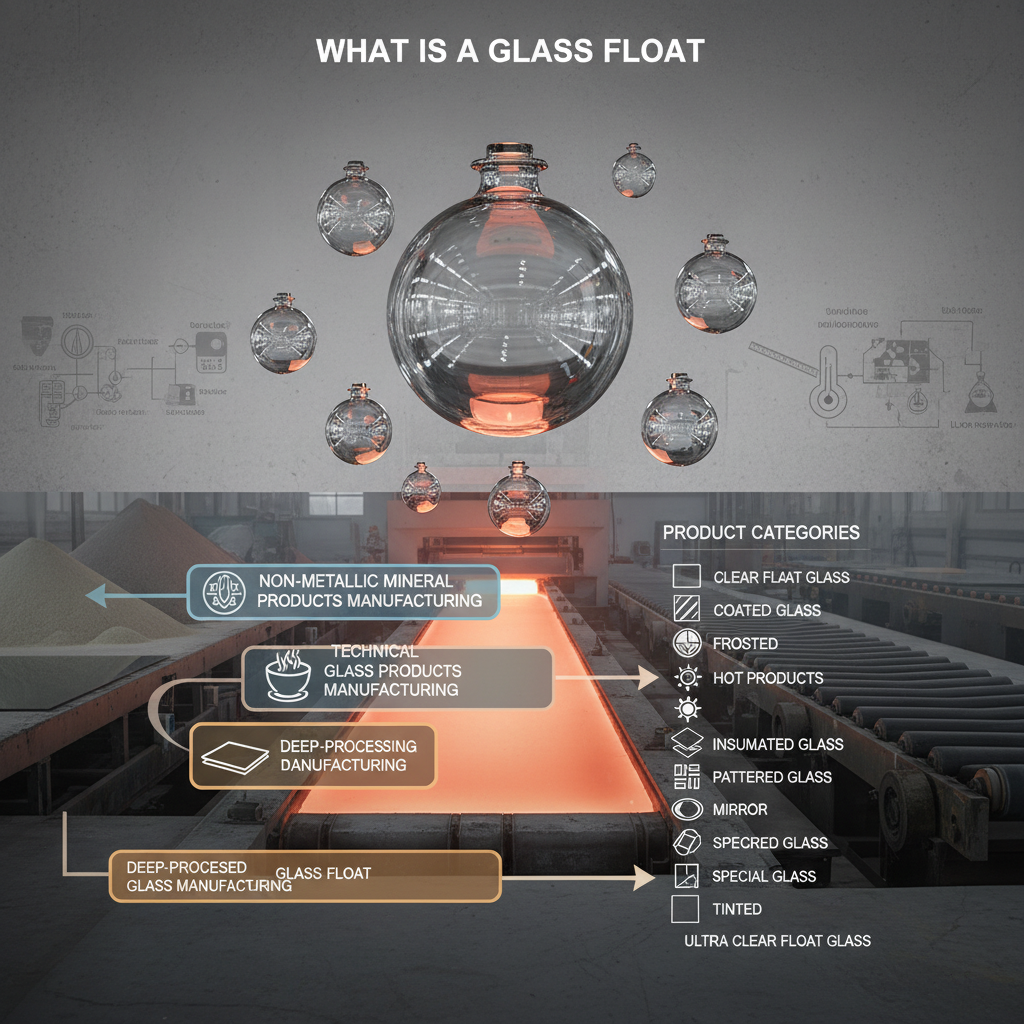
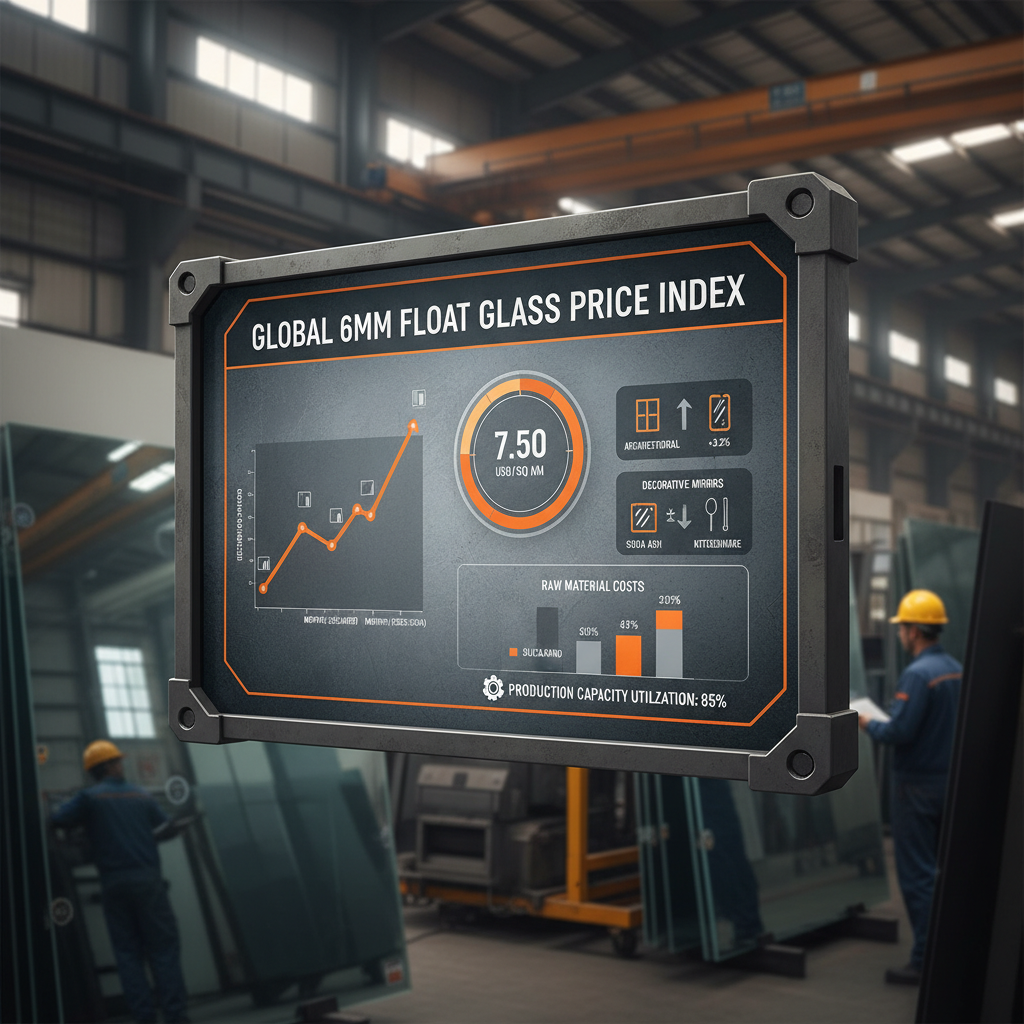
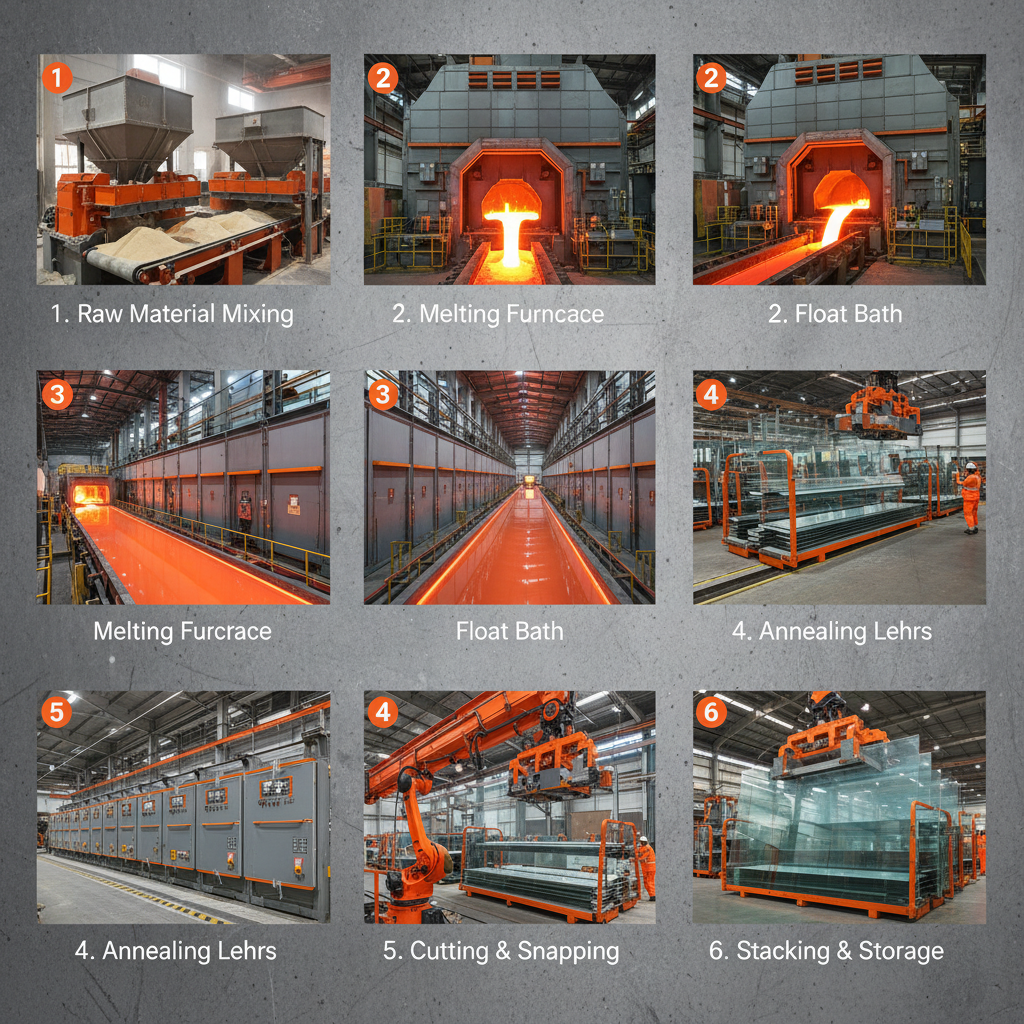
Understanding what is a glass float is fundamental to grasping how the modern world is constructed. From the towering skyscrapers of New York to the simple windows of a residential home, the float glass process provides the essential foundation for nearly all flat glass applications. By utilizing a unique manufacturing method where molten glass floats on a bed of molten tin, the industry achieves a level of precision and clarity that was previously unimaginable.
On a global scale, the importance of this technology cannot be overstated, as it serves as the primary substrate for high-value derivatives like tempered, laminated, and coated glasses. Whether it is enhancing energy efficiency in green buildings or ensuring safety in automotive windshields, the inherent quality of the initial float process dictates the performance of the final product. For architects and developers, knowing the intricacies of this process ensures they select the right material for structural integrity and optical purity.
The primary benefit of mastering the concept of what is a glass float lies in the ability to optimize material selection for cost-effectiveness and sustainability. By understanding how the glass is formed, professionals can better predict how it will react to further processing, such as frosting or insulating. This educational insight bridges the gap between raw industrial chemistry and practical architectural application, ensuring a safer and more aesthetic built environment.
The Fundamental Mechanics of Float Glass
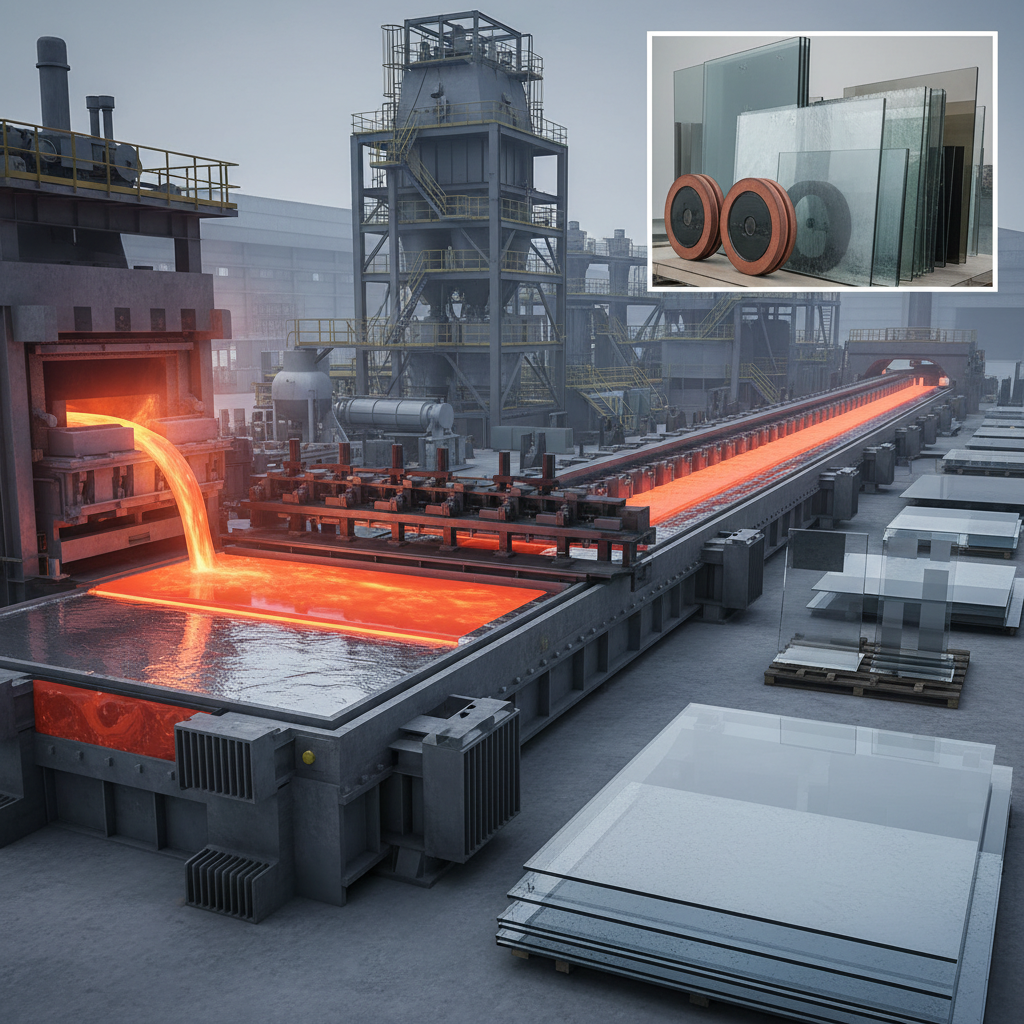
To answer the core question of what is a glass float, one must look at the physics of surface tension. The process involves pouring molten glass onto a bath of molten tin, which is significantly denser than the glass. Because the glass is less dense, it floats on the surface of the tin, naturally spreading out into a perfectly flat ribbon. This eliminates the need for the expensive grinding and polishing required in older methods.
This seamless transition from a liquid state to a rigid sheet ensures that the glass possesses a high degree of optical homogeneity. The thickness of the ribbon is controlled by the speed at which the glass is pulled from the tin bath, allowing manufacturers to produce everything from thin decorative panels to thick structural sheets. This scalability is what makes the float process the gold standard for the global glass industry.
Global Industry Standards and Economic Impact
The global production of float glass is governed by strict ISO standards to ensure safety and quality across borders. As urbanization accelerates in Asia and Africa, the demand for high-quality flat glass has surged, driving the industry toward more automated and energy-efficient production lines. The economic impact is staggering, as the glass float process supports a multi-billion dollar supply chain encompassing raw material mining, specialized machinery manufacturing, and end-user construction.
However, the industry faces a significant challenge: the energy intensity of maintaining molten tin baths at extremely high temperatures. According to energy benchmarks, the glass sector is under pressure to reduce carbon emissions. This has led to a global shift toward "green" float glass, where recycled cullet (waste glass) is integrated into the melt to lower the melting point and reduce the overall carbon footprint.
By integrating these sustainable practices, the industry not only meets environmental mandates but also reduces operational costs. The shift toward sustainable manufacturing ensures that the answer to what is a glass float now includes a strong emphasis on circular economy principles, making the resulting Clear Float Glass and Tinted Glass more appealing to eco-conscious developers.
Core Components of the Floating Process
The primary component in understanding what is a glass float is the tin bath. This controlled atmosphere—usually a mixture of nitrogen and hydrogen—prevents the tin from oxidizing, which would otherwise create impurities in the glass. The precision of this chemical environment is what allows for the creation of Ultra Clear Float Glass.
Another critical factor is the annealing lehr, a cooling oven that slowly brings the glass temperature down. If glass cools too quickly, internal stresses develop, making it prone to spontaneous breakage. This thermal management is a vital part of the glass float cycle, ensuring the stability required for subsequent processing into Tempered or Laminated Glass.
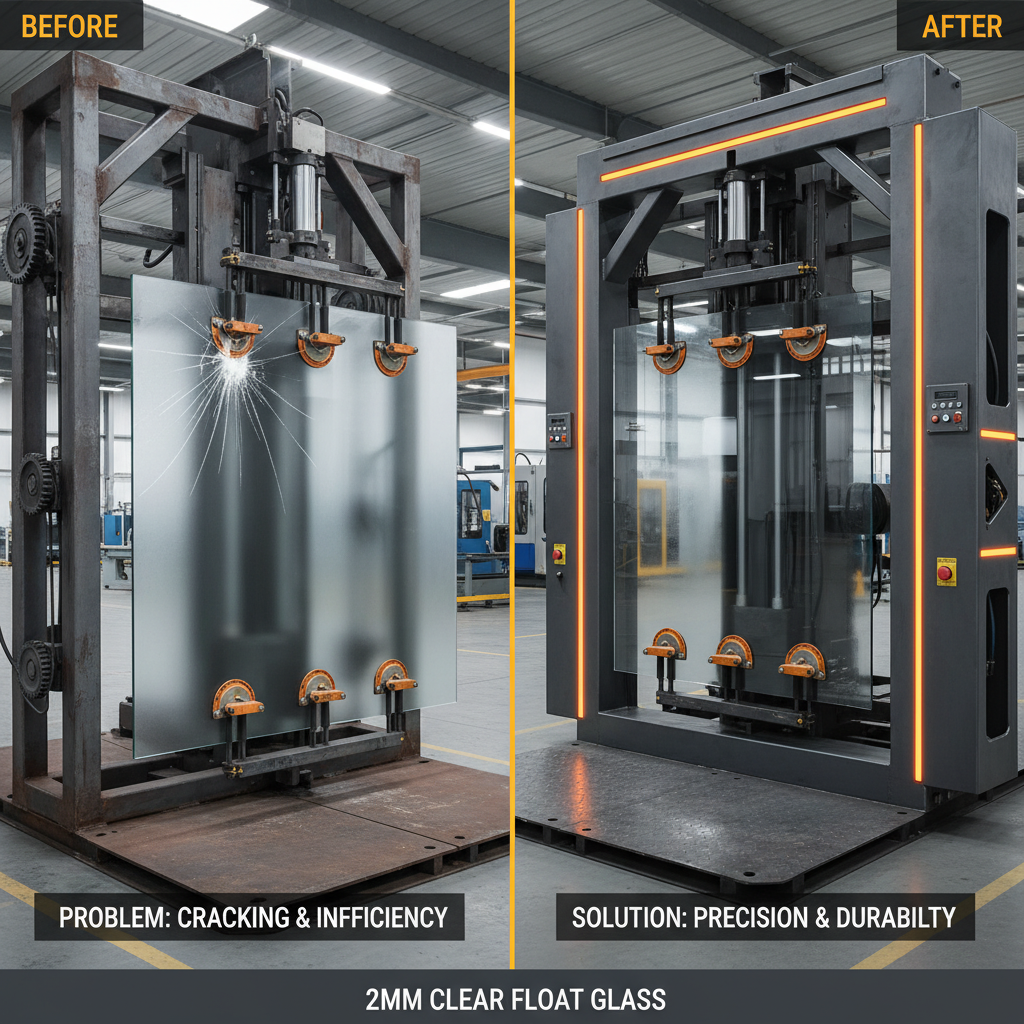
Finally, the precision of the pulling mechanism determines the final thickness. By adjusting the rollers at the end of the tin bath, manufacturers can maintain tolerances within microns. This mechanical scalability is a key reason why the industry relies on this specific method to produce the consistent sheets needed for the Mirror and Patterned Glass markets.
Quality Metrics and Performance Comparison
Evaluating the performance of a glass float involves analyzing several key metrics: optical clarity, surface flatness, and thermal stability. While different methods existed historically, the float process consistently outperforms others in terms of "distortion-free" viewing. This makes it the only viable choice for high-end architectural projects where visual precision is non-negotiable.
To better understand how different variations of the float process compare, we can look at the performance ratings across common product categories. Whether it is the extreme clarity of Ultra Clear glass or the solar-control capabilities of Coated Glass, each originates from the same fundamental float principle but is optimized for different environmental stresses.
Comparative Performance Ratings of Glass Float Derivatives
Real-World Applications Across Industries
The application of what is a glass float extends far beyond simple window panes. In the automotive sector, the float process provides the base for windshields that are later laminated for safety. In the interior design world, the perfectly flat surface of float glass is the essential prerequisite for high-quality silvering, which creates the mirrors used in everything from residential bathrooms to massive commercial dance studios.
Furthermore, in industrial zones, float glass is often further processed into Frosted Glass or Patterned Glass to provide privacy while maintaining light transmission. In high-tech environments, such as cleanrooms or laboratories, the use of Ultra Clear Float Glass ensures that optical sensors and observation windows provide a distortion-free view of critical experiments, proving that the precision of the float process is vital for scientific advancement.
Long-Term Value and Sustainability Benefits
Investing in high-quality float glass offers long-term economic value through durability and reduced maintenance. Because float glass is chemically stable and resistant to corrosion, it maintains its optical properties for decades. When upgraded to Insulated Glass or Coated Glass, the initial float substrate contributes to a drastic reduction in building energy costs by minimizing heat transfer, thus providing a logical return on investment for property owners.
From a psychological and emotional perspective, the use of expansive, clear float glass transforms the human experience of a space. It brings natural light into interiors, which is proven to increase productivity and mental well-being. This "connection to the outside" is a hallmark of modern architecture, blending safety and openness through the innovation of the floating process.
Sustainability is further enhanced by the recyclability of the material. Since float glass is made from abundant raw materials like silica sand and soda ash, and can be melted down indefinitely without losing quality, it represents a sustainable loop. This makes it a superior choice compared to acrylics or polycarbonates in long-term structural applications.
Future Innovations in Glass Float Technology
The future of what is a glass float is inextricably linked to digital transformation and "smart" materials. We are seeing the emergence of integrated photovoltaic float glass, where the glass itself acts as a solar panel without sacrificing transparency. This innovation turns every window in a skyscraper into a power generator, merging the float process with renewable energy goals.
Automation and AI are also optimizing the tin bath process. Real-time sensors can now detect minute fluctuations in temperature or ribbon thickness, adjusting the pulling speed instantly to eliminate waste. This leap in Industry 4.0 technology ensures that the energy required to produce float glass continues to drop while the precision increases.
Additionally, new chemical coatings are being developed during the float process itself, creating "self-cleaning" glass that uses photocatalytic properties to break down organic dirt. This reduces the need for chemical detergents and water in building maintenance, marking a new era of functional glass that serves as an active participant in urban sustainability.
Analysis of Future Float Glass Technological Trends
| Innovation Type |
Primary Benefit |
Industry Application |
Sustainability Score (1-10) |
| PV Integration |
Energy Generation |
Commercial Facades |
10 |
| AI-Controlled Bath |
Waste Reduction |
Manufacturing Plants |
8 |
| Self-Cleaning Coatings |
Low Maintenance |
Residential Windows |
7 |
| Ultra-Low Iron Flux |
Max Transparency |
Museum Displays |
6 |
| Hydrogen-Fuel Furnaces |
Zero Carbon Melt |
Global Glass Works |
9 |
| Smart Tinting Layers |
Dynamic Shading |
Automotive/Office |
8 |
FAQS
The "float" refers to the process where molten glass is poured onto a bath of molten tin. Because the glass is lighter than the tin, it floats on the surface, which allows gravity and surface tension to create a perfectly flat, uniform sheet of glass without the need for manual polishing.
Float glass is the base material—the flat sheet produced by the tin bath. Tempered glass is float glass that has undergone a heat-treatment process to increase its strength and ensure that if it breaks, it shatters into small, blunt pieces rather than sharp shards.
Yes, it is highly cost-effective due to the scalability of the production process. It is also eco-friendly because it can be made from a high percentage of recycled glass (cullet) and is 100% recyclable at the end of its life cycle.
Standard float glass is too fragile for direct load-bearing. However, when processed into Laminated Glass or Tempered Glass, it gains the necessary strength and safety ratings to be used in floors, stairs, and structural facades.
Clear float glass has a slight green tint due to iron oxide impurities in the sand. Ultra Clear float glass uses low-iron raw materials and a specialized melting process to remove that tint, resulting in maximum light transmission and color accuracy.
The process is continuous. Once the melt is established, the glass ribbon moves constantly through the tin bath and the annealing lehr. The actual "floating" happens in minutes, but the controlled cooling in the lehr can take several hours to ensure stability.
Conclusion
In summary, understanding what is a glass float reveals a sophisticated marriage of chemistry and physics that defines the modern architectural landscape. From the precision of the molten tin bath to the strategic cooling of the annealing lehr, every step is designed to produce a material that is optically pure, structurally reliable, and highly versatile. Whether it is converted into a mirror, an insulated unit, or a tempered safety panel, the float process remains the indispensable foundation of the global glass industry.
Looking forward, the integration of smart coatings and green energy production will continue to elevate the value of float glass. For professionals in construction and design, choosing a supplier that masters these technical nuances is key to ensuring long-term project success. We invite you to explore our comprehensive range of high-performance glass solutions to bring these innovations to your next project. Visit our website: www.mirrorglassfactory.com