Understanding the various types of float glass is essential for architects, interior designers, and industrial engineers who seek to balance aesthetic brilliance with structural integrity. Float glass serves as the foundational substrate for nearly all processed glass products, utilizing a unique manufacturing process where molten glass floats on a bed of molten tin to achieve unparalleled flatness and optical clarity.
Across the global construction and automotive landscapes, the selection of the right glass type can significantly influence energy efficiency, safety standards, and the overall atmospheric feel of a space. From the crystal-clear transparency of ultra-clear float glass to the solar-regulating properties of coated options, the versatility of this material allows for customized solutions tailored to specific environmental challenges.
By diving deep into the technical specifications and commercial applications of different types of float glass, stakeholders can make informed decisions that reduce long-term operational costs while enhancing the sustainability of their builds. This guide provides a comprehensive analysis of the materials that shape our modern visual environment.
The Global Significance of Float Glass Production
On a global scale, the production of different types of float glass represents a cornerstone of modern infrastructure. According to international trade data, the demand for high-performance architectural glass continues to rise as urban centers in Asia and Africa expand rapidly. The industry is governed by strict ISO standards to ensure that the flatness and thickness of the glass meet rigorous safety and quality requirements across different continents.
The primary challenge facing the global industry is the trade-off between thermal insulation and transparency. As cities strive for carbon neutrality, the shift toward Low-E (Low Emissivity) float glass has become a priority. This transition addresses the critical need for reducing greenhouse gas emissions from HVAC systems, transforming simple windows into active energy-saving components of a building's envelope.
Defining the Core Varieties of Float Glass
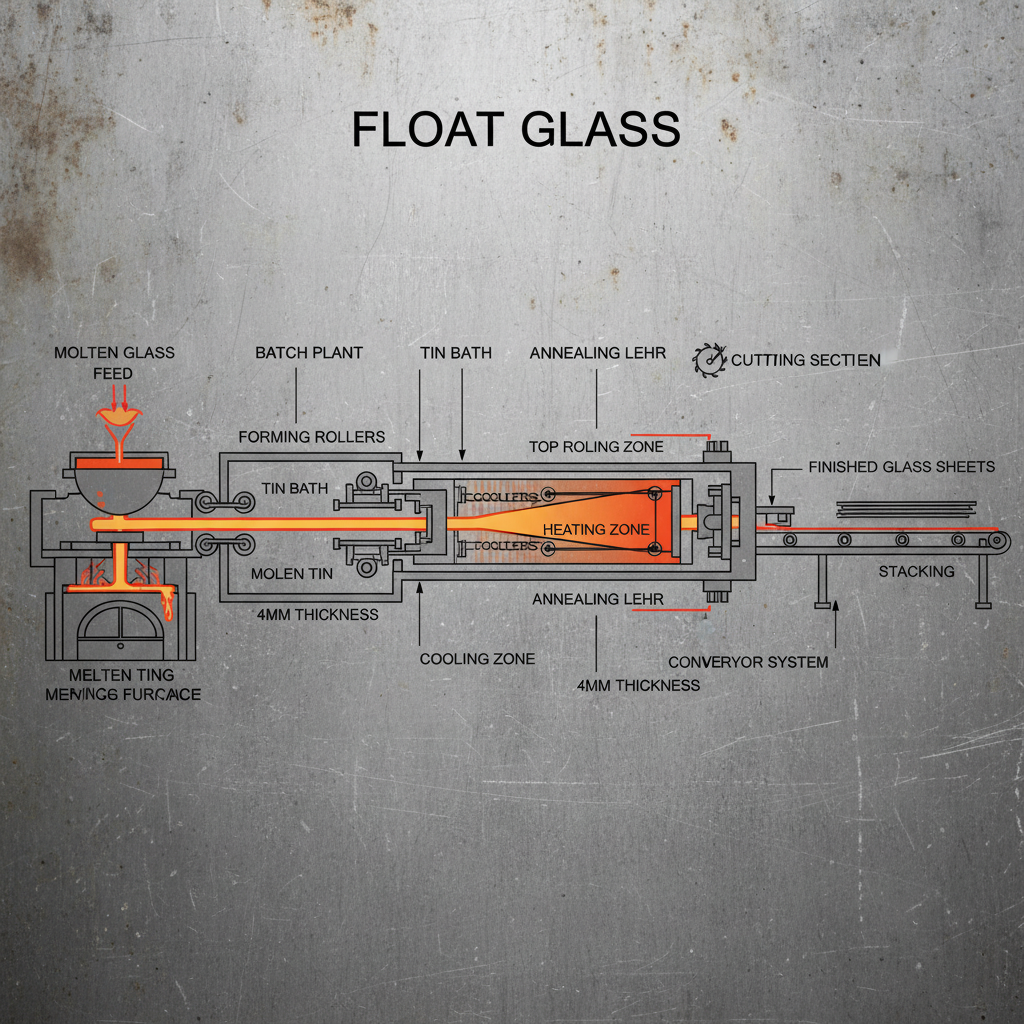
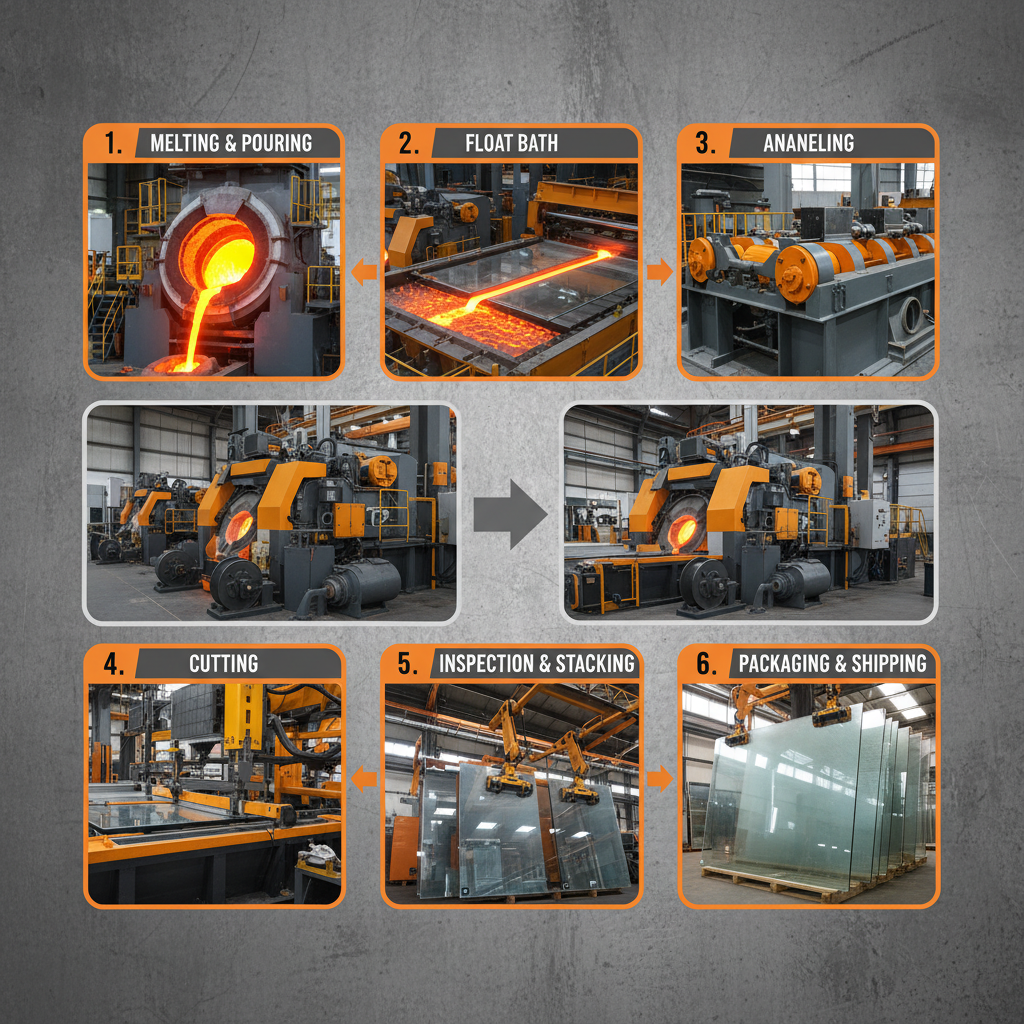
At its most basic level, float glass is a type of glass that is manufactured by floating molten glass on a bed of molten tin. This process ensures that the glass is perfectly flat, eliminating the need for expensive grinding and polishing. When we discuss the various types of float glass, we are generally referring to the base material before it undergoes secondary processing like tempering or laminating.
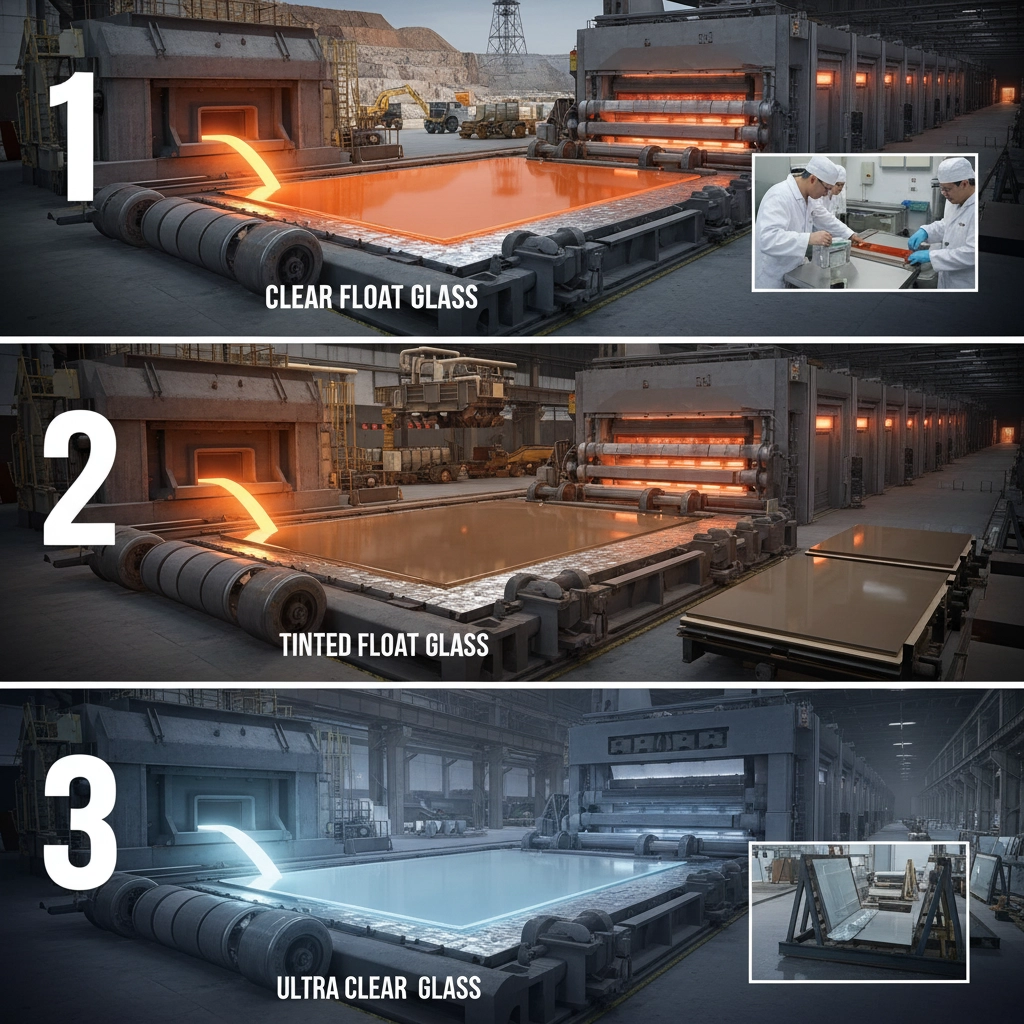
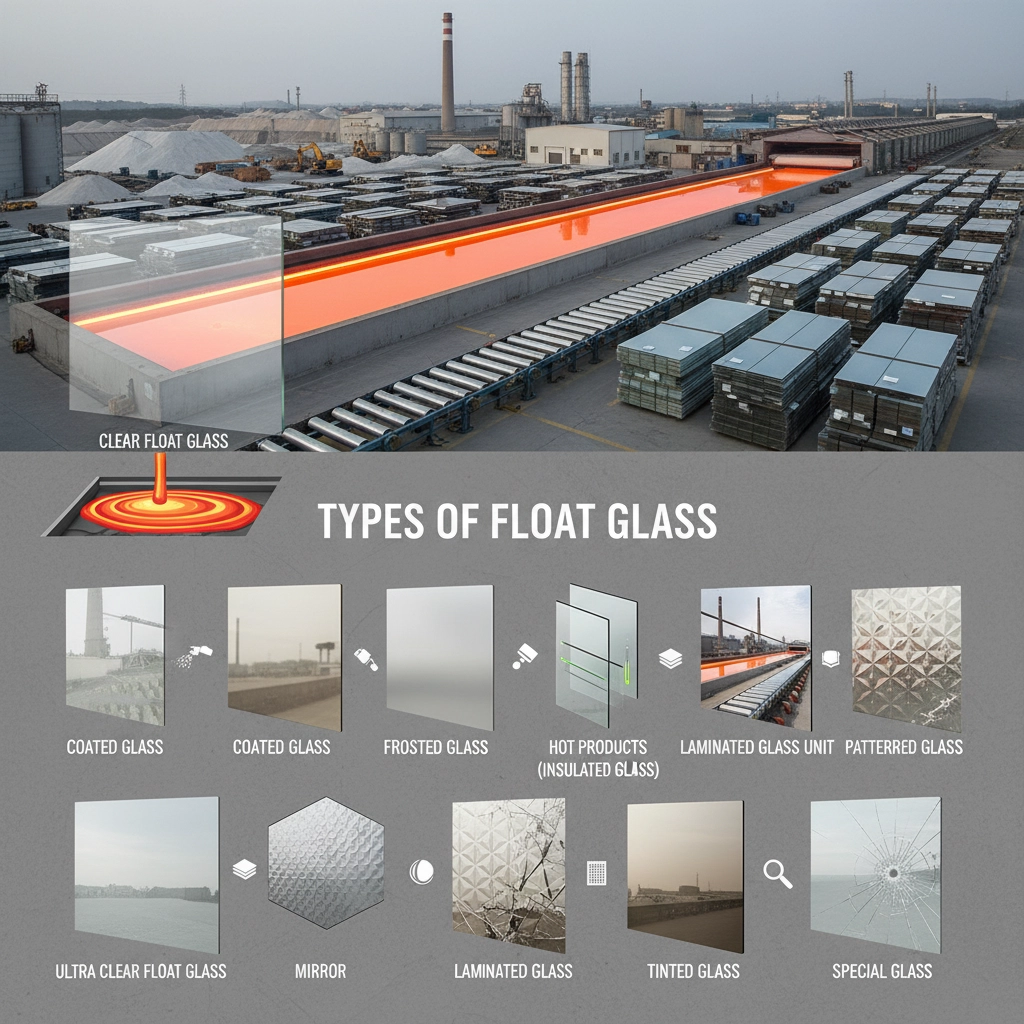
Clear float glass is the industry standard, offering high light transmission and a neutral appearance. However, for projects requiring absolute purity, Ultra Clear (Low-Iron) float glass is used. By reducing the iron content in the raw materials, the characteristic greenish tint of standard glass is removed, making it the ideal choice for high-end jewelry displays, museums, and luxury storefronts.
Beyond transparency, there are tinted and coated varieties. Tinted float glass incorporates metal oxides to absorb solar heat and reduce glare, which is crucial for automotive windows and office partitions. Coated float glass, on the other hand, features microscopic metallic layers that reflect infrared light, providing superior thermal control without compromising the visual clarity of the interior.
Key Performance Factors in Glass Selection
When evaluating the different types of float glass, durability and structural stability are the foremost considerations. The chemical composition of the glass determines its resistance to environmental stressors, such as saltwater corrosion in coastal regions or extreme temperature fluctuations in alpine climates.
Optical clarity is another critical factor, specifically when comparing clear float glass to ultra-clear versions. The Light Transmission (LT) percentage is a key metric here; while standard float glass might have a slight green hue, low-iron varieties offer nearly 99% transparency, which is vital for applications where color accuracy is paramount.
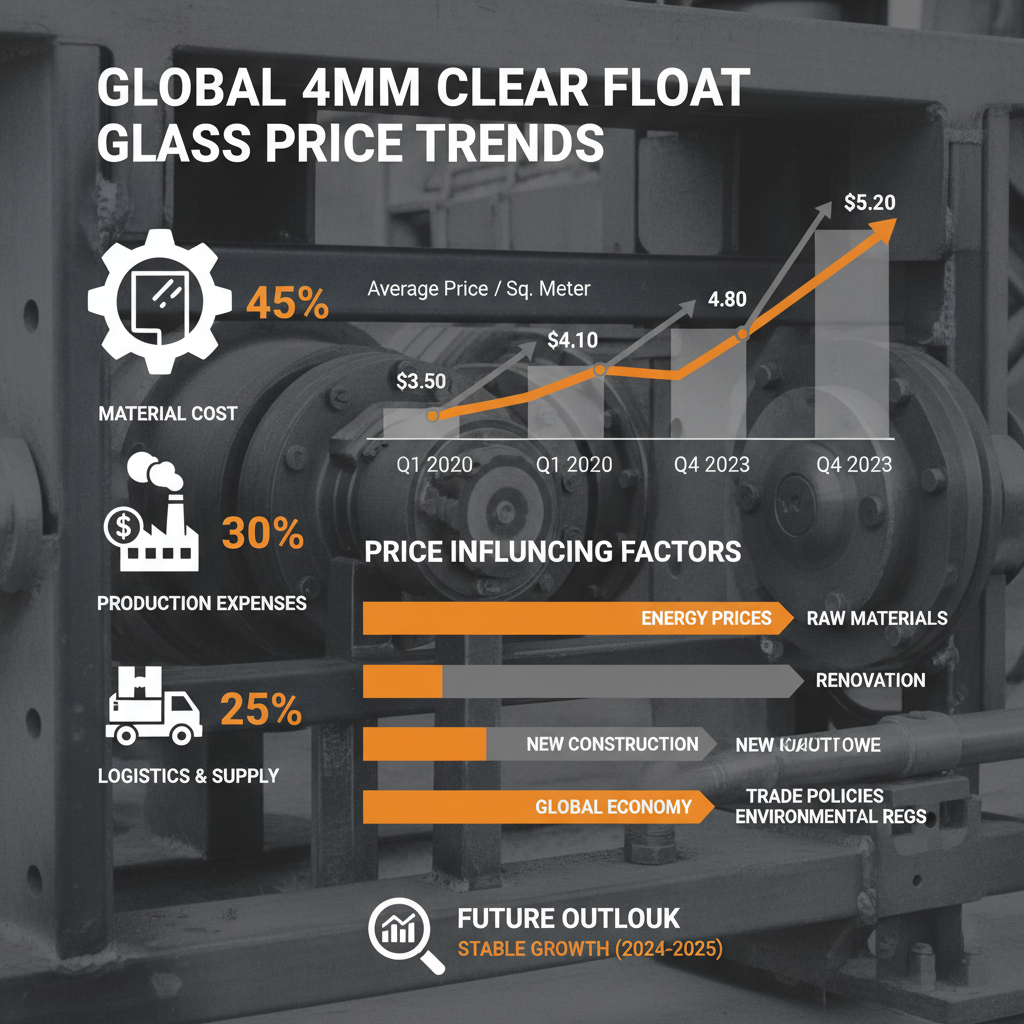
Finally, cost-efficiency must be balanced with performance. While specialized types of float glass like coated or tinted options may have a higher initial purchase price, their ability to lower energy bills through passive thermal regulation often results in a lower total cost of ownership over the building's lifecycle.
Practical Applications Across Diverse Industries
The application of types of float glass extends far beyond simple window panes. In the automotive industry, float glass is the precursor for windshields and side windows, where it is further processed into laminated or tempered glass to ensure passenger safety. In the electronics sector, ultra-thin float glass is used as a substrate for touchscreens and display panels due to its exceptional flatness and surface smoothness.
In commercial architecture, the use of insulated glass units (IGUs) relies heavily on the quality of the initial float glass layers. For example, in skyscraper facades in Dubai or Singapore, high-performance coated float glass is utilized to block intense solar radiation while allowing natural light to penetrate deep into the building, reducing the reliance on artificial lighting.
Performance Comparison of Various Types of Float Glass
Long-Term Value and Sustainability Benefits
Investing in the correct types of float glass provides tangible long-term value, particularly regarding environmental sustainability. Modern float glass is increasingly produced using recycled cullet, which lowers the melting temperature in furnaces and significantly reduces CO2 emissions. This circular economy approach ensures that the glass industry evolves toward a greener footprint.
From a logical perspective, the reliability of float glass ensures a lifespan of several decades with minimal maintenance. Emotionally, the use of high-clarity or aesthetically pleasing tinted glass enhances the dignity of a workspace and the psychological well-being of its occupants by maximizing natural light and connecting the indoor environment with the outside world.
Future Innovations in Glass Technology
The evolution of types of float glass is now moving toward "smart glass" integration. We are seeing the rise of electrochromic float glass, which can change its transparency or tint based on an electrical voltage. This allows building managers to control heat gain and privacy in real-time, effectively replacing traditional blinds and curtains with a high-tech glass solution.
Furthermore, the integration of photovoltaic (PV) layers into float glass is turning windows into energy-generating panels. This digital transformation of the glass facade means that a building can not only insulate itself but also contribute power back to the grid, pushing the boundaries of what is possible in sustainable urban design.
Automation in the manufacturing process is also improving precision. New AI-driven quality control systems can detect microscopic defects in the float process, ensuring that every sheet of glass produced has a consistent refractive index and thickness, which is critical for the next generation of holographic and AR displays.
Common Challenges and Technical Solutions
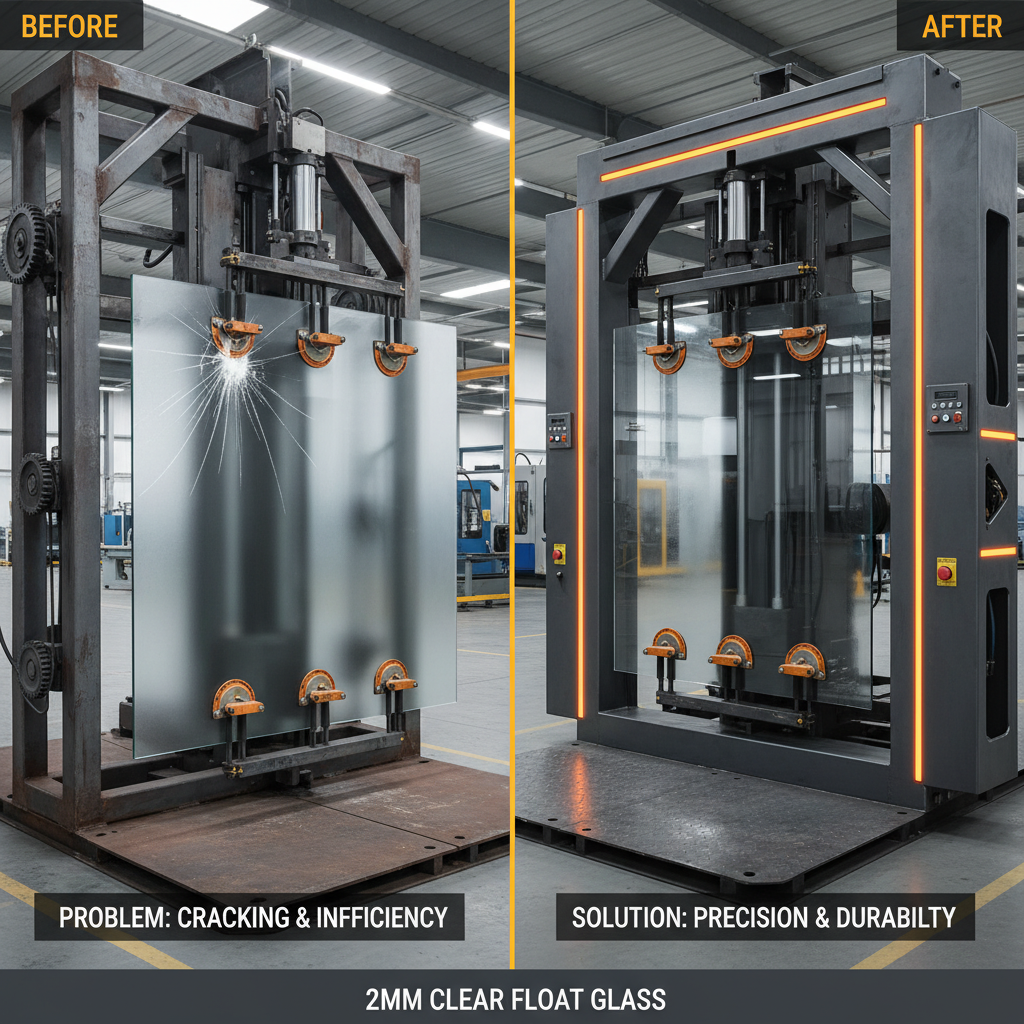
One of the most persistent challenges with various types of float glass is the risk of spontaneous breakage due to nickel sulfide inclusions. This is particularly prevalent in tempered float glass. The solution lies in "heat-soak testing," a process where glass is held at a specific temperature to trigger any latent failures before the glass is installed in a building.
Another common issue is surface condensation on clear float glass in humid environments. To combat this, the industry has developed advanced anti-fog and hydrophobic coatings. These coatings change the surface tension of the glass, preventing water droplets from forming and ensuring a clear view regardless of the weather conditions.
Finally, achieving the perfect balance of U-value (thermal transmittance) and visible light transmittance (VLT) remains a technical hurdle. Expert insights suggest that using triple-silver coatings on float glass substrates provides the best compromise, offering extreme thermal insulation while maintaining a bright, airy interior.
Comparative Analysis of Float Glass Varieties and Their Industrial Suitability
| Glass Category |
Key Optical Property |
Primary Application |
Thermal Efficiency Score |
| Clear Float |
Standard Transparency |
Residential Windows |
5/10 |
| Ultra Clear |
Low Iron / No Tint |
Luxury Showcases |
5/10 |
| Tinted Float |
Light Absorption |
Automotive Glass |
7/10 |
| Low-E Coated |
Infrared Reflection |
Energy-Efficient Facades |
10/10 |
| Frosted Float |
Diffuse Light |
Office Partitions |
6/10 |
| Reflective Float |
High Mirror Effect |
Commercial Skylights |
8/10 |
FAQS
The primary difference lies in the iron oxide content. Standard clear float glass has a small amount of iron, which gives it a subtle greenish tint when viewed from the edge. Ultra-clear float glass is manufactured with low-iron raw materials, removing that tint and providing nearly perfect color neutrality and higher light transmission, making it ideal for high-end displays.
Yes, almost all float glass varieties can undergo the tempering process. Whether it is clear, tinted, or ultra-clear, the glass is heated to a high temperature and then rapidly cooled. This increases the strength and ensures that if the glass breaks, it shatters into small, blunt pieces rather than sharp shards, making it safe for use in doors and bathrooms.
Low-E (Low Emissivity) coated float glass is the superior choice for energy efficiency. It features a microscopically thin metallic layer that reflects long-wave infrared energy (heat) back to its source. In the summer, it reflects external heat away from the building, significantly reducing the load on air conditioning systems while maintaining natural lighting.
Tinted glass absorbs sunlight to reduce glare and heat, which is great for privacy and internal comfort. Reflective glass, however, acts like a mirror to bounce solar radiation away before it even enters the glass. Choose tinted glass for a softer look and reflective glass for maximum heat rejection and exterior privacy in high-sunlight areas.
Yes, float glass is highly sustainable because it is 100% recyclable. The industry heavily utilizes "cullet" (crushed recycled glass), which lowers the energy required for the melting process. Additionally, high-performance float glass options reduce the carbon footprint of buildings by lowering the energy needed for heating and cooling.
In standard clear float glass, thicker sheets can appear more green due to the accumulation of iron oxides. However, in ultra-clear float glass, thickness has a negligible effect on color. For most architectural needs, the thickness is chosen based on wind load and safety requirements rather than optical clarity.
Conclusion
Navigating the complex array of types of float glass is the first step toward achieving a balance between architectural beauty, safety, and energy efficiency. From the foundational properties of clear float glass to the high-tech capabilities of Low-E and ultra-clear varieties, the right choice of material directly impacts the performance and longevity of any structure. By understanding the nuances of light transmission, thermal regulation, and structural durability, professionals can create spaces that are not only visually stunning but also environmentally responsible.
Looking ahead, the fusion of float glass with smart technologies and sustainable manufacturing will continue to redefine the boundaries of construction. We encourage designers and builders to embrace these innovations, opting for materials that prioritize both the human experience and the health of our planet. For premium glass solutions tailored to your specific project needs, visit our website: www.mirrorglassfactory.com