

Sandblasted Glass
There are two main methods for making sandblasted glass, mechanized automatic sandblasting and manual sandblasting. Generally speaking, they have different production intentions and effects.
This method allows the glass to be placed on a horizontal automatic sandblasting machine for sandblasting processing. It is suitable for large-scale production and processing, especially for large areas of glass surface
sandblasting.
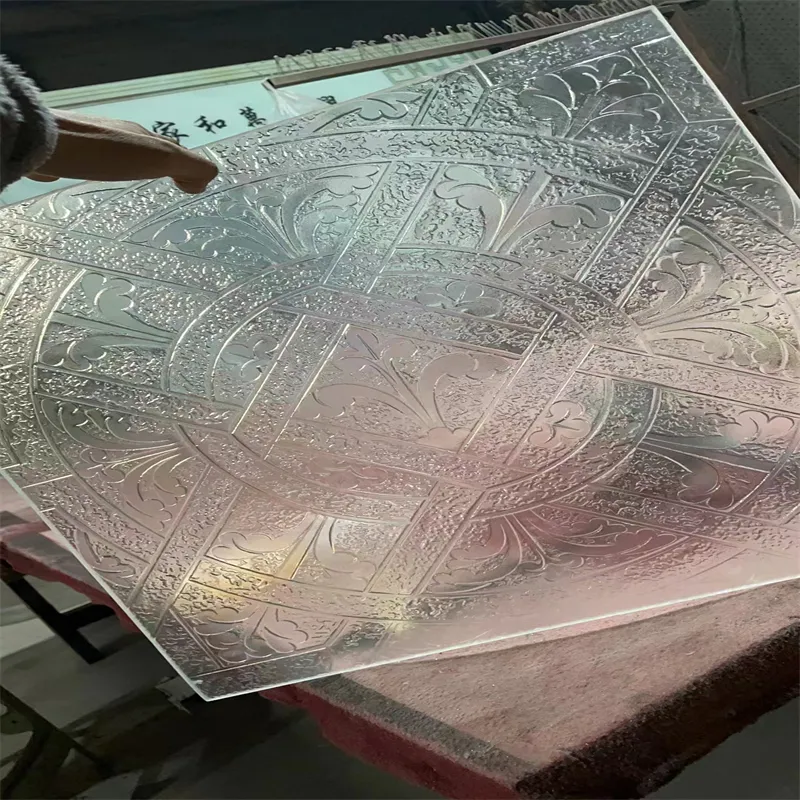
The frosted effect of specific areas and specific patterns on the glass surface generally requires manual sandblasting to achieve. First, a special film needs to be affixed to the glass surface, and then a laser engraving machine is used to carve the required pattern or logo on the film. Peel off the protective film from the laser engraved area and use a sandblasting gun to blast away at the area. In order to prevent sand from splashing everywhere during processing, the sandblasting process needs to be completed in a sandblasting cabinet or booth. After the sandblasting is completed, the remaining protective film on the glass surface is removed and we have a sandblasted glass masterpiece.
Sandblasted glass provides an excellent balance between privacy and light transparency. The frosted surface obscures direct visibility while still allowing natural light to pass through, making it ideal for areas where privacy is needed without sacrificing brightness.
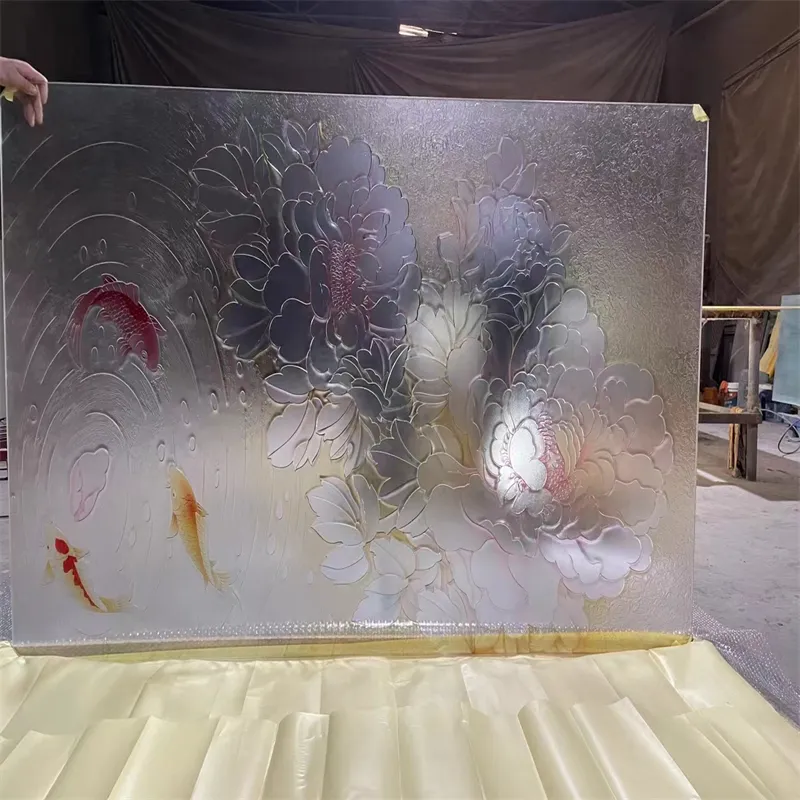
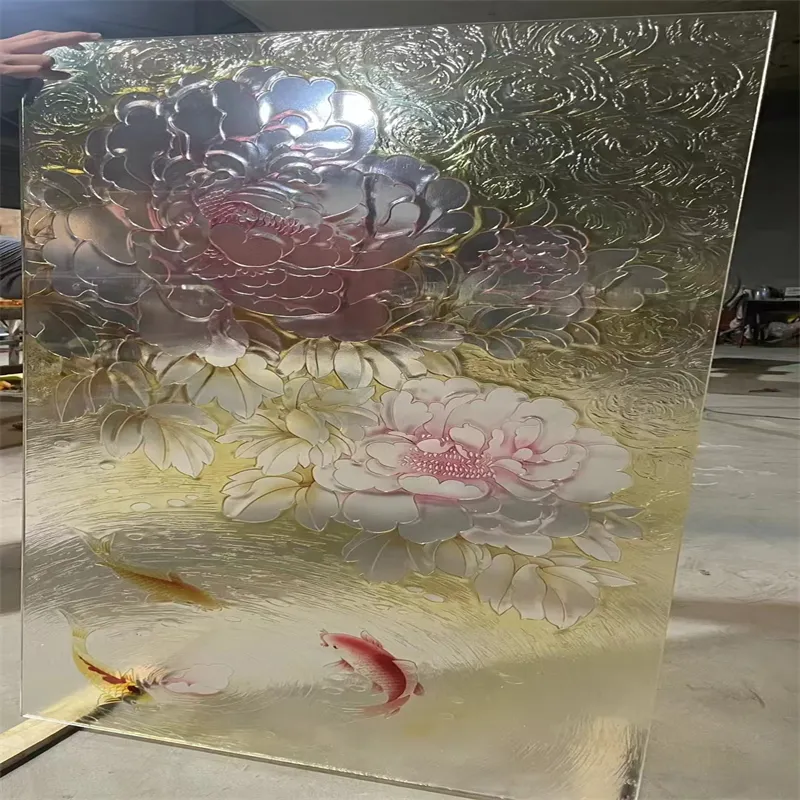
The matte surface of sandblasted glass presents a high-end visual aesthetic. Different patterns with different colors can upgrade sandblasted glass from a piece of ordinary glass to a perfect glass art.
Compared with ordinary glass, the frosted surface of sandblasted glass can diffusely reflect light and play an anti-glare role, thereby improving the visual experience.
The tiny rough particles on the surface of sandblasted glass are wear-resistant and scratch-resistant. Even if it is used for a long time, its frosted surface will not be corroded or peeled off.
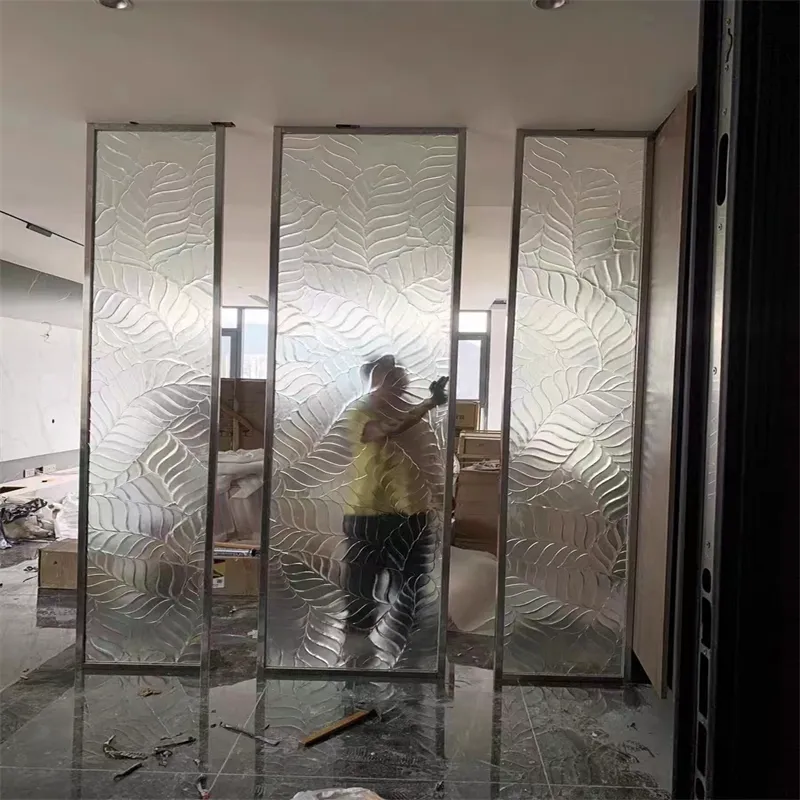
Room dividers
Art glass
Shower enclosures
Tabletops, cabinet doors, and shelving.
Decorative panels
Facades
Windows and doors
Skylights
Signage, partitions, and conference room walls
Other places that need to use sandblasted glass
Cut to size
Edge grinding
Sandblasted glass tempering
Custom patterns
Mirror glass sandblasting
Tinted glass sandblasting etc.
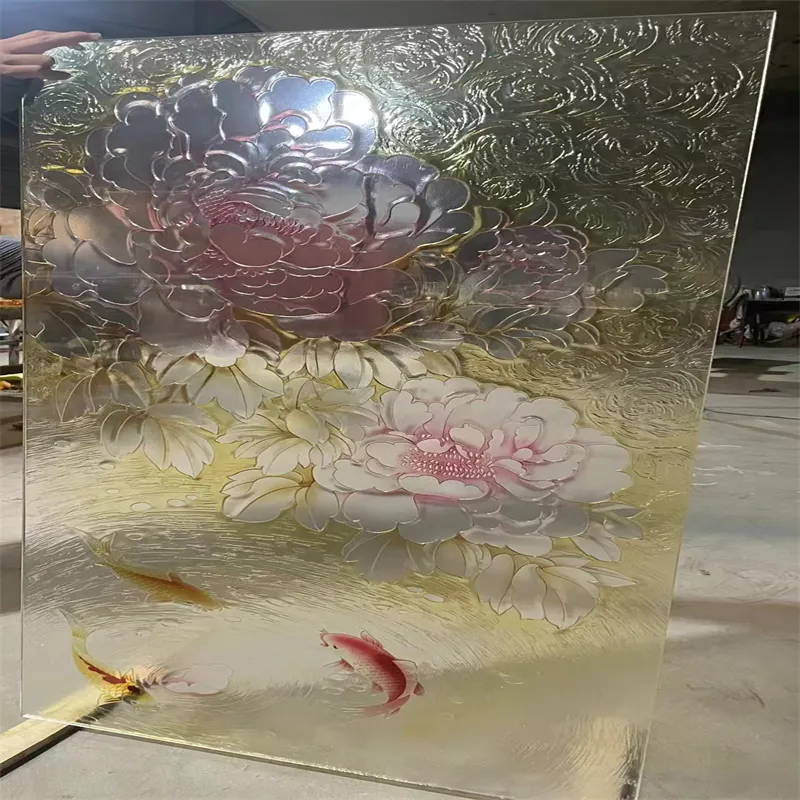
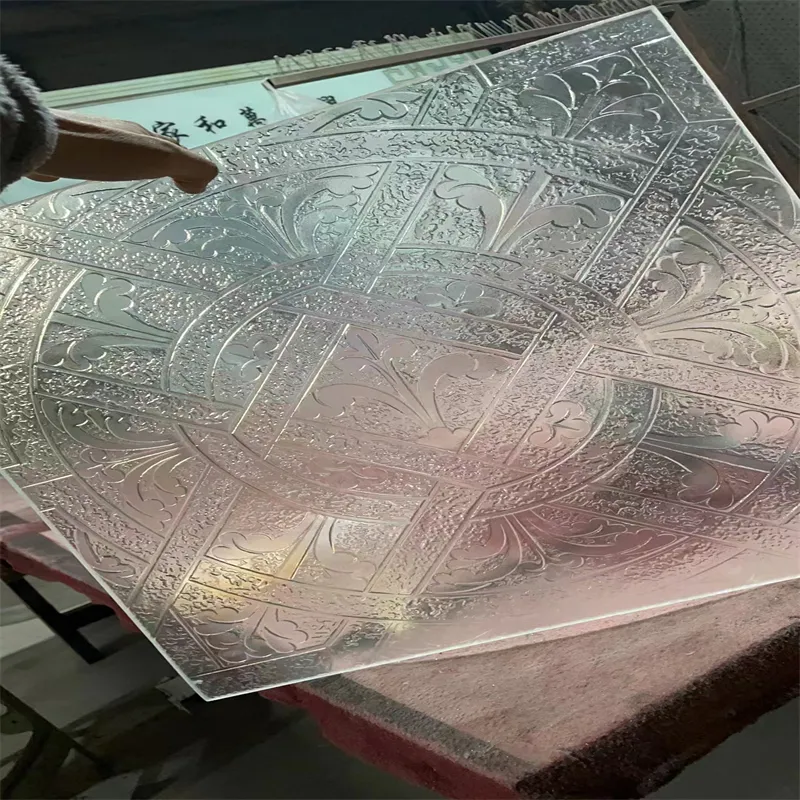
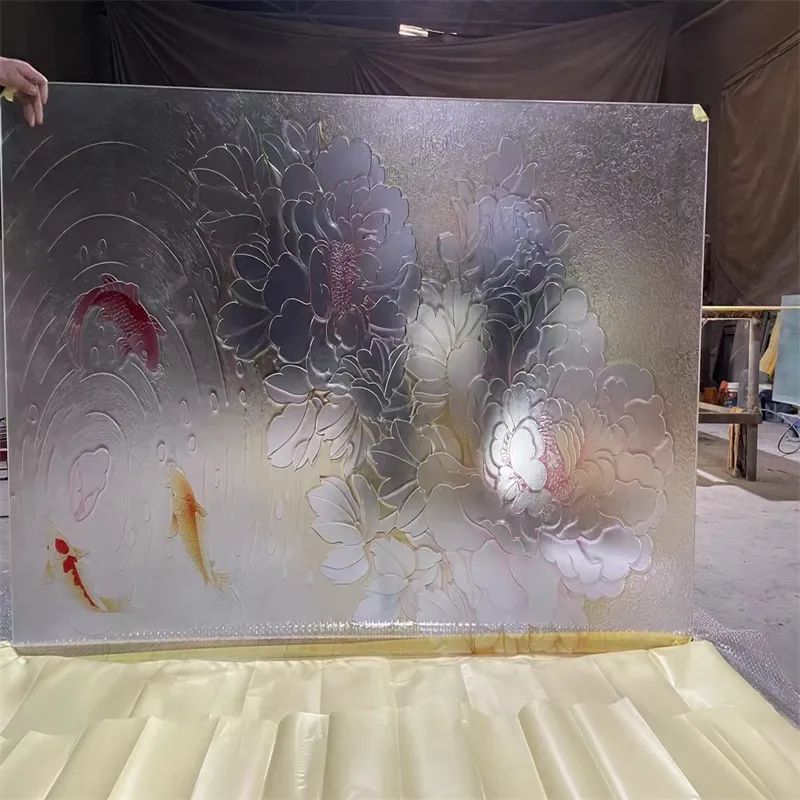
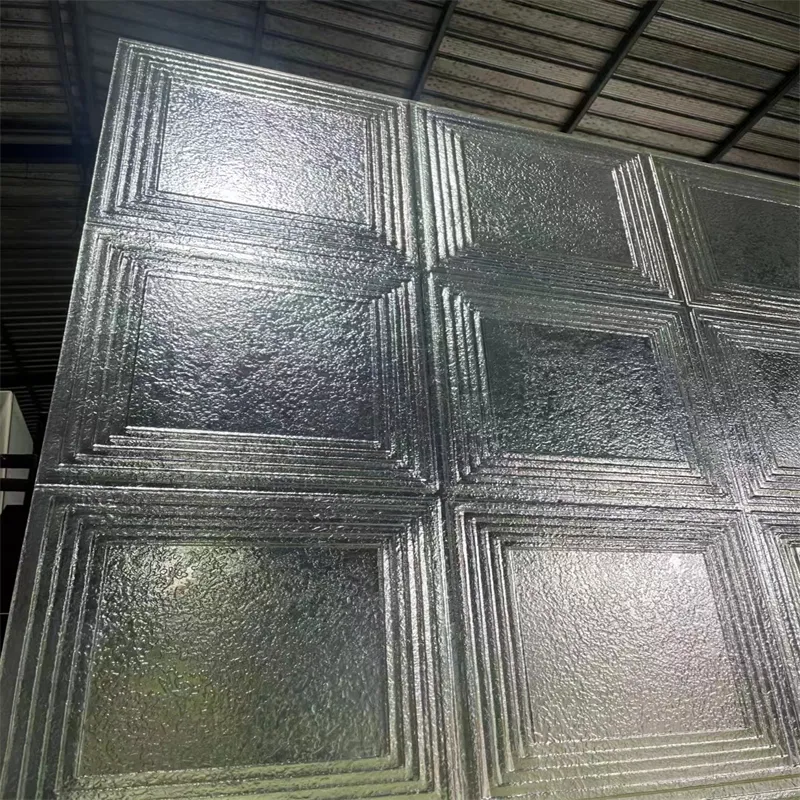
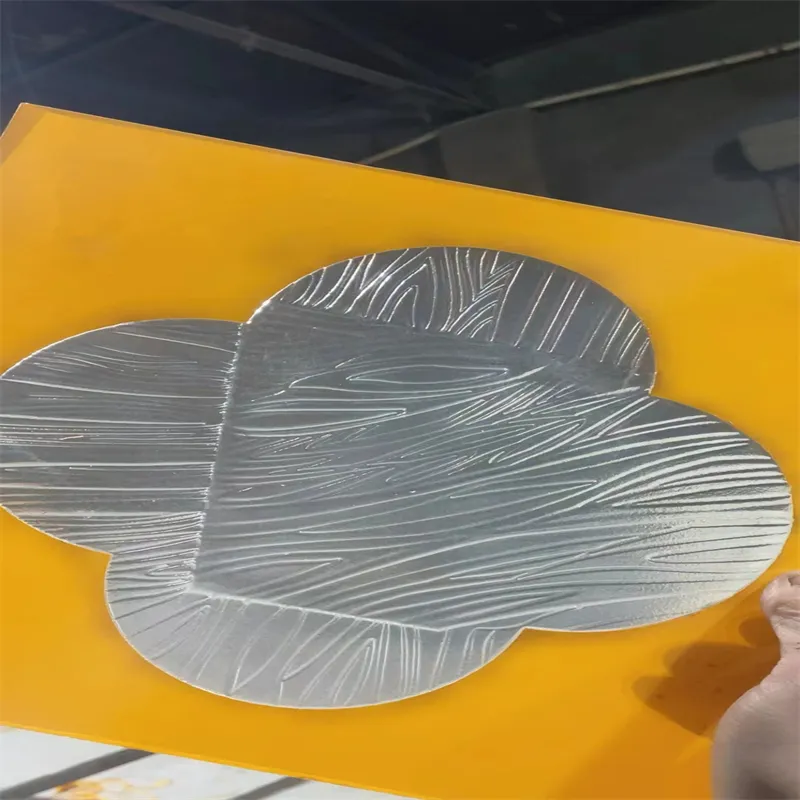
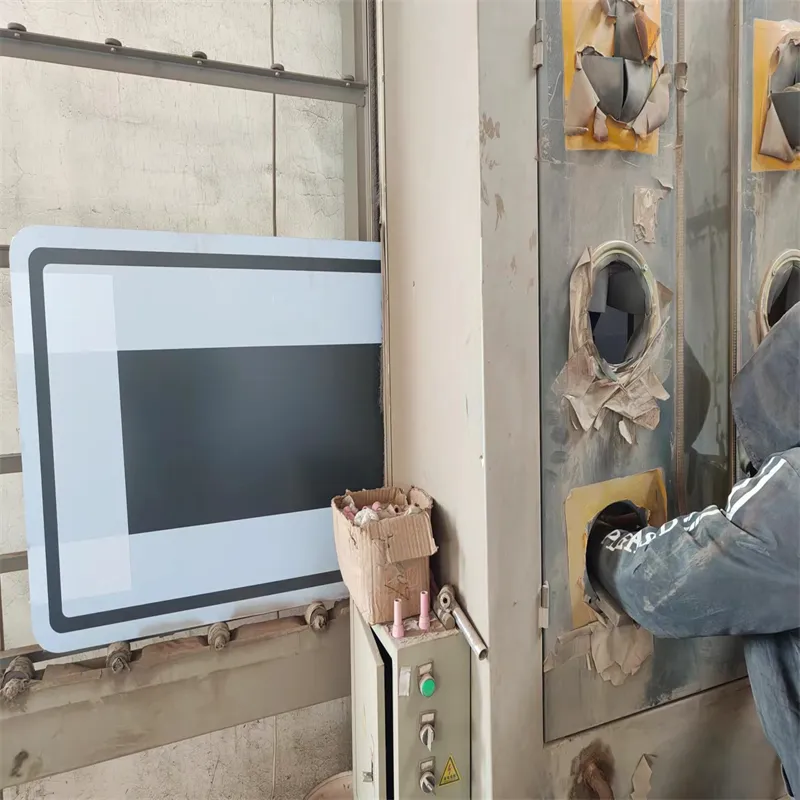
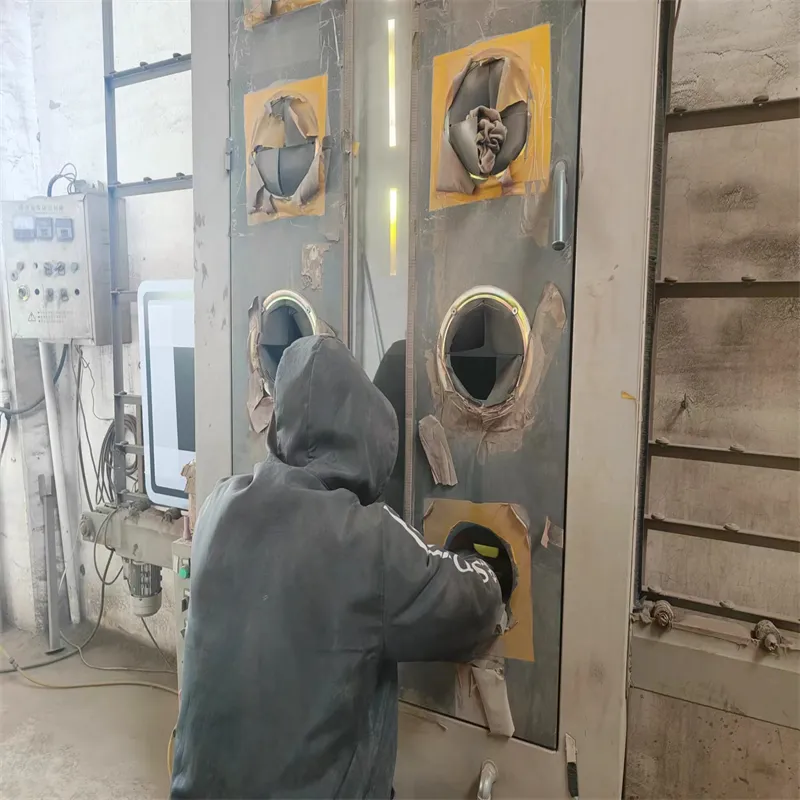
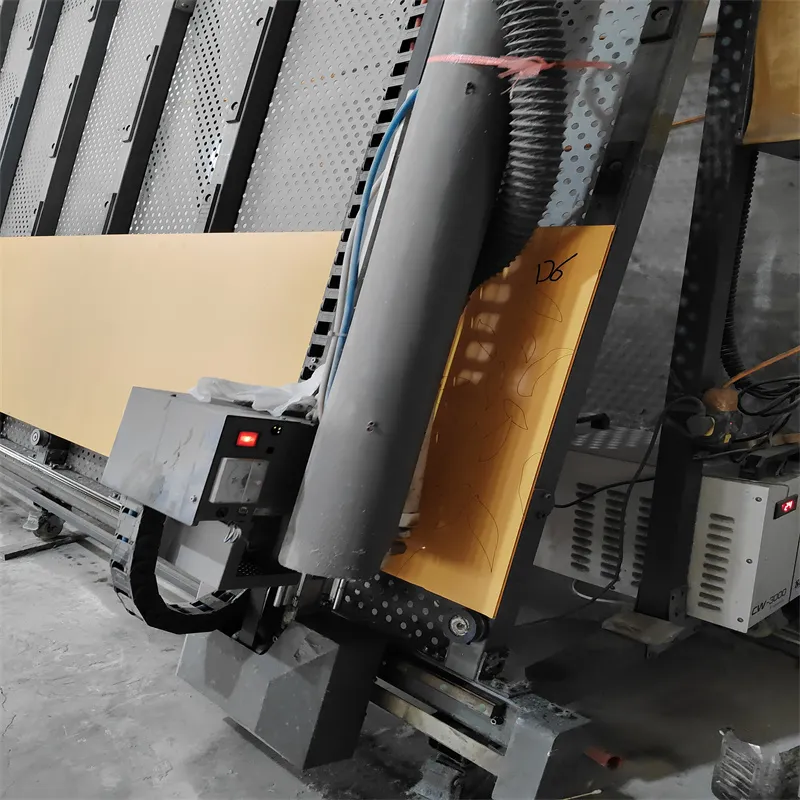
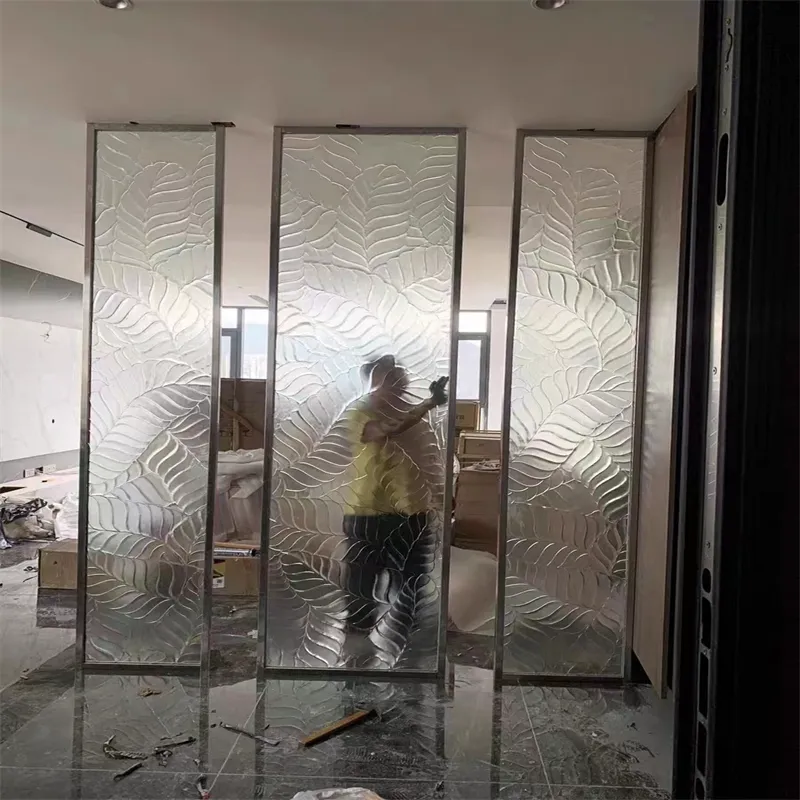
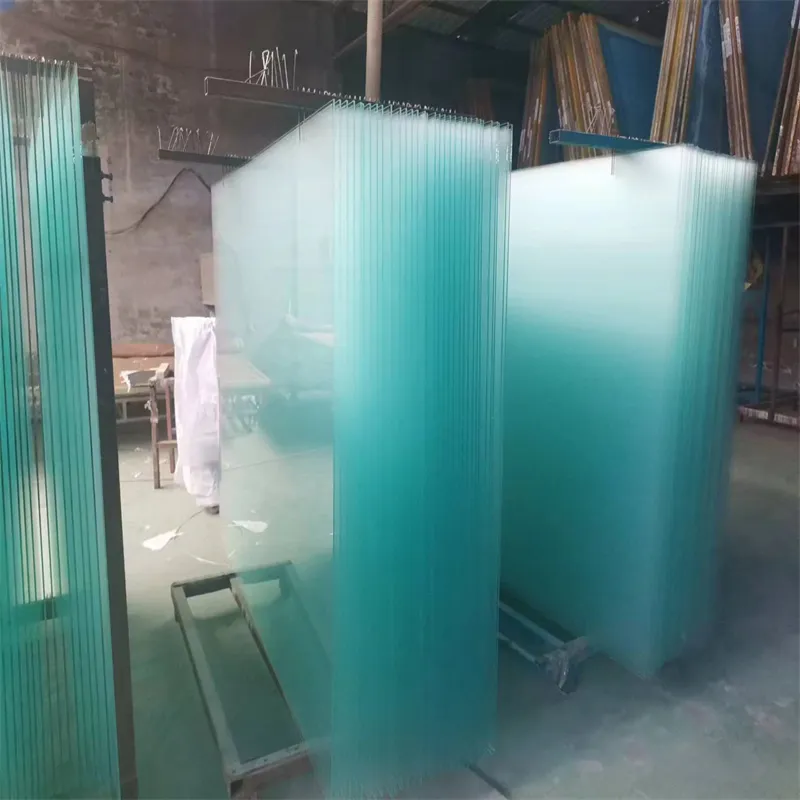
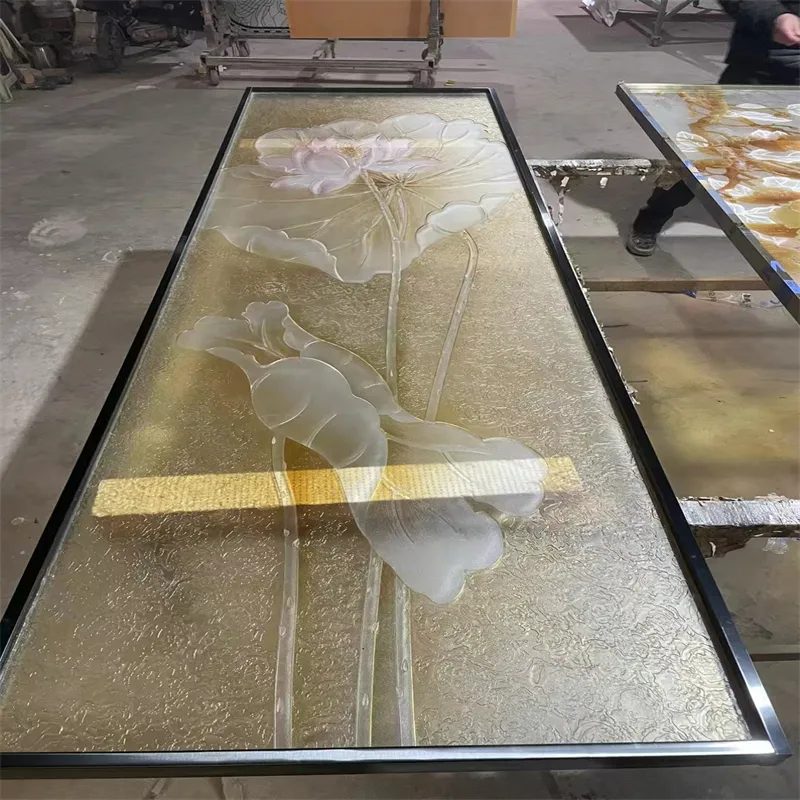
custom sandblasted glass
sandblasted glass design
sandblasted glass panels
satin sandblasted glass
-
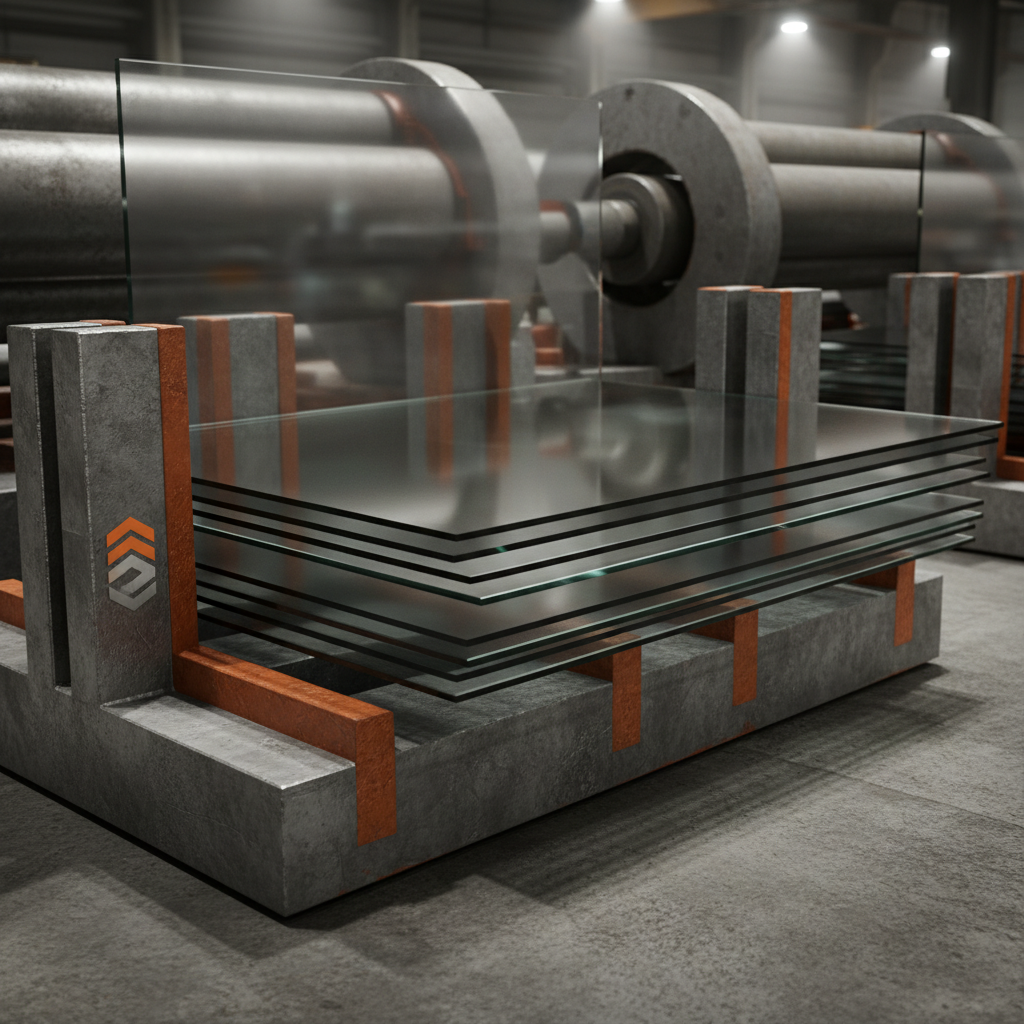 16Apr
16AprPremium High Quality Float Glass for Sale and Glass Solutions
When sourcing materials for modern architecture or interior design, finding reliable float glass for sale is essential for achieving both aesthetic brilliance and structural integrity. Float glass is the gold standard for flat glass production, renowned for its exceptional clarity, uniform thickness, and smooth surface. Whether you are a contractor, a furniture manufacturer, or a homeowner, understanding the nuances of this material ensures you get the best value for your investment. In this guide, we will explore everything from technical specifications to the best ways to source high-grade glass for your next project.
learn more -
 09Apr
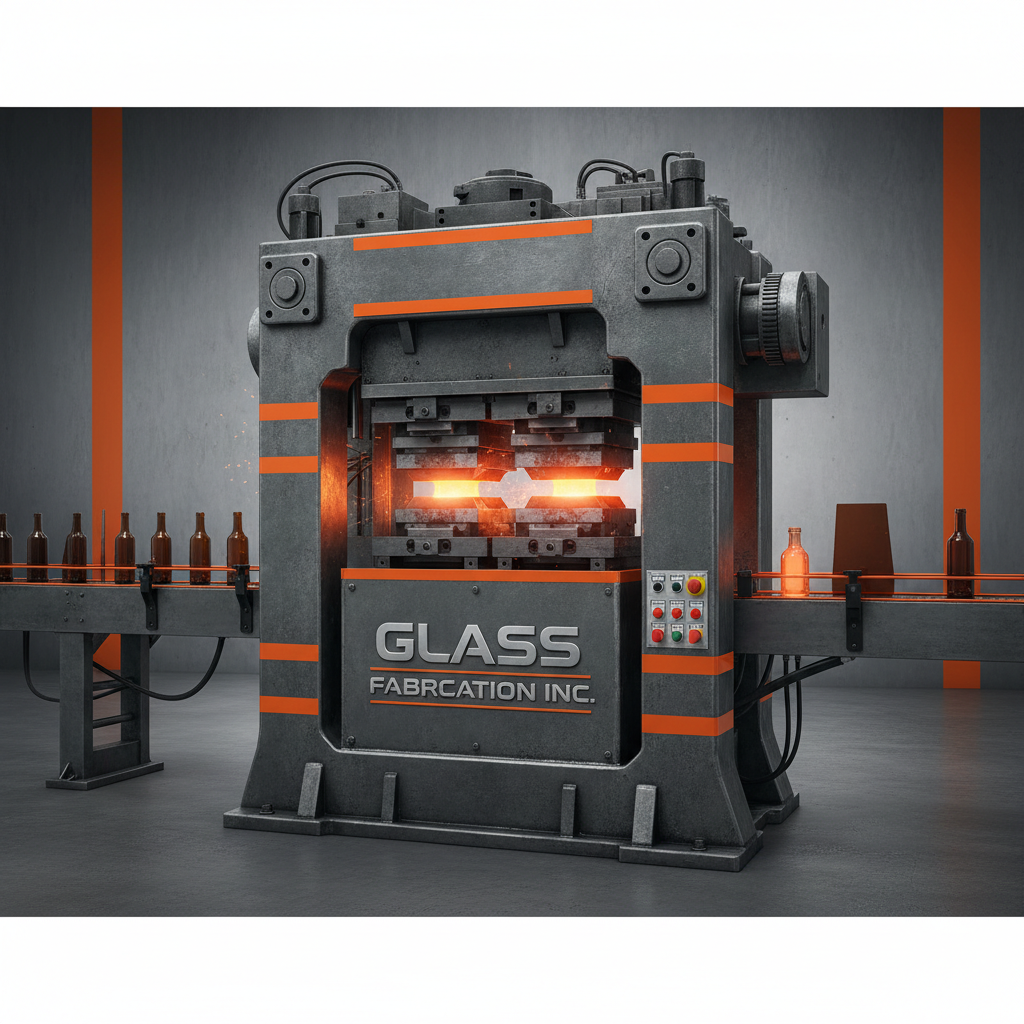
09AprGuide to Choosing a Professional glass fabrication inc for Projects
Finding a reliable glass fabrication inc is essential for any project that requires precision, safety, and aesthetic excellence. Whether you are an architect designing a modern skyscraper, a contractor renovating a luxury home, or a business owner upgrading commercial storefronts, the quality of glass fabrication determines the longevity and safety of the structure. Modern glass processing has evolved beyond simple cutting, now incorporating advanced tempering, frosting, and insulating technologies. In this guide, we will explore the critical factors in glass fabrication and how to partner with a manufacturer that ensures industrial-grade quality and flawless execution.
learn more -
 07Apr
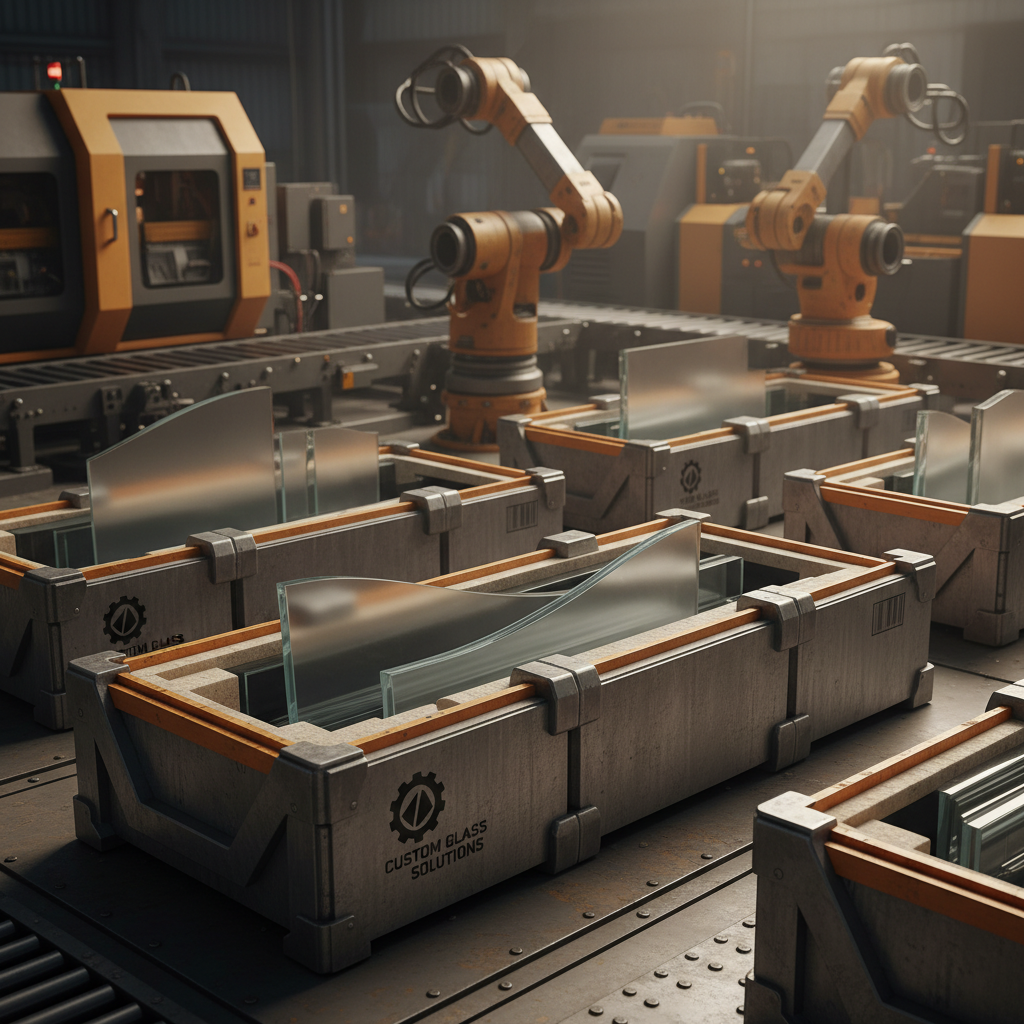
07AprComprehensive Guide to Custom Glass Fabrication and its Diverse Applications
When it comes to specialized projects, custom glass fabrication is often the only solution. Whether it's for architectural designs, unique furniture pieces, or specialized industrial applications, tailored glasswork offers precision and aesthetic appeal. This article delves into the world of custom glass fabrication, exploring its processes, applications, and the benefits of choosing a dedicated provider like Mirror Glass Factory.
learn more


