
0%

Table of Contents

19mm float glass – it's more than just a sheet of glass, believe me. I’ve spent years on site, watching projects rise from the ground, and you quickly learn the foundation pieces are the most critical. This thickness, 19mm, it’s a sweet spot. Enough strength for serious structural applications, enough clarity for demanding aesthetics, and it doesn't break the bank like some of the thicker options. It’s become a go-to for architects and engineers who need reliability without a crazy price tag.

We’re talking about a material that’s fundamentally changing how we build, especially when you factor in prefabrication and modular construction. I've seen the speed improvements firsthand, moving away from traditional methods. It impacts everything from delivery times to on-site waste reduction. And these aren't just theoretical benefits; they translate directly to cost savings and more efficient project timelines.

Honestly, from a practical standpoint, the consistency is what gets me. You know what you're getting with 19mm float glass. No nasty surprises, no hidden flaws. That predictability is huge when you’re juggling hundreds of different trades and tight deadlines. It just makes my job – and everyone else's on site – a whole lot easier.
The Versatility and Importance of 19mm Float Glass in Modern Building Projects

The Importance of 19mm Float Glass in Modern Construction

The Versatility and Importance of 19mm Float Glass in Modern Building Projects

19mm float glass isn’t just about windows anymore. Modern construction is leaning heavily on its structural capabilities. We're seeing it used in everything from curtain walls and balustrades to entire prefabricated units. Globally, the demand for safer, more energy-efficient buildings is driving this trend. According to the UN, urbanization rates are increasing rapidly, particularly in developing nations, which means a huge need for efficient building materials.

The real challenge right now is maintaining a consistent supply. The global supply chain has been… bumpy, to say the least. Raw material costs fluctuate, and transportation delays are a constant headache. Staying on top of these logistical issues is critical to keeping projects on schedule and within budget. It's not enough to just specify the material; you need to understand where it’s coming from and how reliably it will arrive on site.

Global Demand and Supply Chain Considerations

The demand for 19mm float glass isn't localized. It's a global story. China, India, and Southeast Asia are massive consumers, fueled by their rapid infrastructure development. Even in established markets like North America and Europe, there’s a growing demand driven by renovation projects focused on energy efficiency. The ISO standards for glass quality are becoming stricter, and that’s pushing manufacturers to up their game.

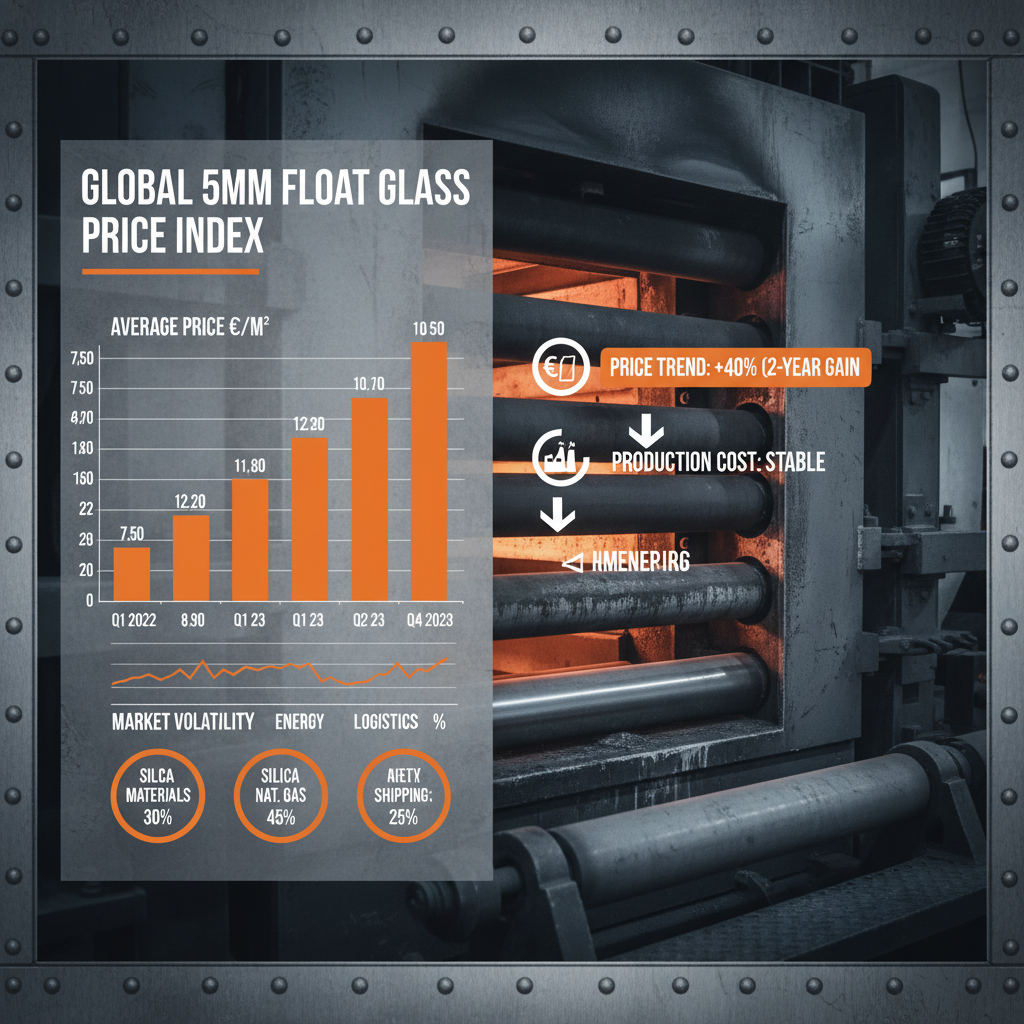
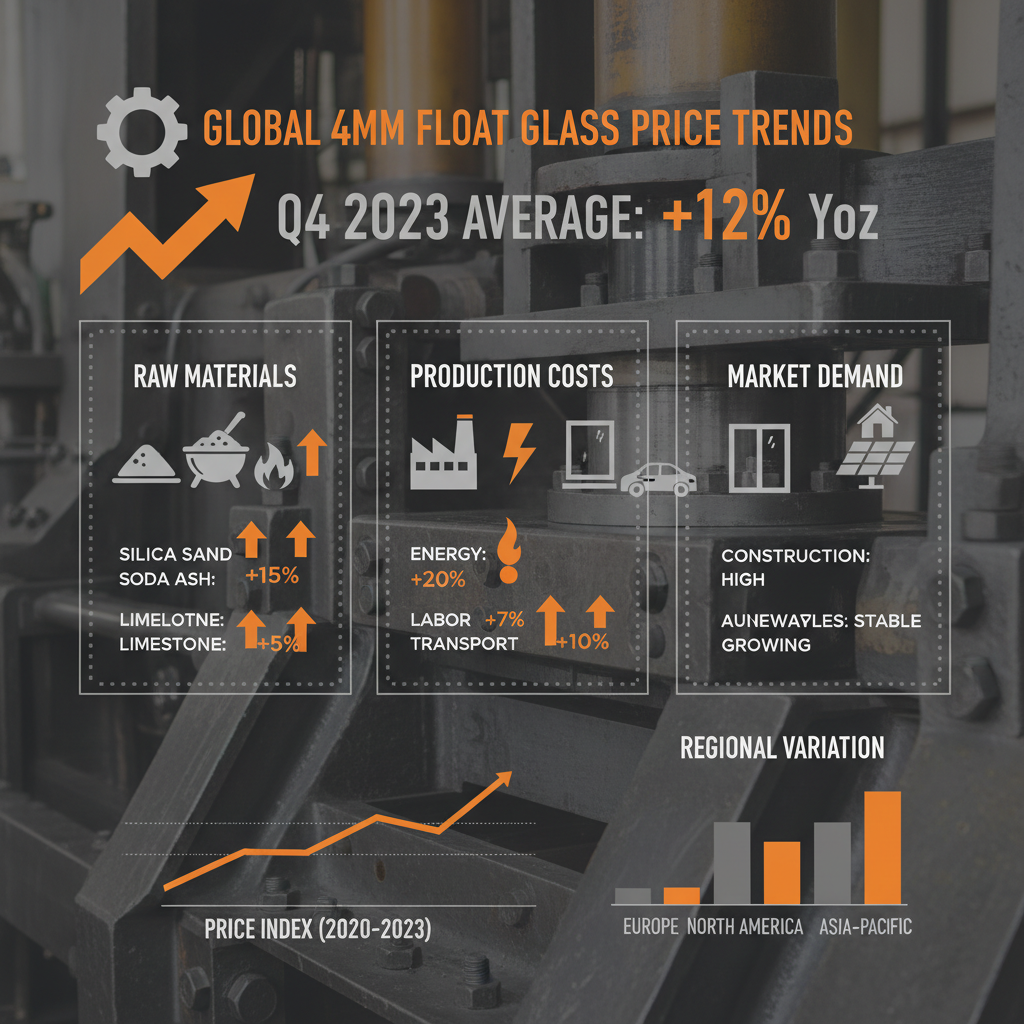
That global demand puts serious pressure on the supply chain. We’ve seen price volatility due to energy costs, particularly natural gas, which is heavily used in glass production. There's also the issue of silica sand sourcing, a key ingredient. Finding sustainable and reliable sources is becoming increasingly important.

The impact of geopolitical events can't be ignored either. Trade tariffs and political instability in key producing regions can disrupt supply lines and drive up costs. Diversifying suppliers and building strong relationships with manufacturers are essential strategies for mitigating these risks.

Defining 19mm Float Glass: Composition and Manufacturing

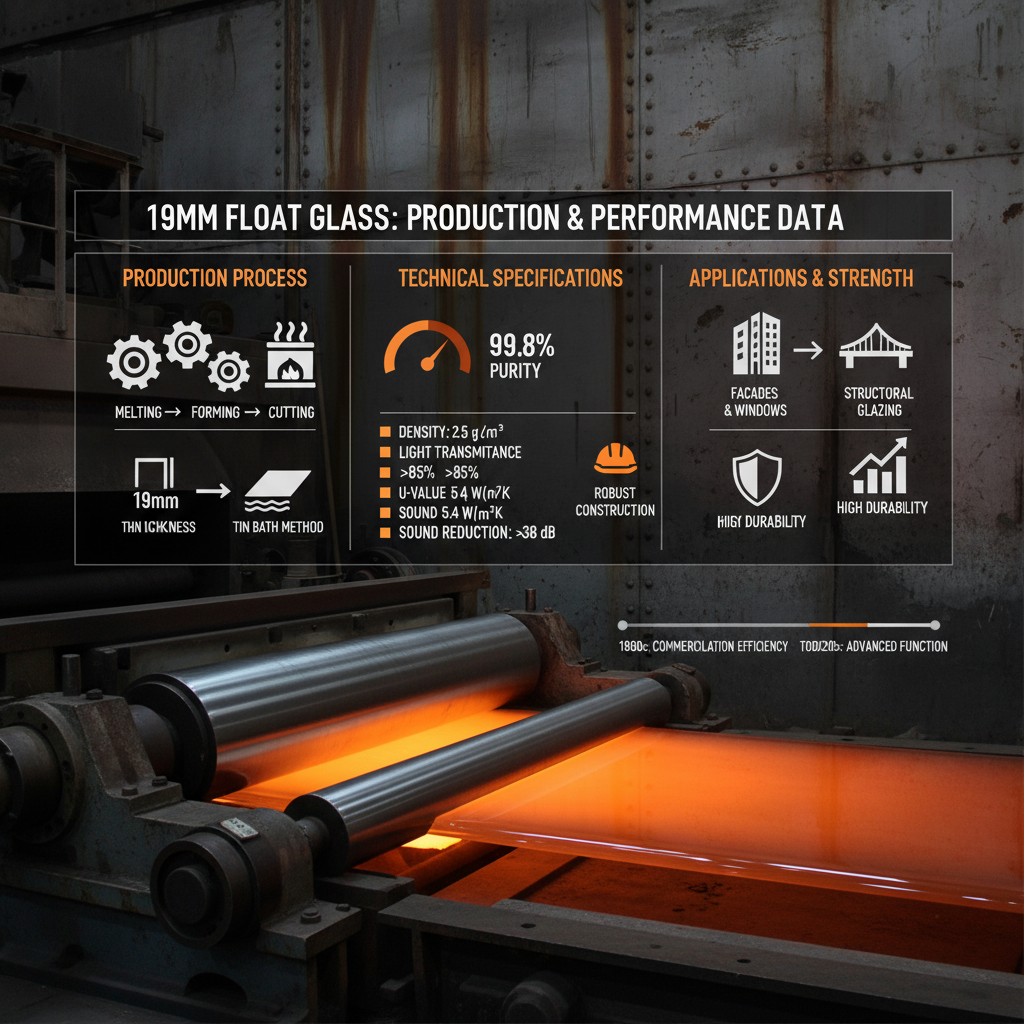
At its core, 19mm float glass is silica-based, with additions of soda ash, lime, and other stabilizing compounds. The ‘float’ process is what sets it apart – molten glass is floated on a bed of molten tin, creating a perfectly flat surface. That 19mm refers to the thickness, which is crucial for its strength and insulating properties. It's the industry standard for many structural glazing applications.

The manufacturing process isn’t just about melting and floating. Quality control is paramount. There’s constant monitoring of temperature, composition, and surface imperfections. Any flaws can compromise the structural integrity of the glass. That’s why I always look for manufacturers with robust quality assurance programs and certifications. You need to know the glass can handle the load.

There’s also the matter of different glass types within the 19mm category. You can get annealed, tempered, laminated, or insulated glass, each with its own specific properties and applications. Understanding the differences is key to selecting the right glass for the job. You don't want to specify tempered glass when you need laminated for safety, for instance.

Key Properties Influencing Performance

Durability is the first thing that comes to mind when you’re dealing with 19mm float glass. That thickness gives it a significant resistance to impact, wind loads, and thermal stress. Then you've got its thermal performance. It's a decent insulator on its own, but it really shines when used in insulated glass units (IGUs).

The optical clarity is also critical. You need glass that allows maximum light transmission without distortion. That’s particularly important in commercial buildings where natural light is valued. And of course, there’s safety. 19mm glass, especially when laminated, offers a high degree of safety in case of breakage, reducing the risk of injury.

19mm Float Glass Performance Metrics


Applications Across Diverse Industries

We’re seeing 19mm float glass pop up everywhere. Obviously, it's huge in the construction industry – curtain walls, storefronts, interior partitions. But it’s also used extensively in automotive manufacturing for windshields and side windows, and in the solar energy sector for photovoltaic panels.

I’ve even seen it used in specialized applications like aquariums and display cases. Its clarity and strength make it ideal for those types of environments. In post-disaster relief operations, quick-assembly shelters using 19mm glass panels are becoming more common – offering a safer and more durable alternative to traditional tents.

Long-Term Value Proposition and Cost Analysis

The initial cost of 19mm float glass is higher than thinner options, that’s a fact. But you have to look at the total cost of ownership. Its durability translates into lower maintenance costs and a longer lifespan. It reduces the need for frequent replacements, saving money in the long run.

And don't underestimate the energy savings. Improved thermal insulation reduces heating and cooling costs, leading to significant long-term savings. That’s a huge selling point for building owners and developers. Plus, the increased safety it provides contributes to reduced insurance premiums and a more secure environment.

Future Trends and Innovations in 19mm Float Glass Technology

The industry is constantly innovating. We’re seeing developments in self-cleaning glass coatings, which reduce maintenance and improve aesthetics. There's also research into dynamic glass technologies that can adjust their tint based on sunlight levels, further enhancing energy efficiency.

Smart glass integration is another exciting area. Imagine glass that can display information or integrate with building automation systems. And of course, sustainability is a major driver. Manufacturers are exploring ways to reduce the carbon footprint of glass production, using recycled materials and renewable energy sources.

The move towards more prefabricated and modular construction is going to continue driving demand for high-quality, durable glass like 19mm float glass. It's a material that’s well-positioned to play a key role in the future of building.

Analysis of Emerging Trends in 19mm Float Glass Application

Trend Category Implementation Difficulty (1-10) Cost Impact (Low/Medium/High) Potential ROI (%)
Self-Cleaning Coatings 5 Medium 15
Dynamic Tinting Glass 8 High 20
Smart Glass Integration 9 High 25
Recycled Glass Production 6 Low 10
Prefabricated Glass Units 4 Medium 18
Enhanced Thermal Insulation 7 Medium 12

FAQS

What is the typical lead time for ordering 19mm float glass in large quantities?

Lead times for 19mm float glass can vary significantly based on the supplier, the quantity ordered, and current market conditions. Generally, you're looking at anywhere from 4 to 8 weeks, but it can be longer during periods of high demand or supply chain disruptions. It's crucial to get a firm quote and delivery schedule upfront, and to factor in potential delays when planning your project. Don’t underestimate this; it can throw your entire schedule off. We always recommend placing orders well in advance, especially for large-scale projects.

How does 19mm float glass compare to laminated glass in terms of safety?

Both 19mm float glass and laminated glass offer increased safety compared to thinner glass, but they do so in different ways. 19mm float glass, due to its thickness, is more resistant to breakage from impact. However, if it does break, it will shatter into large, sharp pieces. Laminated glass, on the other hand, consists of two or more layers of glass bonded together with an interlayer. If it breaks, the glass fragments remain adhered to the interlayer, reducing the risk of injury. For applications where safety is paramount, laminated glass is generally the preferred choice.

What is the typical cost per square meter of 19mm float glass?

The cost of 19mm float glass fluctuates based on market conditions, the supplier, and the specific requirements (e.g., tempering, laminating). As of today, you can expect to pay roughly between $40 and $80 per square meter, but this is a rough estimate. Larger orders generally qualify for discounts. It's always best to request a detailed quote from multiple suppliers to compare prices and ensure you’re getting a competitive rate. Don't forget to factor in delivery costs as well.

Can 19mm float glass be tempered or laminated after it's been cut to size?

Yes, absolutely. 19mm float glass can be both tempered and laminated after being cut to the desired size and shape. In fact, it’s often preferred to cut the glass before tempering or laminating, as these processes can be more difficult and costly after the fact. However, it’s important to work with a reputable fabricator who has the necessary equipment and expertise to ensure the processes are carried out correctly and the glass meets the required safety standards. Mistakes here can be extremely costly.

What are the recommended cleaning and maintenance procedures for 19mm float glass?

Cleaning 19mm float glass is fairly straightforward. Use a mild detergent and warm water, and apply with a soft cloth or sponge. Avoid abrasive cleaners, as these can scratch the surface. For stubborn stains, a glass cleaner specifically designed for architectural glass can be used. Rinse thoroughly with clean water and dry with a lint-free cloth. Regular cleaning will help maintain the clarity and appearance of the glass over time. Avoid harsh chemicals; they can etch the surface.

Is 19mm float glass a sustainable building material?

Glass production is energy-intensive, but 19mm float glass can contribute to sustainable building practices. Its durability and long lifespan reduce the need for replacements, minimizing waste. It can improve energy efficiency when used in IGUs, reducing heating and cooling costs. Additionally, manufacturers are increasingly using recycled glass cullet in the production process, reducing their reliance on virgin materials. Choosing glass from companies with sustainable practices further enhances its eco-friendliness.

Conclusion

19mm float glass isn’t just a material; it's a cornerstone of modern construction. From its inherent strength and clarity to its role in energy efficiency and safety, it delivers long-term value that extends far beyond the initial cost. We've seen it adapt to evolving industry needs, from prefabricated builds to advanced glazing technologies. It’s a reliable player that just works.

Looking ahead, the continued innovation in glass technology – self-cleaning coatings, dynamic tinting, and increased use of recycled materials – will only enhance its appeal. If you’re serious about building quality, sustainable structures, understanding the benefits of 19mm float glass is absolutely essential. For more information and to discuss your specific project requirements, visit our website: www.mirrorglassfactory.com

William Carter

William Carter

William Carter is our dedicated Quality Control Supervisor. He brings a meticulous eye to every stage of the glass fabrication process. William oversees rigorous inspection procedures, utilizing advanced measurement tools and visual assessment to guarantee our glass meets the highest standards of clarity, strength, and dimensional accuracy. He is proficient
Previous The Versatility and Reliability of 2mm Clear Float Glass in Modern Applications
Next Essential Guide to Buy Float Glass for Construction and Beyond