

Ceramic Fritted Glass
Ceramic Frit Glass Specification
Roller coating method
Silk-screen printing method
Digital printing method
Manual drawing method
Unlike back-painted glass, ceramic fritted glass has excellent color stability and will not fade even after decades of use. This is a very important reason why it is favored by designers.
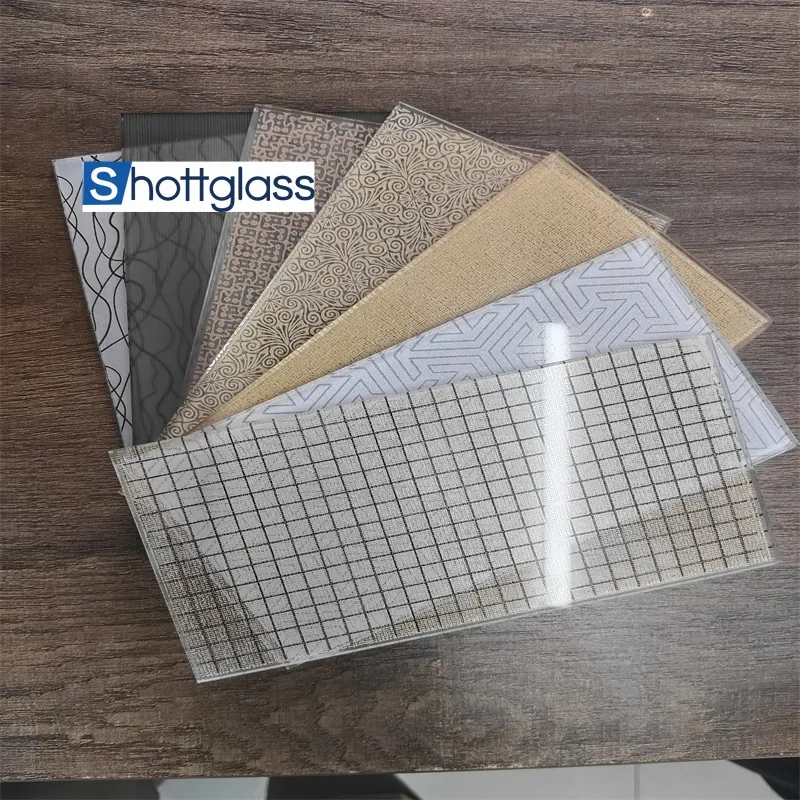
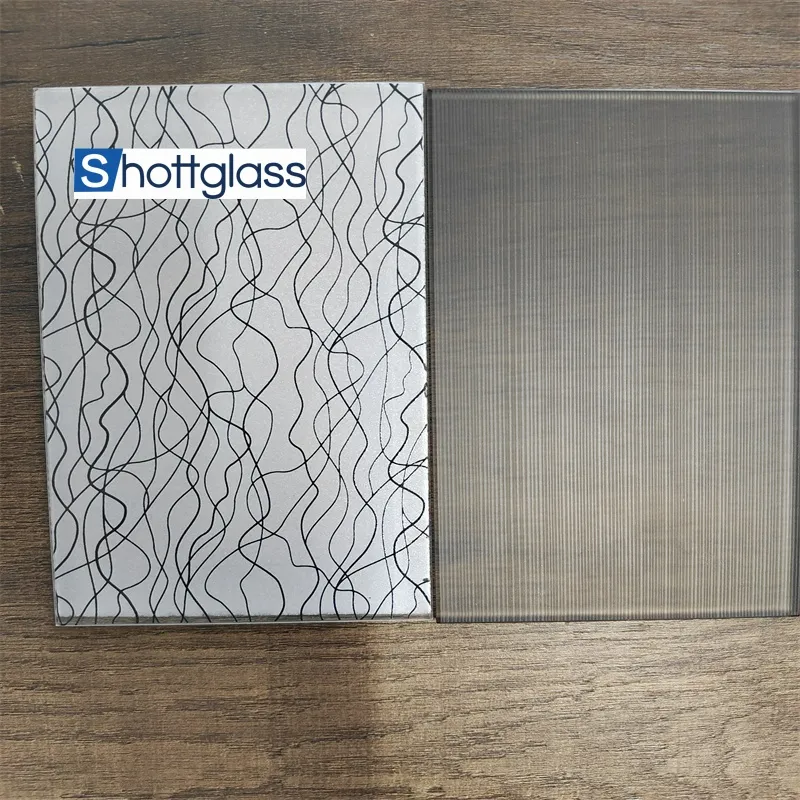
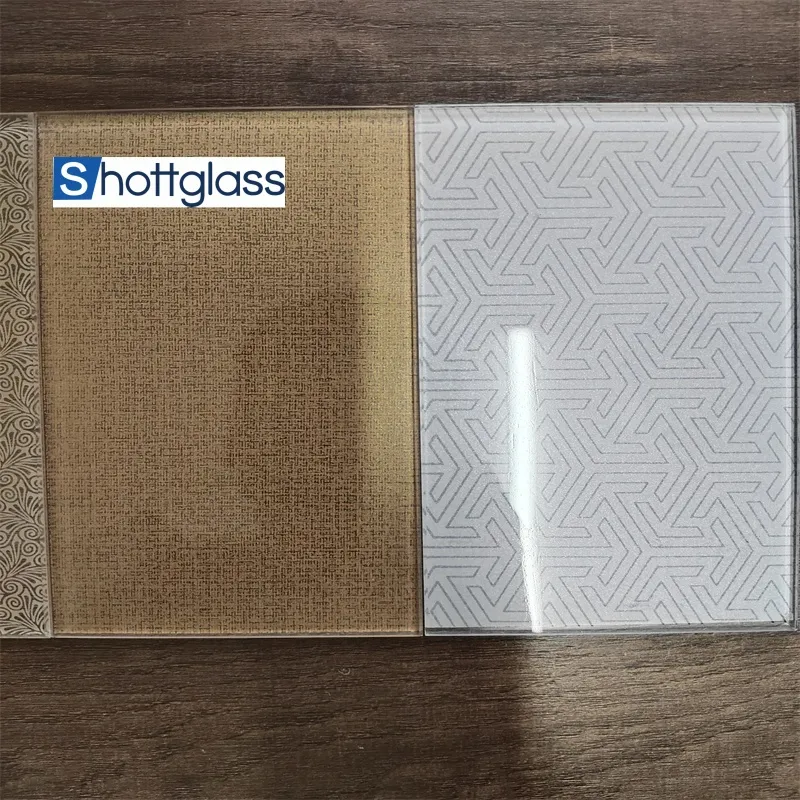
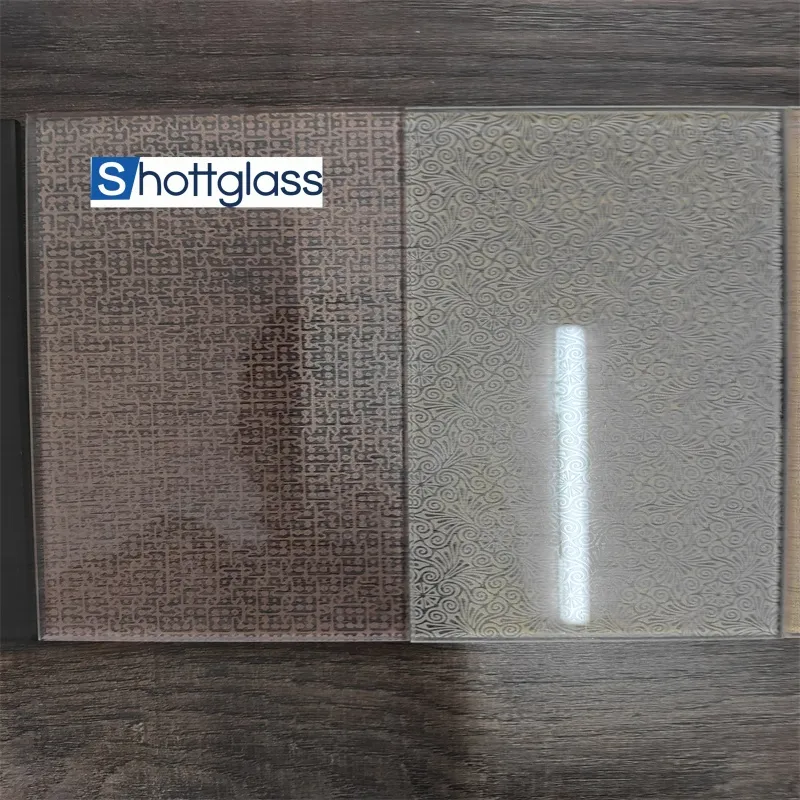
As people's needs and aesthetics continue to improve, architectural designers have created ceramic fritted glass with different styles and patterns. There are dot, line, and block patterns that represent a simple style, and there are also complex patterns such as marble and wood grain that represent a luxurious style. Ceramic fritted glass of different styles can show a special beauty when applied to buildings in different fields.
After high temperature or tempering treatment, the ceramic frit and glass surface are integrated, making ceramic fritted glass extremely durable. The ceramic frit coating is not only scratch-resistant and permanent, it also has unparalleled performance in corrosion resistance.
In addition to privacy protection and beautiful patterns, ceramic fritted glass also helps improve energy efficiency. By changing its pattern and opacity, we can make it block sunlight, effectively controlling solar heat and preventing glare.
The ceramic frit paints we use do not contain harmful substances, such as VOCs, and are made from environmentally friendly glass that is harmless to the human body.
As a multifunctional and multi-purpose glass product that ceramic fritted glass is widely used in commercial and residential buildings. Include as following applications:
Ceramic fritted glass can be made into insulated or laminated glass and installed on the facade of a building, which not only presents the visual beauty, but also provides practical value of high efficiency and energy saving.
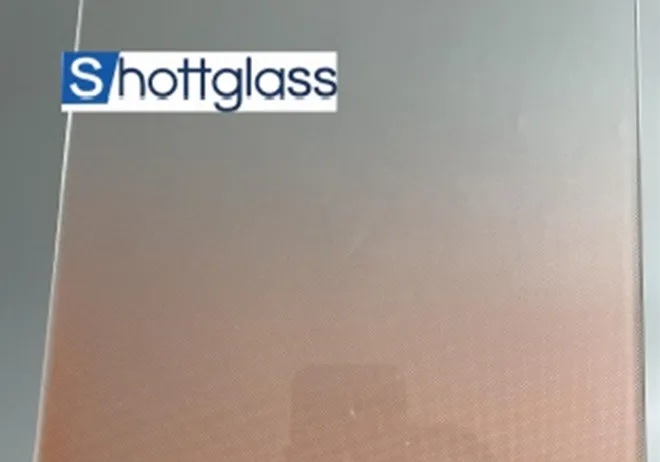
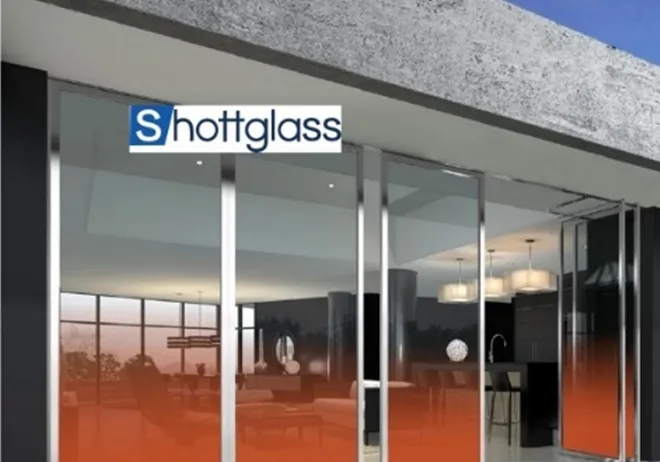
Trendy patterns combined with safety features make ceramic fritted glass a good choice for interior partition applications.
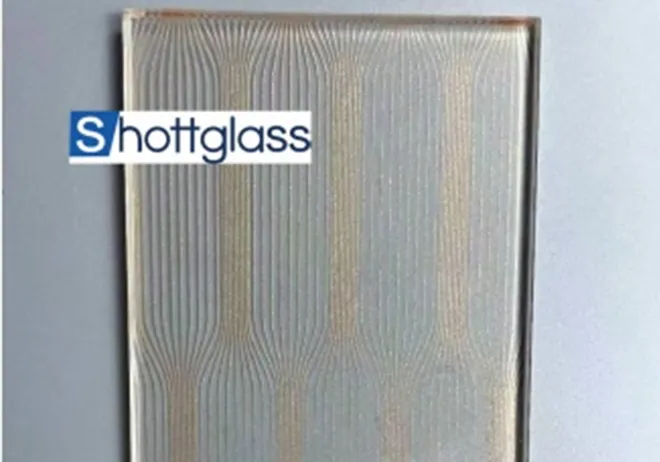
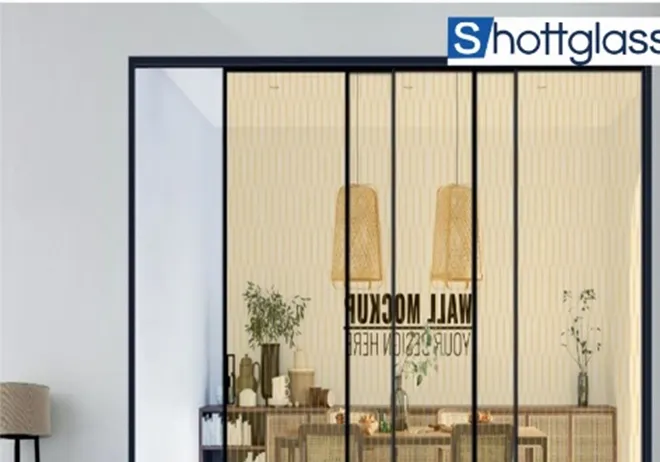
In recent years, this type of glass has been increasingly used to make furniture panels, such as kitchen cabinet doors, wardrobe doors, TV cabinets, tabletops, and so on.
Other applications, such as signage and decorative glass panels, balustrades and railings, skylights and roof glazing, etc.
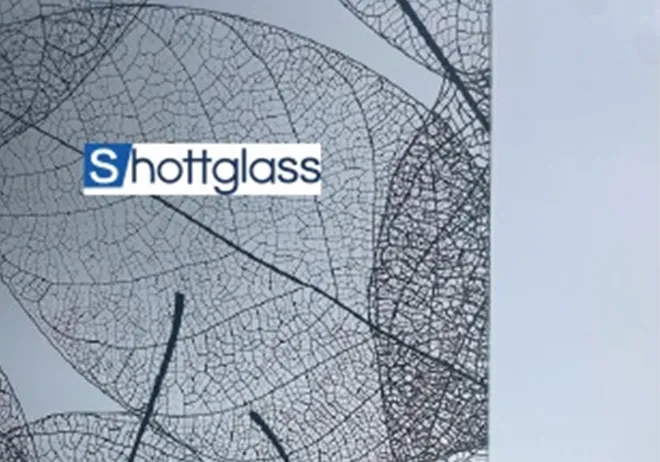
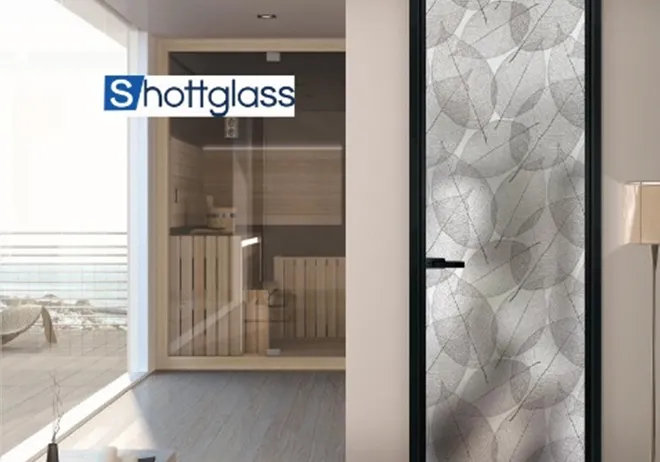
We provide a series of solutions for ceramic fritted glass, including pattern design, color customization, function optimization, etc. Professional designers, skilled workers, and advanced production equipment are our guarantee for providing customers with high-quality products and services. Choose ShottGlass, choose the best ceramic fritted glass. Following are the specific capabilities:
Colors and patterns custom
Glass cut to size
Edge polishing
Glass Tempering
Glass Laminating
Just contact us and get more services about ceramic fritted glass.
Why Use Ceramic Fritted Glass from ShottGlass?
Choosing ceramic fritted glass from ShottGlass is one of the smartest decisions for architects, builders, and project managers who want both long-term performance and visually appealing design. ShottGlass is recognized for its high-precision glass engineering, consistent product quality, and strict manufacturing standards, making it a preferred special glass factory in global architectural projects. One of the key reasons customers choose ShottGlass is the exceptional balance between durability, customization possibilities, and project-friendly costs—especially for buyers who carefully evaluate the ceramic frit glass price before confirming large-scale orders.
ShottGlass uses advanced ceramic frit printing technology that fuses the frit material directly onto the glass surface during tempering. This process ensures that the frit becomes a permanent part of the glass, delivering superior resistance against UV radiation, fading, scratching, and environmental wear. For commercial buildings, high-rise facades, skylights, railings, and interior partitions, this long-lasting durability dramatically reduces maintenance costs over the lifespan of the project. When comparing the ceramic frit glass price with traditional coated or painted alternatives, ShottGlass products typically provide a much better cost-to-performance ratio because the glass maintains its appearance and structural integrity for many years without needing replacements or frequent repairs.
Another strong advantage of choosing ShottGlass is the wide range of customization options. Customers can specify patterns, dot densities, colors, light-transmission levels, and shading requirements to match architectural style and functional needs. This makes ceramic fritted glass ideal for controlling glare, achieving privacy, or creating brand-specific designs on building facades. Even with these premium customization features, ShottGlass maintains a competitive ceramic frit glass price, which is especially attractive for bulk orders and long-term construction partnerships.
In addition, ShottGlass follows strict quality inspections, offers precise size tolerances, and provides technical support for installation, ensuring the final application performs exactly as intended. For clients who want reliable quality, aesthetic flexibility, and strong cost efficiency, ShottGlass remains one of the most trusted choices in the ceramic fritted glass industry.
Ceramic Frit Glass Manufacturing Process
The ceramic frit glass manufacturing process is a highly controlled and technical procedure designed to create glass that is visually appealing, UV-resistant, and extremely durable for architectural applications. This process begins with high-quality float glass, which forms the stable foundation for all ceramic frit applications. The glass is first cleaned thoroughly using automated washing systems to remove dust, oil, and micro-particles. A perfectly clean surface is essential, because any contamination can affect how well the ceramic frit bonds to the glass. After cleaning, the glass moves into the printing or coating stage, where the ceramic frit paint—made from glass powder, pigments, and additives—is precisely applied using screen printing or digital ceramic printing technology. This step is crucial because it determines the color, opacity, and pattern that the final product will display.
Once the frit pattern is applied, the glass enters the drying zone, where controlled heating removes moisture and prepares the frit layer for permanent fusion. The most critical stage of the ceramic frit glass manufacturing process happens next: tempering or heat-strengthening. During this stage, the printed glass is heated to temperatures of 600–700°C, causing the frit particles to melt and bond firmly with the glass surface. As the glass cools rapidly, the frit becomes fully integrated, creating a hardened, scratch-resistant, and weather-resistant surface that does not peel or fade over time. This fusion is stronger than typical surface coatings, resulting in architectural glass that can withstand long-term exposure to sunlight, moisture, and temperature fluctuations.
After tempering, the glass undergoes quality inspection to check for uniformity, adhesion strength, color stability, and dimensional accuracy. Modern production lines also use optical scanners to ensure that the ceramic frit pattern aligns perfectly with design specifications. The final stage includes edge processing, cutting (if required), and packaging for delivery. Because of its precise production standards, the ceramic frit glass manufacturing process guarantees consistent results for building facades, canopies, skylights, railings, and interior decorative panels. For architects and builders seeking high-performance decorative glass, this method delivers a combination of aesthetic freedom, structural reliability, and long-lasting performance.
Ceramic Frit Glass FAQ
What is ceramic frit glass?
Ceramic frit glass is architectural glass coated with a ceramic-based paint that is fused onto the glass surface during the tempering process. The frit becomes a permanent part of the glass, offering long-lasting color, UV resistance, and improved durability.
How is ceramic frit applied to the glass?
The ceramic frit is applied using screen printing or digital ceramic printing technology. The printed glass is then heated to high temperatures, allowing the frit to melt and bond permanently with the glass.
Is ceramic frit glass durable?
Yes. Because the frit layer fuses with the glass during tempering, it is extremely resistant to scratching, fading, and chemical exposure. It performs reliably in both indoor and outdoor architectural environments.
What are the common applications of ceramic frit glass?
It is widely used in building facades, skylights, balustrades, canopies, sunshades, partitions, and decorative interior panels. It is also popular for privacy control and glare reduction.
Can ceramic frit glass reduce heat and glare?
Yes. By adjusting the frit pattern, density, and color, ceramic frit glass can effectively reduce solar heat gain and control glare, making it excellent for energy-efficient building design.
Is ceramic frit glass customizable?
Absolutely. Designers can choose custom patterns, dot densities, lines, gradients, colors, logos, and shading effects. Digital printing allows unlimited design flexibility.
How does ceramic frit glass affect price?
The ceramic frit glass price depends on factors such as color options, printing method, pattern complexity, glass thickness, order quantity, and processing requirements like tempering or lamination.
Does ceramic frit glass require special maintenance?
No. It requires only normal glass cleaning because the fused ceramic layer does not peel, flake, or degrade. Avoid abrasive tools to keep the surface in perfect condition.
Is ceramic frit glass safe for building exteriors?
Yes. It meets safety standards when tempered or laminated. It provides strong mechanical strength, stable performance, and long-term weather resistance.
Can ceramic frit glass be used with other types of architectural glass?
Yes. It can be combined with laminated glass, insulated glass units (IGU), low-E coatings, or patterned glass to achieve specific performance and design goals.
special glass
special glass cutting
special glass factory
special glass types
types of special glass
-
 16Apr
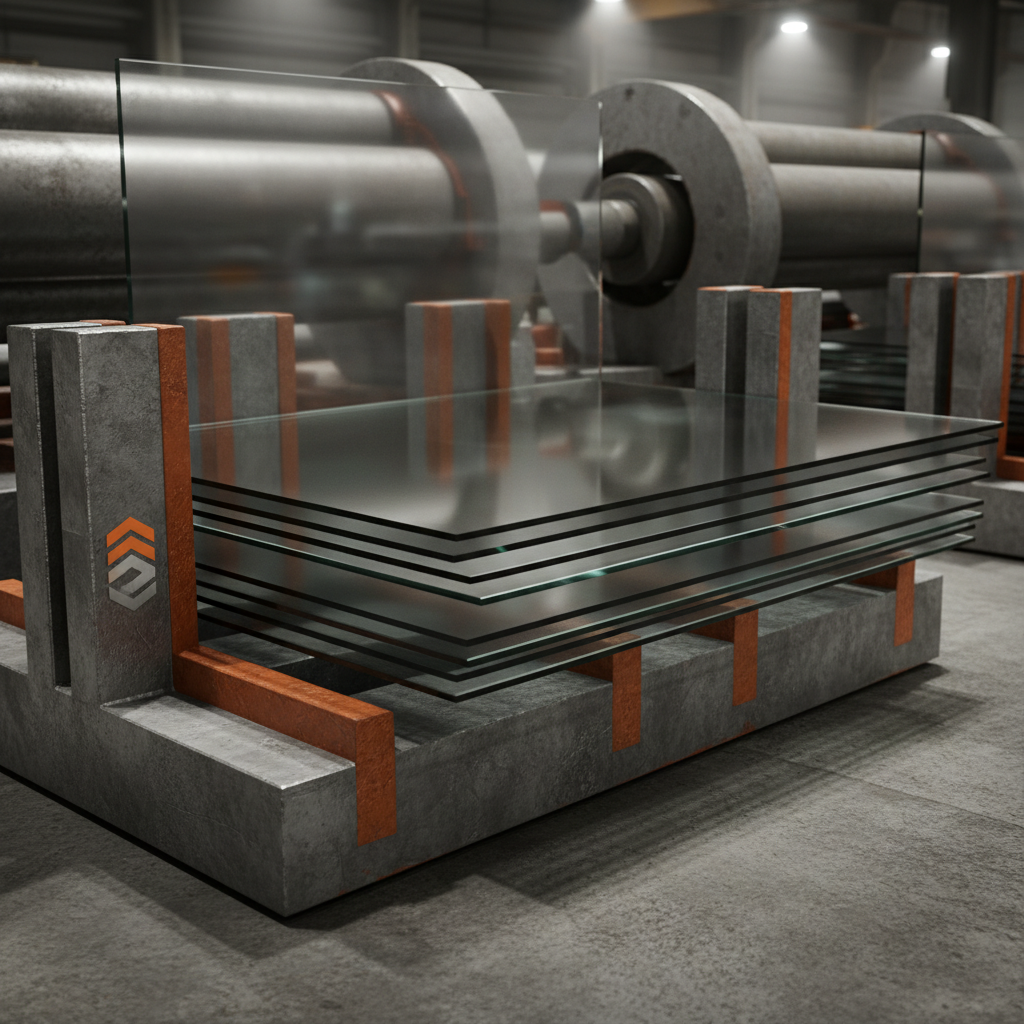
16AprPremium High Quality Float Glass for Sale and Glass Solutions
When sourcing materials for modern architecture or interior design, finding reliable float glass for sale is essential for achieving both aesthetic brilliance and structural integrity. Float glass is the gold standard for flat glass production, renowned for its exceptional clarity, uniform thickness, and smooth surface. Whether you are a contractor, a furniture manufacturer, or a homeowner, understanding the nuances of this material ensures you get the best value for your investment. In this guide, we will explore everything from technical specifications to the best ways to source high-grade glass for your next project.
learn more -
 09Apr
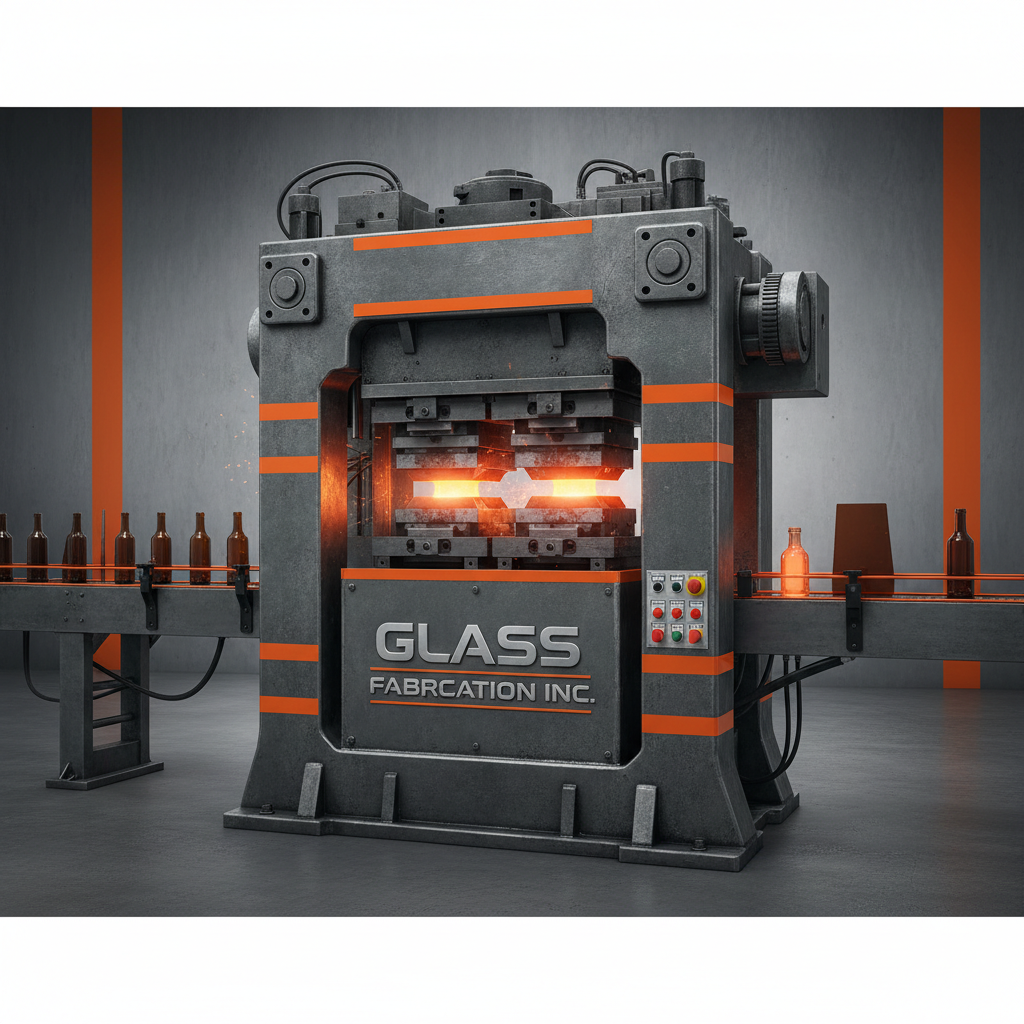
09AprGuide to Choosing a Professional glass fabrication inc for Projects
Finding a reliable glass fabrication inc is essential for any project that requires precision, safety, and aesthetic excellence. Whether you are an architect designing a modern skyscraper, a contractor renovating a luxury home, or a business owner upgrading commercial storefronts, the quality of glass fabrication determines the longevity and safety of the structure. Modern glass processing has evolved beyond simple cutting, now incorporating advanced tempering, frosting, and insulating technologies. In this guide, we will explore the critical factors in glass fabrication and how to partner with a manufacturer that ensures industrial-grade quality and flawless execution.
learn more -
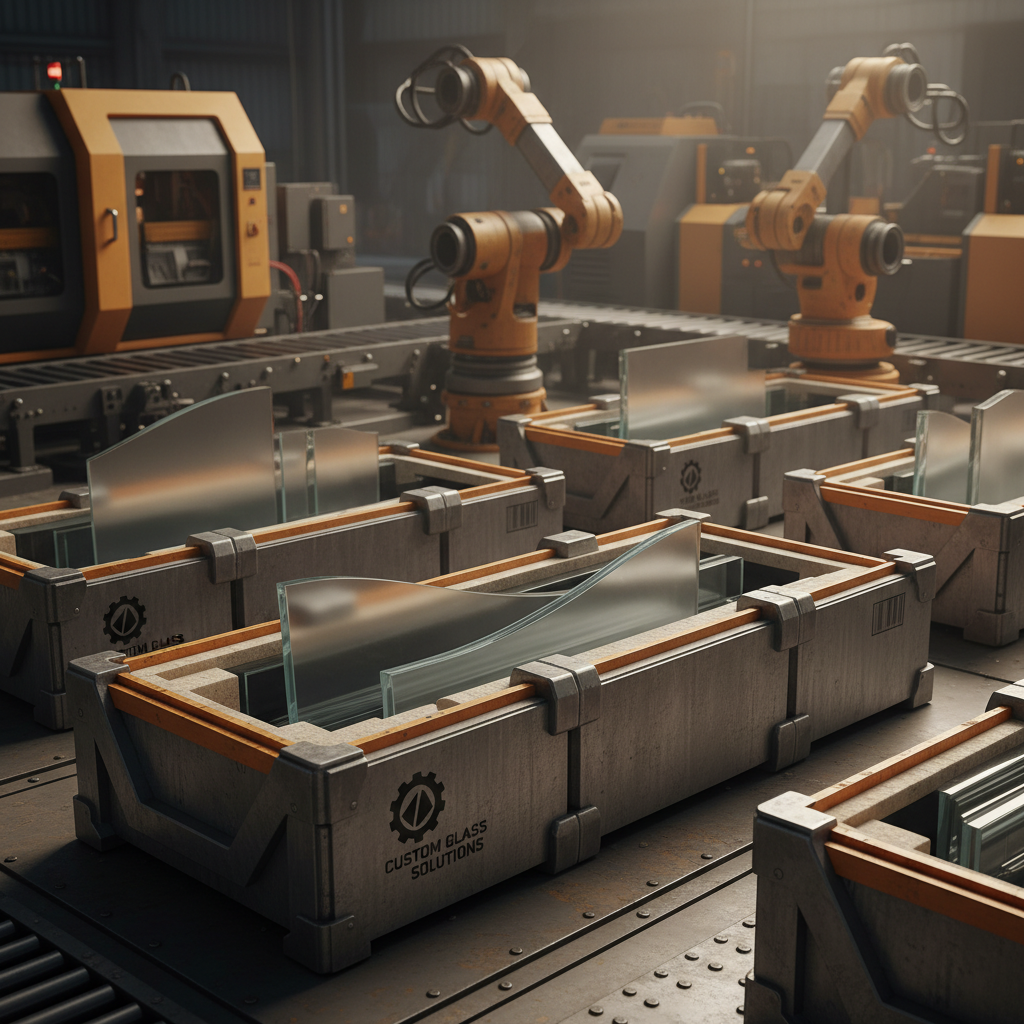 07Apr
07AprComprehensive Guide to Custom Glass Fabrication and its Diverse Applications
When it comes to specialized projects, custom glass fabrication is often the only solution. Whether it's for architectural designs, unique furniture pieces, or specialized industrial applications, tailored glasswork offers precision and aesthetic appeal. This article delves into the world of custom glass fabrication, exploring its processes, applications, and the benefits of choosing a dedicated provider like Mirror Glass Factory.
learn more


