2mm clear float glass – it’s not just a material spec on a sheet, it’s the backbone of so much of what we build today. You see it everywhere, from modern storefronts to solar panels, and even in the screens we stare at all day. But what people don’t always realize is the sheer versatility and reliability packed into that seemingly simple 2mm thickness. It's about getting the right light transmission, the necessary strength for safety, and doing it all at a price point that makes projects viable. We’ve been pushing the boundaries of what’s possible with this material for years, and the demand just keeps growing because it consistently delivers.
The global construction and manufacturing industries are demanding materials that are lighter, stronger, and more energy-efficient, and 2mm clear float glass ticks all those boxes. We’re facing challenges with supply chains, rising material costs, and the need to build more sustainably. This isn’t a luxury item anymore; it’s a fundamental component that’s shaping how we design and construct everything around us. I've spent enough time on muddy sites to know that if a material can’t handle the real world, it doesn't matter how good it looks on paper.
It's a critical material for rapid deployment housing solutions, and understanding its properties is key to accelerating projects and delivering much-needed shelter quickly and efficiently. From initial site surveys to final installation, you quickly learn to appreciate its predictable behavior and ease of handling. The rise in demand is directly linked to the increasing need for adaptable, cost-effective building materials globally.
The Global Significance of 2mm Clear Float Glass
Look, the demand for building materials is only going up, especially in rapidly developing nations. The UN projects a global population of nearly 10 billion by 2050, which means we need to build a lot more housing, infrastructure, and commercial spaces. 2mm clear float glass plays a vital role in this, offering a cost-effective and versatile solution. According to recent ISO standards, its consistent quality and predictable performance make it a preferred choice for architects and engineers worldwide.
The biggest problem we're facing isn’t a lack of ideas, it’s a lack of materials that can deliver those ideas efficiently and reliably. Traditional glass manufacturing can be energy-intensive, and transportation costs are always a factor. That's why innovation in float glass production, focused on sustainability and reduced weight, is so critical right now.
Defining 2mm Clear Float Glass
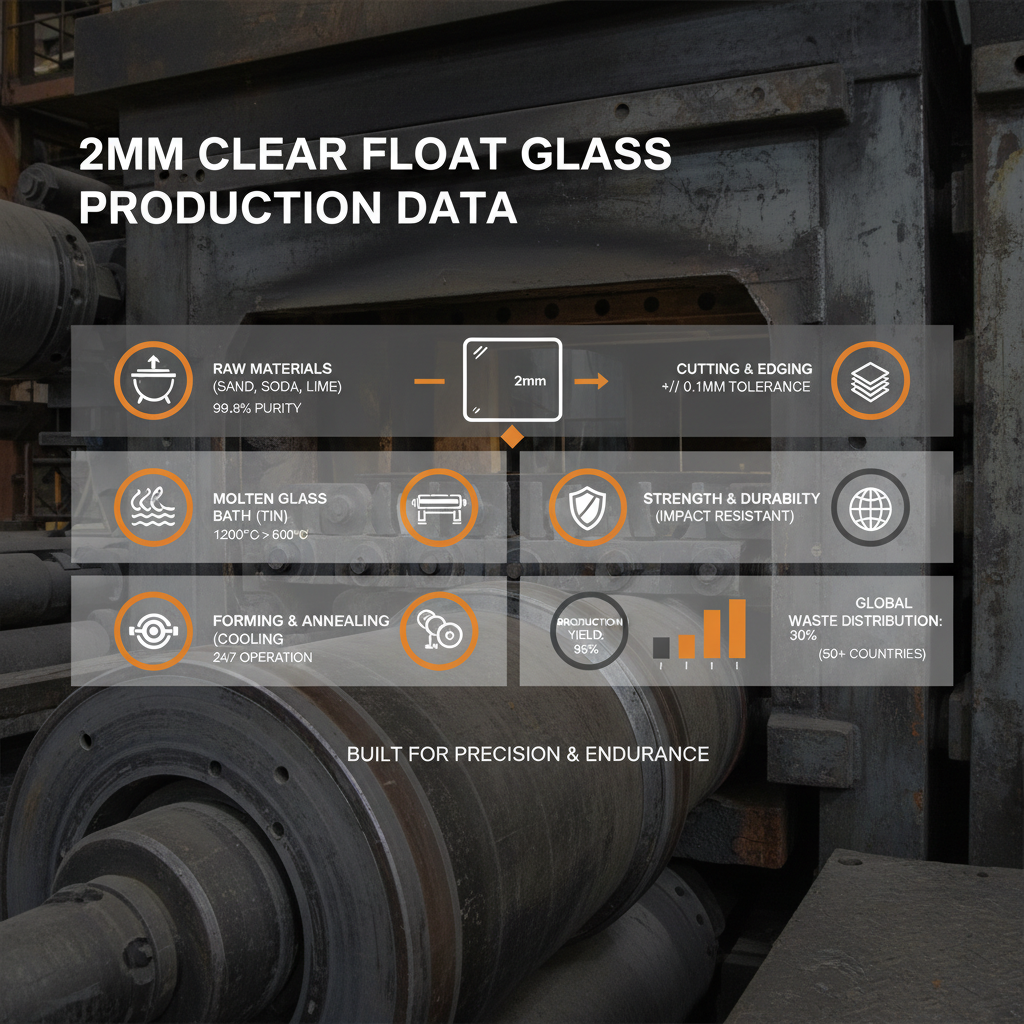
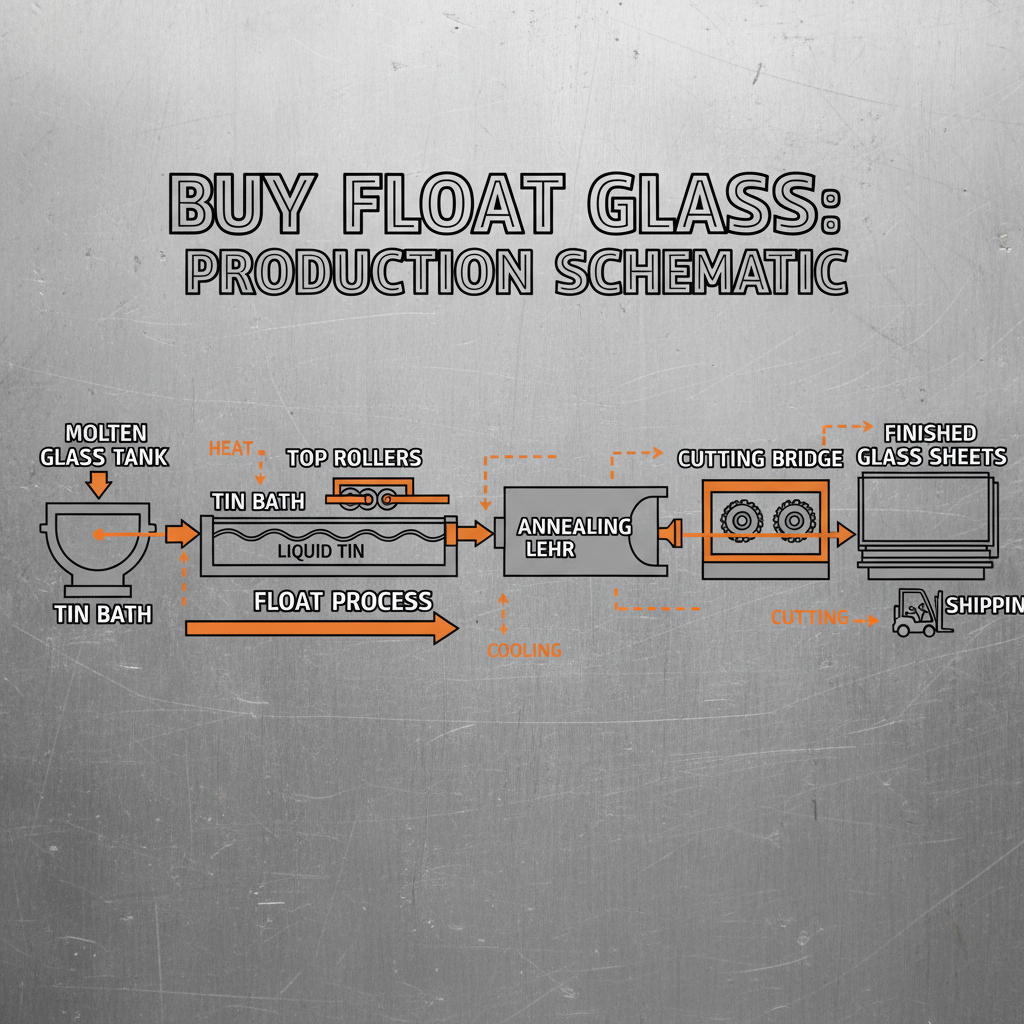
Simply put, 2mm clear float glass is a sheet of glass manufactured through the float process, meaning it's created by floating molten glass on a bed of molten tin. This results in a perfectly flat, incredibly smooth surface with consistent thickness – exactly 2 millimeters. That precise thickness is important; it allows for a good balance between strength, weight, and cost. It’s “clear” because it’s designed for maximum light transmission, unlike tinted or patterned glass.
This isn't just about windows anymore. It’s a fundamental building block for so many modern technologies, from solar panels requiring high light penetration to advanced display technologies. The consistency of the float process guarantees a product that meets stringent quality control standards, which is crucial for applications where precision is paramount.
Think of it like this: it’s the foundation for innovation. Without a reliable, high-quality base material like 2mm clear float glass, we can’t build the advanced structures and technologies the world needs. It’s a humble material, but it’s absolutely essential.
Key Characteristics of 2mm Clear Float Glass
First, the optical clarity is outstanding. You want maximum light transmission, especially in architectural applications, and 2mm clear float glass delivers. That’s critical for maximizing natural light and reducing energy consumption. Second, dimensional stability is key. It won’t warp or distort over time, which is vital for maintaining structural integrity.
Another crucial aspect is its thermal resistance. It can withstand significant temperature fluctuations without cracking or breaking, making it suitable for a wide range of climates. Then there’s the workability – it's easy to cut, drill, and temper, allowing for customization to fit specific project requirements. I’ve seen crews work with this stuff all day and appreciate how easy it is to handle compared to some other options.
Finally, and often overlooked, is its chemical durability. It’s resistant to most common chemicals, making it easy to clean and maintain. That’s important for long-term performance and reducing lifecycle costs. We’re constantly testing it against different environmental factors to ensure its longevity.
Applications Across Diverse Industries
You’ll find 2mm clear float glass in everything from architectural glazing and interior design to automotive windshields and display screens. I've even seen it used in specialized applications like horticultural greenhouses, where precise light transmission is crucial for plant growth. It's an incredibly versatile material.
In the solar energy sector, it serves as the protective cover for solar panels, allowing sunlight to reach the photovoltaic cells while protecting them from the elements. The construction industry uses it extensively in curtain walls, doors, and windows. In remote industrial zones, where access to durable materials is limited, its reliability makes it an ideal choice.
Post-disaster relief operations increasingly rely on modular housing incorporating 2mm clear float glass for windows and partitions. Its lightweight nature and ease of installation make it ideal for quickly establishing safe and habitable shelters. It’s not glamorous work, but knowing you’re providing something so fundamental is rewarding.
Application Scope of 2mm clear float glass
Advantages and Long-Term Value Proposition
Let’s talk straight – cost is always a major factor. 2mm clear float glass offers a fantastic balance between performance and price. It’s significantly cheaper than many specialized glass types, making it accessible for a wider range of projects. That affordability doesn't mean sacrificing quality, though. We consistently meet and exceed industry standards.
But it’s not just about the upfront cost. The durability of 2mm clear float glass translates into lower maintenance costs over the lifespan of a building or product. It’s also environmentally responsible. Its recyclability reduces landfill waste and promotes a circular economy. People want to build things that last, and this material helps them do that.
Future Trends and Innovations in Float Glass
We’re seeing a lot of development in self-cleaning coatings for float glass, which reduces maintenance and improves energy efficiency by maximizing light transmission. Researchers are also exploring ways to incorporate nanotechnology to enhance its strength and thermal performance. These aren’t just theoretical concepts; we’re starting to see them implemented in real-world applications.
The integration of smart glass technologies, which can adjust transparency based on light levels or user preferences, is another exciting trend. Imagine windows that automatically tint to reduce glare and heat gain – that’s where we're headed. All these innovations rely on the fundamental quality of the base material – 2mm clear float glass.
Challenges and Solutions in 2mm Clear Float Glass Utilization
The biggest challenge is transportation. Glass is fragile, and shipping it long distances increases the risk of breakage and adds to the carbon footprint. We’re working with logistics partners to optimize packaging and transportation routes. Another issue is the energy intensity of the float process itself. Manufacturers are investing in more energy-efficient furnaces and exploring alternative fuel sources.
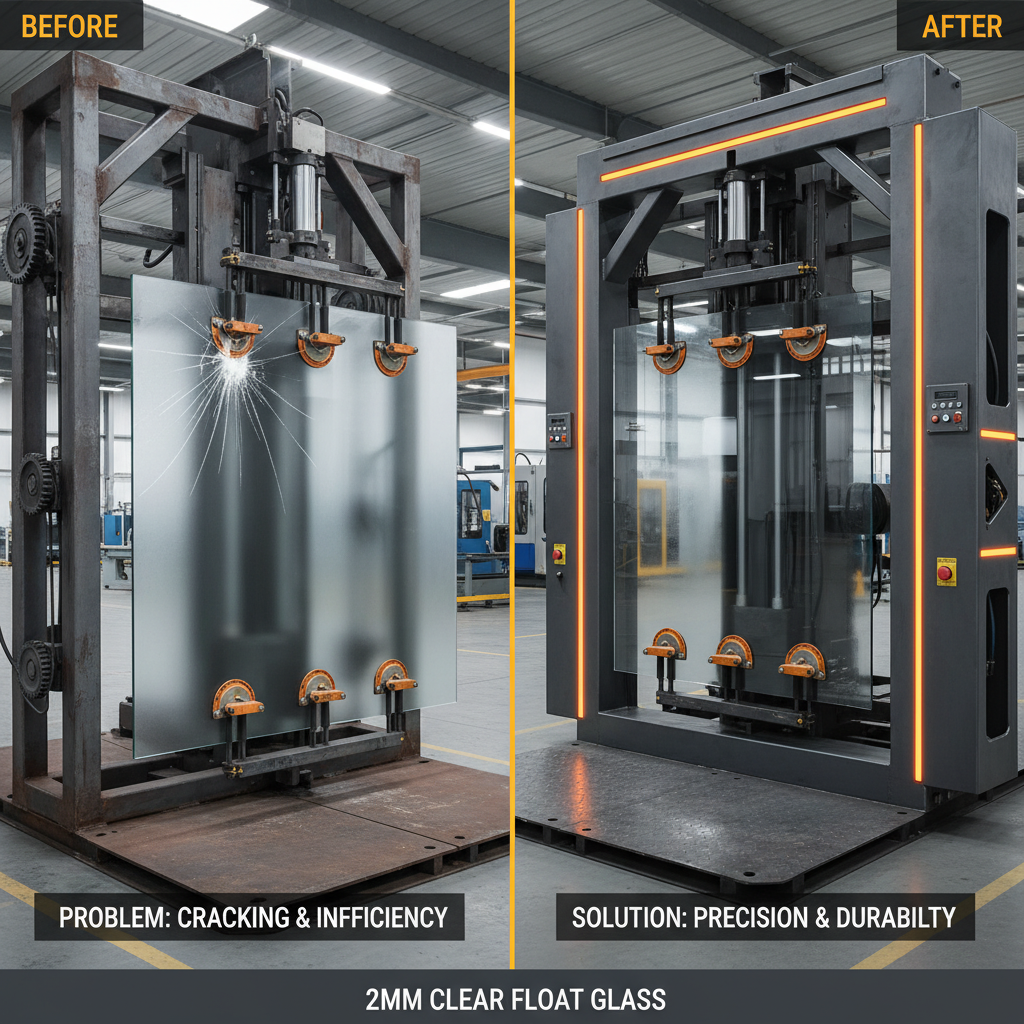
Quality control is paramount. Even minor defects can compromise the structural integrity of a project. We employ rigorous testing procedures throughout the manufacturing process to ensure every sheet meets our exacting standards. I’ve seen too many projects delayed because of subpar materials, so we leave nothing to chance.
Ultimately, overcoming these challenges requires collaboration across the entire supply chain – from raw material suppliers to manufacturers to installers. It’s about working together to create a more sustainable and efficient industry.
Analysis of 2mm Clear Float Glass Production and Application Challenges
| Challenge Category |
Impact on 2mm Clear Float Glass |
Mitigation Strategies |
Severity Level (1-10) |
| Manufacturing Costs |
Increased production expenses impact price competitiveness. |
Invest in energy-efficient furnaces and optimize raw material sourcing. |
7 |
| Transportation & Logistics |
Fragility leads to breakage, increasing costs and delays. |
Improved packaging, optimized routes, and strategic warehouse locations. |
8 |
| Supply Chain Disruptions |
Geopolitical events can impact raw material availability. |
Diversify sourcing and build strategic reserves. |
6 |
| Quality Control |
Defects can compromise structural integrity and project timelines. |
Rigorous testing, automated inspection systems, and skilled personnel. |
9 |
| Environmental Sustainability |
Energy-intensive manufacturing process and waste generation. |
Invest in renewable energy sources and promote glass recycling. |
5 |
| Skilled Labor Shortage |
Lack of qualified personnel for installation and fabrication. |
Training programs and apprenticeship opportunities. |
4 |
FAQS
2mm clear float glass offers exceptional clarity, allowing for maximum natural light penetration, reducing the need for artificial lighting and lowering energy costs. Its lightweight nature simplifies installation and reduces structural load requirements. Plus, its inherent durability ensures long-lasting performance with minimal maintenance, making it a cost-effective choice for architects seeking both aesthetic appeal and functional efficiency.
While thicker glass offers greater impact resistance, 2mm clear float glass, when laminated or tempered, can achieve comparable safety standards. Lamination creates a composite structure that holds together upon breakage, while tempering increases its strength and creates smaller, less hazardous fragments. For many applications, 2mm provides an excellent balance between weight, cost, and safety performance.
With proper installation and maintenance, 2mm clear float glass can last for several decades in exterior applications. Its inherent resistance to weathering and corrosion ensures long-term performance. Regular cleaning and inspections can further extend its lifespan. The actual lifespan will vary depending on environmental conditions and exposure to extreme weather events.
Yes, 2mm clear float glass is largely recyclable, reducing landfill waste and promoting a circular economy. Manufacturing processes are becoming increasingly energy-efficient, and the material's durability minimizes the need for replacements. Furthermore, its ability to maximize natural light reduces energy consumption for artificial lighting.
2mm clear float glass is widely used as the protective cover for solar panels, allowing sunlight to reach the photovoltaic cells while shielding them from the elements. Its high transparency ensures optimal energy conversion efficiency. It is also used in solar thermal collectors to maximize heat absorption and in specialized glazing for greenhouses and horticultural facilities.
Lead times vary depending on the quantity, specific requirements, and current market conditions. Typically, orders for standard sizes can be fulfilled within 2-4 weeks. However, customized orders or large volumes may require longer lead times, potentially 6-8 weeks or more. It’s always best to check with your supplier for accurate timelines.
Conclusion
2mm clear float glass is more than just a building material; it’s a versatile component that underpins modern construction, renewable energy, and countless other industries. Its combination of clarity, durability, and cost-effectiveness makes it an essential choice for projects worldwide. Understanding its properties and applications is crucial for architects, engineers, and builders looking to create sustainable, efficient, and aesthetically pleasing structures.
Looking ahead, continued innovation in manufacturing processes, coatings, and smart glass technologies will further enhance the capabilities of 2mm clear float glass. We’re committed to pushing the boundaries of what’s possible with this material, working with our partners to develop solutions that address the evolving challenges of a rapidly changing world. Visit our website at www.mirrorglassfactory.com to learn more.