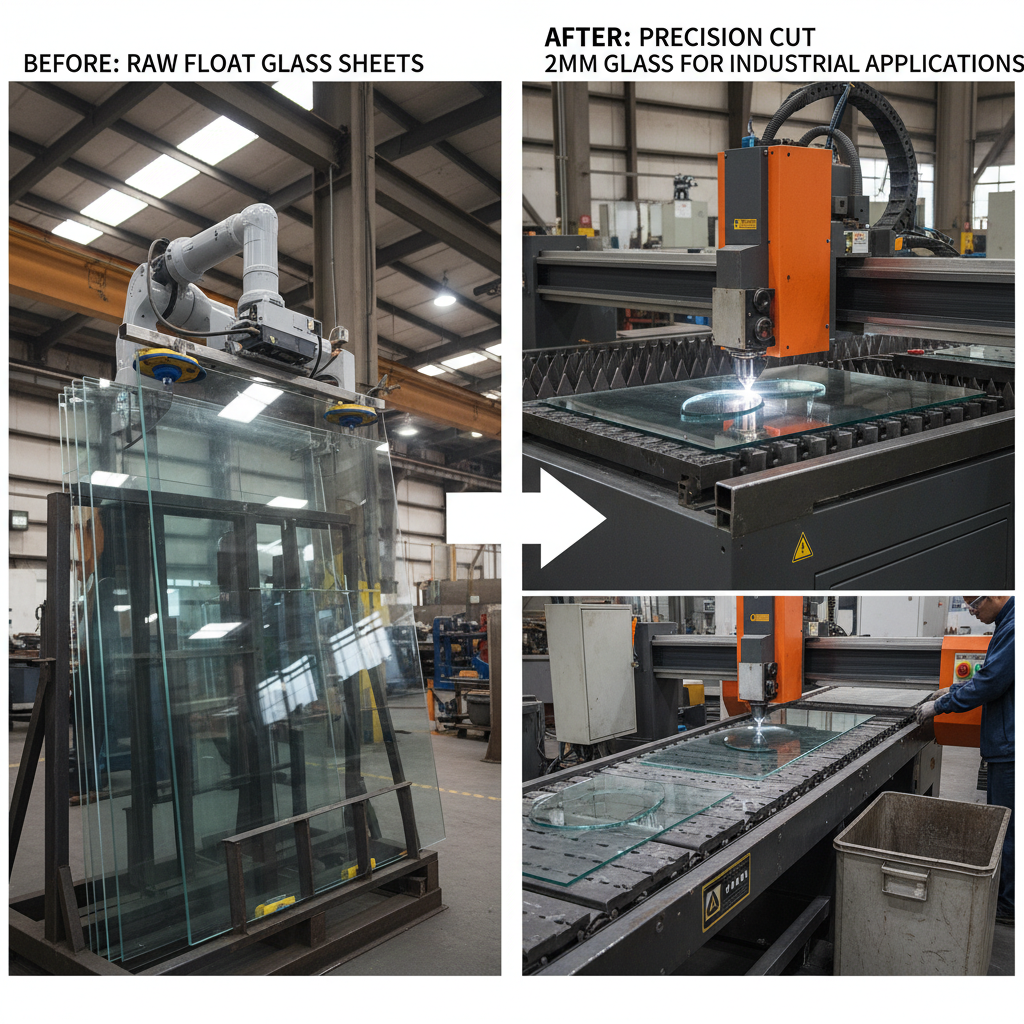
In the contemporary architectural and industrial landscape, finding the perfect balance between transparency, weight, and cost is essential. 3mm float glass cut to size offers a versatile solution for professionals who require a lightweight yet structurally sound glazing option. Whether it is for interior partitioning, furniture design, or specialized technical applications, the precision of custom cutting ensures that material waste is minimized while aesthetic goals are met.
The global demand for precise glass processing has surged as modern design trends shift toward minimalism and high-efficiency resource management. By opting for 3mm float glass cut to size, manufacturers can significantly reduce the dead load on frames and supports compared to thicker glass variants. This makes it an ideal choice for large-scale commercial installations where weight restrictions are a critical engineering concern, yet clarity remains non-negotiable.
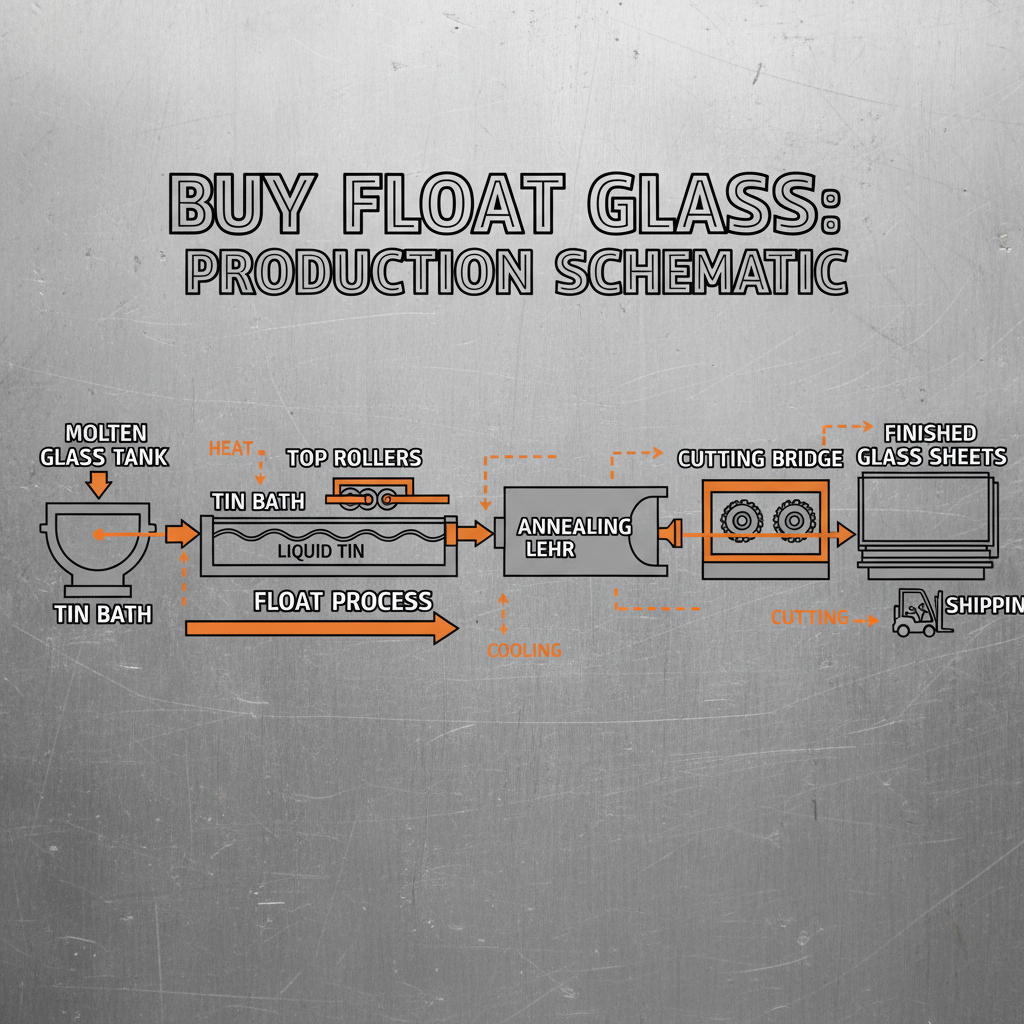
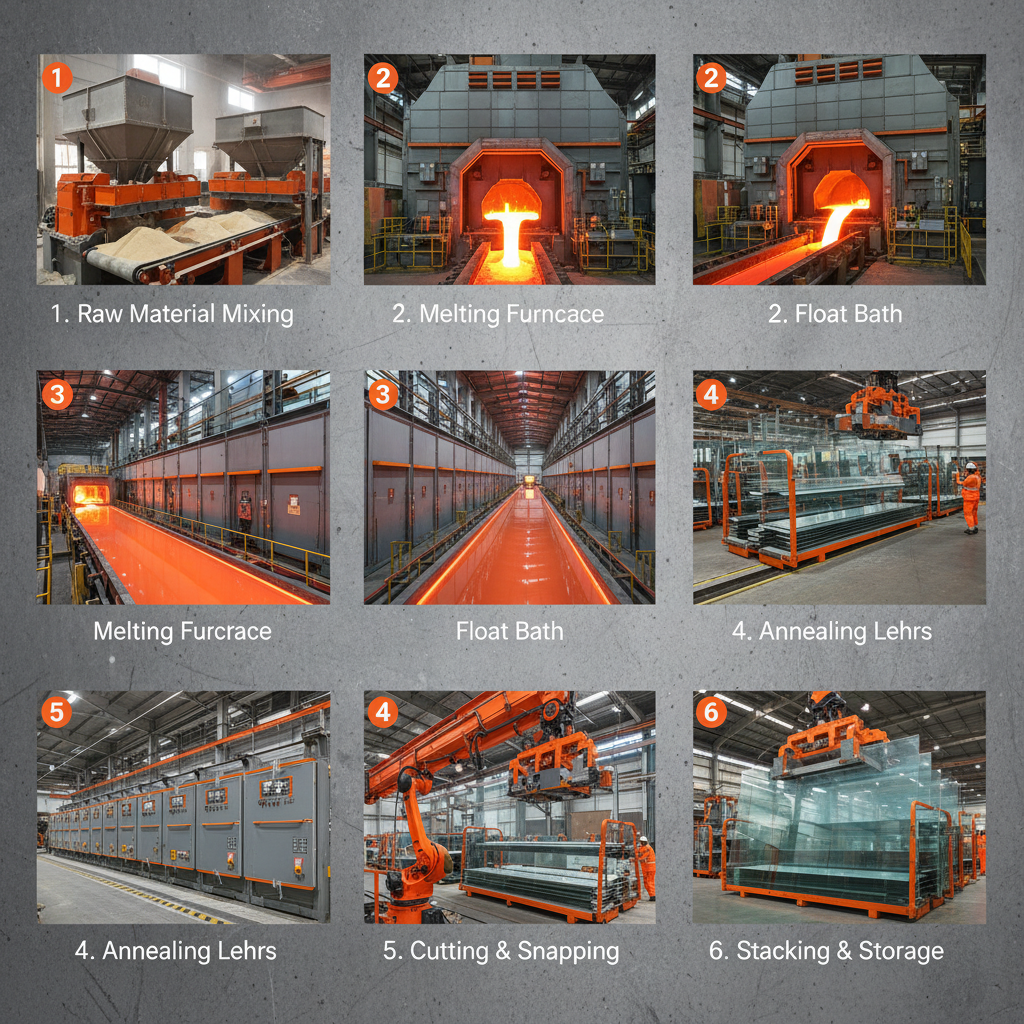
Understanding the technical nuances of float glass—from its manufacturing process involving molten tin to the final precision cutting—allows buyers to maximize the value of their investment. Investing in 3mm float glass cut to size not only streamlines the installation process but also ensures a seamless fit that eliminates the need for risky on-site modifications, enhancing both the safety and the professional finish of the project.
Global Industry Context of 3mm Float Glass
On a global scale, the glass manufacturing industry adheres to rigorous ISO standards to ensure optical quality and structural consistency. The demand for 3mm float glass cut to size is particularly high in emerging markets where rapid urbanization requires cost-effective, high-quality glazing for residential and commercial infrastructure.
The primary challenge in the industry has been the balance between thickness and fragility. However, advancements in precision cutting technology have allowed 3mm glass to be used more confidently in non-load-bearing applications, reducing overall material costs by up to 20% compared to over-specifying with 4mm or 5mm glass.
Defining 3mm Float Glass Cut to Size
In simple terms, 3mm float glass cut to size is a high-clarity, flat glass produced by floating molten glass on a bed of molten tin, which is then precisely trimmed to the customer's exact dimensions. This process ensures a uniform thickness and a distortion-free surface, making it the gold standard for clear glazing.
Beyond its basic definition, this material serves as a critical component in modern industrial needs, providing a transparent barrier that is lightweight enough for easy transport but durable enough for interior use. Its ability to be customized means that it can fit into complex geometries, from circular tabletops to narrow window panes.
From a humanitarian and economic perspective, the accessibility of custom-cut 3mm glass allows for the rapid repair of essential infrastructure. By providing precisely sized pieces, the need for specialized on-site cutting tools is reduced, enabling faster reconstruction in remote or disaster-affected zones where professional glazing tools may be scarce.
Core Technical Components and Factors
The durability of 3mm float glass cut to size is heavily dependent on the quality of the edge work. Polished edges reduce the risk of stress fractures and improve safety during handling, while seamed edges provide a cost-effective alternative for glass that will be hidden within a frame.
Cost efficiency is perhaps the most significant factor when choosing 3mm float glass cut to size. Because it uses less raw material than thicker alternatives, it offers a lower price point per square meter while still providing the necessary optical transparency for most interior applications.
Scalability and versatility also play a key role. Whether the project requires a single replacement pane or ten thousand units for a commercial furniture line, the automated cutting processes used for 3mm float glass cut to size ensure that the thousandth piece is as accurate as the first, maintaining strict tolerance levels.
Global Applications and Use Cases
In real-world contexts, 3mm float glass cut to size is widely utilized across diverse industries. In the furniture sector, it is the preferred material for cabinet doors and picture frames across Europe and North America due to its sleek profile and clarity.
Furthermore, in remote industrial zones or temporary housing projects, the lightweight nature of 3mm glass makes it significantly easier to transport. For instance, in modular housing deployments, these precisely cut panes can be pre-installed in frames, reducing the labor time required at the final assembly site.
Performance Analysis of 3mm Float Glass Cut to Size Methods
Long-Term Value and Advantages
The long-term value of 3mm float glass cut to size lies in its sustainability and reliability. By utilizing the exact amount of glass needed, companies reduce the volume of glass waste that ends up in landfills, aligning their operations with global green building certifications like LEED.
Beyond the logical and financial benefits, there is an emotional angle of trust and safety. When a client receives a piece of glass that fits perfectly without gaps or stress points, it reflects a level of professionalism and innovation that builds long-term brand loyalty. The peace of mind knowing that the material is sourced from a precision-led manufacturing process is invaluable.
Future Trends in Glass Processing
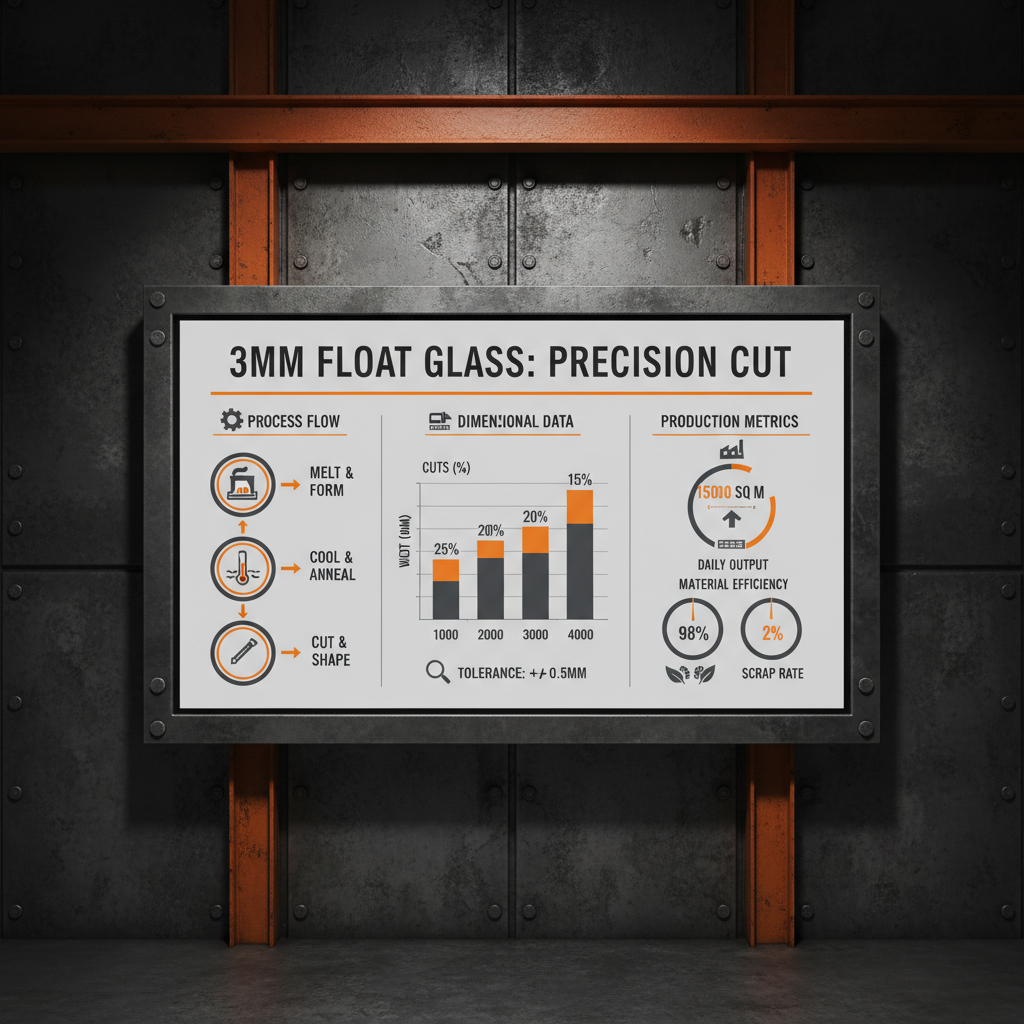
The future of 3mm float glass cut to size is being shaped by the digital transformation of the factory floor. Industry 4.0 integration, featuring AI-driven nesting software, is now allowing manufacturers to calculate the most efficient way to cut multiple shapes from a single sheet, pushing material utilization to nearly 98%.
Additionally, there is a growing trend toward integrating "smart" coatings onto thin float glass. We are seeing an increase in the demand for low-emissivity (Low-E) 3mm glass, which helps in maintaining thermal efficiency in lightweight interior partitions, combining the thin profile of float glass with the energy-saving properties of advanced coatings.
Automation is also reducing the human error associated with measurement. The shift toward fully automated CNC cutting and polishing lines means that 3mm float glass cut to size will become even more accessible and affordable, allowing architects to experiment with more complex and daring glass installations.
Overcoming Common Challenges
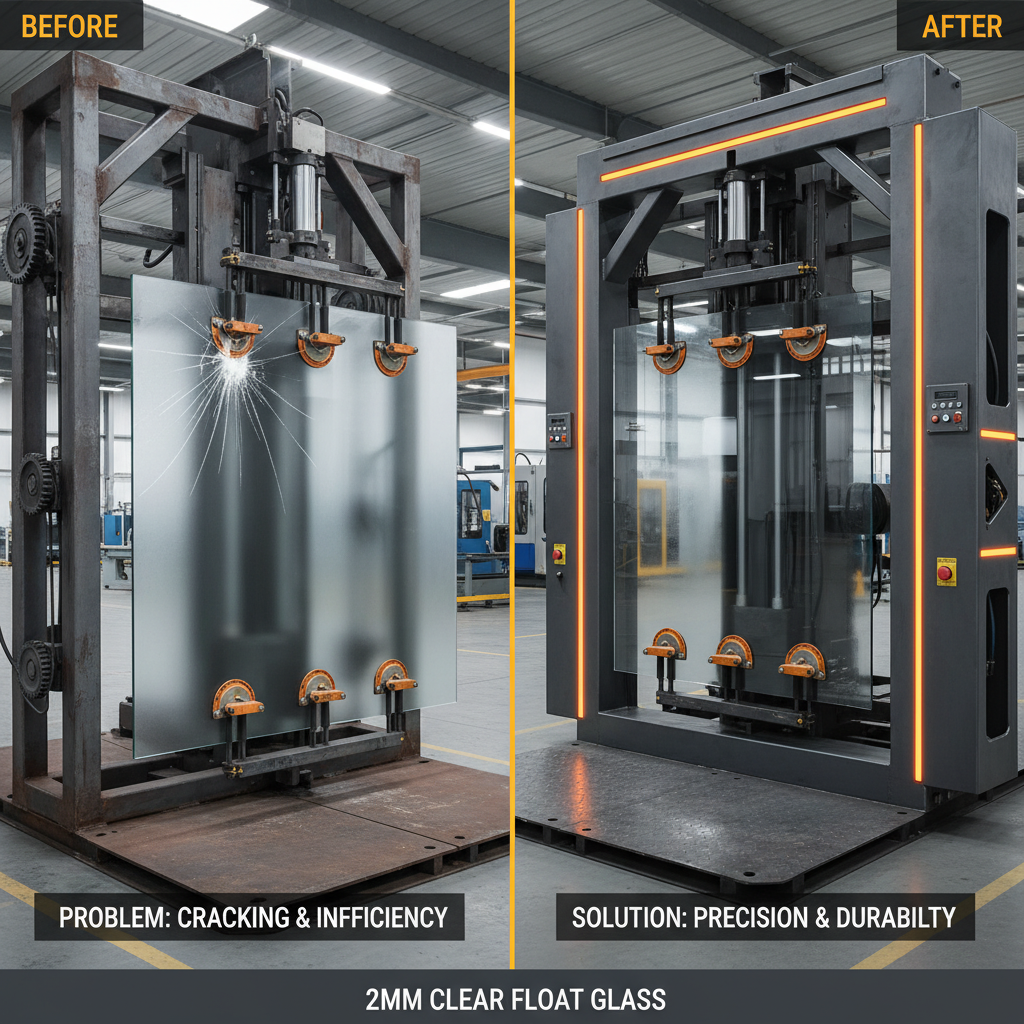
One of the primary limitations of 3mm float glass cut to size is its fragility compared to tempered or laminated glass. In high-traffic areas, the risk of breakage is higher, and the resulting shards can be dangerous. Expert insight suggests using 3mm glass only in protected environments or as a component of a larger laminated assembly.
Another challenge is the potential for "edge chip" during the cutting process. To overcome this, high-end manufacturers use diamond-tipped cutting wheels and specialized lubricants to ensure a clean break. Implementing a strict quality control check post-cutting ensures that any microscopic fissures are identified before the glass leaves the factory.
Lastly, logistics can be a hurdle due to the thinness of the material. The solution lies in innovative packaging, such as custom-fitted foam inserts and reinforced crates, which prevent the glass from flexing during transit. By combining precision cutting with professional logistics, the risks associated with 3mm float glass cut to size are effectively mitigated.
Comparative Analysis of 3mm Float Glass Processing Standards
| Processing Metric |
Standard Method |
Precision Method |
Performance Score |
| Cutting Tolerance |
+/- 2.0mm |
+/- 0.5mm |
9/10 |
| Edge Smoothness |
Seamed |
Flat Polished |
10/10 |
| Material Waste |
15% - 20% |
2% - 5% |
8/10 |
| Production Speed |
High |
Medium |
7/10 |
| Optical Clarity |
Standard Float |
Ultra Clear |
9/10 |
| Weight Efficiency |
Good |
Excellent |
10/10 |
FAQS
For lightweight decorative items, 3mm float glass is sufficient. However, for functional shelving that carries weight, we recommend upgrading to tempered glass or a thicker 6mm float glass to prevent bowing or breakage. Always consider the load-bearing capacity of the support system.
The best practice is to measure the opening in three different places (top, middle, bottom) and provide the smallest measurement minus 2-3mm for clearance. This "deduction" ensures the glass slides into the frame easily without forcing it, which could cause stress cracks.
Yes, 3mm float glass can be tempered after cutting. In fact, it must be cut and polished first, as tempered glass cannot be cut without shattering. This process increases the strength and safety of the glass, making it suitable for areas with higher risk of impact.
Standard clear float glass has a slight green tint due to iron oxide content. Ultra-clear (low-iron) glass removes these impurities, resulting in a crystal-clear appearance. This is ideal for high-end displays where color accuracy is paramount.
Depending on the complexity of the shapes and the volume of the order, production typically takes 3-7 business days. Shipping times vary by region, but we use specialized glass logistics to ensure the product arrives without damage.
Yes, glass is 100% recyclable. By choosing custom-cut sizes, you also reduce industrial waste during installation. Many of our manufacturing processes now incorporate recycled cullet to lower the carbon footprint of the production cycle.
Conclusion
In summary, 3mm float glass cut to size represents the intersection of precision engineering and cost-effective design. By focusing on tight tolerances, high-quality edge processing, and strategic material selection, this product provides an essential solution for a wide array of interior and industrial applications, balancing the need for transparency with the practicalities of weight and budget.
Looking forward, the continued integration of AI-driven cutting technology and sustainable coatings will only enhance the value proposition of thin float glass. For professionals seeking to optimize their projects, we recommend prioritizing precision over generic sizing to ensure long-term durability and a superior aesthetic finish. Visit our website for professional consultations and ordering: www.mirrorglassfactory.com