In the diverse world of architectural and industrial glazing, 4mm float glass stands as one of the most versatile and widely utilized specifications. Its balanced thickness provides an ideal equilibrium between structural integrity and lightweight flexibility, making it a cornerstone for residential windows, commercial partitions, and a variety of downstream processing applications.
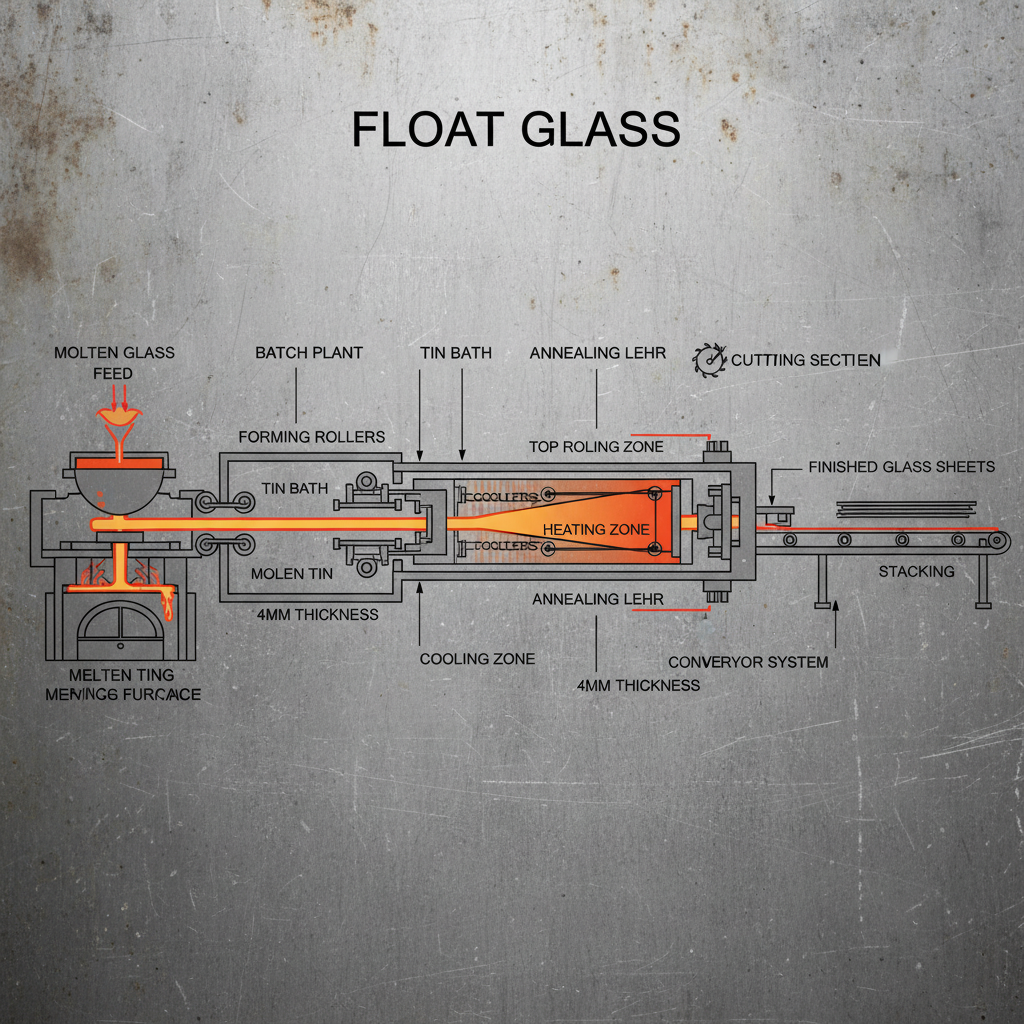
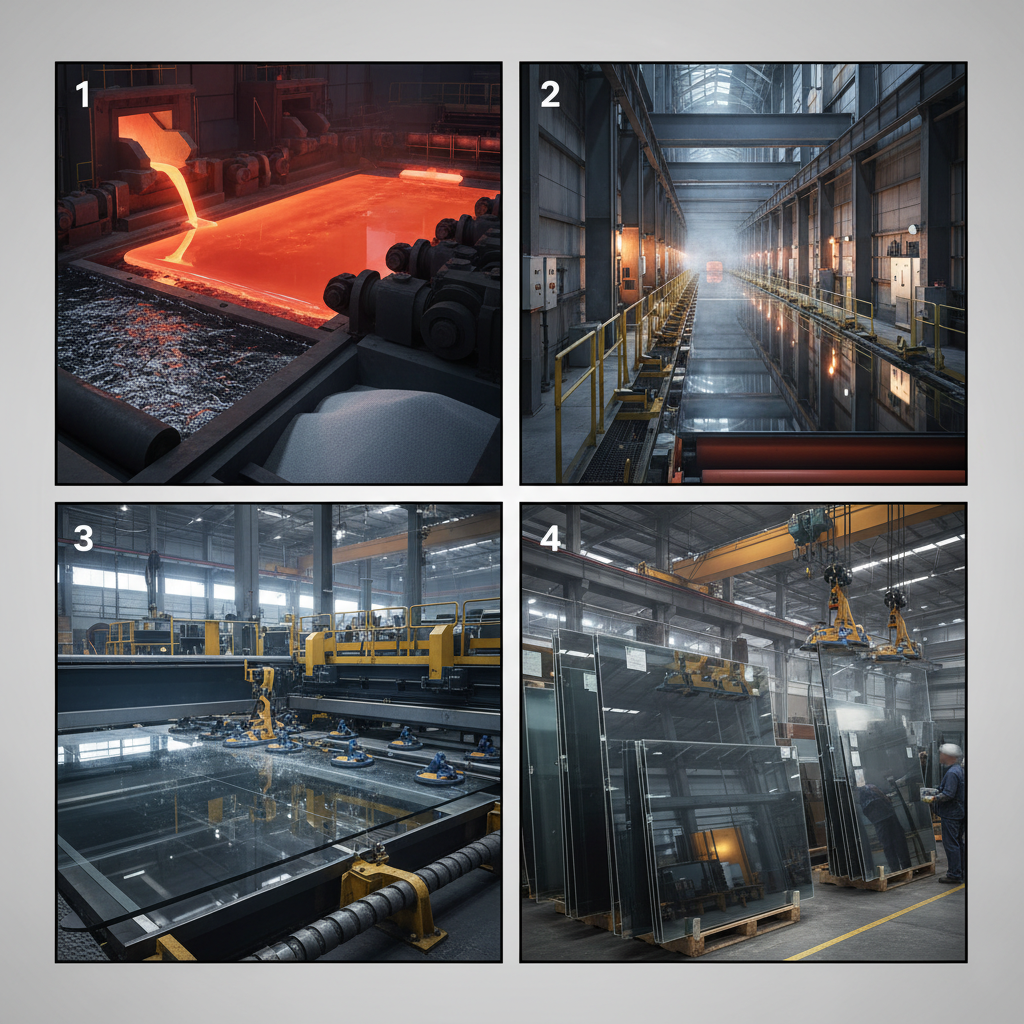
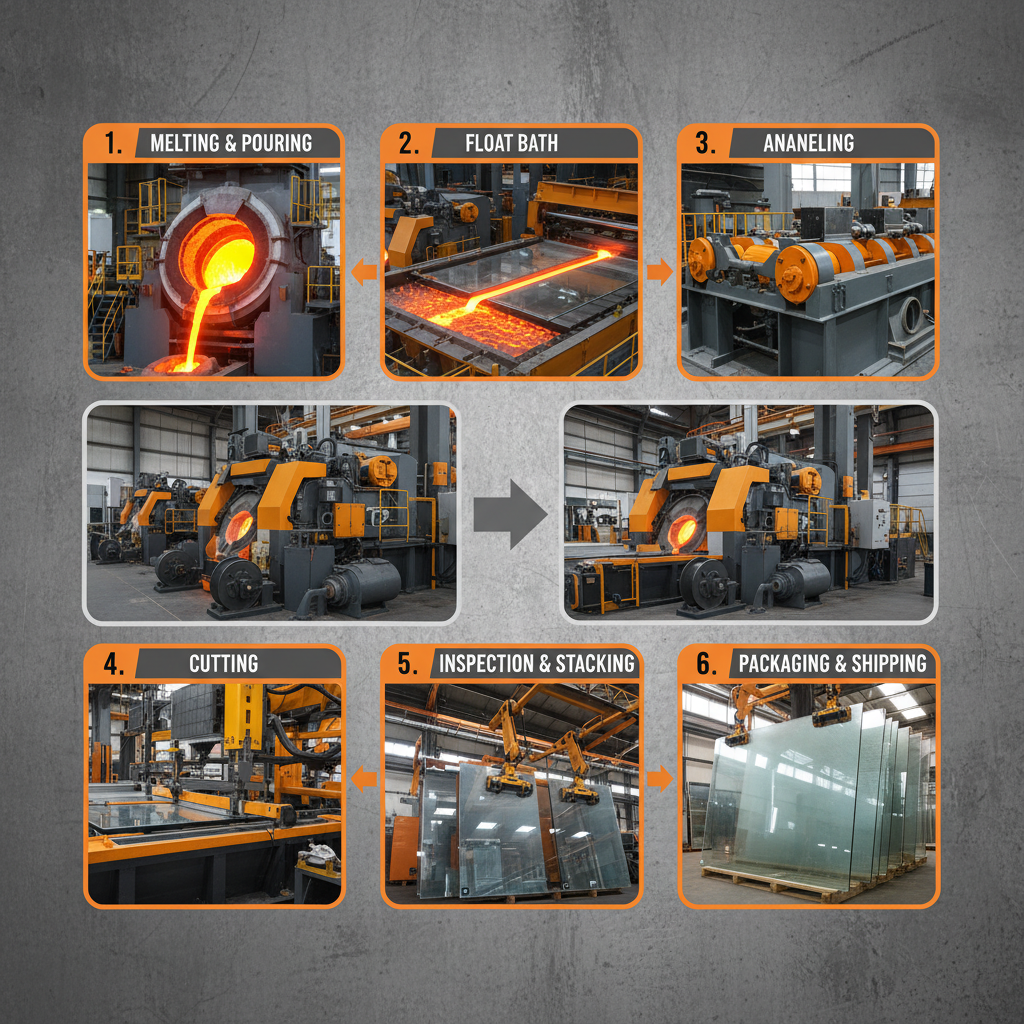
Understanding the nuances of float glass production—where molten glass is floated on a bed of molten tin to achieve a perfectly flat surface—explains why the 4mm variant is so prized for its optical clarity and uniform thickness. For developers and designers, this specific thickness often represents the "sweet spot" for cost-efficiency without sacrificing the fundamental safety and aesthetic requirements of modern building codes.
Whether it is serving as the base substrate for tempered glass or being laminated for acoustic insulation, 4mm float glass plays a critical role in global urban development. By exploring its technical properties, global applications, and future innovations, stakeholders can make more informed decisions to enhance the longevity and sustainability of their glazing projects.
Global Relevance and Market Demand for 4mm Float Glass
The global demand for 4mm float glass is intrinsically linked to the rapid pace of urbanization in emerging economies. According to international construction standards and market trends aligned with ISO quality benchmarks, this specific thickness remains the gold standard for single-pane inserts and the primary substrate for vacuum-insulated glazing. Its ability to be produced in massive sheets with minimal distortion ensures that architects can maintain visual consistency across expansive facades.
However, the industry faces the ongoing challenge of balancing this high demand with the need for energy efficiency. As cities move toward "Net Zero" targets, the 4mm float glass substrate is increasingly being paired with Low-E coatings to reduce thermal transfer, ensuring that the material remains relevant in a world shifting toward green building certifications.
Technical Definition and Industrial Significance
In technical terms, 4mm float glass is a type of soda-lime silicate glass produced via the float process, where the molten material is floated on a bed of molten tin. This creates a surface that is perfectly flat on both sides without the need for grinding or polishing. The "4mm" designation refers to the nominal thickness, which provides a critical structural baseline for a wide array of secondary processing techniques, including tempering, laminating, and frosting.
Beyond its physical dimensions, its industrial significance lies in its role as a "universal substrate." Because of its predictable reaction to heat and chemical treatments, it serves as the foundation for high-value products such as mirrors and automotive glass. For humanitarian needs—such as the rapid construction of low-cost, durable housing—this thickness offers an affordable way to provide natural lighting and weather protection while remaining manageable in terms of transport weight.
Modern manufacturing has refined the float process to ensure that 4mm glass exhibits minimal "waviness," a crucial factor for high-end commercial interiors. This precision allows for the seamless integration of glass into sleek, minimalist designs, proving that even a basic industrial component can be elevated through rigorous quality control and engineering.
Core Components of Quality 4mm Float Glass
The durability of 4mm float glass is primarily determined by the purity of the raw materials—silica sand, soda ash, and limestone. When these components are fused at high temperatures, the resulting molecular structure must be free of bubbles (seeds) and inclusions to ensure maximum strength and optical clarity.
Scalability is another core factor; the 4mm thickness allows for efficient mass production in float lines that can run 24/7. This industrial scalability ensures that global supply chains remain stable, allowing contractors to source vast quantities of glass for large-scale residential projects without facing prohibitive lead times or costs.
Finally, cost-efficiency is the driving force behind the popularity of 4mm float glass. By optimizing the weight-to-strength ratio, manufacturers can minimize shipping costs and installation labor, providing a high-performance transparency solution that is accessible to both luxury developers and budget-conscious homeowners.
Practical Performance Metrics in Architecture
When evaluating the application of 4mm float glass, engineers look at a variety of performance metrics, including light transmission, sound attenuation, and wind-load resistance. While a single 4mm pane provides excellent visibility, it is often used as a component in Insulated Glass Units (IGUs), where it works in tandem with an air gap and a second pane to create a thermal barrier.
The versatility of this material is best demonstrated when comparing its performance across different processing methods. For instance, transforming 4mm float glass into tempered glass significantly increases its impact resistance, making it suitable for shower doors and storefronts.
Performance Comparison of 4mm Float Glass Variants
Global Applications and Diversified Use Cases
The application of 4mm float glass spans across virtually every continent, adapting to local architectural styles and climate needs. In high-density urban areas like Tokyo or New York, it is frequently used in interior office partitions to maximize natural light while maintaining spatial division. In residential settings, it serves as the primary glazing for window frames and sliding doors.
Beyond traditional architecture, this glass is vital in specialized industrial zones. For example, in pharmaceutical cleanrooms, 4mm float glass is used in viewing panels due to its non-porous surface and ease of sterilization. Similarly, in post-disaster relief operations, lightweight 4mm panels are often integrated into modular housing units to provide essential visibility and protection for displaced populations.
Long-Term Value and Sustainable Advantages
Investing in high-quality 4mm float glass yields significant long-term value through its inherent durability and recyclability. Unlike many plastic alternatives, glass does not degrade under UV exposure, ensuring that the clarity and structural integrity of the installation remain intact for decades. This reliability builds trust between developers and end-users, reducing the lifecycle cost of building maintenance.
From a sustainability perspective, float glass is 100% recyclable. The industry has made strides in incorporating "cullet" (crushed recycled glass) into the melting process, which lowers the furnace temperature and significantly reduces carbon emissions. This shift toward a circular economy transforms a simple building material into a tool for environmental stewardship.
Moreover, the emotional value of glass—providing a connection to the outdoors and enhancing the sense of openness—contributes to the psychological well-being of occupants. By combining logical benefits like cost-efficiency with the emotional benefit of light-filled spaces, 4mm float glass remains an indispensable asset in modern design.
Future Innovations in Glass Processing Technology
The future of 4mm float glass is being shaped by the intersection of material science and digital transformation. We are seeing the rise of "smart glass" substrates, where the standard 4mm thickness is integrated with electrochromic layers, allowing the glass to change opacity with an electrical pulse. This innovation promises to revolutionize energy management by reducing the need for mechanical cooling.
Automation in the cutting and edging process is also enhancing precision. AI-driven optimization software now calculates the most efficient way to cut 4mm sheets, minimizing waste to nearly zero. This synergy of automation and sustainability ensures that the production of float glass becomes leaner and more eco-friendly.
Furthermore, the development of ultra-thin, high-strength coatings is allowing 4mm glass to perform tasks previously reserved for much thicker panes. These advancements ensure that float glass will continue to evolve, meeting the rigorous demands of future smart cities.
Comparative Analysis of 4mm Float Glass Processing Options
| Processing Method |
Strength Increase |
Primary Use Case |
Cost Impact |
| Annealed (Standard) |
Baseline (1x) |
Basic Windows |
Low |
| Full Tempering |
High (4-5x) |
Safety Partitions |
Medium |
| Lamination (PVB) |
Medium (Security) |
Soundproofing/Safety |
High |
| Low-E Coating |
Baseline (1x) |
Energy Efficiency |
Medium |
| Acid Etching |
Baseline (1x) |
Privacy Screens |
Medium |
| Mirror Silvering |
Baseline (1x) |
Interior Decor |
Medium |
FAQS
For standard residential windows, 4mm float glass is a common and acceptable thickness. However, for larger spans or areas prone to high wind loads, it is highly recommended to use 4mm tempered glass or a laminated configuration to ensure safety and prevent breakage.
Float glass is "annealed," meaning it is cooled slowly and breaks into sharp shards. Tempered glass is 4mm float glass that has been heat-treated and rapidly cooled, making it significantly stronger and causing it to crumble into small, blunt pieces upon impact.
Yes, 4mm float glass is the industry standard substrate for high-quality mirrors. Its flatness ensures that there is no distortion in the reflection, and its thickness provides enough rigidity to prevent the mirror from bowing when mounted on a wall.
While standard float glass has limited thermal properties, 4mm glass can be coated with Low-Emissivity (Low-E) layers. When used within an Insulated Glass Unit (IGU), it helps reflect heat back into the room during winter and block solar heat during summer.
Annealed 4mm float glass is relatively easy to cut using standard glass cutters and diamond tools. However, once it has been tempered or laminated, it can no longer be cut, meaning all dimensions must be precise before the final processing stage.
The most common causes are thermal stress (due to rapid temperature changes) and improper installation (lack of adequate cushioning between the glass and the frame). Using high-quality gaskets and ensuring proper ventilation can mitigate these risks.
Conclusion
In summary, 4mm float glass serves as an essential building block of modern architecture and industrial design. Its unique combination of optical clarity, production scalability, and versatility as a substrate makes it an unmatched choice for everything from basic residential glazing to high-tech smart glass components. By balancing cost-effectiveness with reliable performance, it continues to facilitate the growth of sustainable and aesthetically pleasing urban environments.
Looking forward, the integration of AI-driven manufacturing and advanced thin-film coatings will only enhance the value of this material. For architects and procurement managers, the key to maximizing the potential of 4mm float glass lies in selecting the right secondary processing—be it tempering or laminating—to match the specific safety and environmental needs of their project.