In the expansive world of architectural glazing and industrial design, 5mm clear float glass stands as one of the most versatile and widely utilized materials. Its balance of structural integrity and optical clarity makes it the gold standard for a variety of applications, from residential window panes to sophisticated commercial interior partitions. By understanding the nuances of this specific thickness, designers and procurement officers can optimize both the safety and the aesthetic appeal of their projects.
The global demand for high-quality float glass continues to rise, driven by rapid urbanization and the push for more sustainable, light-filled building environments. As the construction industry shifts toward energy-efficient designs, the role of 5mm clear float glass as a primary substrate for further processing—such as tempering or laminating—becomes even more critical. It provides the essential foundation upon which modern safety glass technologies are built.
Navigating the technical specifications of glass can be daunting for those outside the manufacturing sector. However, grasping why a 5mm thickness is often preferred over 3mm or 6mm reveals a strategic compromise between weight, cost, and strength. This comprehensive guide explores the industry context, practical applications, and future innovations surrounding 5mm clear float glass to help you make an informed procurement decision.
Global Industry Context of 5mm Clear Float Glass
On a global scale, the production of 5mm clear float glass is governed by stringent international standards, including ISO 12543, which ensures consistency in light transmission and thickness tolerances. As emerging economies in Southeast Asia and Africa expand their urban infrastructure, the demand for cost-effective yet durable glazing has surged. This has led to a streamlined global supply chain where float glass is produced in massive quantities to serve both local residential needs and international export markets.
One of the primary challenges the industry addresses is the balance between transparency and structural resilience. While thinner glass is cheaper, it lacks the wind-load resistance required for larger window spans. The 5mm thickness emerged as a global "sweet spot," providing sufficient rigidity for most standard residential and commercial openings while remaining light enough to avoid excessive load on framing systems. This standardization has allowed architects worldwide to specify this material with confidence in its predictable performance.
Technical Definition and Manufacturing Process
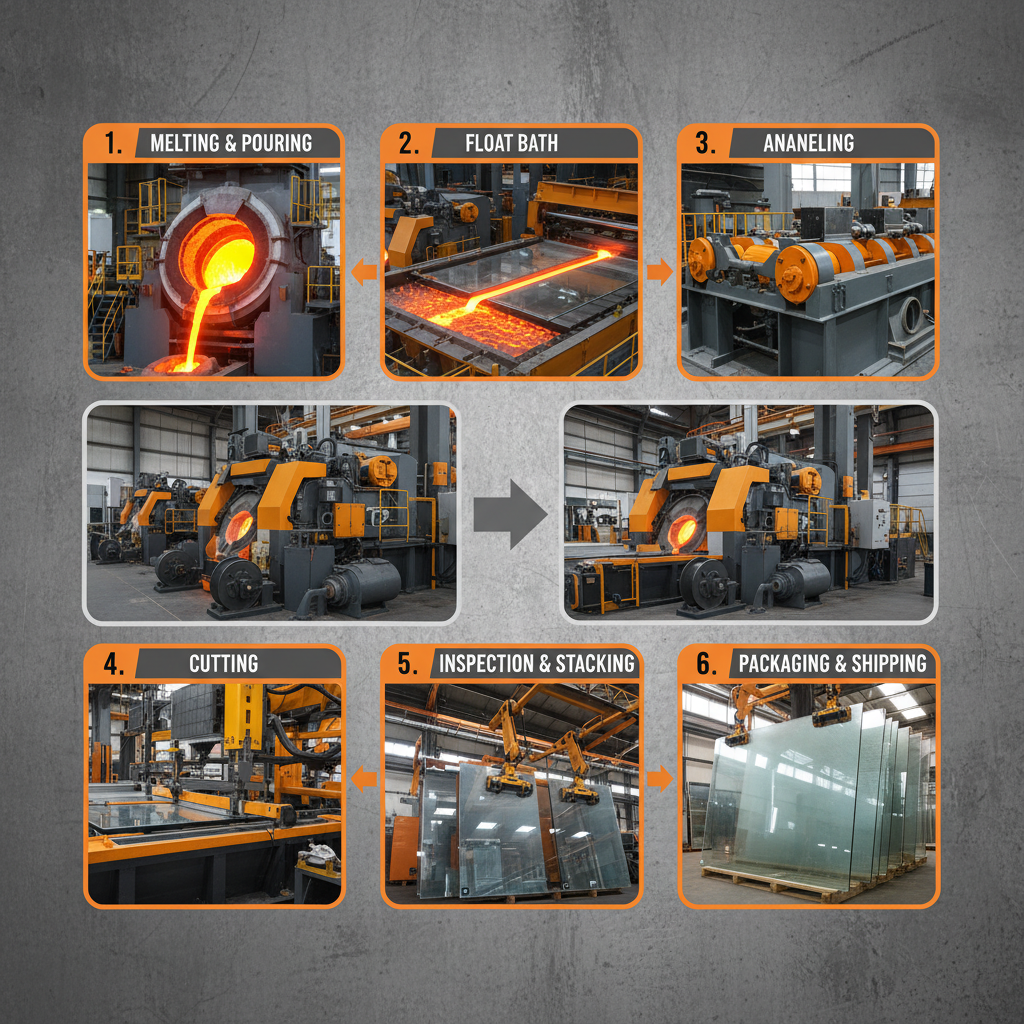
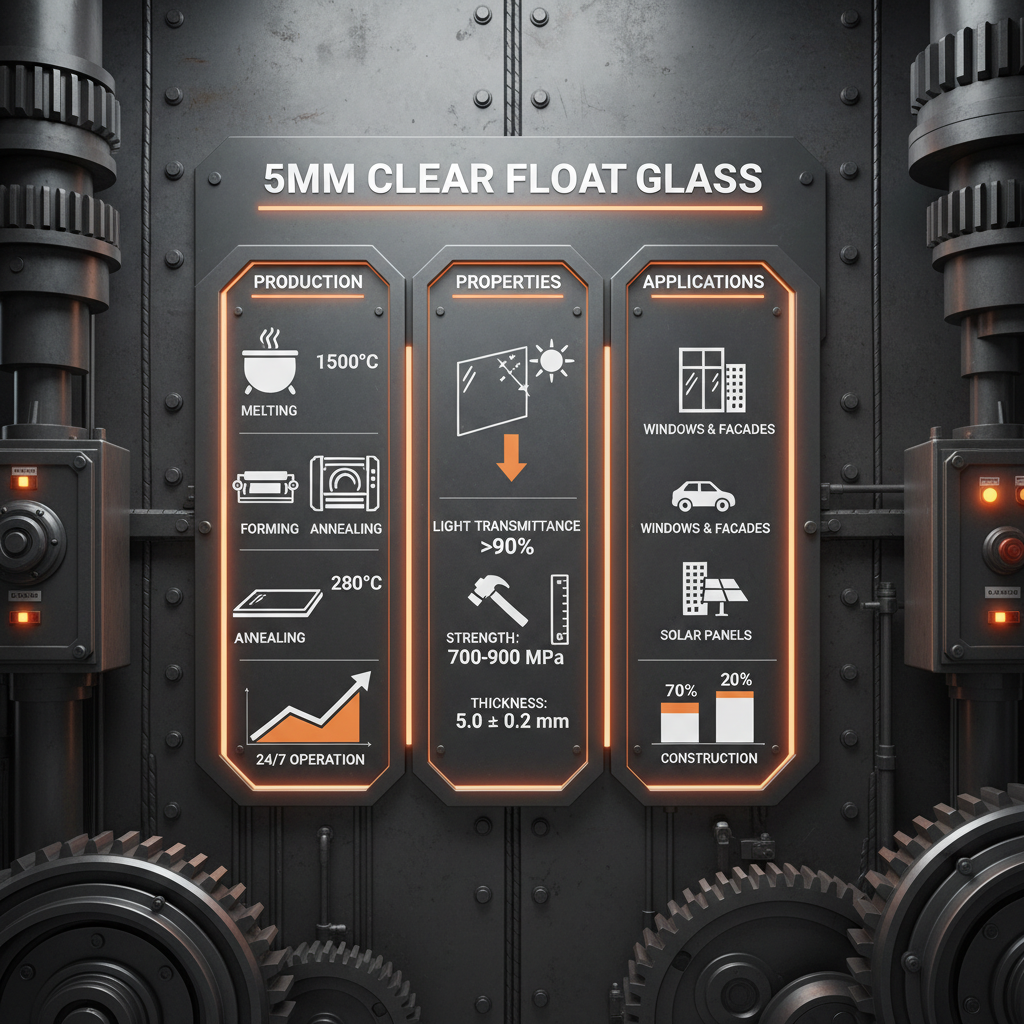
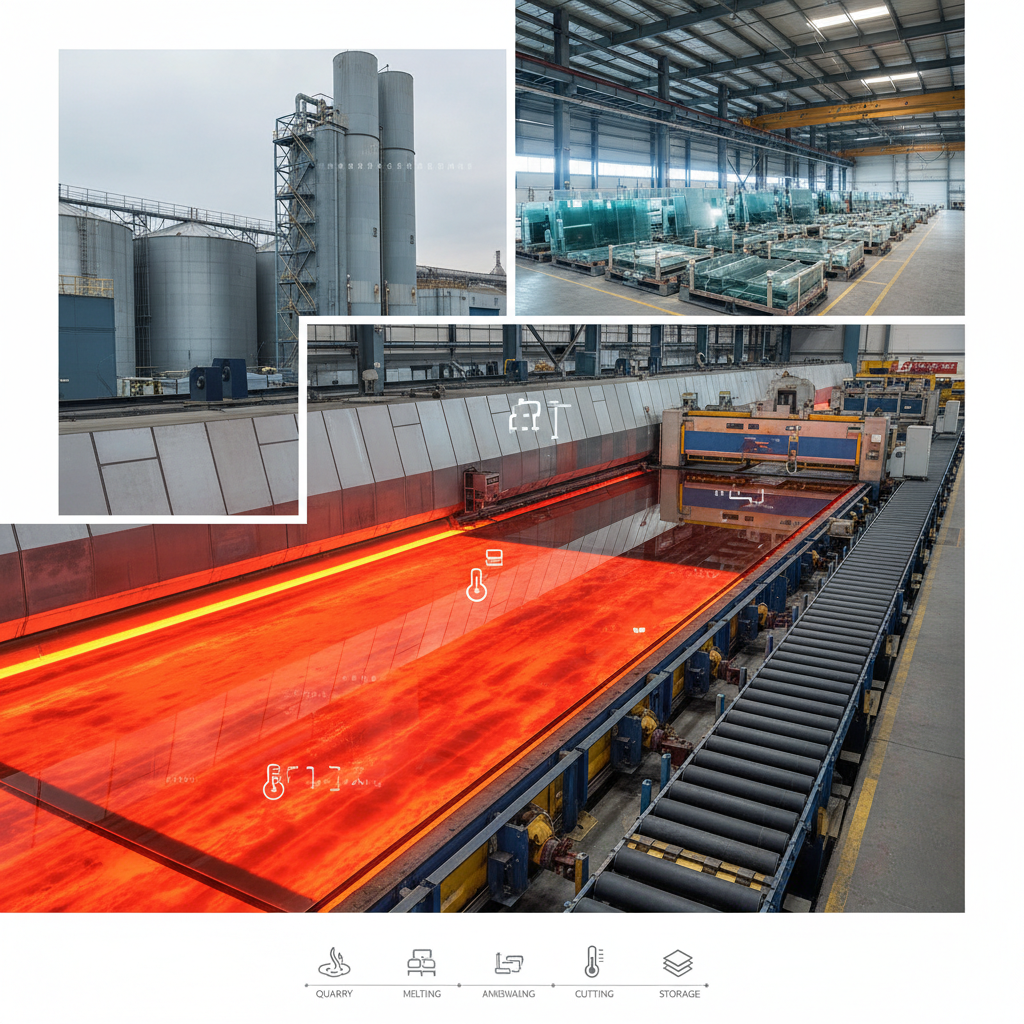
In technical terms, 5mm clear float glass is produced by floating molten glass on a bed of molten tin. This process, known as the Pilkington process, allows the glass to spread evenly, creating a perfectly flat surface with uniform thickness without the need for subsequent grinding or polishing. The "clear" designation refers to its high light transmission, typically exceeding 88-90%, which allows natural light to flood interior spaces.
The 5mm specification is not merely a measurement of thickness but a performance grade. It provides a critical baseline for "deep processing." For instance, when this glass is subjected to thermal tempering, it transforms into safety glass that is significantly stronger than its annealed counterpart. Similarly, it serves as the ideal base for silvering processes to create high-definition mirrors or for applying metallic oxides to create coated, energy-efficient glass.
From a humanitarian and urban planning perspective, the availability of affordable 5mm float glass is essential for creating hygienic, weather-proof shelters and public buildings. Its ability to be easily cleaned and its resistance to corrosion make it an indispensable material for healthcare facilities and educational institutions in developing regions, where longevity and low maintenance are paramount.
Core Performance Factors of Float Glass
Optical clarity is the most immediate benefit of 5mm clear float glass. By minimizing impurities like iron oxide, manufacturers ensure that the glass does not have a heavy green tint, allowing for an unobstructed view of the outside world. This clarity is essential for storefronts and exhibition cases where the product on display must be seen in its true color.
Durability and structural stability are equally critical. The 5mm thickness provides a robust defense against environmental stressors such as wind pressure and temperature fluctuations. Unlike thinner panes that may flex or vibrate under stress, 5mm clear float glass maintains its shape, reducing the risk of spontaneous breakage in standard frame configurations.
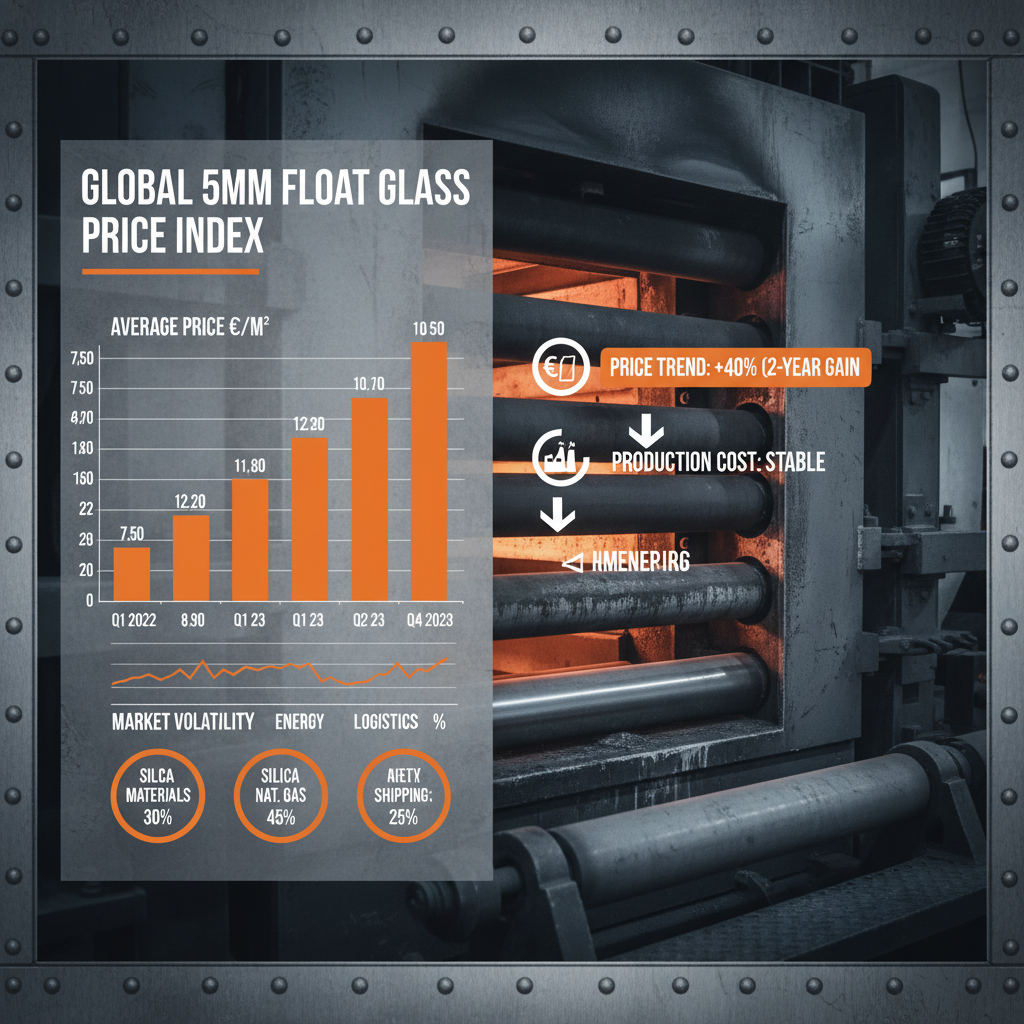
Finally, cost-efficiency defines its market dominance. Because the manufacturing process is highly automated and the raw materials (silica sand, soda ash, and limestone) are abundant, this glass offers an unmatched price-to-performance ratio. It allows developers to achieve a modern, "glass-heavy" aesthetic without the prohibitive costs associated with specialty acrylics or thicker architectural glass.
Global Applications and Use Cases
The application of 5mm clear float glass spans multiple continents and industries. In North America and Europe, it is frequently used as the inner lite for Insulated Glass Units (IGUs), providing a clear seal that prevents heat transfer while maintaining a sleek look. In Asia's booming furniture markets, it is the preferred material for tabletops and shelving due to its ability to withstand daily wear and tear while remaining transparent.
In more specialized contexts, such as industrial zones or remote research stations, this glass is used in prefabricated modular buildings. Its predictability makes it easy to transport and install in areas where skilled labor may be scarce. For example, in post-disaster reconstruction projects, 5mm glass is often specified for temporary clinics and offices because it can be sourced quickly and installed using standard glazing beads.
Comparative Performance of 5mm Clear Float Glass Variants
Long-Term Value and Strategic Advantages
Investing in high-quality 5mm clear float glass yields tangible long-term benefits, particularly in terms of sustainability. Glass is 100% recyclable, and because 5mm float glass is so ubiquitous, the infrastructure for recycling it is well-established. By utilizing this material, building owners can reduce their environmental footprint while maintaining a high standard of living and operational efficiency.
Beyond the logical arguments of cost and ecology, there is an emotional value associated with transparency. The use of clear glass in modern architecture fosters a sense of openness, trust, and connection with nature. Whether it is a sun-drenched living room or a transparent corporate headquarters, the reliability of 5mm clear float glass ensures that this aesthetic vision is achieved without compromising the safety or dignity of the occupants.
Future Trends in Glass Technology
The future of 5mm clear float glass is intrinsically linked to the digital transformation of the construction industry. We are seeing the emergence of "smart glass" where the 5mm float substrate is coated with conductive layers, allowing the glass to switch from transparent to opaque via an electrical trigger. This innovation promises to revolutionize privacy and energy management in smart cities.
Furthermore, the push toward "Green Building" certifications like LEED and BREEAM is driving the development of low-emissivity (Low-E) coatings on 5mm glass. By applying microscopically thin layers of silver or metal oxide, the glass can reflect infrared light (heat) while letting visible light pass through. This ensures that the clear beauty of the glass is maintained while drastically reducing air conditioning costs in tropical climates.
Automation in the manufacturing process is also enhancing the precision of the float process. AI-driven sensors now monitor the tin bath in real-time, ensuring that the 5mm thickness is maintained with near-zero variance across kilometers of glass ribbon. This precision reduces waste and ensures that every single pane delivered to a customer meets the highest global quality standards.
Challenges and Professional Solutions
Despite its versatility, 5mm clear float glass faces challenges, primarily concerning breakage and safety. As annealed glass, it breaks into sharp shards, which can be hazardous in high-traffic areas. The professional solution is simple: tempering. By heating the glass and cooling it rapidly, the internal stresses are redistributed, resulting in a product that is 4-5 times stronger and breaks into small, blunt granules.
Another common issue is "glass fogging" or condensation in double-glazed units. This usually happens when the seal fails, allowing moist air to enter the gap between the panes. To solve this, industry experts recommend using high-grade primary sealants and desiccant-filled spacers during the assembly of the 5mm clear float glass units, ensuring a lifetime of clarity and thermal efficiency.
Lastly, the risk of surface scratches during transport and installation can compromise the aesthetic value. The implementation of advanced protective films and the use of specialized suction-cup handling equipment have significantly mitigated this risk. By adopting a rigorous quality control protocol from the factory floor to the final installation, the inherent beauty of the glass is preserved.
Analysis of 5mm Clear Float Glass Application Scenarios
| Application Scenario |
Recommended Processing |
Safety Rating (1-10) |
Cost Efficiency |
| Residential Windows |
Annealed/Double Glazed |
7 |
Very High |
| Storefront Displays |
Tempered |
9 |
High |
| Office Partitions |
Laminated |
10 |
Medium |
| Furniture Glass |
Polished Edges/Annealed |
6 |
Very High |
| Mirror Substrate |
Silver Coating |
7 |
High |
| Greenhouse Panels |
Clear Float |
5 |
Maximum |
FAQS
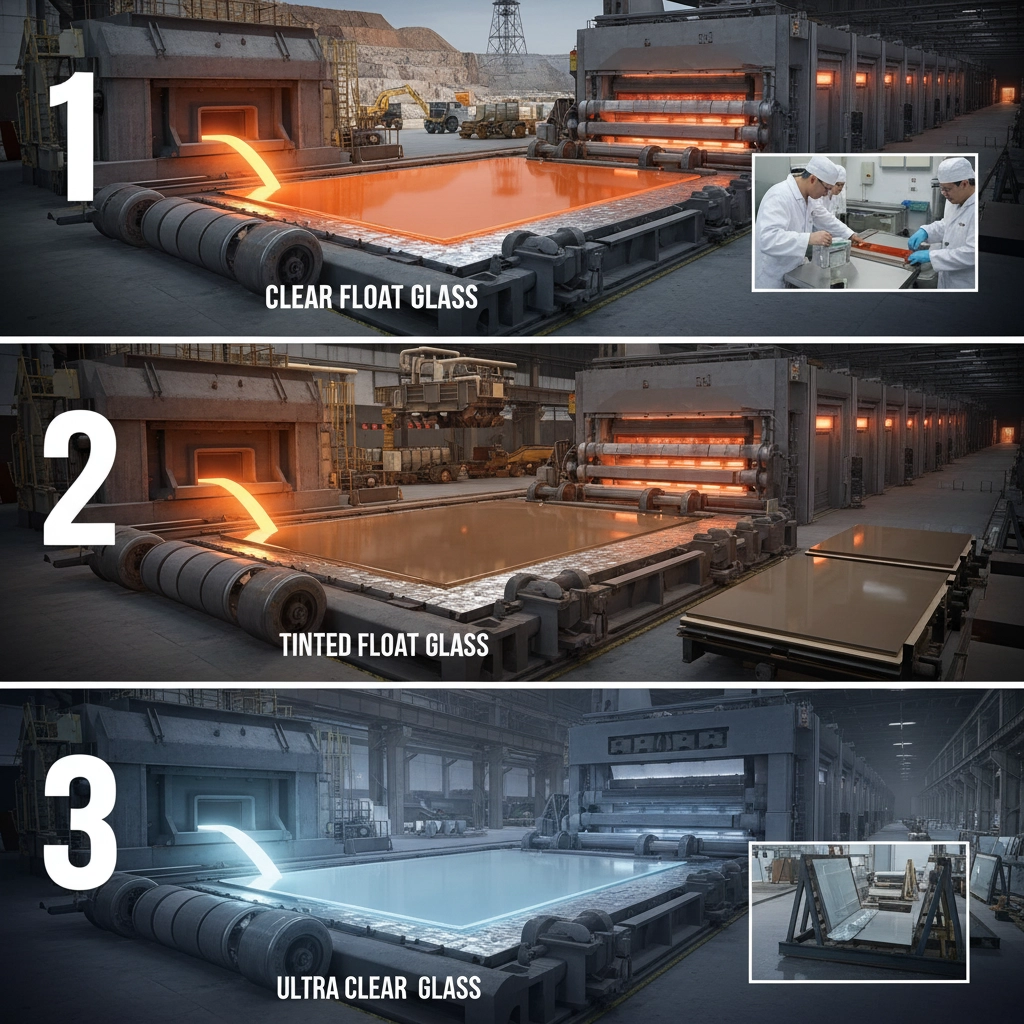
Standard 5mm clear float glass has a slight green tint due to the iron content in the raw silica sand. Ultra-clear glass (low-iron glass) removes these impurities to achieve a nearly colorless appearance. While standard float glass is ideal for most construction, ultra-clear glass is preferred for luxury displays, high-end museums, and projects where absolute color accuracy is required.
Yes, it is suitable for most tabletop applications, provided the surface is properly supported. However, for tables that will bear heavy loads or be used in high-traffic areas, we strongly recommend using tempered 5mm glass. Tempered glass is significantly more impact-resistant and breaks into safer fragments, reducing the risk of injury.
No, once glass has undergone the tempering process, it cannot be cut, drilled, or ground. Any attempt to do so will cause the entire pane to shatter instantly. All measurements and holes must be precisely determined and executed while the glass is still in its annealed (float) state before it enters the tempering furnace.
Condensation occurs when warm, moist air hits a cold glass surface. The best solution is to use 5mm float glass within an Insulated Glass Unit (IGU) with argon gas filling and a warm-edge spacer. For existing single-pane glass, improving room ventilation or using dehumidifiers can help reduce the moisture levels that lead to fogging.
Absolutely. Glass is one of the most sustainable building materials available because it is made from natural minerals and is 100% recyclable. Using 5mm clear float glass helps in reducing the need for synthetic plastics in construction. Furthermore, its ability to maximize natural light reduces the reliance on artificial lighting, lowering energy consumption.
The most accurate way is using a digital caliper. If you don't have one, you can check the project specifications or look for manufacturer stamps on the edge of the pane. In a professional setting, measuring the weight of the glass per square meter can also confirm the thickness, as 5mm float glass typically weighs approximately 12.5 kg per square meter.
Conclusion
In summary, 5mm clear float glass remains a cornerstone of the modern glass industry, offering an optimal blend of transparency, structural reliability, and cost-effectiveness. From its precision manufacturing via the float process to its myriad of applications in residential and commercial architecture, it provides the essential foundation for nearly all deep-processed safety glass products. By balancing weight and strength, it enables the creation of open, light-filled spaces that enhance both functionality and well-being.
Looking forward, the integration of smart coatings and sustainable production methods will only increase the value of this versatile material. For architects and developers, specifying the right grade of float glass is not just a technical requirement but a strategic decision that impacts the longevity and efficiency of a building. We encourage you to partner with experienced manufacturers to ensure your projects benefit from the highest standards of quality and innovation. Visit our website: www.mirrorglassfactory.com