2mm float glass – it's not just a product spec, it's the backbone of so much of what we build. After years on sites, wrestling with different materials, you quickly realize the value of something consistent, reliable, and frankly, easy to work with. This isn't some lab experiment; this is glass that needs to hold up against wind, weather, and everyday life. Understanding its properties, how it's made, and what it can do isn’t just good practice, it’s essential for getting the job done right and, more importantly, safely. 2mm float glass has become a workhorse in the industry, and for good reason.
The global demand for quality glass is constantly increasing, driven by urbanization, infrastructure development, and the need for energy-efficient buildings. According to the UN, global urbanization is projected to reach 68% by 2050, meaning a massive demand for construction materials, including glass. We're seeing more projects pushing for lighter-weight glazing solutions, and 2mm float glass fits the bill. But it’s not simply about meeting demand; it’s about facing the challenges that come with scaling production while maintaining quality and addressing the logistics of getting this material to projects worldwide. The ISO standards for glass quality are getting stricter, and we need to stay ahead of the curve.
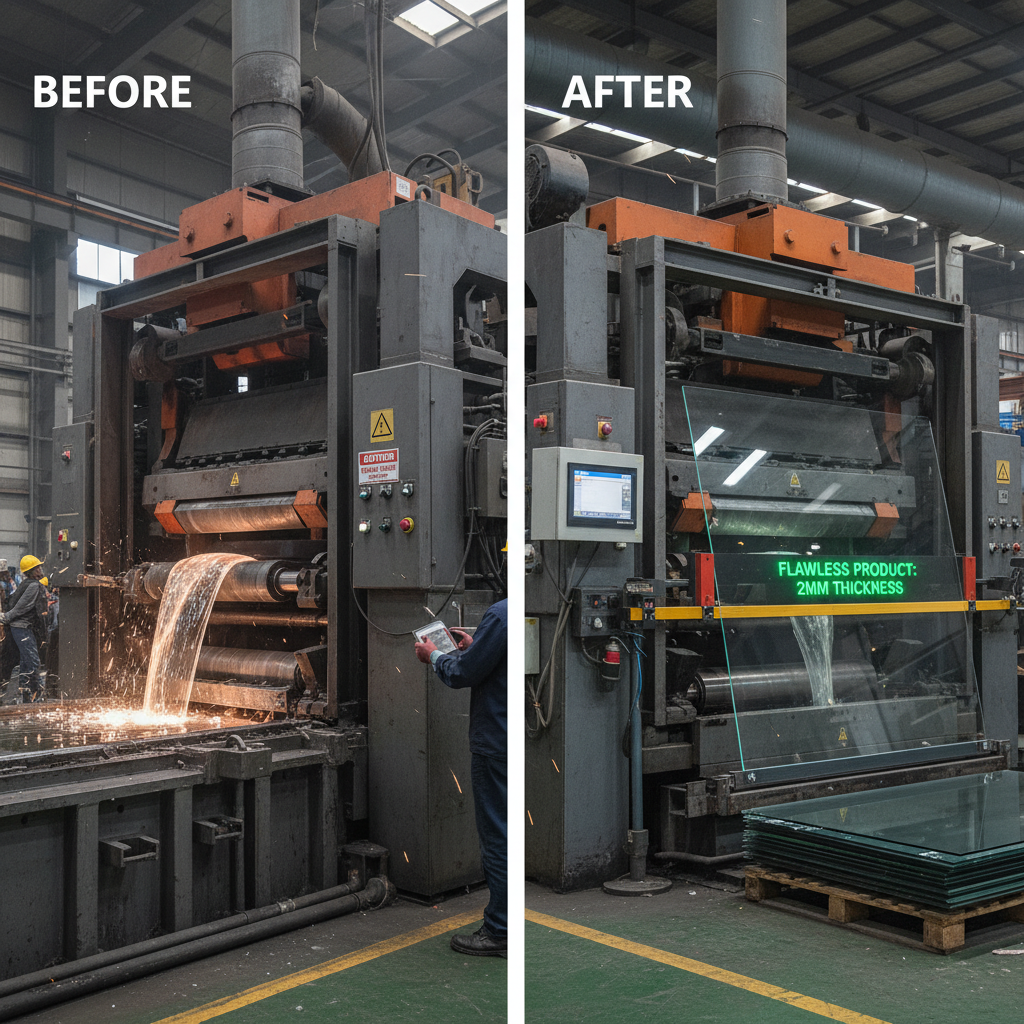
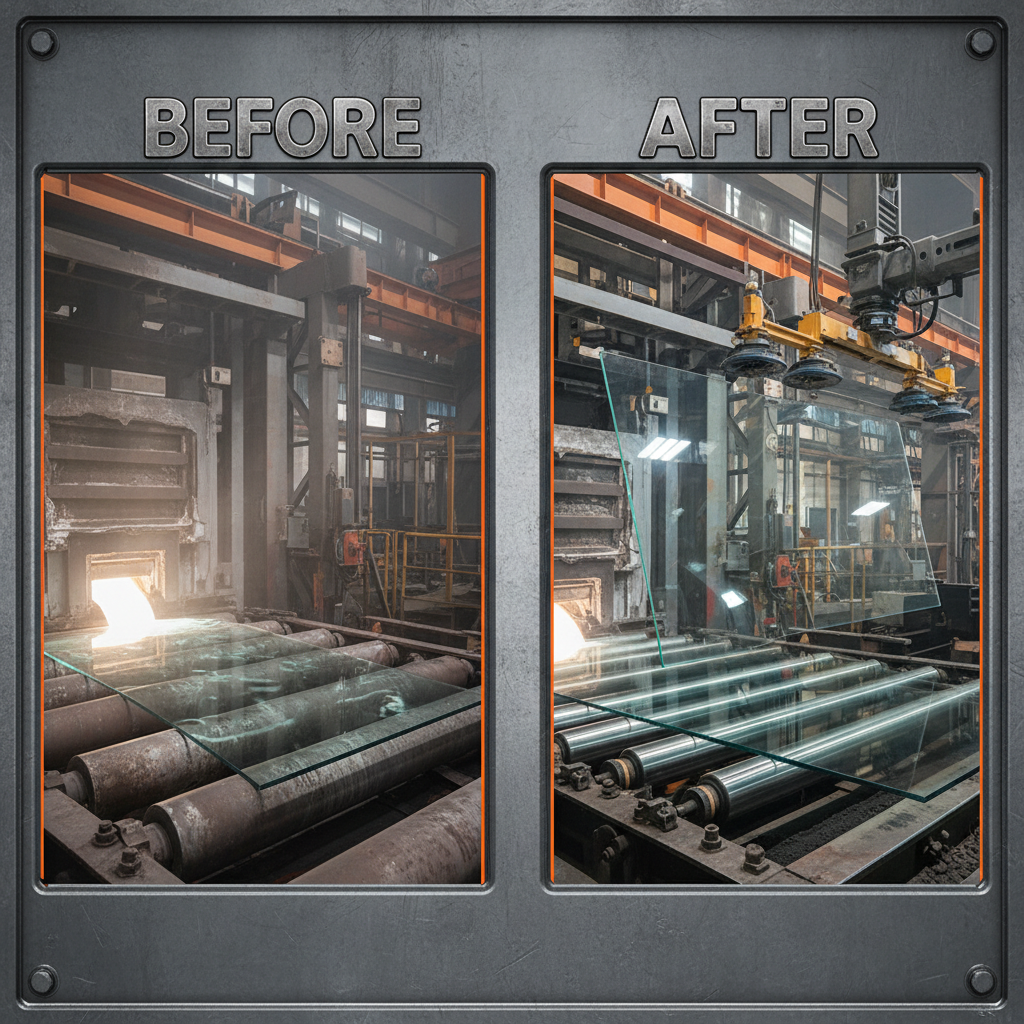
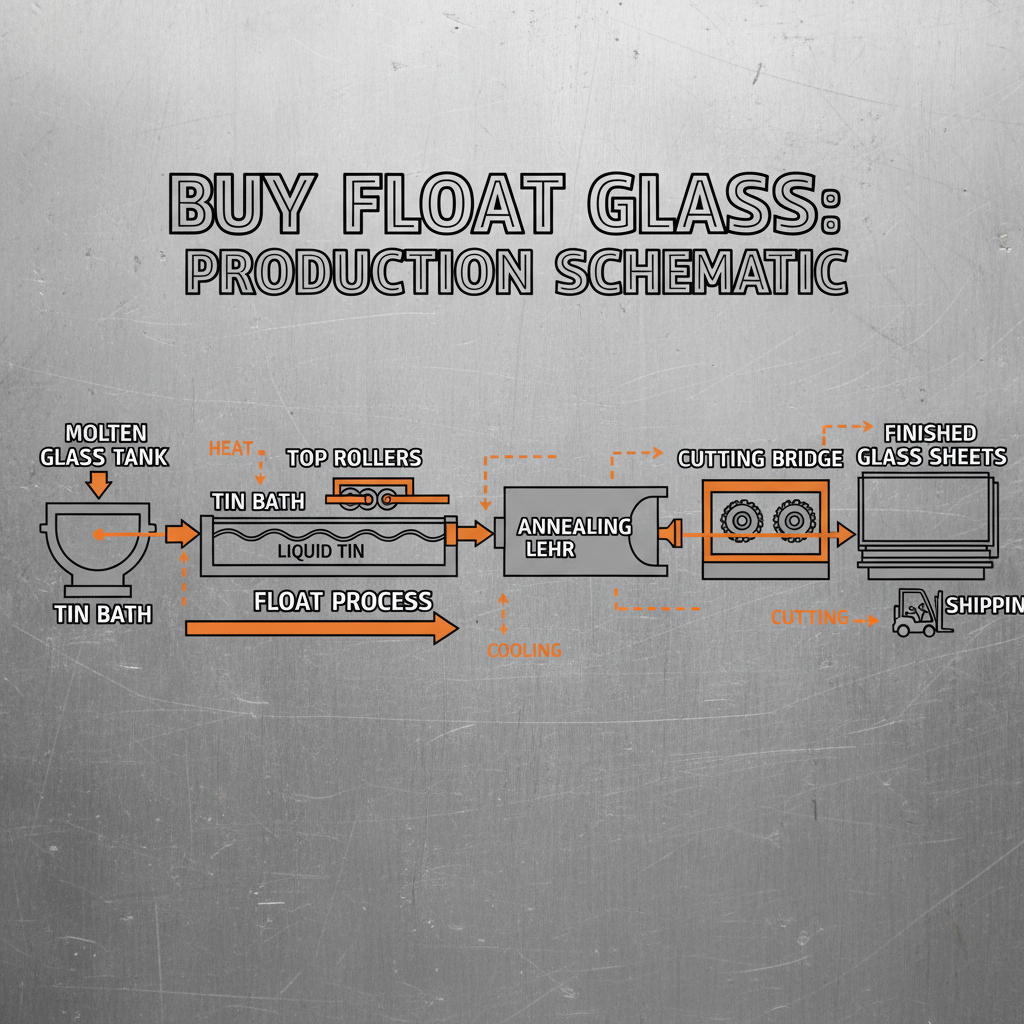
Essentially, 2mm float glass is a sheet of glass made by floating molten glass on a bed of molten tin. Sounds simple, right? It’s the precision of that process that makes all the difference. It results in a remarkably flat, smooth surface, and consistent thickness. Unlike older glassmaking methods, float glass eliminates distortions, giving you a clearer view and making it easier to work with for cutting, laminating, and tempering. In today's building world where aesthetics and performance go hand-in-hand, 2mm float glass isn't just a component; it’s a core element of design and functionality.
The Importance of 2mm Float Glass in Modern Construction
You spend enough time on a site, and you start to appreciate the little things. 2mm float glass is one of those. It's lightweight enough to handle easily, yet strong enough for a wide range of applications. I've seen it used in everything from shopfronts and interior partitions to display cases and even some specialized solar panel covers. It’s a versatile material, and that versatility saves time and money on the job.
What’s really important, though, is consistency. You need to know that every sheet you’re pulling off the pallet is going to be the same. Variations in thickness or flatness can throw off entire projects, leading to delays and rework. That’s where a reliable supplier, and a well-controlled manufacturing process, really come into play. 2mm float glass produced to stringent quality standards minimizes those risks.
Global Relevance and Industry Context
Look around any major city, and you’ll see 2mm float glass. It’s the material behind the modern storefront, the gleaming office tower, and the energy-efficient windows in homes. The global construction industry is a multi-trillion dollar market, and glass is a critical component. Developing nations are rapidly urbanizing, creating a huge demand for affordable and reliable building materials.
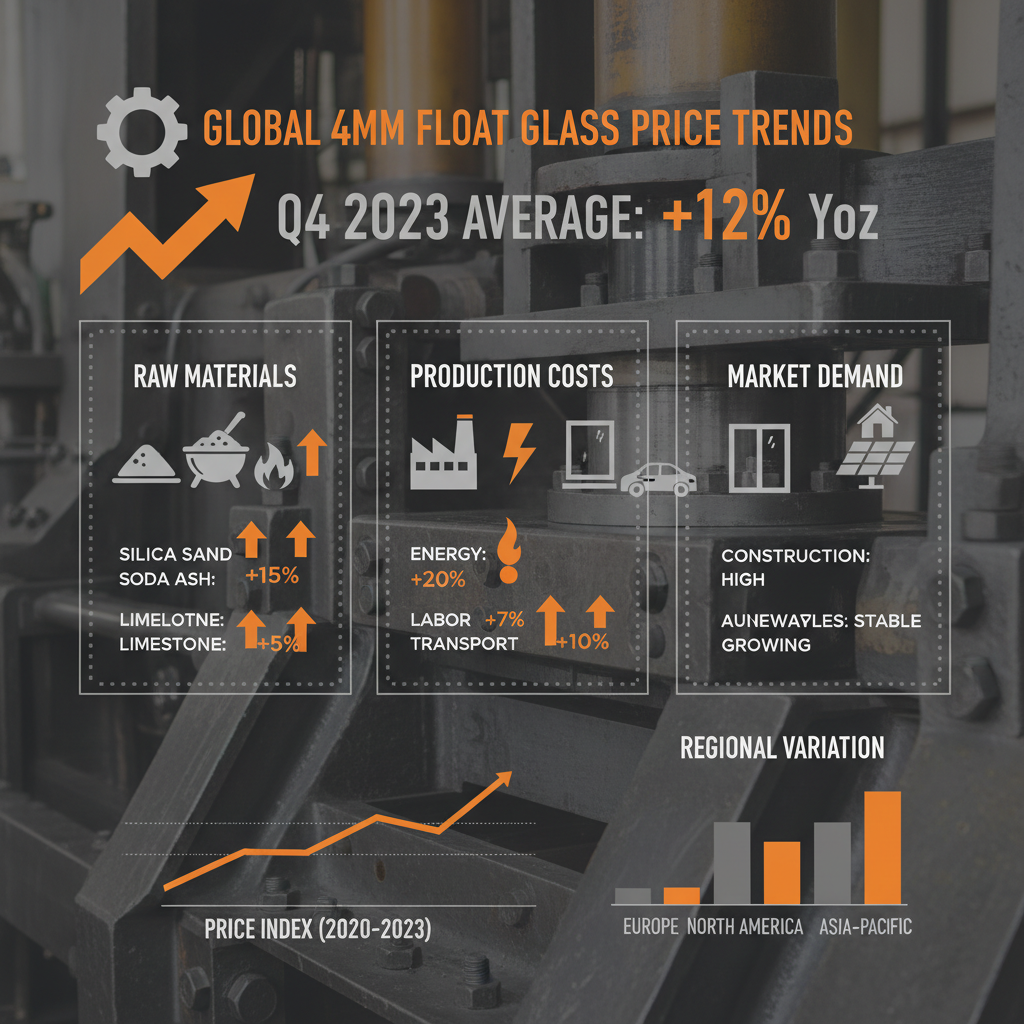
One of the biggest challenges we face right now is balancing this demand with sustainability concerns. Traditional glass manufacturing can be energy intensive. We’re seeing a push for more recycled content in glass production, and for manufacturers to adopt more energy-efficient processes. Companies that can demonstrate a commitment to sustainability are going to have a significant competitive advantage.
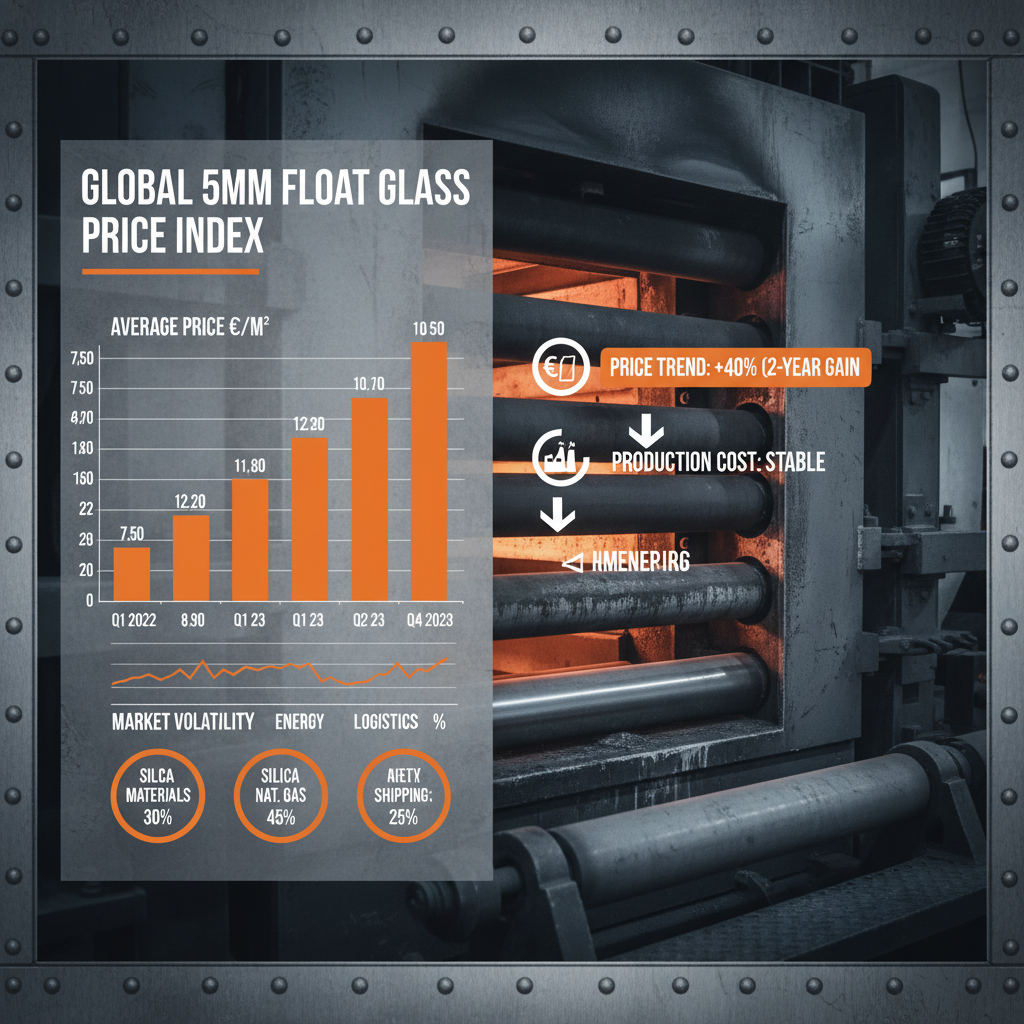
Furthermore, logistical issues continue to pose a significant headache. Global supply chains are fragile, and transportation costs are constantly fluctuating. Getting 2mm float glass to projects on time and within budget requires careful planning and strong relationships with suppliers and logistics providers.
Defining 2mm Float Glass: A Clear Understanding
Put simply, 2mm float glass is a high-quality glass that’s been manufactured using the float process. It's 2 millimeters thick – that slight thickness gives it a good balance between weight, strength, and cost. It's a base material; you can then treat it further – laminate it for safety, temper it for strength, coat it for energy efficiency, or etch it for decorative purposes.
The connection to modern industry isn’t just about buildings. It's about enabling innovation. Think about solar panels – 2mm float glass often forms the protective cover, allowing sunlight to reach the photovoltaic cells. Or consider the automotive industry, where it’s used in windshields and other safety-critical components. It’s a foundational material that supports a huge range of technologies.
It’s also quietly playing a role in addressing humanitarian needs. In disaster relief, lightweight, shatter-resistant glass can be used for temporary shelters and emergency repairs. The ease of cutting and installing 2mm float glass makes it an invaluable resource in those situations.
Key Characteristics of 2mm Float Glass
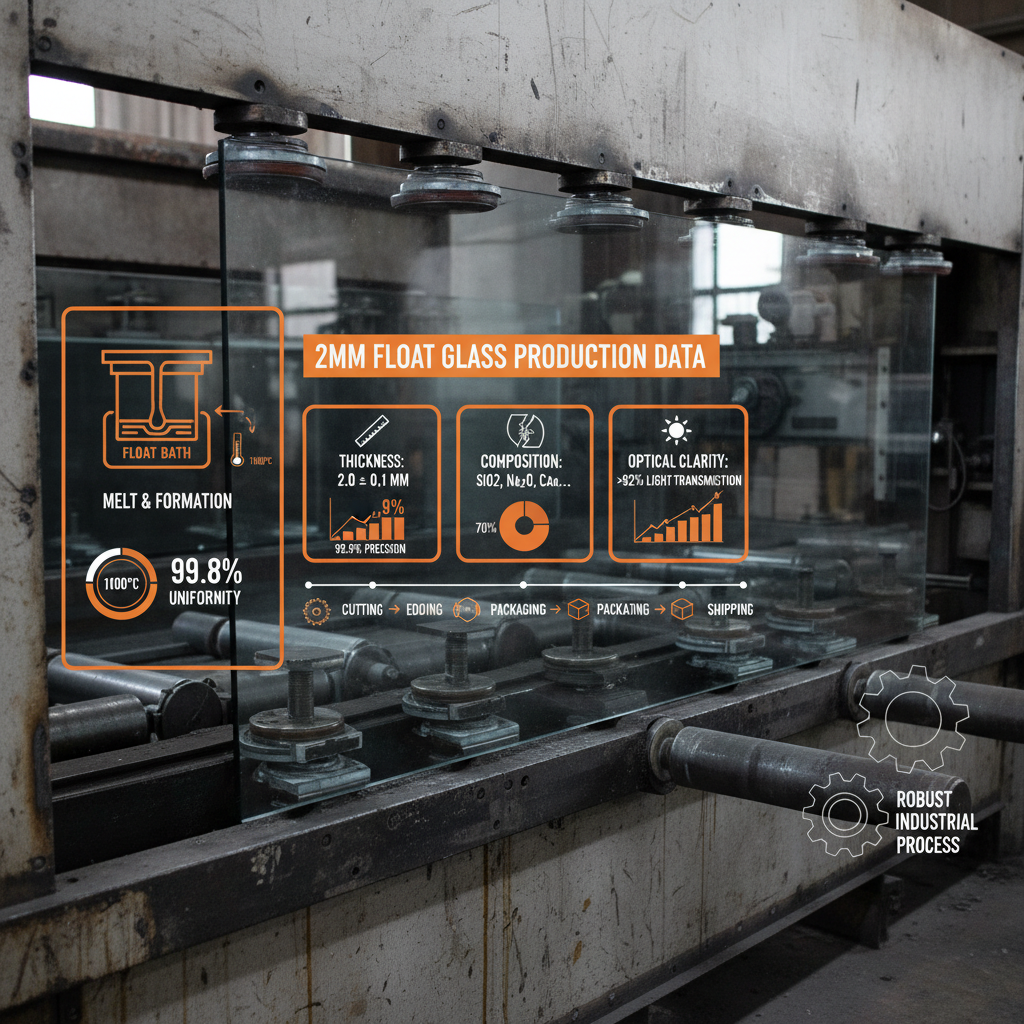
Let’s talk specifics. The key here is uniformity. Consistent thickness across the entire sheet is crucial for minimizing stress and preventing breakage during cutting and installation. That’s the beauty of the float process.
Another crucial property is its optical clarity. You want a glass that allows maximum light transmission without distortion. This is particularly important for applications like shopfronts and display cases, where visual appeal is paramount.
2mm Float Glass Performance Metrics
Applications Across Diverse Industries
We've already touched on construction, automotive, and solar. But the applications don't stop there. I've seen 2mm float glass used extensively in furniture manufacturing – table tops, shelving, display cabinets. It adds a touch of elegance and durability.
In the signage industry, it's used for creating everything from illuminated signs to decorative panels. The ability to easily cut and shape the glass allows for a lot of creative freedom. And in the medical field, it's used in laboratory equipment and display cases for sensitive instruments.
Advantages and Long-Term Value Proposition
Cost-efficiency is a big one. 2mm float glass is generally more affordable than thicker glass options, without sacrificing too much in terms of performance. That’s critical for large-scale projects where every dollar counts.
But it's not just about the initial cost. It's about the long-term value. A well-installed glass panel can last for decades with minimal maintenance. And the energy efficiency benefits – particularly when combined with low-E coatings – can translate into significant savings on heating and cooling costs over the lifespan of a building.
From a safety standpoint, it’s also a strong choice. While 2mm isn't inherently shatterproof, it can be easily laminated or tempered to enhance its resistance to impact. And knowing you're using a reliable material that's been tested to meet industry standards gives you peace of mind.
Future Trends and Innovations in 2mm Float Glass Technology
The biggest trend I’m seeing is a focus on sustainable manufacturing. Companies are investing in technologies to reduce their carbon footprint and increase the use of recycled materials. That’s a good thing.
We’re also seeing innovation in coatings. New coatings are being developed that offer improved solar control, self-cleaning properties, and even anti-bacterial surfaces. These advancements will expand the range of applications for 2mm float glass.
Digitalization is playing a role too. Smart glass – glass that can change its opacity or color on demand – is becoming more sophisticated and affordable. While it’s still relatively niche, I expect to see it become more mainstream in the coming years. 2mm float glass will likely be the base material for many of these smart glass technologies.
Analysis of Challenges and Solutions for 2mm Float Glass Application
| Challenge |
Impact on Project |
Potential Solutions |
Implementation Cost (1-10) |
| Fragility during transport |
Increased breakage rates, project delays. |
Improved packaging, careful handling procedures. |
4 |
| Surface Scratches |
Aesthetic issues, potential for structural weakening. |
Protective films during installation, careful handling. |
3 |
| Cutting Accuracy |
Misalignment, rework, increased labor costs. |
Automated cutting equipment, skilled operators. |
6 |
| Supply Chain Disruptions |
Delays in material delivery, project postponements. |
Diversifying suppliers, maintaining buffer stocks. |
7 |
| Quality Control Inconsistencies |
Variable material performance, potential for failures. |
Rigorous inspection procedures, supplier audits. |
5 |
| Sustainability Concerns |
Environmental impact, negative public perception. |
Using recycled glass, reducing energy consumption. |
8 |
FAQS
Lead times can vary significantly depending on the size of the order, current demand, and the supplier's production capacity. Generally, for standard orders, you can expect a lead time of 2-4 weeks. Larger or customized orders might take 6-8 weeks or longer. It’s always best to check with your supplier early in the project planning process to confirm availability and delivery schedules. Accurate forecasting is key.
Safety first! 2mm float glass, while durable, is still glass. Always wear appropriate personal protective equipment (PPE) like gloves and safety glasses. Transport sheets vertically whenever possible and use edge protectors to prevent chipping. Store glass in a dry, secure area, away from potential impacts. When cutting, use the correct tools and follow manufacturer’s instructions. And always be mindful of your surroundings.
Absolutely! Glass is 100% recyclable. The process involves crushing the glass into cullet, which is then melted down and used to create new glass products. Using cullet reduces energy consumption and raw material usage. Many glass manufacturers have established recycling programs, so check with your supplier to see if they offer take-back services.
Annealed glass is the standard form, cooled slowly to reduce internal stresses. It’s relatively easy to cut and work with, but breaks into large, sharp shards. Tempered glass, on the other hand, is heat-treated to increase its strength. When it breaks, it shatters into small, relatively harmless pieces. Tempered glass is ideal for applications requiring safety, such as doors and windows.
Check for scratches, chips, and edge damage. Look for distortions or waves in the glass surface. Also, inspect for inclusions – small air bubbles or impurities within the glass. Finally, ensure the dimensions are accurate and consistent with your specifications. Document any defects and report them to your supplier immediately.
Generally, 2mm float glass is more cost-effective than thicker options due to reduced material usage and manufacturing costs. However, the price can vary depending on factors like quantity, quality, and any additional treatments (tempering, lamination, coatings). It’s essential to get quotes from multiple suppliers to compare prices and ensure you’re getting the best value.
Conclusion
2mm float glass is a foundational material in the modern construction landscape. Its versatility, cost-effectiveness, and consistent quality make it a go-to choice for a wide range of applications. Understanding its properties and the challenges associated with its production and use is crucial for anyone involved in the building industry. It’s not just about the glass itself; it’s about the entire supply chain and the commitment to quality and sustainability.
Looking ahead, innovation in glass technology will continue to drive improvements in performance and sustainability. Embracing these advancements and prioritizing responsible sourcing will be key to ensuring that 2mm float glass remains a vital component of our built environment for years to come. For high-quality 2mm float glass solutions, visit our website today!