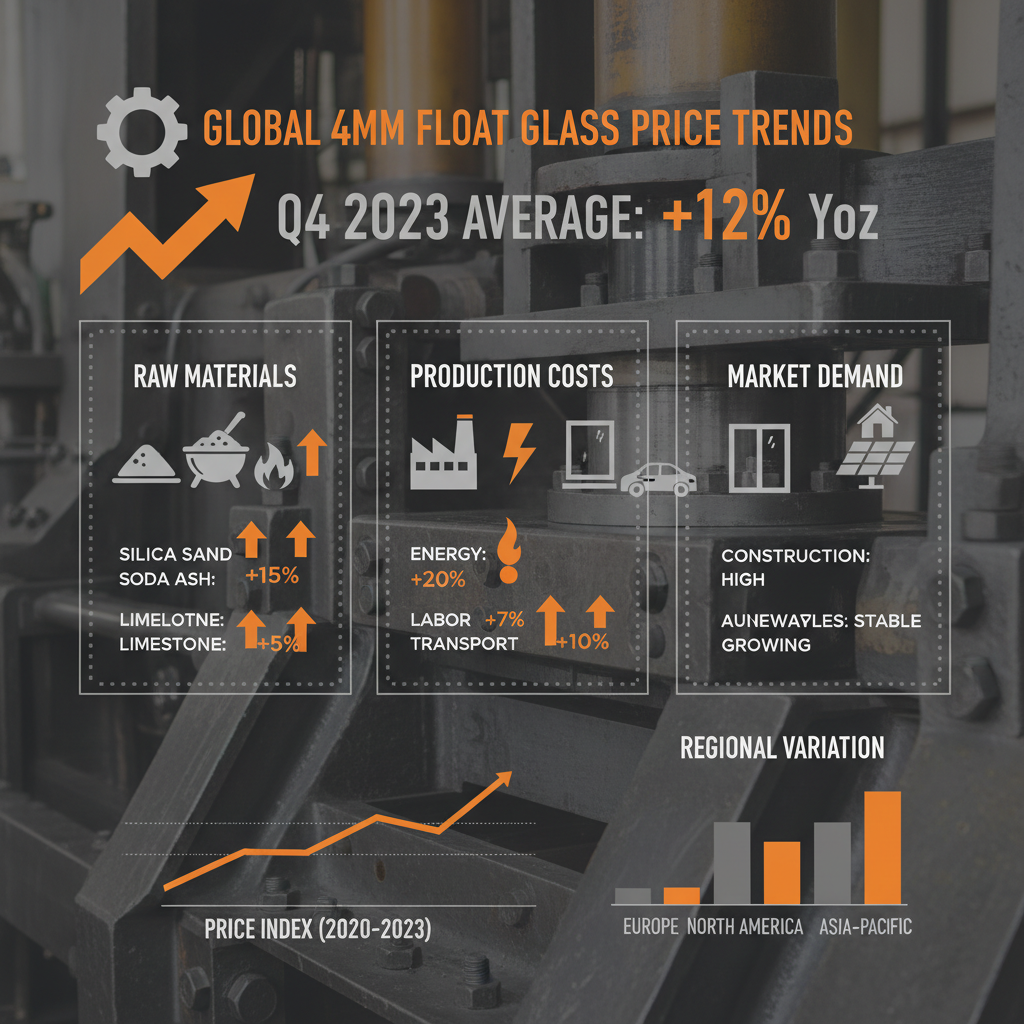
3mm clear float glass is a foundational material in countless modern applications, from architectural marvels to everyday household items. Its clarity, consistency, and versatility make it an indispensable component in the global glass industry. Understanding its properties and applications is crucial for professionals in construction, automotive, interior design, and many other sectors. As global demand for high-quality glass continues to rise, the importance of mastering the nuances of 3mm clear float glass only increases, paving the way for innovation and efficiency.
The production of 3mm clear float glass adheres to stringent international standards, ensuring consistent quality and performance. Developed in the 1950s, the float process revolutionized glass manufacturing, replacing older, less efficient methods. Today, advancements in float glass technology focus on minimizing imperfections, improving optical properties, and reducing energy consumption. This commitment to quality and innovation makes 3mm clear float glass a reliable and sustainable material for a wide range of applications.
From enhancing natural light in buildings to protecting sensitive electronics, 3mm clear float glass plays a vital role in improving lives and driving economic growth. Its affordability and ease of processing further contribute to its widespread adoption. By leveraging the unique characteristics of this material, businesses can create innovative products and solutions that meet the evolving needs of a global market.
The Significance of 3mm Clear Float Glass
3mm clear float glass represents a cornerstone of modern material science, enabling a vast spectrum of applications across diverse industries. Its significance extends beyond simple transparency, influencing energy efficiency, structural integrity, and aesthetic design. The demand for 3mm clear float glass consistently rises alongside global construction and manufacturing growth, making it a critical component of economic development.
The adoption of 3mm clear float glass has demonstrably reduced reliance on less sustainable materials. Its recyclability and relatively low manufacturing impact contribute to a smaller environmental footprint. As architects and designers increasingly prioritize green building practices, 3mm clear float glass emerges as a responsible and versatile material choice.
Understanding 3mm Clear Float Glass
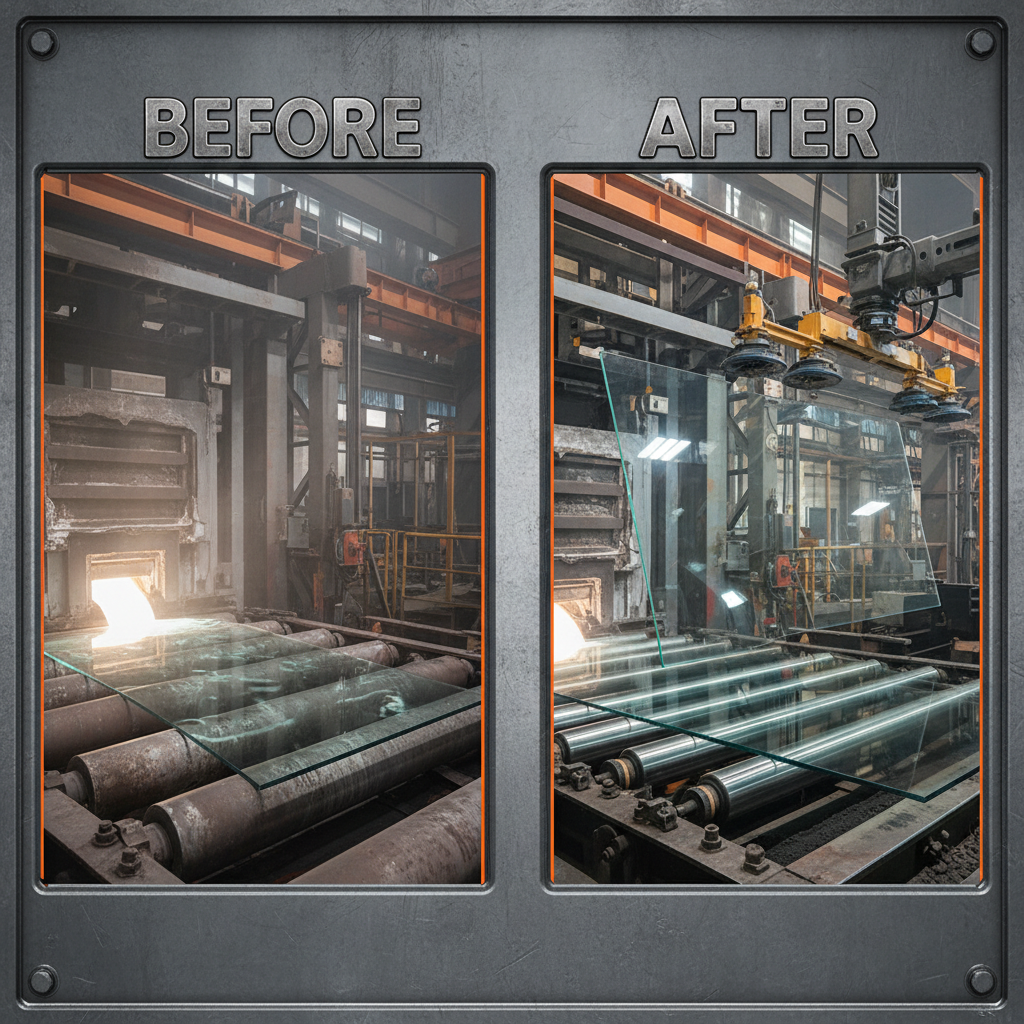
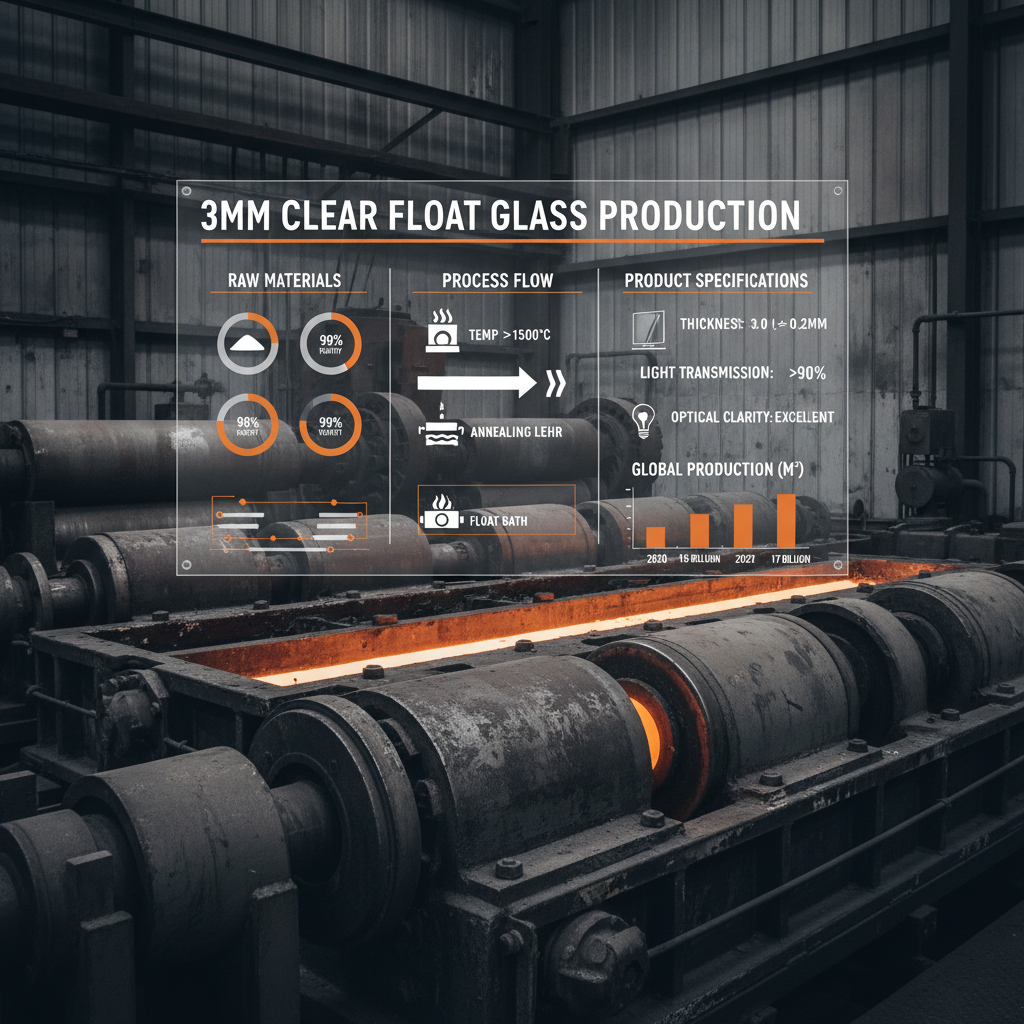
3mm clear float glass is a type of glass manufactured using the float process, where molten glass is floated on a bed of molten tin. This process results in a remarkably flat and uniform surface, devoid of the distortions often found in older glass manufacturing techniques. The "3mm" designation refers to the thickness of the glass, a common and versatile dimension for various applications.
The clarity of 3mm clear float glass is achieved through the careful control of its chemical composition, minimizing impurities that can cause color distortion or light scattering. This high level of transparency makes it ideal for applications where unobstructed visibility is paramount. Its smooth surface also contributes to its excellent light transmission properties.
Unlike many other glass types, 3mm clear float glass does not undergo tempering or lamination during its initial production. This allows for further processing, such as cutting, bending, coating, or combining with other materials to create specialized glass products tailored to specific requirements. Its adaptability is a key element of its widespread appeal.
Core Properties of 3mm Clear Float Glass
Durability is a defining characteristic of 3mm clear float glass. While not as strong as tempered glass, it offers sufficient resistance to everyday wear and tear, making it suitable for a wide range of applications. Its inherent rigidity and ability to withstand pressure contribute to the stability of structures utilizing this material.
Optical Clarity is arguably the most important property of 3mm clear float glass. Its high transmission rate allows for maximum light penetration, creating bright and inviting spaces. This clarity also makes it ideal for applications requiring accurate visual perception, such as display cases and scientific instruments.
Thermal Resistance is a crucial consideration in many applications. 3mm clear float glass demonstrates moderate thermal resistance, allowing it to withstand temperature fluctuations without significant expansion or contraction. However, it's important to note that rapid temperature changes can still cause stress and potential breakage.
Global Applications of 3mm Clear Float Glass
The applications of 3mm clear float glass are exceptionally diverse, spanning across multiple industries worldwide. In the construction sector, it's extensively used in windows, doors, curtain walls, and interior partitions, maximizing natural light and creating aesthetically pleasing designs. Its use in commercial buildings, residential structures, and public spaces is ubiquitous.
The automotive industry relies heavily on 3mm clear float glass for windshields, side windows, and rear windows, providing drivers with clear visibility and ensuring passenger safety. Stringent safety standards necessitate high-quality glass with minimal imperfections, making 3mm clear float glass a preferred choice.
3mm Clear Float Glass Applications by Industry
Advantages and Long-Term Value
One of the primary advantages of 3mm clear float glass is its cost-effectiveness. Compared to specialized glass types like tempered or laminated glass, it offers a more affordable solution for many applications without sacrificing essential performance characteristics. This makes it particularly attractive for large-scale projects and budget-conscious consumers.
Its versatility contributes significantly to its long-term value. 3mm clear float glass can be easily cut, shaped, and processed, allowing for customized solutions to meet specific design requirements. Its compatibility with various coatings and treatments further expands its functionality and aesthetic appeal.
Future Trends and Innovation
Ongoing research and development efforts are focused on enhancing the performance of 3mm clear float glass. Innovations in coating technology are leading to improved energy efficiency, UV protection, and self-cleaning properties. These advancements are crucial for meeting the growing demand for sustainable building materials.
The integration of smart glass technologies, such as electrochromic glass, presents exciting opportunities for 3mm clear float glass. Electrochromic glass can change its transparency on demand, offering dynamic control over light and heat gain, and further enhancing energy savings.
Furthermore, advancements in manufacturing processes aim to reduce the carbon footprint associated with 3mm clear float glass production. By optimizing energy consumption and utilizing recycled materials, manufacturers are striving to create a more environmentally responsible product.
Challenges and Solutions in 3mm Clear Float Glass Manufacturing
One of the significant challenges in 3mm clear float glass manufacturing is maintaining consistent quality and minimizing defects. Variations in raw material composition or fluctuations in the float process can lead to imperfections that compromise the glass’s optical properties or structural integrity. Implementing rigorous quality control measures and utilizing advanced sensor technology are crucial for addressing this challenge.
Another challenge is the energy-intensive nature of the float process. The high temperatures required for melting the glass contribute to significant carbon emissions. Investing in energy-efficient furnaces and exploring alternative energy sources are essential for reducing the environmental impact of 3mm clear float glass production.
Finally, managing the logistics and transportation of fragile glass sheets presents logistical hurdles. Implementing robust packaging solutions and optimizing supply chain routes can minimize breakage and ensure timely delivery. Collaborative efforts between manufacturers, distributors, and transportation providers are key to overcoming this challenge.
Summary of Solutions to Key 3mm Clear Float Glass Manufacturing Challenges
| Challenge |
Root Cause |
Proposed Solution |
Implementation Cost (1-10) |
| Quality Inconsistency |
Raw material variation |
Enhanced material sourcing & testing |
6 |
| High Energy Consumption |
Inefficient furnace technology |
Investment in modern, energy-efficient furnaces |
8 |
| Breakage during Transport |
Inadequate packaging |
Implementation of robust packaging solutions |
4 |
| Surface Imperfections |
Dust and particle contamination |
Improved air filtration systems in production areas |
5 |
| Process Control |
Manual adjustments and monitoring |
Automation of key process parameters |
7 |
| Waste Management |
Glass scrap and unusable material |
Implementation of recycling and reuse programs |
3 |
FAQS
Lead times for bulk orders of 3mm clear float glass typically range from 2-4 weeks, depending on order size, current production capacity, and shipping destination. Larger, customized orders may require longer lead times. It's always best to confirm current lead times with your supplier at the time of order placement, as these can fluctuate due to market conditions.
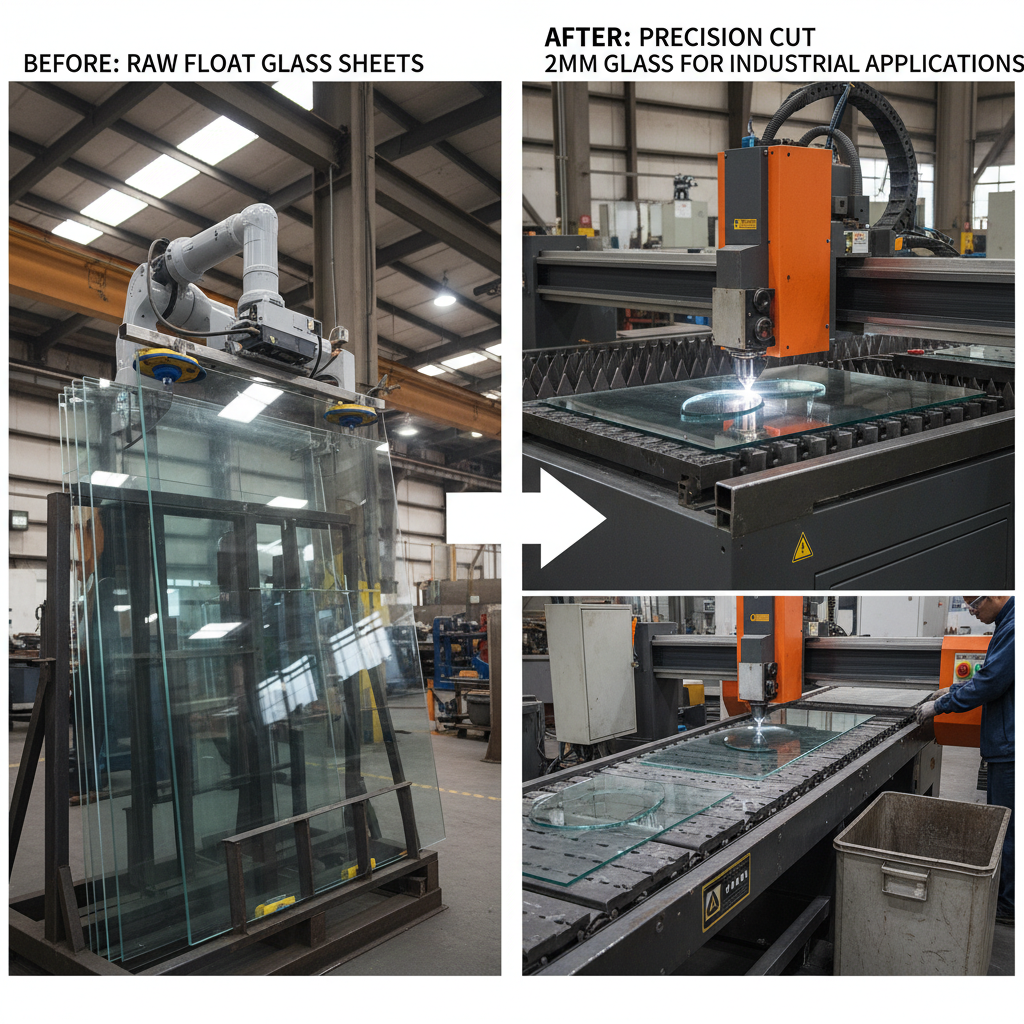
Yes, 3mm clear float glass is readily cut to custom sizes and shapes using standard glass cutting techniques. This allows for precise fabrication to meet specific project requirements. Professional glass cutting services can provide accurate and clean cuts, minimizing waste and ensuring a perfect fit. It's advisable to provide detailed specifications for accurate processing.
While both are types of glass, 3mm clear float glass is an annealed glass, meaning it has been slowly cooled to reduce internal stresses. Tempered glass, on the other hand, undergoes a heat treatment process that significantly increases its strength and shatter resistance. Tempered glass breaks into small, relatively harmless pieces, while clear float glass breaks into larger shards. Tempered glass is typically used for safety applications.
Proper storage is crucial to prevent damage to 3mm clear float glass. Sheets should be stored flat on a level surface, supported along their entire length and width. Avoid stacking sheets directly on top of each other without adequate cushioning to prevent scratches. Keep the glass in a dry, indoor environment, protected from extreme temperatures and direct sunlight.
Yes, 3mm clear float glass is highly recyclable. Glass recycling programs readily accept clear float glass, reducing landfill waste and conserving natural resources. Recycled glass can be used to manufacture new glass products, contributing to a more sustainable circular economy. Proper sorting and cleaning are essential for effective glass recycling.
3mm clear float glass is popular in various DIY projects, including picture frames, small shelves, tabletop protectors, and decorative panels. Its ease of cutting and polishing makes it accessible for hobbyists. Always exercise caution when handling glass, using appropriate safety equipment like gloves and eye protection. Consider using a glass scoring tool and breaker pliers for clean cuts.
Conclusion
3mm clear float glass stands as a testament to the power of material science and innovation. Its versatility, affordability, and essential properties make it a cornerstone of modern construction, manufacturing, and design. From enhancing natural light to providing a foundation for intricate applications, its impact is undeniable and pervasive. Understanding its characteristics and applications is paramount for professionals and consumers alike.
Looking ahead, continued advancements in manufacturing techniques and sustainable practices will further enhance the value and appeal of 3mm clear float glass. By embracing innovation and prioritizing environmental responsibility, we can unlock its full potential and create a more efficient, sustainable, and aesthetically pleasing built environment. For all your 3mm clear float glass needs, visit our website: https://www.mirrorglassfactory.com