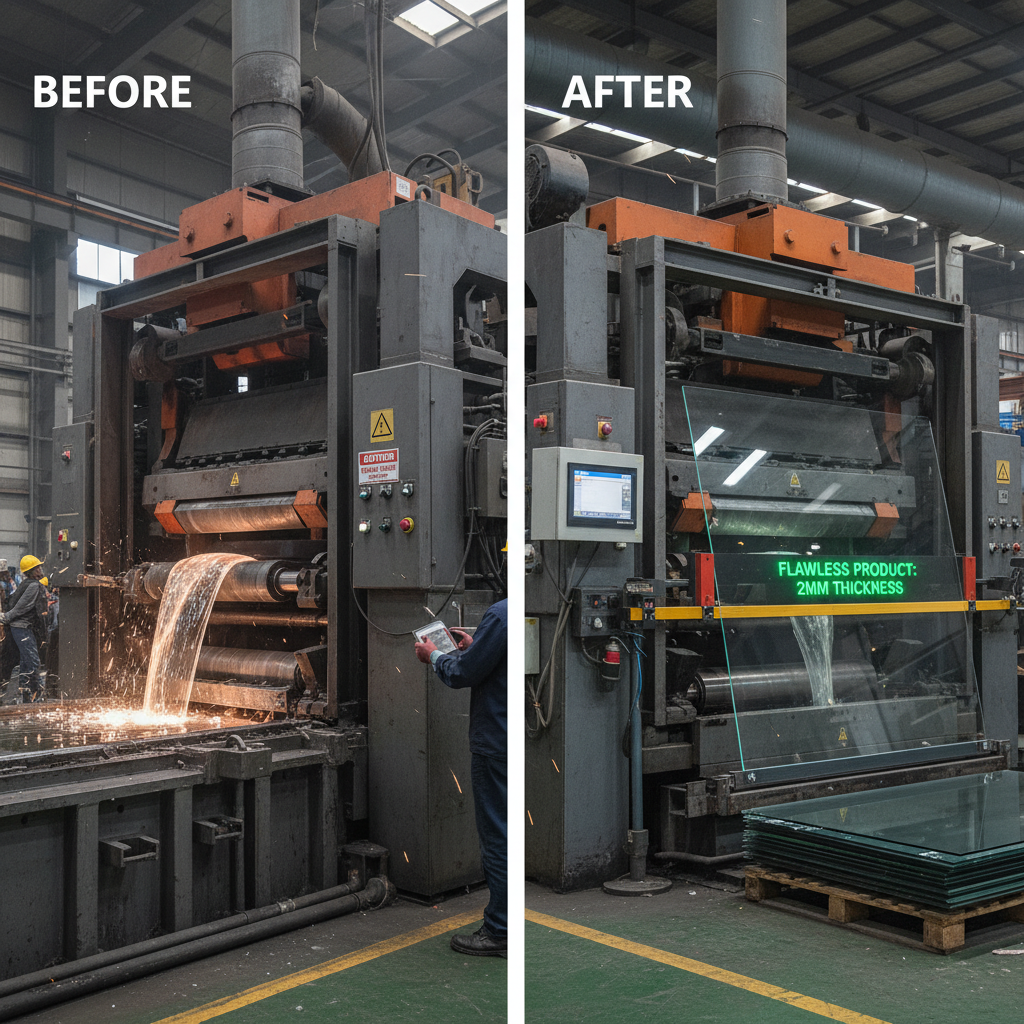
2mm float glass cut to size is a foundational material in countless modern applications, from architectural glazing and automotive components to specialized scientific instruments. Its precise dimensions, exceptional clarity, and consistent quality make it a preferred choice for projects demanding exacting standards. The demand for precisely cut 2mm float glass is steadily increasing globally, driven by advancements in technology and a growing need for customized glass solutions.
This seemingly simple product represents a complex interplay of manufacturing processes and material science. The ability to consistently produce 2mm float glass cut to size with minimal defects and tight tolerances is a testament to the advancements within the technical glass manufacturing industry. Understanding its properties and applications is crucial for engineers, architects, and fabricators alike.
The global market for float glass, and increasingly specialized cuts like 2mm thickness, reflects broader economic trends and construction activity. Increased urbanization and infrastructure development, particularly in emerging economies, are key drivers of demand. Manufacturers are constantly refining cutting techniques and quality control measures to meet the evolving needs of their customers.
The Global Significance of 2mm Float Glass Cut to Size
The demand for 2mm float glass cut to size extends far beyond simple window panes. According to the UN Comtrade database, the global trade in flat glass exceeded $60 billion in 2022, with specialized cuts representing a significant and growing portion of that figure. This demonstrates its vital role in supporting infrastructure development, technological advancements, and various manufacturing sectors worldwide. The precision required in cutting 2mm float glass speaks to its use in applications where even minor imperfections are unacceptable.
A key challenge driving the need for high-quality 2mm float glass cut to size is the increasing demand for lightweight and energy-efficient materials. In sectors like automotive and aerospace, reducing weight is paramount, and thin float glass provides an ideal solution without compromising strength or clarity. This is particularly important as global sustainability initiatives push for more fuel-efficient vehicles and aircraft.
Defining 2mm Float Glass Cut to Size
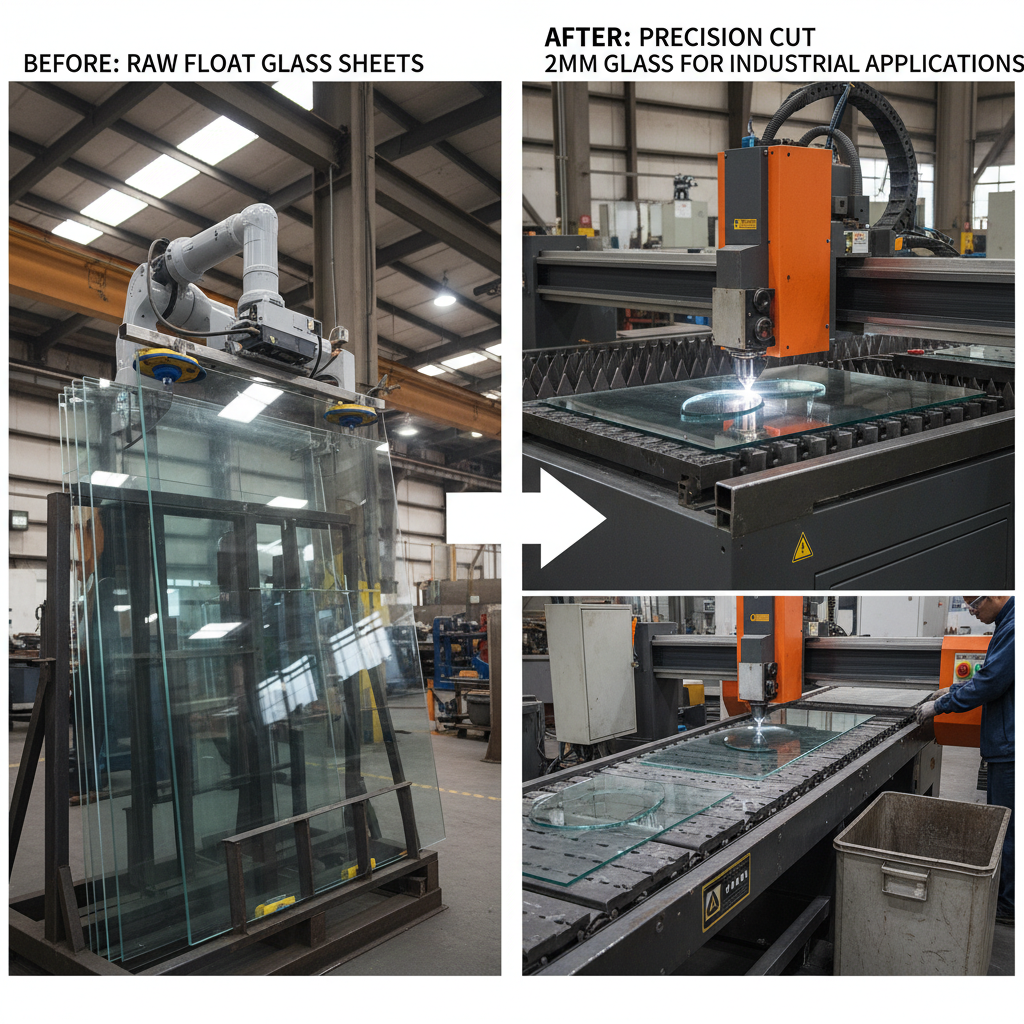
2mm float glass cut to size refers to flat glass manufactured using the float process, a revolutionary technique developed in the 1950s. This process involves pouring molten glass onto a bed of molten tin, resulting in a perfectly flat surface with uniform thickness. “Cut to size” signifies that the glass has been precisely trimmed to specific dimensions according to customer specifications. This precision is crucial for applications requiring exact fit and minimal waste.
Unlike traditional glassmaking methods, the float process eliminates the need for grinding and polishing, leading to superior clarity and minimal distortion. The 2mm thickness offers a balance between strength, weight, and flexibility, making it suitable for a wide array of uses. Furthermore, the "cut to size" aspect minimizes material waste and streamlines the fabrication process for end-users.
Its connection to modern industry stems from its versatility and ability to be further processed – tempered, laminated, coated, or combined with other materials – to enhance its performance characteristics. This adaptability makes 2mm float glass cut to size an essential component in numerous industrial and consumer products, contributing to both functional performance and aesthetic appeal.
Key Properties of 2mm Float Glass Cut to Size
The defining characteristics of 2mm float glass cut to size are its exceptional clarity, smooth surface, and consistent thickness. Its high light transmittance makes it ideal for applications where visibility is paramount, such as display cases, picture frames, and architectural glazing. The smooth surface minimizes distortion and facilitates easy cleaning.
Durability is another critical property. While 2mm float glass is relatively thin, it possesses inherent strength and resistance to weathering. However, it’s often further strengthened through processes like tempering or lamination to enhance its impact resistance and safety. Chemical resistance is also a key benefit, making it suitable for laboratory applications and corrosive environments.
Thermal properties are also noteworthy. While glass isn't a particularly good insulator, its thermal stability allows it to withstand temperature fluctuations without cracking or warping. Specialized coatings can be applied to 2mm float glass cut to size to further enhance its thermal performance, making it suitable for energy-efficient building designs.
Practical Applications of Precision-Cut 2mm Float Glass
The versatility of 2mm float glass cut to size makes it a vital component in numerous industries. In the furniture sector, it’s commonly used for table tops, shelves, and display cabinets, offering a sleek and modern aesthetic. Its clarity and smooth surface enhance the visual appeal of these products.
Within the electronics industry, 2mm float glass cut to size plays a critical role in the manufacturing of touchscreens, LCD displays, and protective covers for sensitive components. Its precision and flatness are essential for optimal performance in these applications.
Performance Metrics of 2mm Float Glass Cut to Size
Global Applications and Industries Served
The applications of 2mm float glass cut to size are truly global. In Europe, it’s heavily utilized in the restoration of historical buildings, where precise replacement glass is crucial for preserving architectural integrity. In North America, it’s a staple in modern office buildings and retail spaces, providing both aesthetic appeal and functional performance.
Across Asia, particularly in rapidly developing nations, 2mm float glass cut to size is driving innovation in the construction and manufacturing sectors. Demand is surging for high-quality glass for skyscrapers, residential complexes, and a wide range of industrial applications. Countries like China and India are major consumers and producers of this material.
Advantages and Long-Term Value Proposition
Choosing 2mm float glass cut to size offers several tangible benefits. Its lower weight compared to thicker glass translates to reduced transportation costs and easier installation. The precise cutting minimizes waste, contributing to cost savings and environmental responsibility. The inherent clarity and smooth surface enhance the aesthetic appeal of finished products.
Beyond the immediate cost advantages, investing in high-quality 2mm float glass cut to size ensures long-term reliability and durability. Properly maintained, glass components can last for decades, reducing the need for frequent replacements. This contributes to a lower total cost of ownership and a more sustainable building or product lifecycle.
The peace of mind that comes with using a trusted material, known for its consistent performance and safety, is an immeasurable benefit. This reliability fosters customer trust and strengthens brand reputation.
Future Trends and Innovations in 2mm Float Glass Manufacturing
The future of 2mm float glass cut to size is closely tied to advancements in glass technology and sustainable manufacturing practices. Researchers are exploring new coating technologies to enhance its energy efficiency, self-cleaning properties, and resistance to damage. Digital fabrication techniques, such as laser cutting and waterjet cutting, are becoming increasingly sophisticated, allowing for even more precise and complex shapes.
Automation and artificial intelligence are playing a growing role in optimizing the manufacturing process, reducing waste, and improving quality control. Smart glass technologies, which allow glass to change its properties in response to external stimuli, are also gaining traction. This could lead to dynamic glazing systems that adjust to sunlight levels, reducing energy consumption.
A key focus is on reducing the carbon footprint of glass manufacturing. This includes exploring alternative raw materials, increasing the use of recycled glass, and developing more energy-efficient furnaces. The industry is committed to sustainability and responsible manufacturing practices.
Summary of Challenges and Solutions in 2mm Float Glass Cut to Size Manufacturing
| Challenge |
Impact on 2mm Float Glass Cut to Size |
Potential Solution |
Implementation Cost (1-10) |
| Maintaining Consistent Thickness |
Affects optical clarity and structural integrity. |
Advanced process control systems and real-time thickness monitoring. |
7 |
| Minimizing Edge Chipping |
Compromises aesthetic appeal and can lead to structural weakness. |
Optimized cutting wheel materials and cooling systems. |
6 |
| Reducing Internal Stress |
Can cause spontaneous breakage. |
Controlled annealing processes and improved glass composition. |
8 |
| Achieving Tight Tolerances |
Critical for applications requiring precise fit. |
Automated cutting and inspection systems. |
9 |
| Minimizing Defects |
Impacts the usability and value of the glass. |
Improved raw material quality control and optimized manufacturing processes. |
5 |
| Waste Reduction |
Environmental and economic concerns. |
Optimized cutting patterns and glass recycling programs. |
4 |
FAQS
2mm float glass cut to size is extensively used in furniture (tabletops, shelves), displays (picture frames, museum showcases), electronics (touchscreens, LCD covers), and architectural features where lightweight and high clarity are required. Its precision cutting makes it ideal for custom projects and applications with tight tolerances.
Lead times vary depending on order volume and complexity, but generally range from 5-10 business days for standard cuts. More intricate shapes or large quantities may require up to 2-3 weeks. We strive to provide accurate lead time estimates during the quoting process.
Absolutely! 2mm float glass can be further processed through tempering or lamination to significantly enhance its strength and safety characteristics. Tempering creates a hardened glass that breaks into small, relatively harmless pieces, while lamination bonds multiple layers together with an interlayer, preventing shattering.
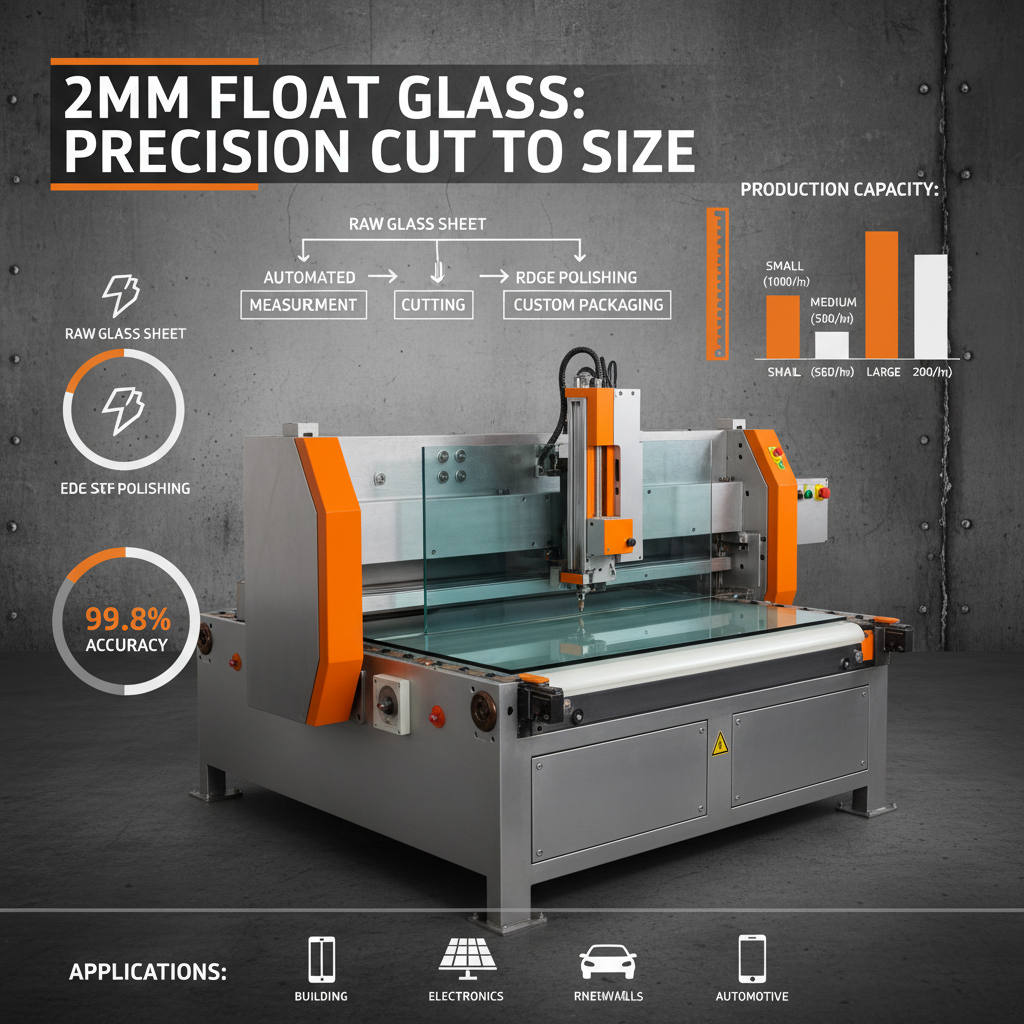
We maintain a tight tolerance of +/- 0.5mm for 2mm float glass cut to size, ensuring precise fit and minimal waste. Advanced cutting techniques and quality control measures are employed to achieve this level of accuracy. For critical applications, even tighter tolerances can be discussed and accommodated.
We offer a range of edge finishing options, including flat polished, seamed, pencil polished, and bevelled edges. The choice of edge finish depends on the intended application and desired aesthetic. Polished edges provide a smooth, refined appearance, while seamed edges are suitable for applications where safety is a primary concern.
While we can accommodate small orders, a minimum order value may apply depending on the complexity of the cuts and fabrication processes involved. We encourage you to contact us with your specific requirements for a customized quote and to discuss potential options.
Conclusion
In conclusion, 2mm float glass cut to size represents a cornerstone material in modern manufacturing and construction. Its unique combination of clarity, durability, and versatility makes it indispensable across a diverse range of industries. From enhancing the aesthetic appeal of furniture to enabling cutting-edge technologies, its impact is far-reaching and continues to grow.
Looking ahead, innovation in glass technology and sustainable manufacturing practices will further solidify its position as a key material for the future. We encourage you to explore the possibilities of 2mm float glass cut to size for your next project. Visit our website at www.mirrorglassfactory.com to learn more and request a quote.