Look, I’ve spent the last fifteen years breathing concrete dust and arguing with engineers on job sites. And let me tell you, getting the right glass is critical. It's not just about letting light in; it's about safety, efficiency, and frankly, keeping the project on schedule. That's why understanding where to buy float glass is something every project manager needs to nail down early. The quality impacts everything from energy costs to structural integrity, and a delay in getting the glass means a delay in the entire build.
We're building bigger, taller, and more complex structures than ever before. That means more glass, and more demanding requirements. It's no longer good enough to just find a supplier; you need to find a reliable one who understands your project's specific needs – things like specialized coatings, thicknesses, and even lead times. A lot of guys underestimate the logistics involved, and end up scrambling to buy float glass at the last minute, paying a premium and risking delays.
And frankly, it’s not just big commercial builds. Even residential projects are demanding higher-quality glass for energy efficiency and curb appeal. Homeowners are more discerning, and builders need to deliver. That’s why knowing where to consistently buy float glass that meets those standards is vital, no matter the scale of the job.
Understanding the Fundamentals of buy float glass
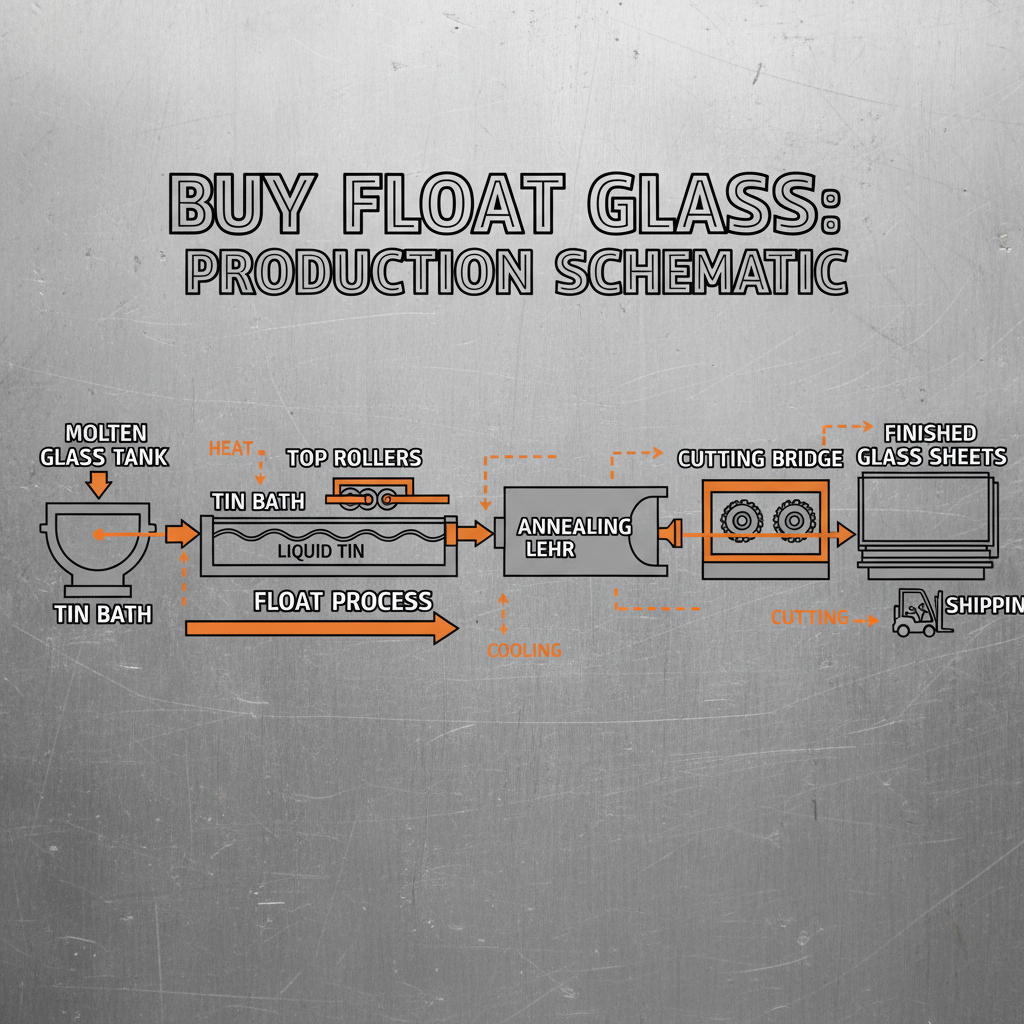
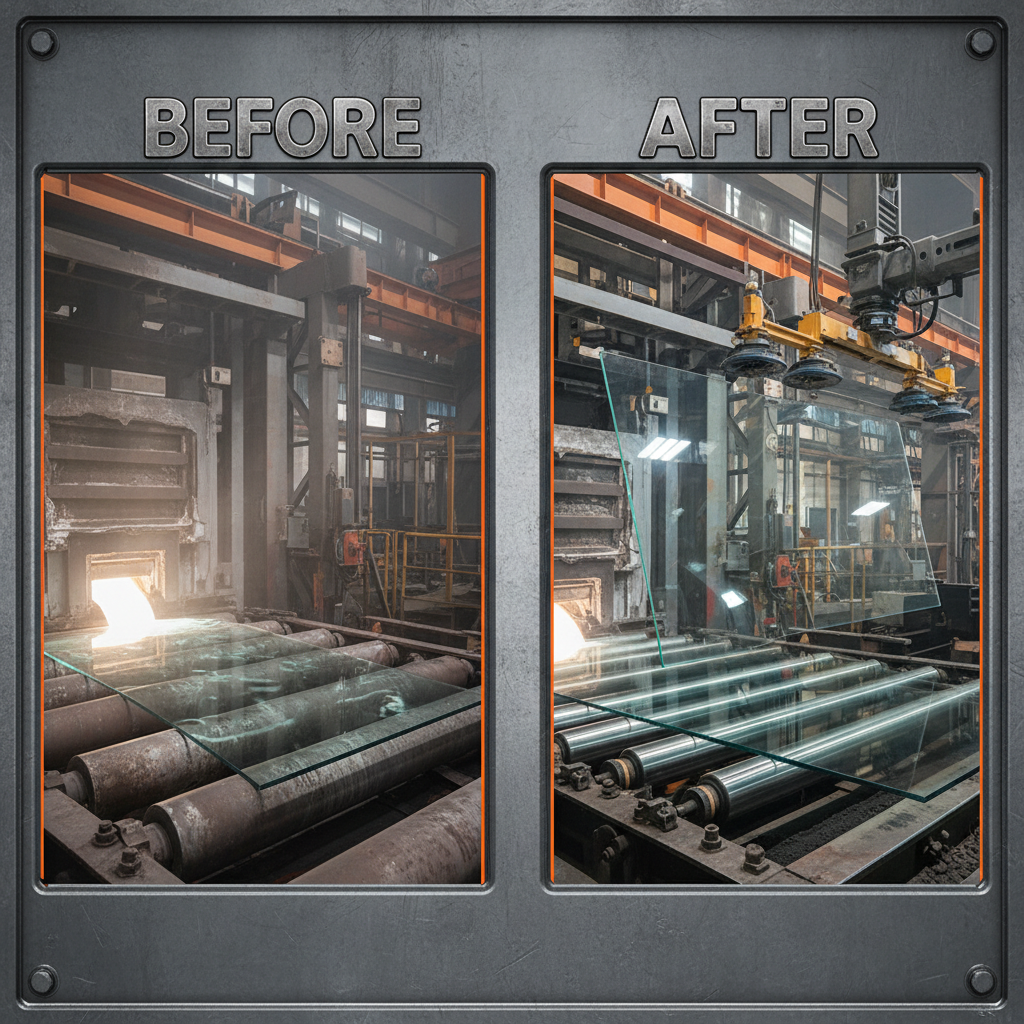
Float glass, simply put, is glass manufactured by floating molten glass on a bed of molten tin. This process yields a remarkably flat and uniform surface, making it ideal for windows, mirrors, and a whole lot more. It’s the industry standard for a reason. When you're looking to buy float glass, you're looking for consistent quality and minimal distortion.
The impact of high-quality float glass isn’t just aesthetic. It plays a huge role in energy efficiency. Modern buildings are designed to minimize heat loss and gain, and the glass is a key component of that. Choosing the right glass can significantly reduce energy bills and lower a building’s carbon footprint. So, when you buy float glass, you're making a decision that affects long-term operating costs.
The Global Landscape of buy float glass
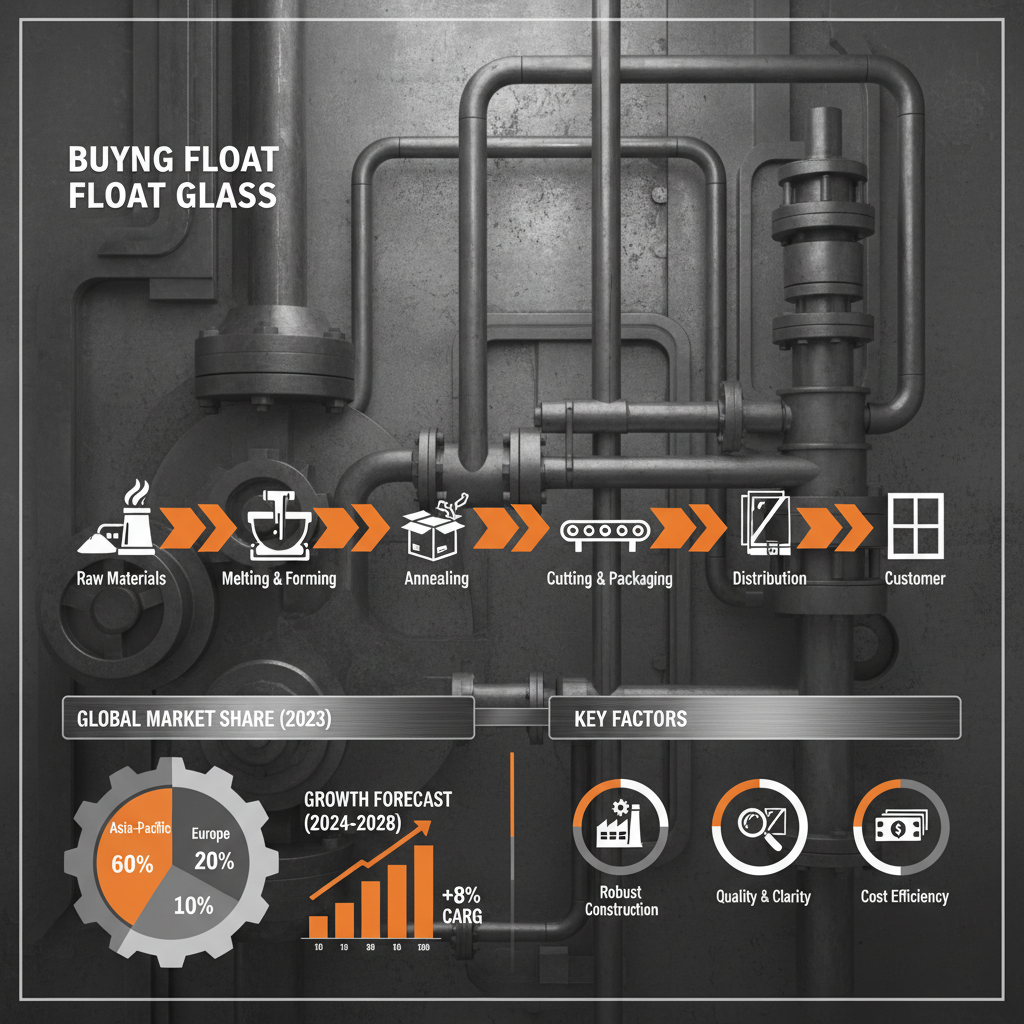
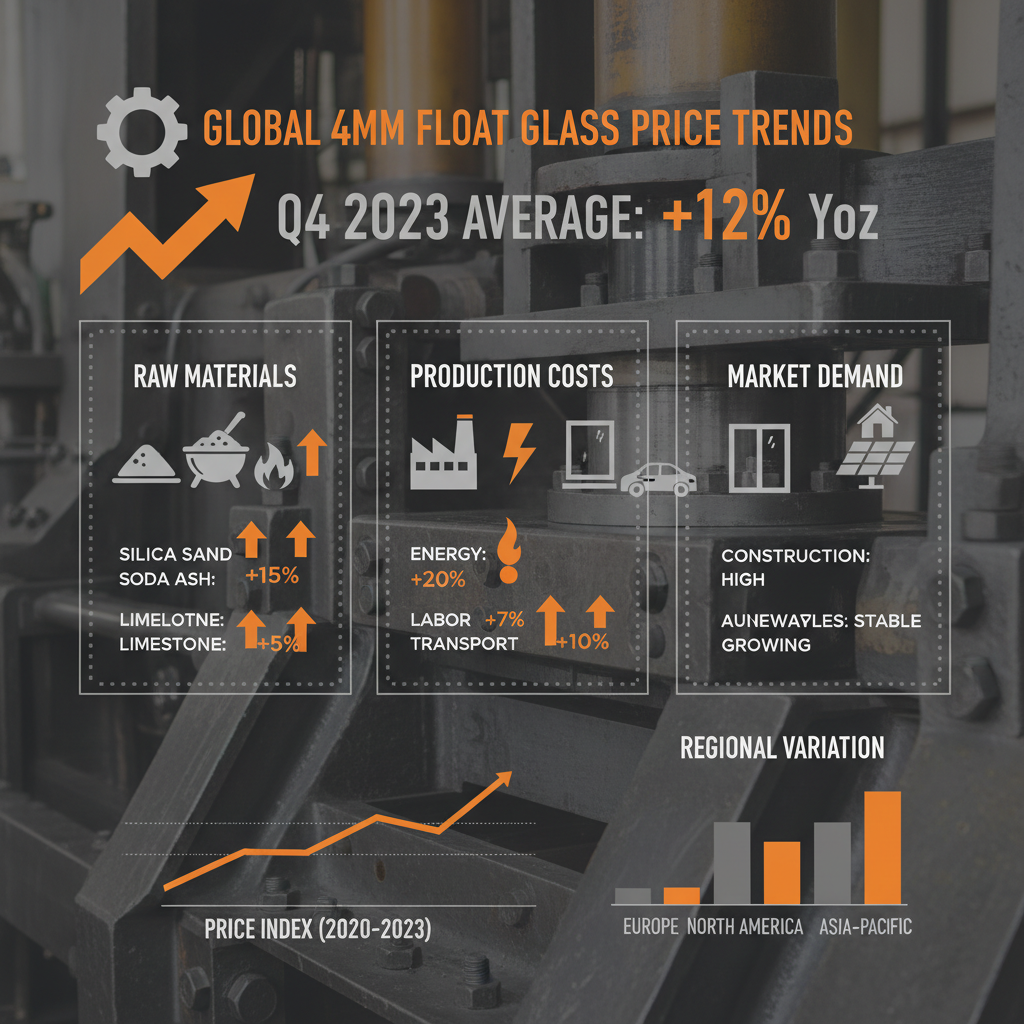
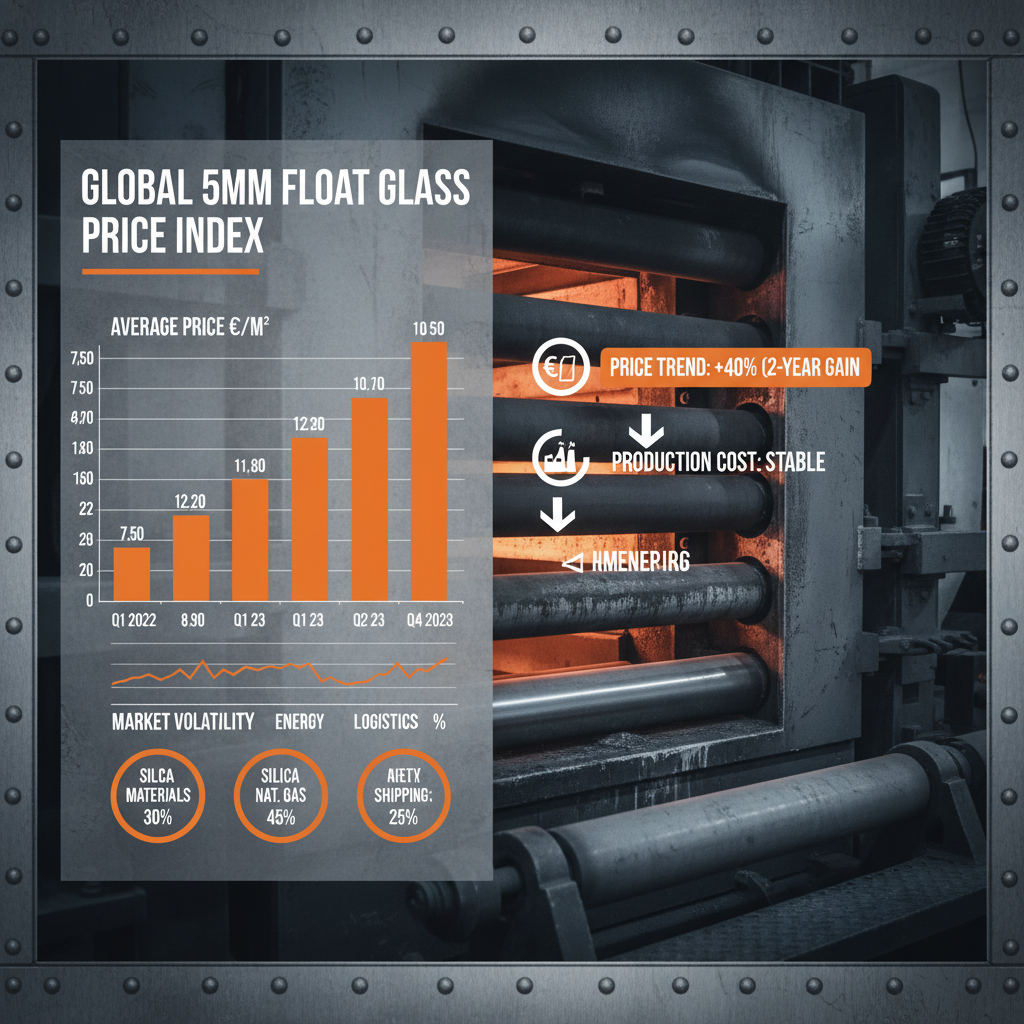
The global float glass market is massive, driven by construction booms in Asia, particularly China and India. These countries are consuming enormous quantities of glass for both residential and commercial projects. This demand impacts pricing and availability worldwide. We see fluctuations all the time, and it's critical to stay ahead of those curves when you need to buy float glass.
You've also got major players in Europe and North America, focused on high-performance glass and specialized coatings. The industry is consolidating, with a few large manufacturers controlling a significant share of the market. This can lead to better economies of scale, but also potentially less competition. Understanding this dynamic is key when you buy float glass.
Furthermore, trade policies and tariffs play a huge role. Changes in import/export regulations can dramatically affect the cost of glass and lead times. I’ve seen projects held up for weeks because of unexpected trade disputes. That’s why having a supplier with a global reach and understanding of these complexities is essential.
Key Properties and Specifications of buy float glass
When you buy float glass, you’re dealing with a lot more than just ‘glass.’ Thickness is obviously crucial, ranging from 3mm for basic applications to 19mm or more for security glazing. It’s not a one-size-fits-all situation; you need to choose the right thickness for the load requirements.
Then there are coatings. Low-E coatings reduce heat transfer, improving energy efficiency. Reflective coatings reduce glare and solar heat gain. And safety coatings help hold the glass together if it breaks. Choosing the right coating can make a massive difference in building performance. Knowing what you need before you buy float glass will save you headaches later.
Finally, consider the quality of the glass itself. Look for certifications and standards compliance. You want glass that meets industry benchmarks for clarity, flatness, and structural integrity. Don’t cheap out on this; it’s not worth the risk.
Applications of buy float glass Across Industries
Construction is the biggest consumer, obviously. Windows, curtain walls, storefronts, interior partitions – you name it. But it’s not just buildings. The automotive industry relies heavily on float glass for windshields and windows. And the furniture industry uses it for tables, shelves, and decorative elements. Essentially, anywhere you need a transparent, durable material, you'll find float glass. That is why you need to buy float glass.
We’re also seeing increased use in specialized applications like solar panels and greenhouses. The high light transmission of float glass makes it ideal for maximizing energy capture. And in greenhouses, it helps create the optimal environment for plant growth.
Comparing buy float glass Applications
The Economic and Environmental Benefits of buy float glass
Using high-quality float glass can significantly reduce energy costs in buildings, which translates to long-term savings for owners and occupants. It also increases property value. Think about it – a building with energy-efficient windows is more attractive to potential buyers or renters.
From an environmental perspective, reducing energy consumption is huge. Lower energy demand means fewer greenhouse gas emissions. Plus, many glass manufacturers are now incorporating recycled materials into their products, further reducing their environmental impact. That's a big win when you buy float glass responsibly.
Sourcing and Supply Chain Considerations for buy float glass
Reliability is paramount. You need a supplier who can consistently deliver on time and to your specifications. Look for companies with a proven track record and a strong logistical network. Don’t just go for the cheapest price; consider the total cost of ownership, including delivery, quality control, and potential delays.
Geopolitical stability is also a factor. Sourcing from regions prone to political unrest can disrupt supply chains. Diversifying your suppliers can mitigate this risk. And don’t forget about communication. You need a supplier who is responsive and transparent throughout the process.
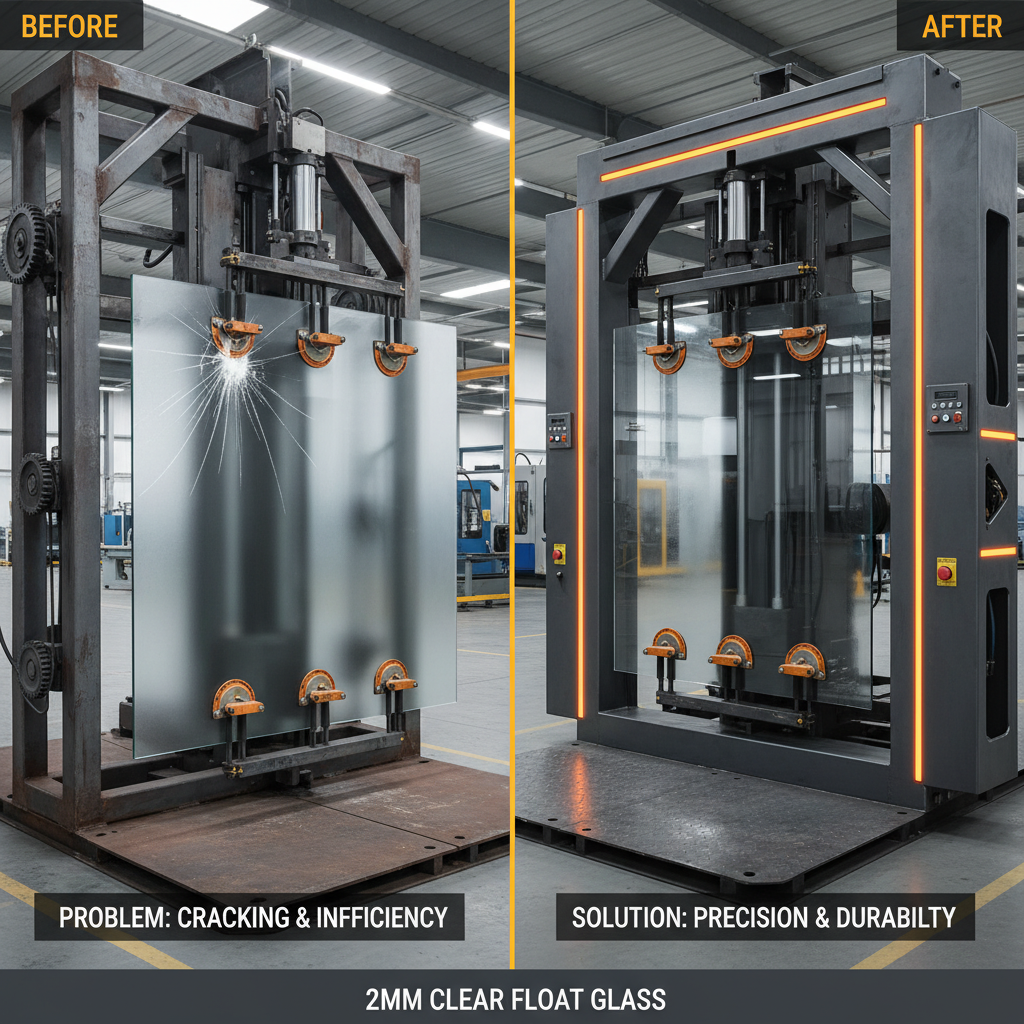
A lot of guys don't think about packaging and handling. Glass is fragile, and improper handling can lead to breakage and delays. Make sure your supplier uses appropriate packaging materials and has a robust quality control process.
Future Trends and Innovations in buy float glass Technology
We’re seeing a lot of innovation in glass coatings. Self-cleaning glass is becoming more popular, reducing maintenance costs. And smart glass, which can change its opacity on demand, is opening up exciting new possibilities for building design.
There's also a lot of research going into developing more sustainable glass manufacturing processes. Reducing energy consumption and using recycled materials are key priorities. And we're starting to see the development of thinner, lighter, and stronger glass materials.
Digitalization is also playing a role. Online ordering platforms and real-time tracking systems are making it easier to buy float glass and manage your supply chain.
Overview of Factors Influencing the Performance of buy float glass
| Manufacturing Process |
Material Composition |
Coating Quality |
Logistical Efficiency |
| Float process control (temperature, tin bath) |
Silica purity and mix proportions |
Uniformity and adhesion of coating layers |
Transportation time and handling procedures |
| Annealing consistency and cooling rates |
Presence of impurities affecting clarity |
Durability and resistance to UV degradation |
Packaging effectiveness and damage prevention |
| Cutting precision and edge finishing |
Sodium content impacting thermal stability |
Light transmission and solar heat gain coefficient |
Inventory management and supplier reliability |
| Quality control during production |
Iron oxide levels influencing color |
Scratch resistance and long-term performance |
Cost-effectiveness of transportation routes |
| Adherence to industry standards (ASTM, ISO) |
Calcium oxide impacting glass strength |
Compliance with environmental regulations |
Clear communication throughout the supply chain |
| Automation level and process control systems |
Magnesium oxide influencing chemical resistance |
Warranty provisions and post-sale support |
Risk mitigation strategies for potential disruptions |
FAQS
Lead times for bulk orders of float glass can vary significantly depending on the quantity, specifications, and the supplier’s current production schedule. Generally, expect anywhere from 2 to 6 weeks, but complex orders or large volumes can take longer. Always confirm lead times with your supplier before finalizing your plans, especially during peak construction seasons. It's crucial to plan ahead and avoid last-minute rushes to buy float glass.
Glass coatings play a huge role in energy efficiency. Low-E coatings reduce heat transfer by reflecting infrared radiation, keeping buildings warmer in the winter and cooler in the summer. Reflective coatings minimize solar heat gain, reducing air conditioning costs. The type of coating you choose will depend on your climate and building orientation. Investing in the right coatings when you buy float glass can yield significant long-term energy savings.
When it comes to safety, look for glass that meets ASTM C1036 standards for flat glass, and consider laminated or tempered glass for applications where breakage could pose a hazard. Laminated glass holds together when broken, reducing the risk of injury. Tempered glass is much stronger than standard glass and breaks into small, relatively harmless pieces. Always verify that the glass you buy float glass is certified to meet the appropriate safety standards for your application.
Proper protection during transport and installation is vital to prevent breakage. Glass should be transported in specialized racks or crates designed to prevent shifting and impact. On-site, store glass in a dry, secure location, protected from the elements. Use appropriate handling equipment and follow safety guidelines during installation. It’s often worth investing in extra protection when you buy float glass to avoid costly replacements.
The thickness and composition of float glass significantly impact sound insulation. Thicker glass provides better sound damping. Laminated glass, with its interlayer, is particularly effective at reducing noise transmission. If sound control is a priority, consider using thicker glass or laminated glass when you buy float glass, and consult with a glazing specialist to determine the best solution for your needs.
Look for a supplier with a proven track record of reliability, quality, and on-time delivery. Check their certifications and ensure they adhere to industry standards. Consider their logistical capabilities, customer service, and pricing. A reputable supplier will be transparent about their processes and willing to provide technical support. Don't just choose the cheapest option; prioritize a supplier who can consistently deliver the quality you need when you buy float glass.
Conclusion
From its fundamental manufacturing process to its diverse applications and evolving technologies, understanding the nuances of buy float glass is essential for anyone involved in construction, architecture, or related industries. Choosing the right glass impacts not only the aesthetics and structural integrity of a project but also its energy efficiency, safety, and long-term sustainability. Ignoring these factors can lead to costly delays and compromised performance.
The future of buy float glass lies in innovation – more sustainable manufacturing processes, advanced coatings, and smarter glass technologies. Staying informed about these developments and partnering with a reliable supplier are key to maximizing the benefits of this versatile material. Don't just think of glass as a commodity; think of it as a critical component that can elevate the quality and performance of your projects.