In the modern architectural and industrial landscape, the demand for precision is paramount. Achieving the perfect fit for glazing projects often hinges on the availability of float glass cut to size, a process that eliminates the waste and inefficiency of on-site trimming. By leveraging advanced cutting technologies, manufacturers can deliver glass sheets that align perfectly with structural frames, ensuring both aesthetic brilliance and structural integrity.
Globally, the shift toward sustainable construction has placed a spotlight on resource efficiency. Utilizing float glass cut to size allows developers to reduce material scrap significantly, aligning with ISO 14001 environmental management standards. This precision not only accelerates installation timelines but also reduces the labor costs associated with manual adjustments, making it a cornerstone of modern high-efficiency building practices.
Whether it is for high-rise commercial facades, intricate interior partitions, or specialized industrial equipment, the ability to procure glass tailored to exact specifications is a game-changer. Understanding the nuances of thickness, edge finishing, and tolerance in float glass cut to size is essential for any professional seeking to balance cost, safety, and visual appeal in their projects.
The Fundamentals of Precision Float Glass Cutting
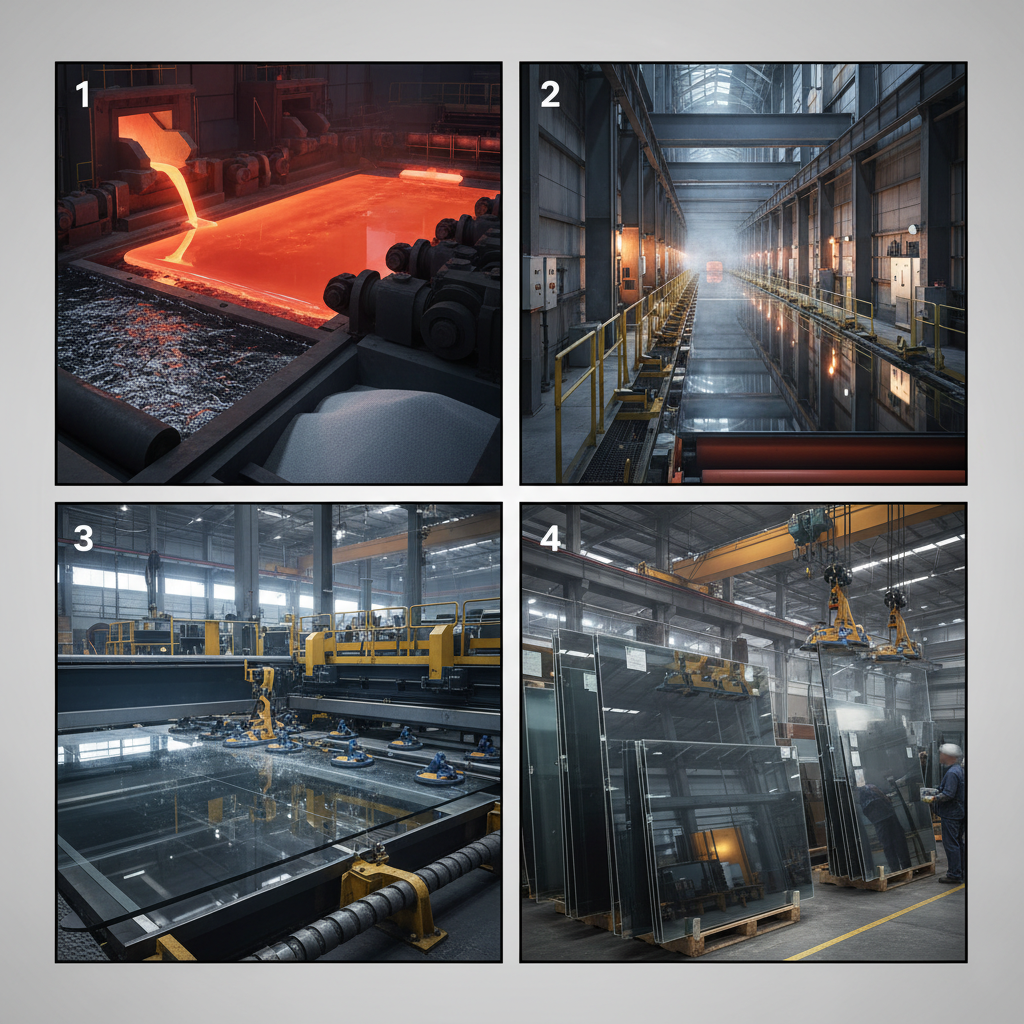
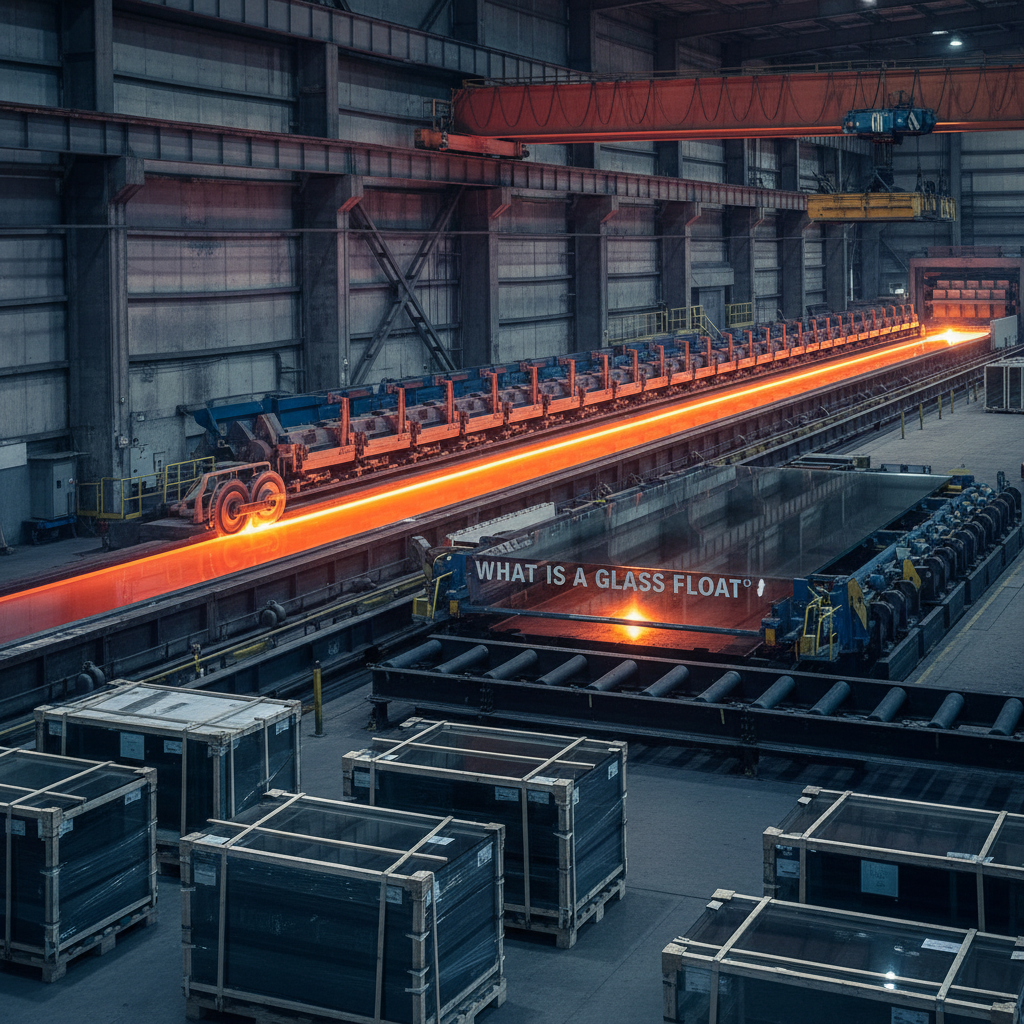
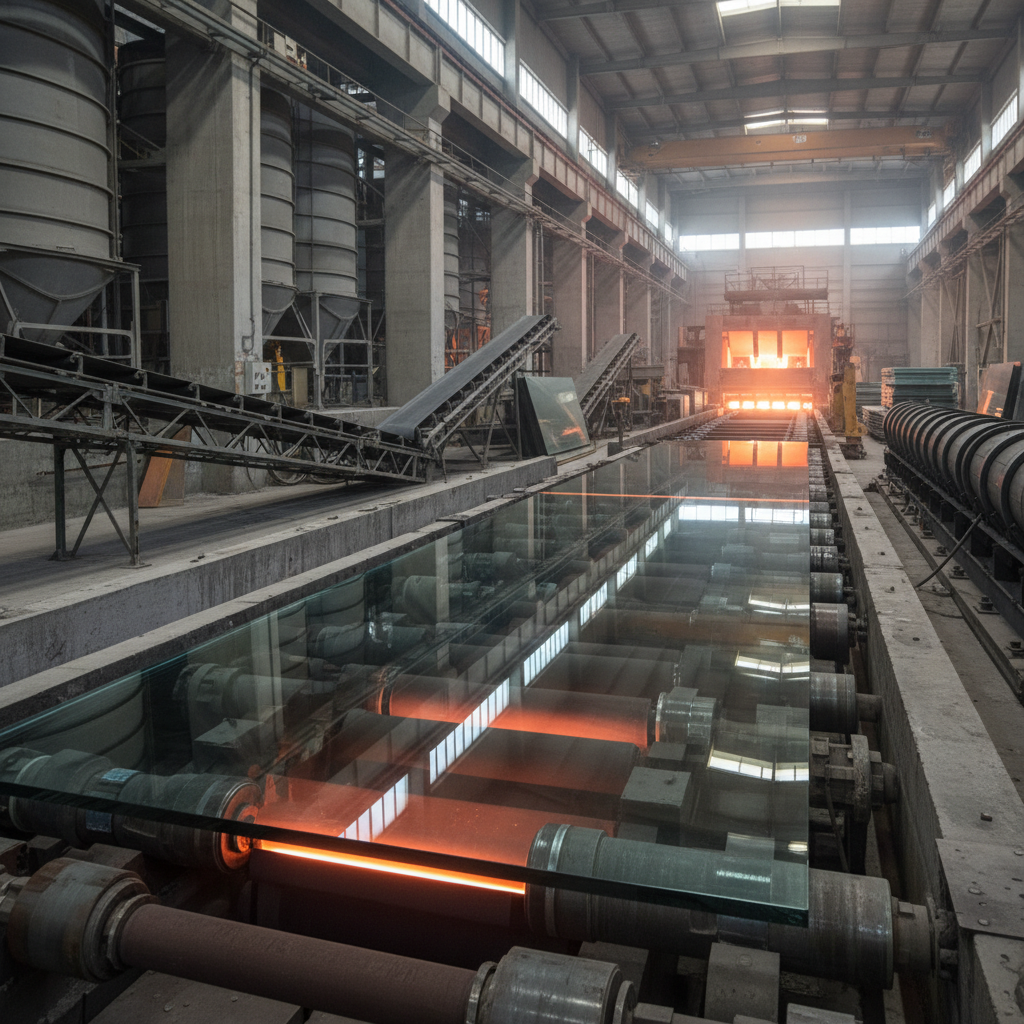
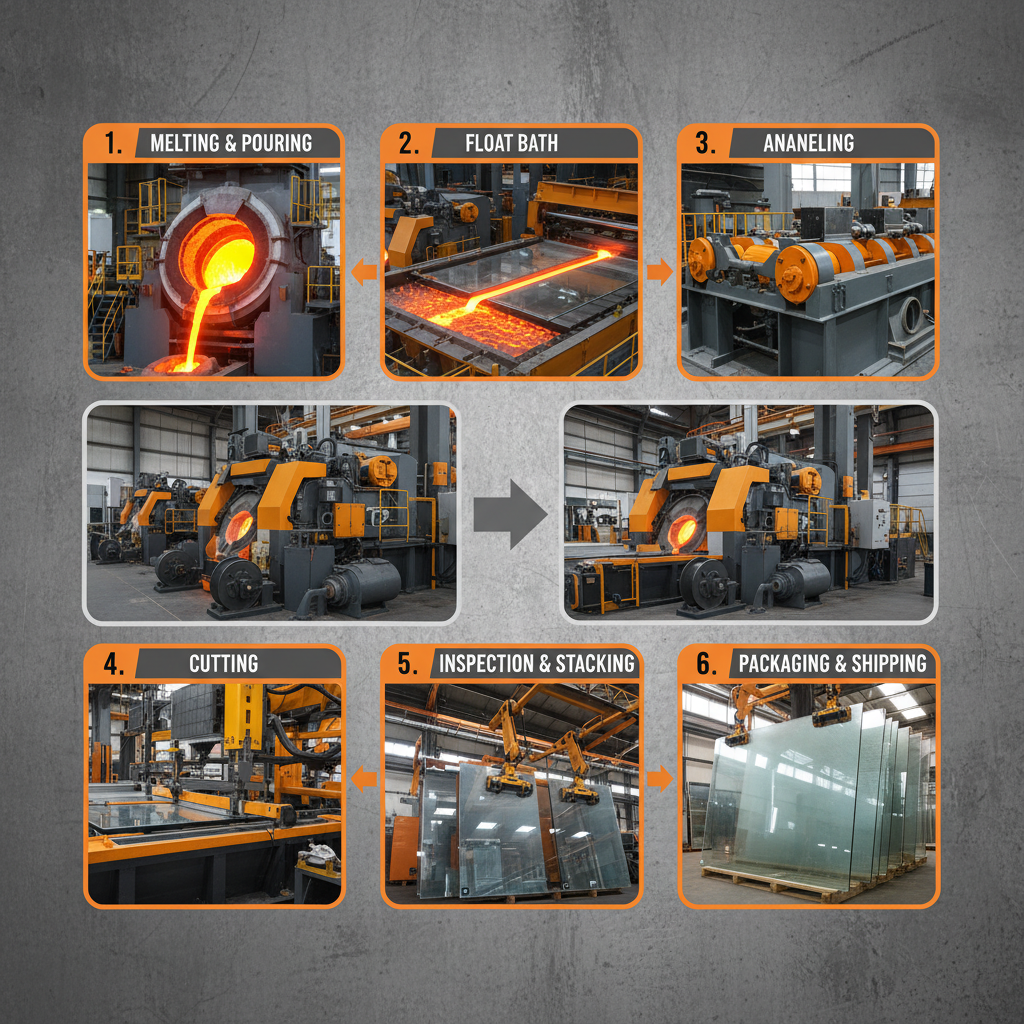
At its core, float glass cut to size refers to the professional process of slicing large sheets of float glass—produced by floating molten glass on a bed of molten tin—into specific dimensions requested by the client. This process involves a precise scoring technique where a diamond or carbide wheel creates a controlled fracture point, allowing the glass to be snapped cleanly along a predetermined line.
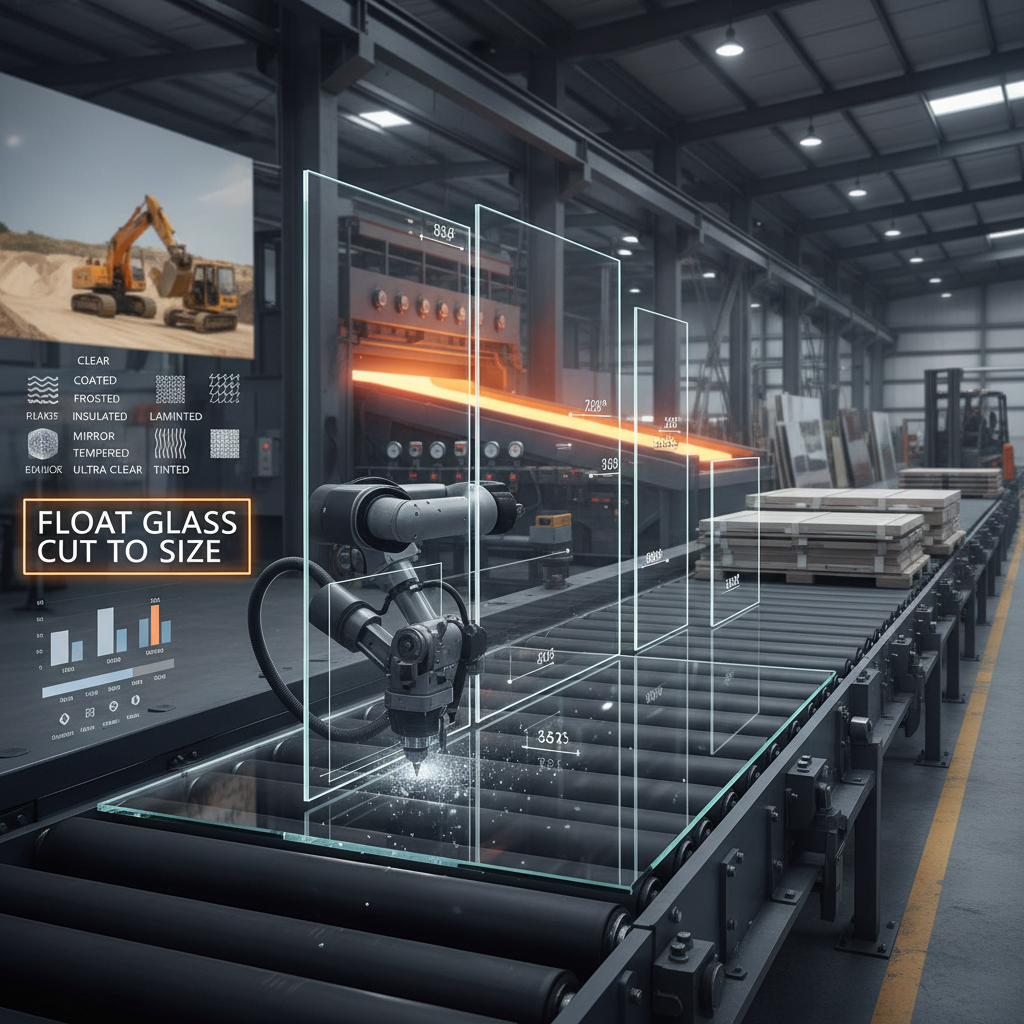
The importance of this precision cannot be overstated. Even a deviation of a few millimeters can lead to installation failure or structural instability in tempered or laminated assemblies. By utilizing CNC (Computer Numerical Control) cutting tables, manufacturers ensure that every piece of float glass cut to size meets rigorous tolerances, providing a seamless fit for everything from residential windows to complex architectural art.
Industrial Standards and Global Relevance
The global glass industry operates under strict international standards, such as ASTM and EN, to ensure that float glass cut to size maintains consistency regardless of the origin of the raw material. As urban centers in Asia and Africa expand rapidly, the demand for standardized, prefabricated glass components has surged, reducing the reliance on skilled on-site labor and minimizing the risk of workplace accidents.
One of the primary challenges addressed by precision cutting is the volatility of material waste. Traditionally, "off-cuts" accounted for a significant percentage of glass loss. However, modern optimization software now calculates the most efficient nesting patterns for float glass cut to size, drastically reducing the carbon footprint associated with raw material extraction and transportation.
Furthermore, the integration of high-precision cutting is vital for the safety-glass pipeline. Since glass cannot be cut after it has been tempered, the initial float glass cut to size stage is the only opportunity to get the dimensions right. This critical sequence ensures that the final product—whether it be Tempered Glass or Insulated Glass—is safe and functional.
Core Components of High-Quality Custom Glass
When specifying float glass cut to size, the first critical factor is edge treatment. Raw cut edges are sharp and prone to chipping; therefore, options like polished edges, seamed edges, or beveled edges are applied to ensure safety and a professional finish.
Another essential component is the selection of the glass type. Whether the project requires Clear Float Glass for maximum transparency, Tinted Glass for solar control, or Ultra Clear Float Glass for high-end displays, the precision of the float glass cut to size process remains the foundation of the final product's quality.
Finally, tolerance management is what separates industrial-grade glass from consumer-grade. Professional float glass cut to size services typically guarantee tolerances within +/- 1mm or less, which is essential for the integration of glass into aluminum or PVC frames in modern curtain wall systems.
Comparative Efficiency of Cutting Methods
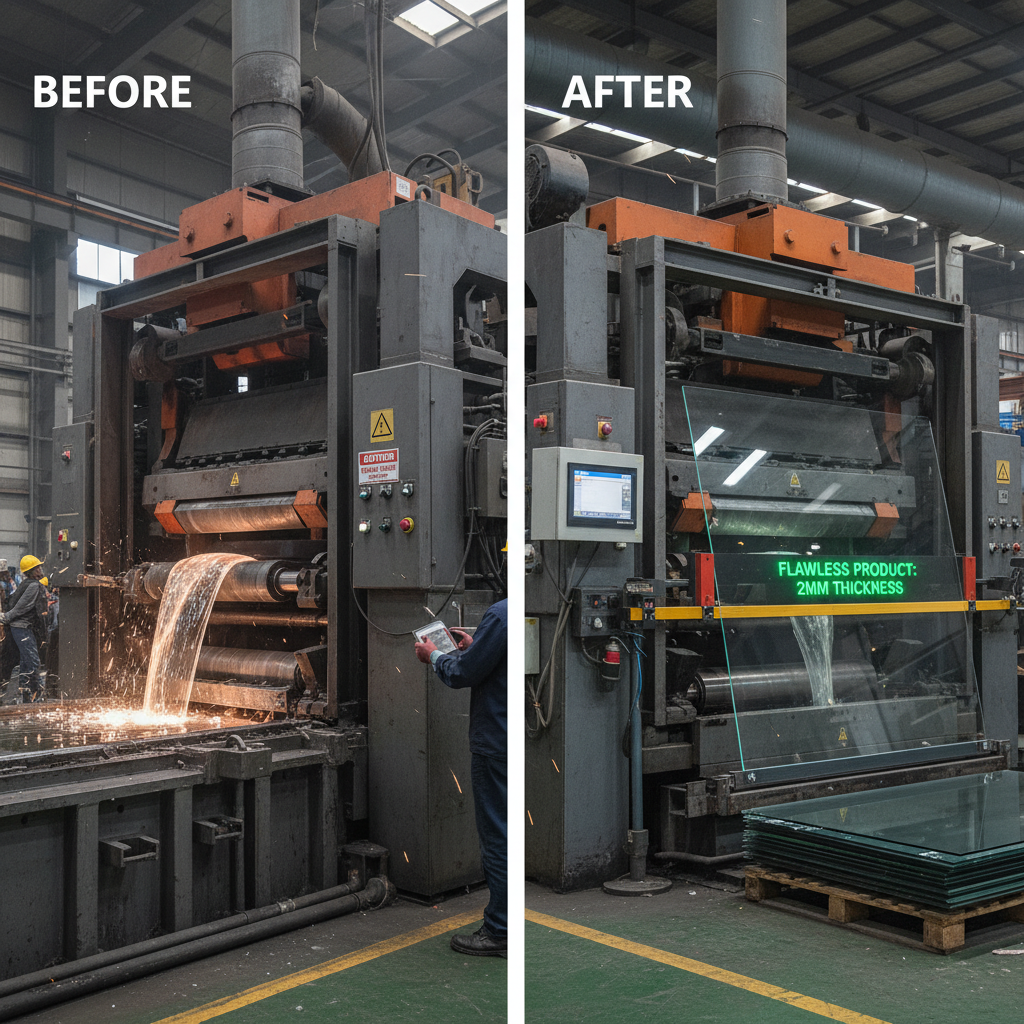
The evolution of cutting technology has transitioned from manual hand-cutting to fully automated CNC systems. Manual cutting, while flexible for small artisan shops, lacks the repeatability required for large-scale projects. In contrast, automated float glass cut to size systems can handle massive sheets with microscopic accuracy, ensuring every piece is identical.
Moreover, the integration of water-jet cutting for specialized shapes has expanded the possibilities for float glass cut to size, allowing for complex curves and internal cutouts that were previously impossible. This versatility allows architects to push the boundaries of design while maintaining the structural integrity of the glass.
Efficiency Comparison of Float Glass Cut to Size Methods
Global Applications Across Diverse Industries
The versatility of float glass cut to size extends far beyond simple window panes. In the automotive industry, precision-cut glass is the foundation for windshields and side windows, where safety and aerodynamic fit are non-negotiable. In the furniture sector, custom-cut glass is used for tabletops and shelving, where polished edges provide a luxury feel and user safety.
Furthermore, in specialized fields such as laboratory equipment or clean-room construction, float glass cut to size is used to create airtight seals and sterile barriers. From the high-tech hubs of Shenzhen to the architectural landmarks of Dubai, the ability to order glass precisely tailored to the millimetre ensures that complex engineering visions can be realized without compromise.
Long-term Value and Sustainability Gains
Investing in high-quality float glass cut to size provides tangible long-term economic value. By reducing on-site breakage and waste, project managers can lower their overall material expenditure and minimize the costs associated with disposal of hazardous glass shards. This efficiency directly impacts the bottom line of large-scale commercial developments.
From a sustainability perspective, the reduction in waste contributes to a circular economy. When float glass cut to size is optimized through digital nesting, fewer raw materials are extracted, and less energy is consumed in the manufacturing process. This aligns with global efforts to reduce the embodied carbon of building materials.
Beyond the numbers, there is an emotional value rooted in trust and safety. Knowing that the glass installed in a public space has been cut to exact specifications reduces the risk of structural failure and enhances the dignity of the architectural design. Reliability in the cutting stage fosters long-term trust between the glass manufacturer, the contractor, and the end-user.
Future Trends in Automated Glass Processing
The future of float glass cut to size is inextricably linked to the Industry 4.0 revolution. We are seeing the rise of "Smart Factories" where AI-driven software predicts the best cutting patterns in real-time, adjusting for the specific characteristics of each glass batch to minimize internal stress and maximize yield.
Integration with Building Information Modeling (BIM) is another significant trend. Architects can now export their 3D designs directly to the glass cutting machine, ensuring that float glass cut to size is produced as a direct digital twin of the virtual model. This removes the possibility of human error during the measurement and ordering phase.
Additionally, the development of new "green" cutting lubricants and energy-efficient CNC motors is making the process even more sustainable. As we move toward a carbon-neutral future, the precision of float glass cut to size will continue to be the primary tool for reducing industrial waste.
Comparative Analysis of Float Glass Cut to Size Specifications
| Glass Type |
Cutting Precision |
Typical Application |
Waste Reduction Score |
| Clear Float Glass |
±0.5mm |
Standard Windows |
9/10 |
| Tinted Float Glass |
±0.8mm |
Office Facades |
8/10 |
| Ultra Clear Glass |
±0.3mm |
Museum Displays |
10/10 |
| Frosted Glass |
±1.0mm |
Bathroom Partitions |
7/10 |
| Patterned Glass |
±1.2mm |
Decorative Doors |
6/10 |
| Coated Glass |
±0.6mm |
Energy-Efficient Glazing |
9/10 |
FAQS
For professional industrial services, the typical tolerance for float glass cut to size ranges between ±0.5mm and ±2.0mm, depending on the size of the piece and the cutting technology used. CNC machines offer the highest precision, often staying within ±0.5mm, which is critical for high-end architectural projects and safety glass processing where post-cut adjustments are impossible.
Yes, in fact, you must. Tempered glass cannot be cut or drilled once it has undergone the heating and cooling process, as it would shatter instantly. Therefore, the glass must be ordered as float glass cut to size first, with all holes and notches precisely placed, before it is sent to the tempering furnace.
Procuring float glass cut to size reduces costs in three main ways: it eliminates the need for expensive on-site cutting equipment, significantly lowers the amount of material waste (scrap), and reduces the labor hours required for installation. By receiving "ready-to-install" panels, contractors can move through the construction phase much faster.
Common finishes include "Seamed Edges," which remove the sharpest burrs for basic handling; "Polished Edges," which create a smooth, transparent, and safe edge for exposed glass; and "Beveled Edges," which are decorative angled edges often used in mirrors or high-end tabletops. The choice depends on whether the edge will be hidden by a frame or left exposed.
Most large-scale factories have minimum order requirements to ensure the efficiency of their CNC machines. However, many specialized providers offer small-batch custom cutting for residential or artisan needs. It is always best to provide a comprehensive cut list to the supplier to optimize the nesting and get the best possible price per square meter.
The best practice is to provide a detailed CAD drawing or a precise cut list including the glass thickness and the required edge finish. If you are replacing glass in an existing frame, it is recommended to measure the frame opening and subtract 2-3mm to allow for thermal expansion and ease of installation, ensuring the float glass cut to size fits perfectly without tension.
Conclusion
Precision in the glass industry is not merely a matter of aesthetics; it is a fundamental requirement for safety, efficiency, and sustainability. By utilizing float glass cut to size, professionals can bridge the gap between complex architectural visions and practical implementation, ensuring that every panel fits with mathematical accuracy while minimizing the environmental impact of industrial waste.
As we look toward the future, the integration of AI and BIM will only further refine the accuracy of glass processing. For developers and designers, the recommendation is clear: prioritize suppliers who invest in automated cutting technologies to ensure the longevity and reliability of their projects. To experience the pinnacle of precision and quality in glass manufacturing, visit our website: www.mirrorglassfactory.com