In the demanding world of architectural glazing and industrial design, 8mm float glass stands as a pivotal standard, balancing optical clarity with structural integrity. This specific thickness is often the "sweet spot" for designers who require more strength than standard 4mm or 6mm panes provide, without stepping into the excessive weight of heavier industrial slabs. Understanding the nuances of this material is essential for ensuring safety, durability, and aesthetic precision in any modern construction project.
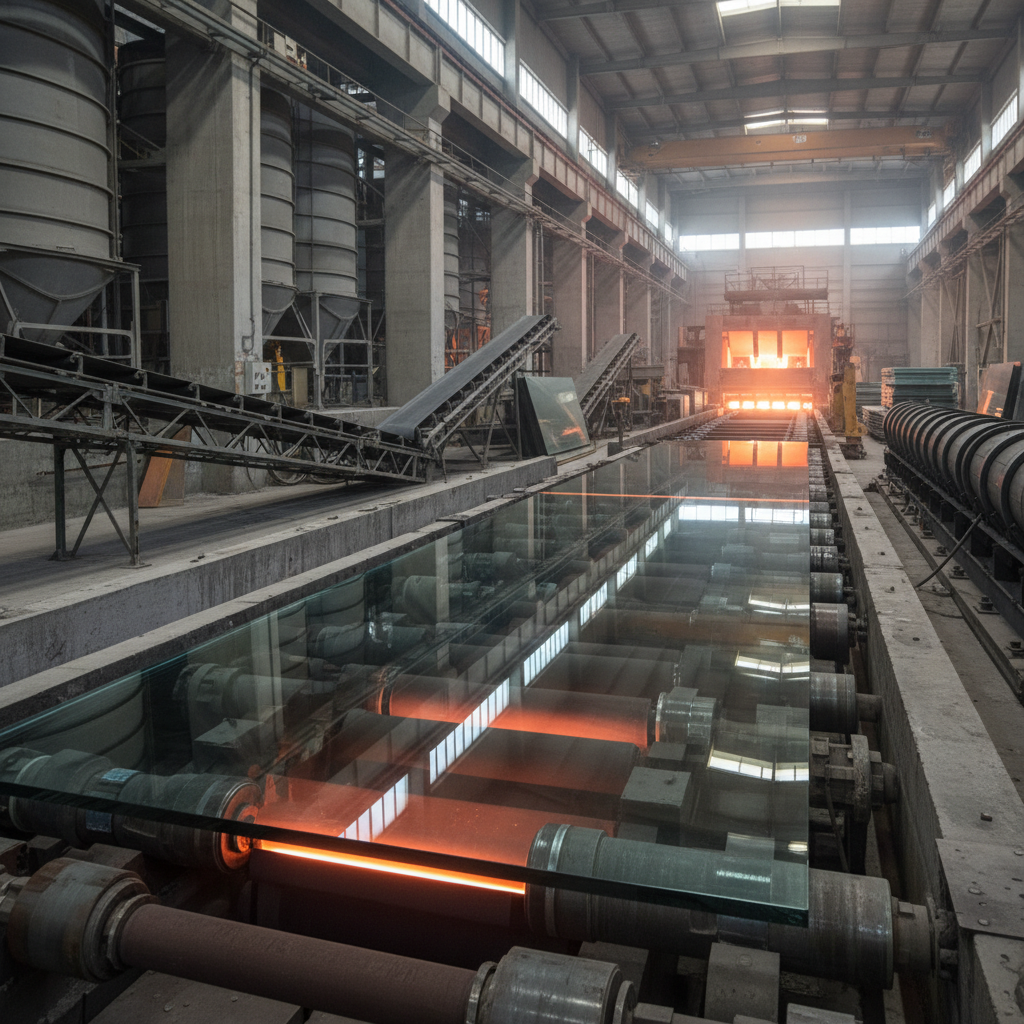
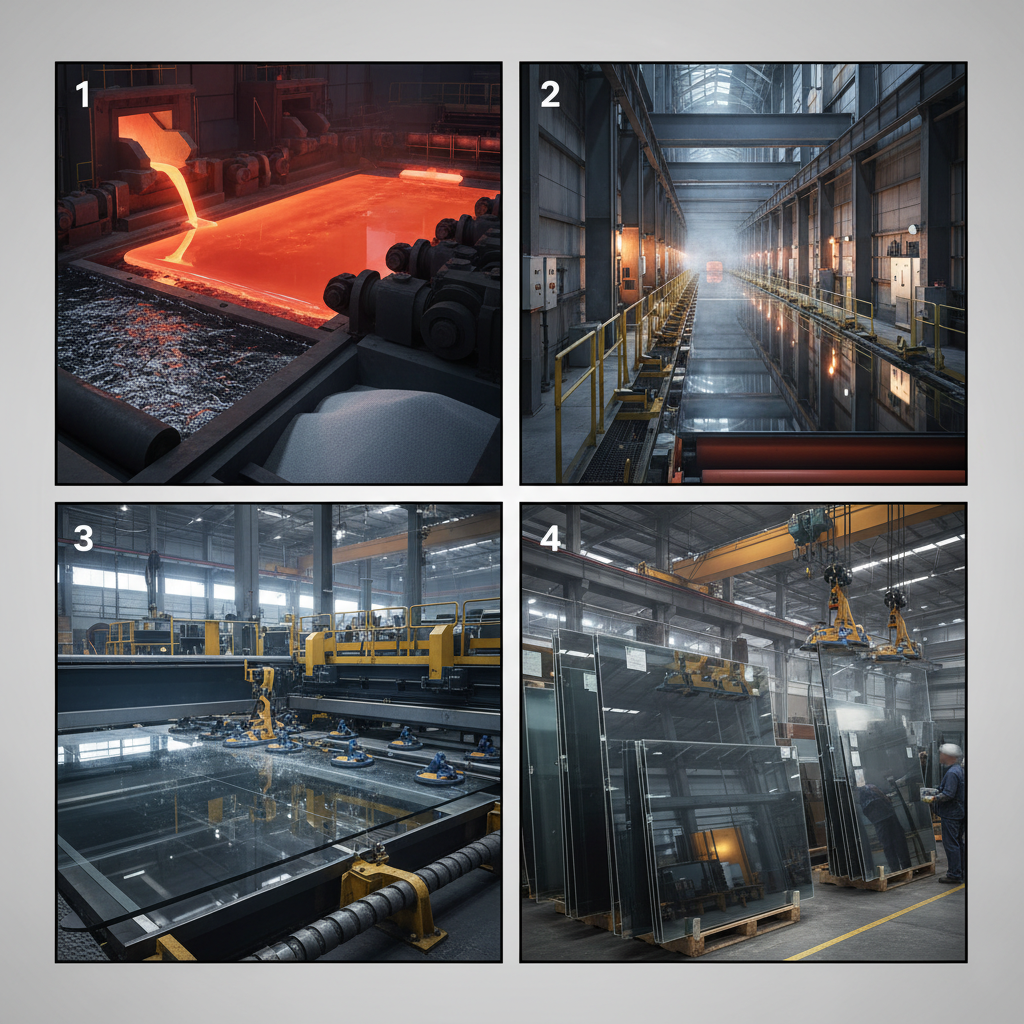
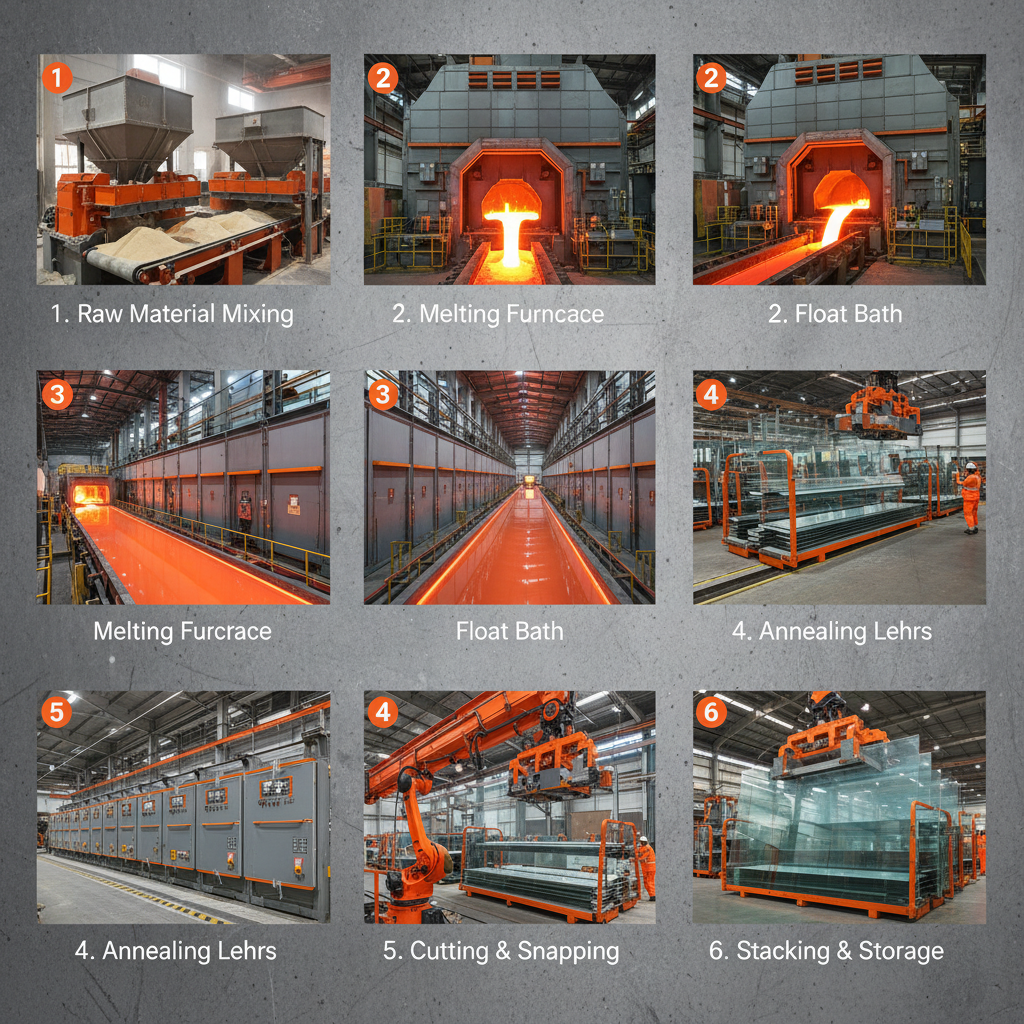
Globally, the demand for high-quality float glass has surged as urban landscapes transition toward sustainable, light-filled environments. The precision of the float process—where molten glass is floated on a bed of molten tin—ensures that 8mm float glass possesses a perfectly parallel surface and uniform thickness. This technical consistency is what makes it a reliable substrate for further processing, such as tempering or laminating, which are critical for meeting international safety building codes.
However, selecting the right glass is not merely about thickness; it is about matching the material properties to the environmental stressors of the installation site. Whether it is used for interior partitions, shopfronts, or specialized furniture, 8mm float glass addresses the common challenge of vibrational instability and wind load resistance that thinner glasses often fail to handle, providing a secure and sophisticated solution for global infrastructure.
Technical Specifications of 8mm Float Glass
At its core, 8mm float glass is defined by its exceptional flatness and high light transmission. The float process eliminates the need for grinding and polishing, resulting in a surface that is naturally smooth and free of distortions. This makes it an ideal candidate for high-end residential and commercial projects where visual clarity is non-negotiable.
Beyond aesthetics, the physical properties of this glass include a high modulus of elasticity and a predictable thermal expansion coefficient. These specifications allow engineers to calculate precisely how the glass will react under pressure or temperature fluctuations, ensuring that 8mm float glass remains stable and safe throughout its operational lifespan.
The Role of 8mm Float Glass in Modern Architecture
In contemporary urban design, the shift toward "open concept" spaces has placed a higher premium on structural glass. 8mm float glass is frequently employed as the primary material for interior partitions, office dividers, and decorative screens. Its ability to block noise while allowing natural light to permeate deep into a building's core helps in reducing energy costs and improving the well-being of occupants.
From a sustainability perspective, the longevity of this material is a significant asset. Unlike plastic alternatives that yellow or degrade under UV exposure, high-quality float glass retains its transparency for decades. By integrating 8mm float glass into the building envelope, architects can create timeless structures that minimize the need for frequent renovations and replacements.
Moreover, the versatility of this thickness allows it to be seamlessly integrated with aluminum or stainless steel framing systems. This synergy creates a sleek, minimalist aesthetic that is highly sought after in luxury hotels and corporate headquarters, where the goal is to merge functionality with a high-end, professional appearance.
Comparing 8mm Float Glass with Other Thicknesses
When choosing between glass thicknesses, the decision usually hinges on the balance between weight and load-bearing capacity. While 4mm or 6mm options are sufficient for window panes, they often lack the rigidity required for larger panels, leading to "oil-canning" or visible bowing. In contrast, 8mm float glass provides the necessary stiffness to maintain a flat profile over larger spans.
The acoustic properties of 8mm float glass are notably superior to its thinner counterparts. The increased mass of an 8mm pane effectively dampens sound waves, making it a preferred choice for conference rooms or bedrooms where sound insulation is required to maintain privacy and focus without sacrificing the visual connection between spaces.
On the other end of the spectrum, 10mm or 12mm glass offers even greater strength but introduces significant weight challenges for hardware and installation. 8mm float glass serves as the optimal middle ground, offering a high strength-to-weight ratio that simplifies logistics and reduces the strain on supporting structures while still providing a robust safety margin.
Performance Metrics and Strength Analysis
The structural performance of 8mm float glass is measured by its ability to resist deflection under wind loads or human impact. In technical terms, the thickness increases the section modulus, meaning the glass can withstand significantly higher bending moments than 6mm glass. This makes it a reliable choice for low-impact areas where safety is a priority but full tempering might not be required.
To further analyze its efficiency, we compare different variants of float glass processing to see how they impact overall utility and durability in commercial settings.
Performance Comparison of 8mm Float Glass Variants
Global Applications and Use Cases
Across the globe, 8mm float glass is utilized in diverse environments, from the high-rise hubs of Dubai to the historic renovations in Europe. In commercial retail, it is the gold standard for display cases and storefront windows, providing a crystal-clear view of products while offering a level of security that prevents accidental breakage during high foot-traffic periods.
In industrial zones, this glass is often used as the base for specialized machinery guards or clean-room partitions. Because 8mm float glass can be easily cleaned and resists chemical corrosion better than many polymers, it ensures that sterile environments remain uncontaminated and visually accessible for monitoring.
Processing 8mm Float Glass for Enhanced Safety
While standard float glass is versatile, it can be further enhanced through thermal or chemical processing. When 8mm float glass undergoes tempering, its strength increases by four to five times, and it develops a safety-break pattern that minimizes injury. This is critical for applications like glass doors or shower enclosures where the risk of impact is high.
Lamination is another critical process where two sheets of glass (often 4mm + 4mm or using an 8mm base) are bonded with an interlayer like PVB. This transformation ensures that even if the 8mm float glass breaks, the fragments adhere to the interlayer, preventing collapse and providing a vital layer of protection in overhead glazing or security windows.
Additionally, frosting and coating processes allow the glass to serve functional roles beyond transparency. Low-E coatings applied to 8mm float glass can significantly reduce heat transfer, making buildings more energy-efficient and helping developers achieve LEED or BREEAM certifications.
Future Trends in Float Glass Manufacturing
The future of 8mm float glass is being shaped by the drive toward "Smart Glass" technology. Integration of electrochromic layers allows the glass to change its opacity or color based on an electrical current, transforming a standard 8mm pane into a dynamic shading system that responds to sunlight in real-time.
Sustainability is also pushing the industry toward circular economy models. New recycling techniques allow old 8mm float glass to be culleted and reintegrated into the melting process without losing purity, drastically reducing the carbon footprint associated with raw material extraction and furnace heating.
Automation in precision cutting and edge-working is further reducing waste and increasing the speed of delivery. As AI-driven logistics optimize the supply chain, the availability of custom-sized 8mm float glass is becoming more accessible for smaller-scale architectural projects, democratizing high-performance glazing.
Comparative Analysis of 8mm Float Glass Processing Methods
| Processing Type |
Strength Gain |
Primary Use Case |
Safety Rating |
| Annealed (Standard) |
Baseline |
Interior Decor |
Low |
| Fully Tempered |
High (4-5x) |
Glass Doors |
High |
| Heat-Strengthened |
Moderate (2x) |
Storefronts |
Medium |
| Laminated (PVB) |
High (Impact) |
Overhead Glazing |
Maximum |
| Acid-Etched (Frosted) |
Baseline |
Privacy Screens |
Low |
| Low-E Coated |
Baseline |
Energy Saving |
Low |
FAQS
While 8mm float glass provides the necessary thickness, it must be tempered to be safe for shower screens. Untempered float glass breaks into sharp shards, whereas tempered 8mm glass breaks into small, blunt granules. For safety and building code compliance, always ensure your shower glass is tempered.
Float glass is the base material produced by the float process; it is "annealed" and breaks in large, dangerous pieces. Tempered glass is float glass that has been heated and rapidly cooled to create internal stresses, making it significantly stronger and safer upon breakage.
Standard 8mm float glass can be cut using professional glass cutters and a scoring technique. However, if the glass has already been tempered, it cannot be cut or drilled; any attempt to do so will cause the entire pane to shatter instantly.
The increased thickness of 8mm glass compared to 4mm or 6mm provides better sound dampening. It increases the mass of the partition, which reduces the amount of sound energy that can pass through, making it ideal for semi-private office spaces.
Yes, 8mm is often the minimum recommendation for larger external panes in wind-prone regions. However, for maximum safety and energy efficiency, it is highly recommended to use it as part of an Insulated Glass Unit (IGU) or in a laminated configuration.
Generally, no. Whether you choose clear, tinted, or ultra-clear float glass, the structural strength remains the same as long as the thickness is 8mm and the chemical composition of the base glass is consistent.
Conclusion
In summary, 8mm float glass represents a critical equilibrium in the glass industry, offering the perfect blend of optical clarity, manageable weight, and structural resilience. From its role as a high-performance substrate for tempering and laminating to its widespread application in modern architectural partitions, it provides a reliable solution for those seeking both beauty and safety in their construction projects.
As we move toward a future of smarter, greener buildings, the evolution of float glass will continue to prioritize sustainability and technological integration. For architects and developers, investing in high-quality 8mm glass is not just a matter of meeting codes, but a commitment to creating enduring, light-filled spaces that enhance the quality of human life. To explore the best solutions for your next project, visit our website: www.mirrorglassfactory.com