
Nov . 02, 2026 03:13 Back to list
How to Choose Reflective Glass for Facades and Windows

Reflective glass suits buyers who need a coated architectural glass with a mirror-like exterior, controlled daylight, privacy, and a choice of base glass, colors, and finishes. This guide explains the main selection criteria and identifies the project situations where Reflective Glass is a practical fit.
Project use: commercial curtain walls, residential windows, or automotive glazing applications
Optical and visual requirements: reflective appearance, daylight transmission, privacy, solar exposure, base glass, color, and finish
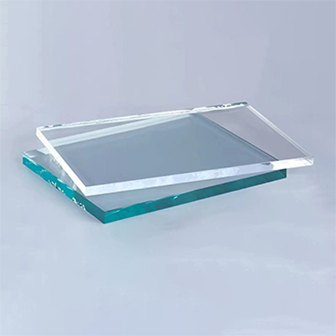
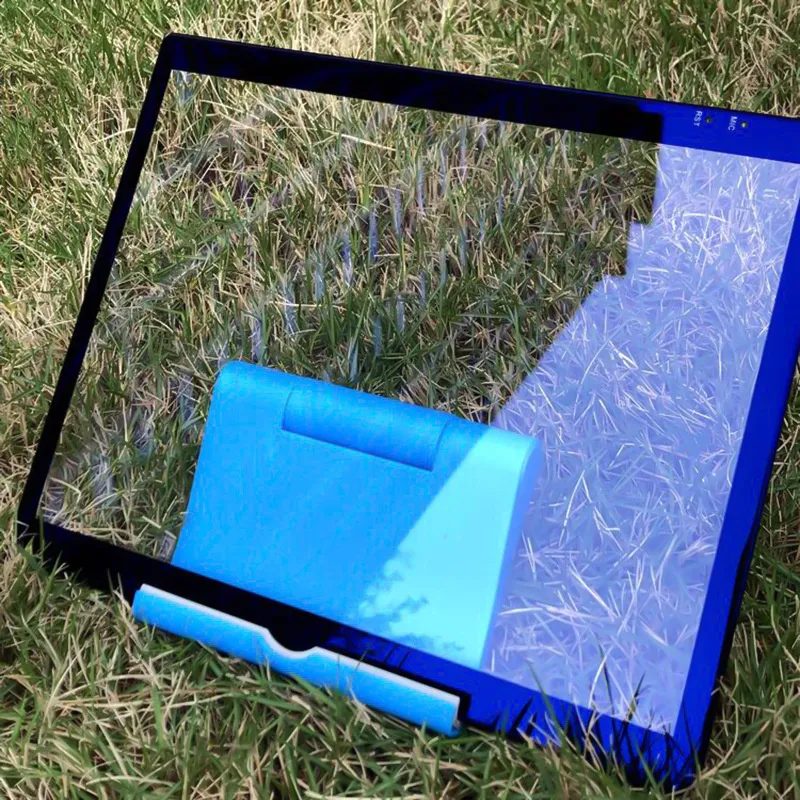
Reflective glass is a coated glass for projects that need a reflective exterior, some daylight transmission, and a defined visual character. The coating uses one or more layers of metal or metal compound films on clear or tinted glass. It reflects light and images while allowing some transparency from the opposite side.
For procurement teams, the choice starts with the building’s use, the required appearance, and the size information needed for fabrication. Reflective Glass is a suitable option for commercial facades, residential windows, and other projects where solar control, privacy, and appearance must be considered together.
Match the glass to the building use
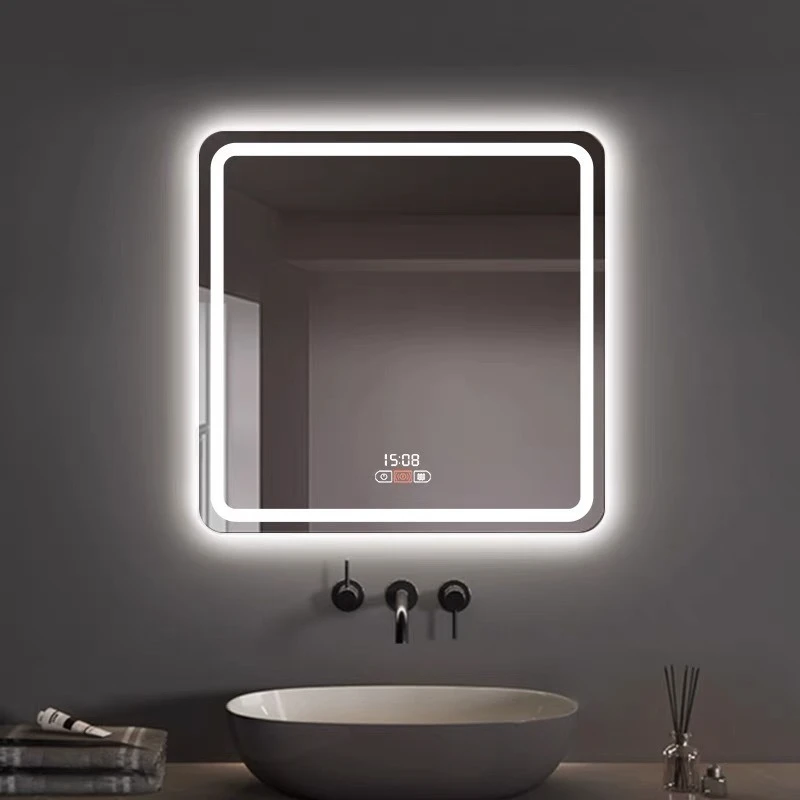
This coated product fits commercial curtain walls when the design calls for a sleek facade and a surface that reflects the surrounding environment. It can also suit residential windows where the buyer wants daylight indoors while reducing the direct visual connection from outside under suitable viewing conditions.
For a large facade, picture the glass across the building elevation during daytime: the outer surface creates reflections, while natural light still enters the occupied space. The design team should review the facade orientation, the desired privacy effect, and the appearance of nearby buildings before confirming the glass.
Residential projects call for a different check. A homeowner may want this material for windows that receive strong sunlight and need a more private outward appearance. The selected base glass and color will affect the visual result, so the window schedule should identify the intended appearance for each elevation.
Check the base glass and appearance
The product can be coated on clear or tinted glass. Clear glass is a starting point for projects that want the coating to define the reflective effect. Tinted glass can be combined with a corresponding film to create a colored appearance and support a stronger design direction.
Color and finish should be treated as part of the purchasing specification, not as a late visual choice. Several colors and finishes are available, so the buyer should send facade elevations, preferred color references, and the required panel dimensions when requesting a quotation.
Consider light, privacy, and solar exposure
The coating reflects visible light and images while still allowing some transparency. It also allows visible natural light to pass through, reflects infrared rays at a high level, and absorbs ultraviolet rays at a high rate. These characteristics make it relevant to buildings that need daylight with a reflective exterior and solar-control considerations.
Privacy depends on the relationship between indoor and outdoor light. With tinted glass and the corresponding film, the interior can be visible from inside while the exterior view is restricted under suitable conditions. Buyers should review the intended use at different times of day, especially for windows facing public areas or neighboring buildings.
Select by project situation
Choose Reflective Glass for a commercial facade when the project needs a mirror-like architectural appearance, daylight transmission, and a surface that reflects the surroundings. The procurement package should include facade drawings, panel dimensions, the selected base glass, and the preferred color or finish.
Choose Reflective Glass for residential windows when the buyer wants a reflective appearance, natural daylight, and added privacy as part of the window design. Confirm the window sizes, room orientation, and desired color before placing the order.
Choose Reflective Glass for automotive glazing applications only when the project specifically concerns uses such as car windows, sunroofs, or rearview mirrors. The vehicle application has a different design and processing context from architectural windows, so the buyer should provide the exact component drawings and quantities.
This is a focused choice for projects built around reflection, daylight, privacy, and solar exposure. Send the supplier your panel or window schedule, base-glass preference, color or finish reference, application, and quantity so the product configuration can be reviewed against the project.
The people

About the author
The company
SHAHE SHOTT GLASS Co., Ltd.
We focus on offering one-stop solutions on glass processing for global OEM/ODM customers. In order to make precision processing glass, we have equipped with 45m-long tempering furnace, Intermac CNC work center, Intermac cutting table, Double edge grinding machine, waterjet, PVB and EVA laminating lines. We also have an acid etching line, two silkscreen-printing lines, and 2 mirror lines to meet all-round needs of customers.
About Us ↗Visit company website ↗Your next step
Bring your brief. Start a useful conversation.
Use case, specification, quantity and delivery window: make the next conversation specific.
-
How to Choose Insulated Glass for Windows and Curtain Walls
NewsNov.17,2026
-
How to Choose Low Emissivity Glass for Windows and Building Facades
NewsNov.10,2026
-
Patterned Frosted Glass FAQ: Materials, Dimensions and Care Questions
NewsOct.29,2026
-
AG Glass vs AR Glass: Comparing Production Methods, Dimensions and Documented Uses
NewsOct.23,2026
-
Float Glass Material Selection Guide for Architecture and Interiors
NewsOct.20,2026