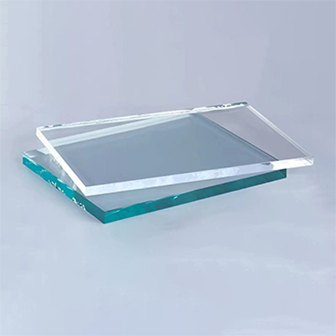

Float Glass Material Selection Guide for Architecture and Interiors

Procurement managers and architectural engineers evaluating raw materials for large-scale developments rely on float glass as the foundational substrate across construction, interior decoration, automotive, home appliance panels, and solar glass sectors. Determining optimal material choices depends on balancing structural dimensions against secondary processing pathways like thermal tempering.
Project specifications dictate whether maximum available sizing limits meet installation requirements, or if custom dimensions are necessary. Technical evaluations must account for handling constraints before finalizing fabrication workflows.
Foundational Role of Float Glass Across Industrial and Architectural Sectors
Substrate Classification Across Industrial Sectors
Float glass functions as the primary raw substrate deployed across multiple operational domains, including architecture, interior decoration, and automotive manufacturing. Unprocessed annealed sheets serve as the starting material for subsequent industrial transformation pathways. Raw installations of this unstrengthened glass remain vulnerable to dynamic mechanical loads until thermal processing alters their internal stress profiles.

Mandatory Processing Pathways for Structural Integrity
Downstage thermal treatment must be integrated prior to deploying panels in load-bearing environments or high-impact zones. Controlled thermal tempering, precise cutting, and specialized edge finishing modify the baseline substrate to fulfill structural safety requirements. Procurement operations coordinate these essential fabrication steps to bridge the performance gap between initial raw material delivery and final deployment standards.

Substrate Interaction with Operational Environments
Material specifiers analyze how foundational substrate properties react to intended handling methods and exposure variables. Environmental conditions such as moisture and thermal shifts influence the long-term viability of untreated panes before secondary treatments take effect. Technical teams evaluate project specifications against handling constraints to verify that the selected thickness and dimensions remain compatible with installation site demands. Subsequent verification steps depend strictly on technical confirmation protocols provided by the supplier.
Dimensional Limits and Custom Sizing Parameters for Project Planning
Standard Sizing Limits for Baseline Project Planning
Maximum available size reaches 3300 mm * 12000 mm, establishing the primary physical boundary for project layout. Procurement teams evaluating project blueprints verify that raw substrate dimensions align with this upper fabrication limit to minimize waste during subsequent cutting operations. Handling these large dimensions demands specialized lifting equipment and coordinated logistics before dispatch.

Custom Dimensions and Project-Specific Adaptation Pathways
When architectural designs require non-standard geometries, custom dimensions are customizable based on specific project needs and handling constraints. Orders involving customized lengths or widths remain subject to supplier verification to ensure safe transit and structural integrity before dispatch. Technical confirmation is required for any parameters extending beyond standard production boundaries.
Logistical feasibility heavily influences whether oversized panes can be delivered intact to specific construction sites. Roadway restrictions, crane access, and on-site staging areas dictate the maximum allowable glass dimensions for each distinct installation zone. Engineering teams coordinate these transport parameters early in the procurement cycle to avoid delivery bottlenecks.
Logistical Impacts and Storage Constraints
Oversized glass dimensions significantly impact transport routing, storage on-site, and subsequent processing lines. Specialized A-frame racks and mechanical suction lifters prevent edge chipping during transit and offloading phases. Proper vertical storage mitigates surface contamination and prevents moisture accumulation between adjacent lites prior to secondary fabrication.
Subsequent cutting, edge grinding, and thermal tempering lines must accommodate these larger panel sizes without compromising factory throughput. Production schedulers verify equipment clearance limits before routing oversized substrate sheets into active manufacturing bays. Technical parameters regarding batch sizing remain subject to supplier confirmation depending on available transport equipment and factory line capacities.
Technical Verification and Supplier Confirmation Protocols
Engineering Review and Compatibility Boundaries
Formal engineering sign-off becomes mandatory when project requirements fall outside standard manufacturing thresholds or involve unlisted technical parameters. Procurement teams must cross-reference all raw substrate properties against the supplier's technical confirmation before issuing purchase orders for secondary fabrication. Proceeding without this verification exposes the entire supply chain to structural failures during downstream cutting and tempering operations.
Custom fabrication specifications and non-standard dimensions require direct technical consultation to determine feasibility.

Risk Management in Secondary Fabrication Protocols
Ignoring compatibility checks between untreated panes and installation site environments directly increases the probability of thermal breakage. The supplier must formally validate whether the selected material thickness can withstand expected wind loads and mechanical stresses after tempering. Contact the supplier to obtain the technical documentation and verification files required for compliance auditing.
Unverified processing sequences often lead to irreversible material damage during edge finishing and hole drilling stages.
Comparative Analysis of Float Glass Application Sectors and Processing Needs
Application-Specific Processing Paths
Downstream manufacturing workflows vary depending on whether the raw material feeds into building facades, interior design elements, or residential hardware. Thermal tempering operations modify the internal stress profile of the raw material, increasing resistance to mechanical loads and thermal gradients encountered in building facades and vehicle windows.
When procurement plans involve structural installations, engineers evaluate whether secondary fabrication pathways align with project load requirements and installation environments. Depending on shipment volume and logistical parameters, processing schedules remain subject to specific project timelines and handling constraints.
Substrate Sector Matrix
| application | Primary Functional Role | Required Secondary Processing |
|---|---|---|
| construction | Building envelopes and structural glazing | Thermal tempering and edge grinding |
| interior decoration | Wall cladding and decorative partitions | Custom cutting and surface polishing |
| automotive | Windshields and side windows | Curving and thermal strengthening |
| home appliance panels | Control interfaces and door glass | Hole drilling and edge profiling |
| solar glass | Photovoltaic cover plates | Anti-reflective coating and tempering |
Structural Requirements Across Operational Domains
Architectural and automotive applications require thermally strengthened components to prevent brittle failure under heavy wind loads or physical impacts. In contrast, interior decoration and appliance panels prioritize aesthetic surface finishes and dimensional precision for framing integration over high-impact mitigation. Substrate thickness selection directly dictates how these panels behave during edge finishing and subsequent mechanical loading stages.
Engineering teams evaluate mechanical performance metrics and surface treatment parameters before authorizing bulk distribution runs across targeted industrial sectors.
Evaluating Operational Conditions and End-Use Environment Compatibility
Environmental Exposure Factors Impacting Long-Term Performance
Clustered moisture exposure and sustained thermal fluctuations degrade unprotected raw glass surfaces over extended operational periods. When untreated panels remain exposed to aggressive atmospheric agents, surface weathering accelerates depending on local humidity levels and air pollution indices.
Specifying appropriate protective coatings or selecting higher baseline durability grades relies on evaluating destination port humidity conditions and order volume requirements. Material specifiers balance these exposure variables against expected installation longevity to prevent premature degradation in exterior structural applications.
Managing Installation Site Constraints and Thermal Stress
Restricted on-site handling spaces demand precise edge finishing specifications to distribute mechanical loads evenly across installed panels. Thermal stress concentrations build up rapidly when framing systems restrict natural glass expansion during peak solar radiation cycles.
Mitigating this risk involves calculating expected temperature differentials based on architectural layout geometries and local climate data. If installation parameters deviate from standard tolerances, edge treatment procedures are adjusted to accommodate specific thermal movement ranges.
Matching Substrate Characteristics with Operational Loads
Aligning raw substrate properties with project-specific operational loads requires comprehensive site condition analysis prior to material dispatch. Engineering teams evaluate the interaction between anticipated wind pressures and panel thickness to ensure structural integrity across diverse deployment domains.
Substrate selection depends strictly on the intended application sector, whether supporting architectural facades, automotive assemblies, or solar energy systems. Project managers review these operational thresholds alongside logistical lead times to maintain safety margins throughout the installation lifecycle.
Risk Mitigation Strategies in Float Glass Procurement and Sourcing
Sourcing Verification Checklist and Audit Protocols
If purchasing teams evaluate sizing limits, then cross-reference project blueprints against the maximum dimension boundary of 3300 mm * 12000 mm before dispatching orders. Operating units verify that layout dimensions avoid unnecessary yield losses depending on destination port logistics and facility handling yields.
Auditing vendor capabilities requires examining historical performance data and processing capacity thresholds. Technical evaluations depend on specific project installation requirements and intended downstream thermal tempering pathways.
Contractual Boundaries and Tolerance Specifications
Establishing clear contractual boundaries prevents costly disputes regarding dimensional tolerances during secondary processing. Procurement contracts must explicitly state acceptable variance ranges depending on raw sheet thickness and cutting parameters.
- Defining precise dimensional tolerance limits for architectural facades and vehicle integration.
- Setting clear accountability guidelines for edge finishing and surface quality inspection before dispatch.
- Aligning delivery schedules with subsequent thermal strengthening requirements to eliminate operational bottlenecks.
Unverified architectural elements risk severe failure if secondary safety processing pathways are omitted from the initial supply chain checklist. Operating units mitigate these sourcing risks by enforcing rigorous technical alignment protocols prior to material release.
Frequently Asked Questions
The maximum size boundary reaches 3300 mm * 12000 mm for baseline procurement planning. Projects requiring dimensions outside this upper boundary depend on handling constraints, transport logistics, and the specific customization needs determined during technical review.
Float glass serves as the baseline raw material across multiple industries including construction, interior decoration, automotive manufacturing, home appliance panels, and solar glass production. Each sector dictates distinct secondary fabrication pathways prior to final deployment.
Non-standard dimensions can be customized based on handling constraints, logistical feasibility, and on-site storage limitations. Procurement teams must coordinate these custom parameters alongside subsequent processing lines to minimize cutting waste.
Material specifiers must verify unlisted technical thresholds against formal engineering documentation provided by the manufacturer. Proceeding with secondary fabrication without verifying compatibility with intended operating environments introduces operational risks.
Architectural facades require rigorous thermal tempering and specialized edge finishing to satisfy structural safety standards under dynamic loads. Conversely, interior decoration and home appliance panels prioritize aesthetic cutting and surface adaptability over high-stress structural tempering.
Conclusion
Direct procurement managers to initiate technical consultations with qualified suppliers by submitting precise project sizing parameters and end-use fabrication requirements for formal confirmation.
Submitting Project Files
Purchasing authorities transmit precise digital blueprints to manufacturing partners before material allocation begins.
Engineering departments review these files against cutting and tempering constraints.
Confirming Delivery Parameters
Project schedules depend on regional transport distance and offloading equipment availability at the destination site.
Logistics teams verify that dispatch windows accommodate oversized handling requirements.