
Nov . 17, 2026 03:45 Back to list
How to Choose Insulated Glass for Windows and Curtain Walls
Choose insulated glass by the opening size, glass build-up, cavity, and use context. Double, triple, and quadruple glazing can be matched with the listed glass types for residential, commercial, and public building projects.

Selection starts with the finished opening and the performance the building needs. Our insulated glass units use two or more flat glass sheets, spacers, desiccant, an aluminum alloy frame, and sealant to form sealed spaces between the panes.
Set the unit dimensions before choosing the glass type
Measure the finished opening, frame rebate, and available glazing depth before requesting a quotation. The insulated glass unit must fit the window, door, or curtain wall system, so identify the finished width, height, overall build-up, and edge details required by that system.
Glass thickness and cavity thickness affect the overall build-up. Available options include the thicknesses shown in the table below.
| Selection point | Available options |
|---|---|
| Glass thickness | 4mm, 5mm, 6mm, 8mm, and other listed thicknesses |
| Air layer thickness | 9mm - 15mm |
| Frame thickness | 6mm - 12mm |
| Glazing configuration | Double, triple, or quadruple glazing |
Use the frame dimensions to narrow the build-up first. Triple and quadruple glazing add more panes and spaces, so they require a compatible frame system.
Choose double glazing for common window applications, triple glazing when the frame accepts a deeper unit and the project calls for more insulation, and quadruple glazing for special insulation requirements. Match the finished size, overall thickness, pane type, and cavity filling to the frame or facade system before ordering.
Match the pane material to the building use
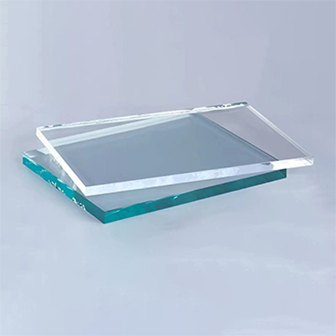
Clear float glass suits ordinary glazing where a clear appearance is needed. Other listed pane types provide choices for appearance, light control, or safety according to the project requirement.
We combine these glass types according to the window or curtain wall design, the required appearance, and the project's safety requirements.
Choose double, triple, or quadruple glazing
Double glazing uses two panes and one spacer to create one sealed dry space. It suits common residential and commercial window applications where a standard build-up fits the frame.
Triple glazing uses three panes and two spacers to create two sealed spaces. Choose it when the project calls for more insulation than a double-glazed unit and the frame can accept the deeper build-up.
Quadruple glazing uses four panes and three spaces. It suits projects with a special insulation requirement and needs a frame designed for the resulting unit thickness.
The cavity can contain dry air, argon, or krypton. Dry air is the regular cavity filling, while argon or krypton can be selected when the project requires a different gas filling.
Select the right use context
These units are used in windows and curtain walls for residential, commercial, and public buildings. Apartments, hotels, hospitals, office buildings, and schools are among the building applications for this product.
For a window replacement or new window order, match the unit dimensions and pane type to the frame. For a curtain wall, match the build-up to the curtain wall system and facade design. Transportation projects can also use this glazing in train and ship doors and windows when the vehicle design accepts the selected unit.
What to weigh
Opening and frame depth · match the unit build-up to the installation system.
Pane material and safety need · choose the appropriate glass type.
Glazing configuration · select double, triple, or quadruple glazing.
Cavity filling · choose dry air, argon, or krypton.
Your shortlist
Insulated Glass · suitable for residential, commercial, and public building windows and curtain walls, plus compatible train and ship doors or windows.
Make the purchase request specific
Send the supplier the finished unit size, required glass thickness, preferred air layer, number of panes, pane material, cavity filling, and installation context. Include whether the unit is for a window, curtain wall, door, train, or ship so the proposed build-up can be checked against the application.
We supply double, triple, and quadruple configurations. Before placing the order, compare the proposed overall thickness with the frame rebate and confirm that the selected pane types match the design requirement.

About the author
The company
SHAHE SHOTT GLASS Co., Ltd.
We focus on offering one-stop solutions on glass processing for global OEM/ODM customers. In order to make precision processing glass, we have equipped with 45m-long tempering furnace, Intermac CNC work center, Intermac cutting table, Double edge grinding machine, waterjet, PVB and EVA laminating lines. We also have an acid etching line, two silkscreen-printing lines, and 2 mirror lines to meet all-round needs of customers.
About Us ↗Visit company website ↗-
How to Choose Low Emissivity Glass for Windows and Building Facades
NewsNov.10,2026
-
How to Choose Reflective Glass for Facades and Windows
NewsNov.02,2026
-
Patterned Frosted Glass FAQ: Materials, Dimensions and Care Questions
NewsOct.29,2026
-
AG Glass vs AR Glass: Comparing Production Methods, Dimensions and Documented Uses
NewsOct.23,2026
-
Float Glass Material Selection Guide for Architecture and Interiors
NewsOct.20,2026