
Oct . 23, 2026 18:23 Back to list
AG Glass vs AR Glass: Comparing Production Methods, Dimensions and Documented Uses
SIDE BY SIDE
AG Glass vs AR Glass: Comparing Production Methods, Dimensions and Documented Uses
A side-by-side look at the anti-glare (AG) and anti-reflective (AR) glass options from SHAHE SHOTT GLASS Co., Ltd., based on published product information. Both share the same documented customization range of 1.3mm–10mm thickness and sizes up to 2000*2800mm, but they are made by different methods: chemical etching for AG and magnetron sputtering for AR. Care and cleaning requirements are not covered in the current materials and should be confirmed with the supplier.

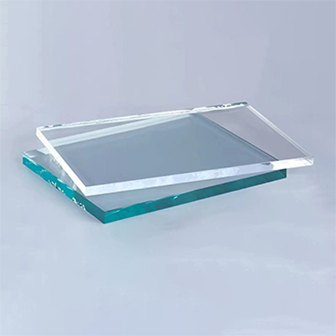
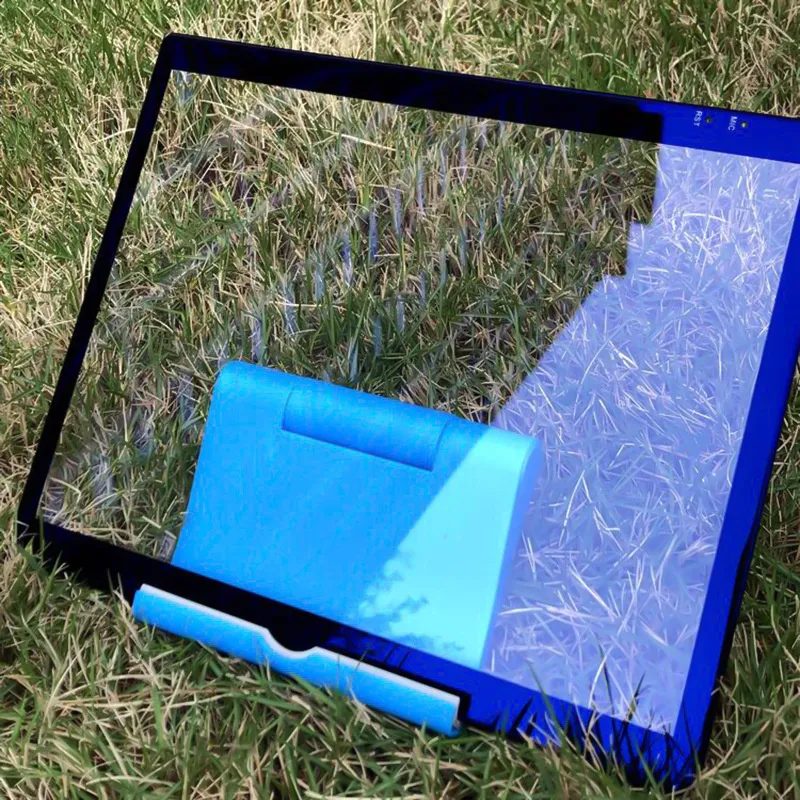
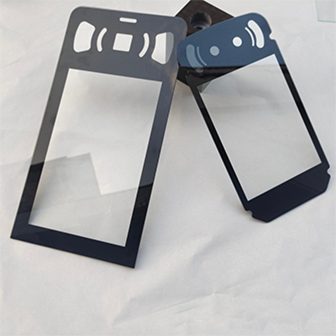
AG glass (anti-glare glass), SHAHE SHOTT GLASS Co., Ltd.
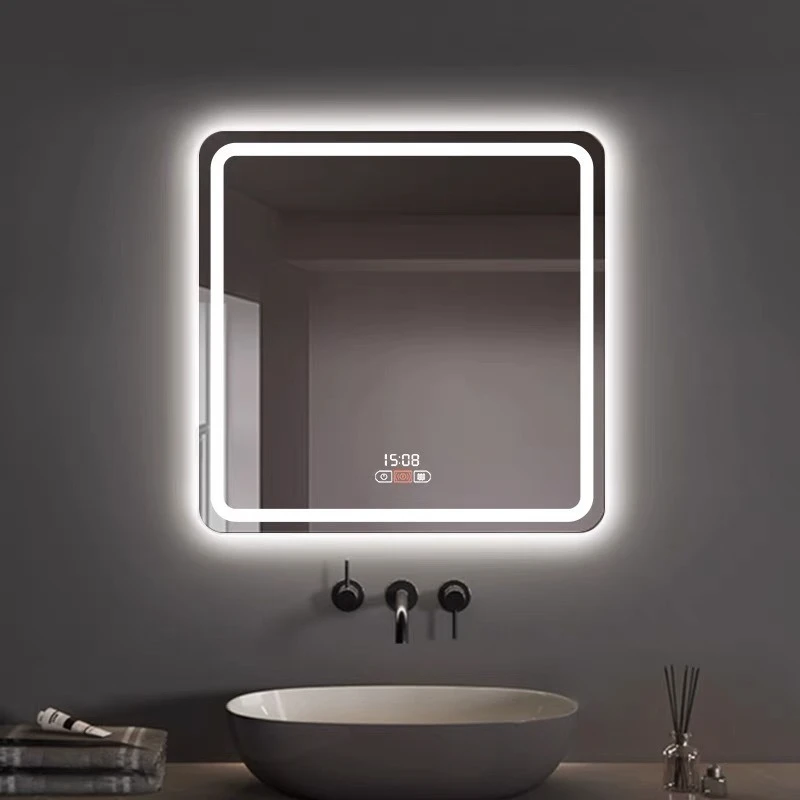
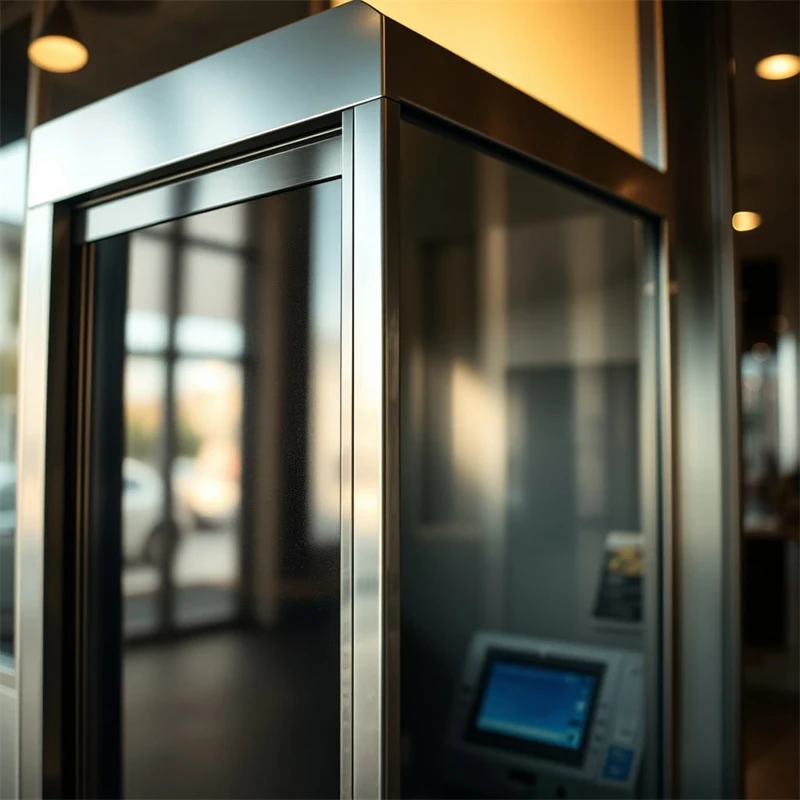
AR glass (anti-reflective glass), SHAHE SHOTT GLASS Co., Ltd.
Buyers sourcing glass for displays, frames or screens often have to choose between two surface options: AG glass (anti-glare) and AR glass (anti-reflective). This article compares the two options offered by SHAHE SHOTT GLASS Co., Ltd., using only the company's published product information. Where the materials say nothing about a point, we mark it as unavailable instead of guessing.
Scope of this comparison
- Subjects: the anti-glare and anti-reflective options on the "AG Glass And AR Glass" product page, plus extra anti-glare detail from the dedicated product page.
- Criteria: production method, surface treatment, thickness and size, documented applications, published optical data and care requirements.
- Limits: The materials have much more detail on the anti-glare option than on the anti-reflective one. This is not a performance test, and it does not rank either option as better overall.
Quick comparison table
| Criterion | Anti-glare (AG) | Anti-reflective (AR) |
|---|---|---|
| Production method | Chemical etching | Magnetron sputtering |
| Surface description | Matte surface from chemical processing on one or two surfaces of float glass | |
| Thickness range | 1.3mm–10mm (customizable) | 1.3mm–10mm (customizable) |
| Maximum size | As large as 2000*2800mm | As large as 2000*2800mm |
| Documented applications | Photo frames, monitors, screens; also ATM screens, window glass, medical equipment covers, in-car displays, industrial control displays, other outdoor displays | |
| Published reflectivity data | Product page states reflectivity is reduced from 8% to less than 1% | Unavailable |
| Care / cleaning requirements | Unavailable | Unavailable |
Materials and production method
The biggest documented difference between the two options is how each one is made.
Anti-glare: This option is made by chemical etching. The dedicated product page describes it as surface-processed glass: one or two surfaces of float glass are chemically treated so the smooth surface becomes matte. The process is the same as for acid-etched glass, but with different ratios of acid solutions. The page also says this option has stricter requirements for surface roughness and light transmittance than ordinary acid-etched glass. It describes the matte surface as diffusing light to cut glare and as having a paper-like touch.
Anti-reflective: This option is made by magnetron sputtering.
In practice, these are two different surface technologies: an etched matte finish and a sputtered treatment. Choosing between them depends on the look and optical behavior your project needs. Confirm those requirements with the supplier before you order.
Dimensions and customization
On dimensions, the published information treats both options the same way:
- Thickness: customizable from 1.3mm to 10mm.
- Size: as large as 2000*2800mm.
If your project needs a specific thickness or panel size, give the exact figures when you ask for a quote. Tolerances, edge work and other processing options are not covered in the current excerpts.
Documented applications
The shared product page says the anti-glare option is often used in photo frames, monitors and screens. The dedicated page adds ATM screens, window glass, medical equipment covers, in-car displays, industrial control equipment displays and other outdoor displays. It notes that the anti-glare property suits bright-light settings.
Durability claims
The etched surface resists scratches, does not fall off, and stays stable in hot and cold weather.
Care requirements
Questions to confirm before ordering
- For the etched option, do you need one or two treated surfaces?
- What thickness and panel size do you need, within 1.3mm–10mm and up to 2000*2800mm?
- Which optical values matter for your application? Ask for documented anti-reflective data, because none is published in the current materials.
- What written care and cleaning instructions apply to the surface you choose?
Summary
Both options from SHAHE SHOTT GLASS Co., Ltd. share the same thickness and size range. The difference is the production method: AG glass uses chemical etching to make a matte, glare-diffusing surface, and the anti-reflective option uses magnetron sputtering. The anti-glare option has applications and a reflectivity figure.
THE PEOPLE

About the author
THE COMPANY
SHAHE SHOTT GLASS Co., Ltd.
We focus on offering one-stop solutions on glass processing for global OEM/ODM customers. In order to make precision processing glass, we have equipped with 45m-long tempering furnace, Intermac CNC work center, Intermac cutting table, Double edge grinding machine, waterjet, PVB and EVA laminating lines. We also have an acid etching line, two silkscreen-printing lines, and 2 mirror lines to meet all-round needs of customers.
About Us ↗Visit company website ↗YOUR NEXT STEP
Bring your brief. Start a useful conversation.
Use case, specification, quantity and delivery window: make the next conversation specific.
-
How to Choose Insulated Glass for Windows and Curtain Walls
NewsNov.17,2026
-
How to Choose Low Emissivity Glass for Windows and Building Facades
NewsNov.10,2026
-
How to Choose Reflective Glass for Facades and Windows
NewsNov.02,2026
-
Patterned Frosted Glass FAQ: Materials, Dimensions and Care Questions
NewsOct.29,2026
-
Float Glass Material Selection Guide for Architecture and Interiors
NewsOct.20,2026