
Nov . 10, 2026 02:00 Back to list
How to Choose Low Emissivity Glass for Windows and Building Facades
Choose low emissivity glass by coating process, thermal use, visible-light needs and final assembly. Online low-e glass suits durable single-pane use, while offline low-e glass provides broader color options and stronger insulation when made into insulating glass. Confirm the float sheet size, thickness, glazing build-up and processing requirements before placing an order for windows, doors or curtain walls.

Coating production process and coating durability, including whether the glass will be used as a single piece or assembled into insulating glass.
Thermal use, visible-light transmission, color selection and suitability for windows, doors, curtain walls and other architectural glazing.
Float sheet size and thickness, final single, double or triple glazing build-up, storage period and required cutting, lamination or tempering.
Low emissivity glass is selected by matching the coating process and final glazing build-up to the building application. We supply low-e glass for windows, doors, curtain walls and other architectural glazing, with cutting to size, lamination and tempering available. The key purchase decision is whether you need a durable coating that can be used as a single piece, or better thermal insulation and more color choices in an insulating glass unit.
Start with the coating process
There are two main production routes: online high-temperature pyrolytic deposition and offline vacuum magnetron sputtering. The process affects how the glass should be specified, stored and assembled.
Online low-e glass has a durable coating layer. It can be used as a single piece and stored for a long time, making it suitable for projects where the glass will remain in a single-pane configuration or where storage before installation is part of the order plan. Its product categories are relatively simple, so it fits jobs where coating durability and straightforward specification matter more than a broad choice of colors or configurations.
Offline low-e glass has a wider range of colors and better thermal insulation performance. Its coating layer has lower resistance to moisture and oxides when exposed to air for a long time, so we recommend making it into insulating glass and using it within a few months. This option suits window and facade projects that already require double or triple glazing and need more choice in appearance or thermal design.
Tell us the intended assembly at the quotation stage. The same low emissivity glass keyword can describe two different procurement paths, and the coating process should match the time between production, fabrication and installation.
Match the glass to the building use
Low emissivity glass is intended for energy-controlling architectural glazing. Its coating allows high transmission of visible light while reflecting infrared rays. In a building envelope, that combination supports natural light while controlling heat transfer through the glass.
For windows and doors, consider the room's seasonal heat direction. In summer, low-e glass helps prevent excessive external heat from entering the room. In winter, it helps reduce heat loss from the house. This makes it a practical choice for residential, commercial and other building openings where the glazing forms part of the thermal envelope.
Curtain wall projects should be specified around the facade design and the selected glazing build-up. Highly transparent low-e glass can support natural light with reduced heat radiation, which is useful where the design depends on daylight. The final choice still needs to fit the facade's required appearance, assembly and processing plan.
Picture a window order for a building with large openings. The glass should be selected together with the required double or triple glazing arrangement, not treated as an isolated sheet. For a curtain wall, send the panel schedule and glazing build-up so we can align the glass type with the fabrication sequence.
Check materials, size and thickness together
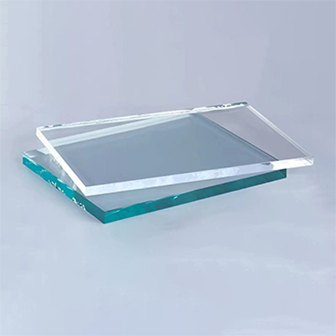
The size and thickness for this product refer to the float glass sheet specification. That means the order should begin with the required sheet dimensions and thickness, then move to the coating process and final use.
For a replacement window, measure the required finished glass dimensions and identify whether the unit is single, double or triple glazing. For a new facade, prepare the panel dimensions, the number of panes in each unit and the processing steps needed after cutting. These details help prevent a mismatch between the sheet specification and the finished glazing unit.
The product can be made into double or triple glazing when used as an insulating glass unit. Cutting to size, lamination and glass tempering are available. Select these steps according to the finished product required for the project. A buyer ordering glass for doors may need a different processing plan from a buyer ordering fixed curtain wall panels, even when both use low emissivity glass.
Do not treat visible-light transmission, thermal control and appearance as separate decisions. The coating process, glass assembly and color choice interact with the building's design. Online production has a durable coating and simpler product categories. Offline production gives more color options and better thermal insulation, with the practical requirement that it be assembled into insulating glass and used within a few months.
Which option fits your order?
Choose online low-e glass when the project needs a durable coating, long storage flexibility or single-piece use. This is a sensible route for orders where the final application does not require the broader color range associated with offline production.
Choose offline low-e glass when the project requires better thermal insulation performance, more color choices and an insulating glass unit. Plan the fabrication and installation schedule around the coating's exposure limits. The glass should be made into double or triple glazing and used within a few months.
Both options suit energy-controlling building glazing. The right choice depends on the final assembly, the required appearance, the storage period and whether the project uses windows, doors or curtain wall glass. Our team can review the glass schedule and processing sequence before production.
Questions to settle before ordering
Can low emissivity glass be used as a single piece?
Yes, online low-e glass can be used as a single piece because its coating layer is durable. Offline low-e glass is better planned as part of an insulating glass unit because its coating can be corroded by moisture and oxides during long exposure to air. Tell us whether the order is for single glazing, double glazing or triple glazing before we confirm the suitable production route.
Should low emissivity glass be made into double or triple glazing?
Yes, it can be made into either double or triple glazing when used as an insulating glass unit. This is especially relevant for offline low-e glass, which we recommend assembling into insulating glass and using within a few months. Send the required number of panes and finished unit dimensions so we can align the coating option with the glazing build-up.
Which low-e option gives more color choices?
Offline low-e glass provides more color choices than online low-e glass. It also has better thermal insulation performance, so it suits projects where appearance and insulating glass design are both important. Because the coating has lower resistance to long exposure to moisture and oxides, include the planned assembly and installation timing in your order information.
Can the glass be processed after production?
Yes, we provide cutting to size, lamination and glass tempering for low emissivity glass. The processing route should follow the finished application, such as a door, window or curtain wall panel. Send the required dimensions, thickness, glazing type and processing steps so we can prepare the order around the intended finished product.
Prepare the order around the finished glazing
Choose online low-e glass for durable single-piece use and longer storage flexibility. Choose offline low-e glass for insulating glass units where thermal insulation performance and color selection matter. For a quotation from SHAHE SHOTT GLASS Co., Ltd., send the application, sheet dimensions, thickness, single or double or triple glazing build-up, desired color and required cutting, lamination or tempering steps.

About the author
The company
SHAHE SHOTT GLASS Co., Ltd.
We focus on offering one-stop solutions on glass processing for global OEM/ODM customers. In order to make precision processing glass, we have equipped with 45m-long tempering furnace, Intermac CNC work center, Intermac cutting table, Double edge grinding machine, waterjet, PVB and EVA laminating lines. We also have an acid etching line, two silkscreen-printing lines, and 2 mirror lines to meet all-round needs of customers.
About Us ↗Visit company website ↗-
How to Choose Insulated Glass for Windows and Curtain Walls
NewsNov.17,2026
-
How to Choose Reflective Glass for Facades and Windows
NewsNov.02,2026
-
Patterned Frosted Glass FAQ: Materials, Dimensions and Care Questions
NewsOct.29,2026
-
AG Glass vs AR Glass: Comparing Production Methods, Dimensions and Documented Uses
NewsOct.23,2026
-
Float Glass Material Selection Guide for Architecture and Interiors
NewsOct.20,2026