
Selecting the right thickness and finish for architectural glass often comes down to a balance between structural integrity and aesthetic privacy. For many high-traffic commercial zones and modern residential partitions, 12mm glass serves as a critical baseline for safety and stability.
When this thickness is combined with a frosted finish, the result is a versatile material that manages light transmission while obscuring direct visibility. However, understanding the 12mm frosted glass price requires looking beyond the surface cost to the processing methods and structural requirements of the specific project.
This analysis explores the technical variables that influence procurement costs and provides a framework for evaluating whether a 12mm frosted specification meets your project's security and design objectives.


Frosted glass is not a single product but a result of specific surface treatments. The most common industrial methods include acid etching and sandblasting. Acid etching uses a chemical process to create a smooth, satin-like finish that is easier to clean and more resistant to fingerprints, whereas sandblasting creates a more rugged, deeply textured surface.
The choice of finish directly impacts the final price. Acid-etched glass often carries a premium due to the precision of the chemical line and the resulting uniformity of the diffusion. For a 12mm thickness, the consistency of this frosting is vital to ensure that the glass does not appear streaky when backlit.
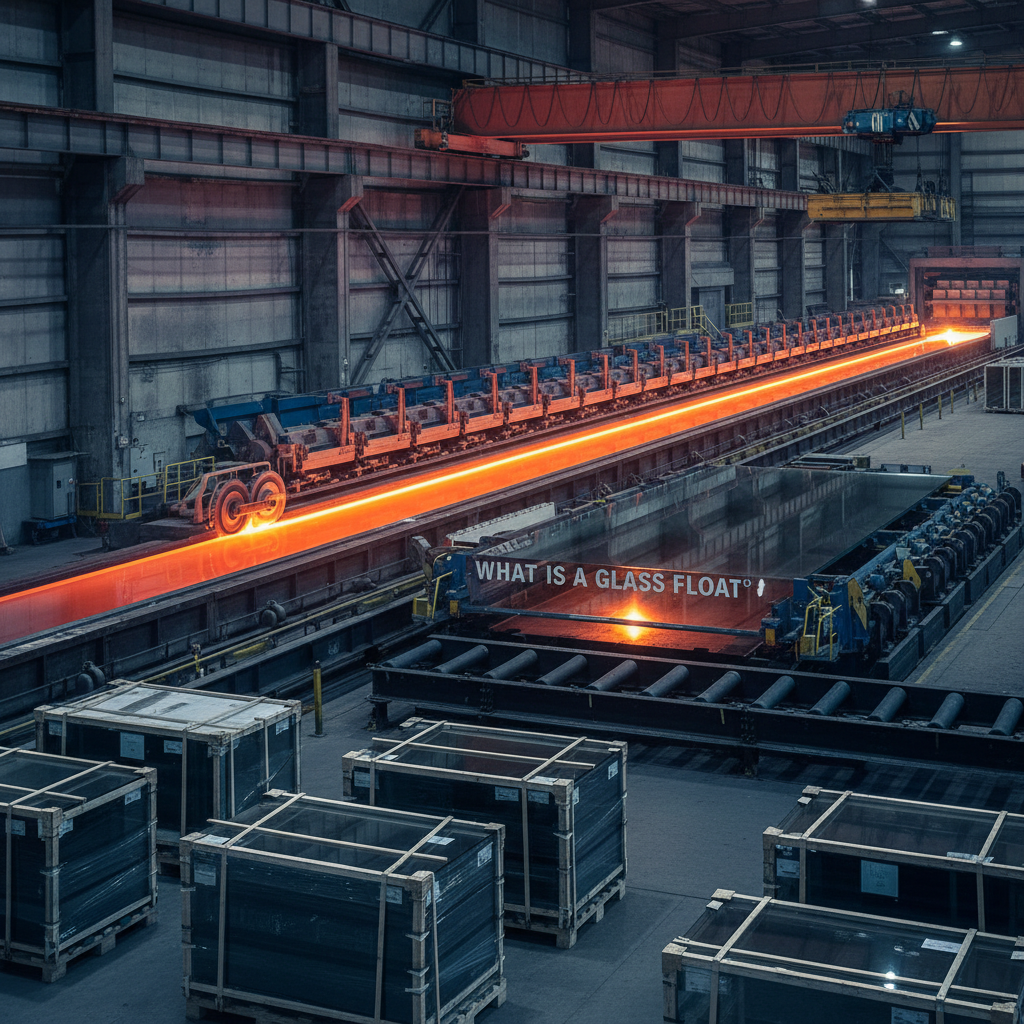
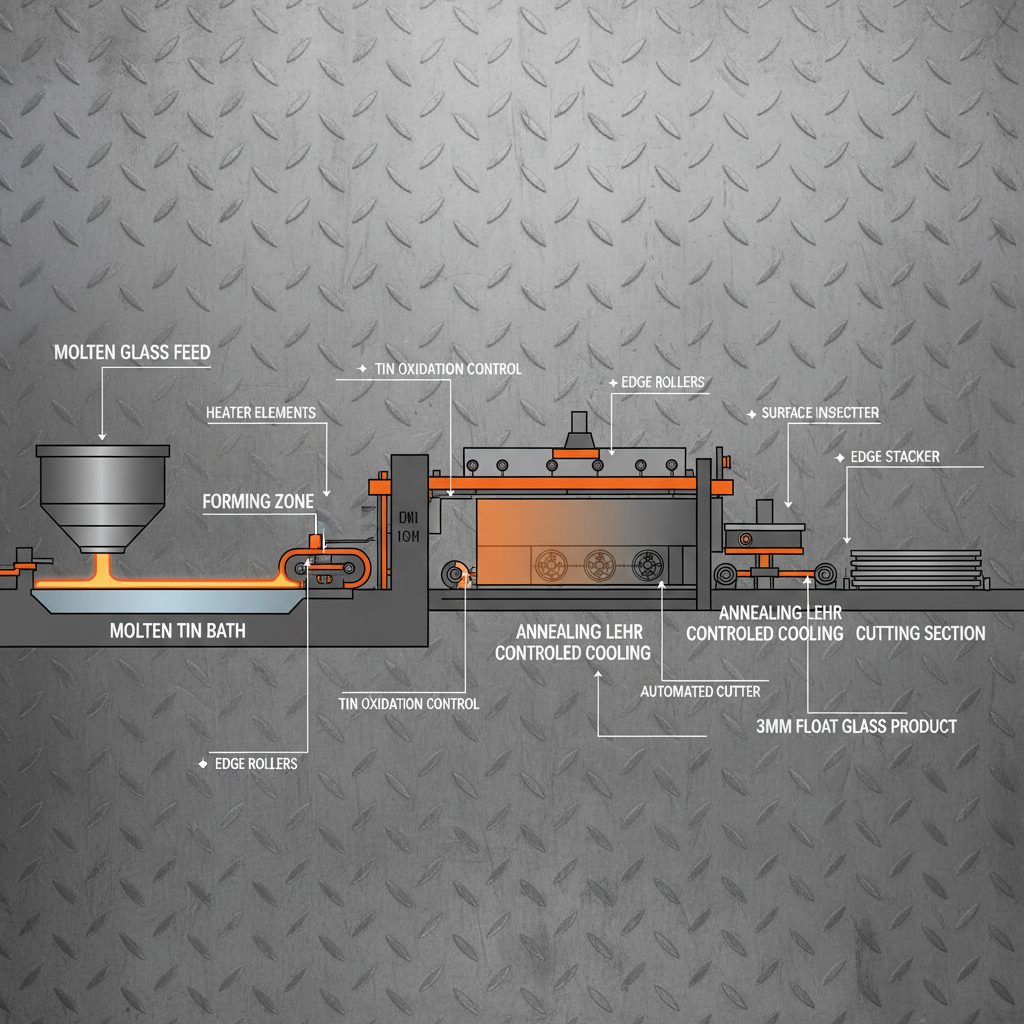
The 12mm frosted glass price is rarely a fixed commodity rate; it is a calculated value based on raw material costs, processing energy, and secondary treatments. The raw float glass must be of high optical quality to avoid seeds or bubbles that become exaggerated once the surface is frosted.
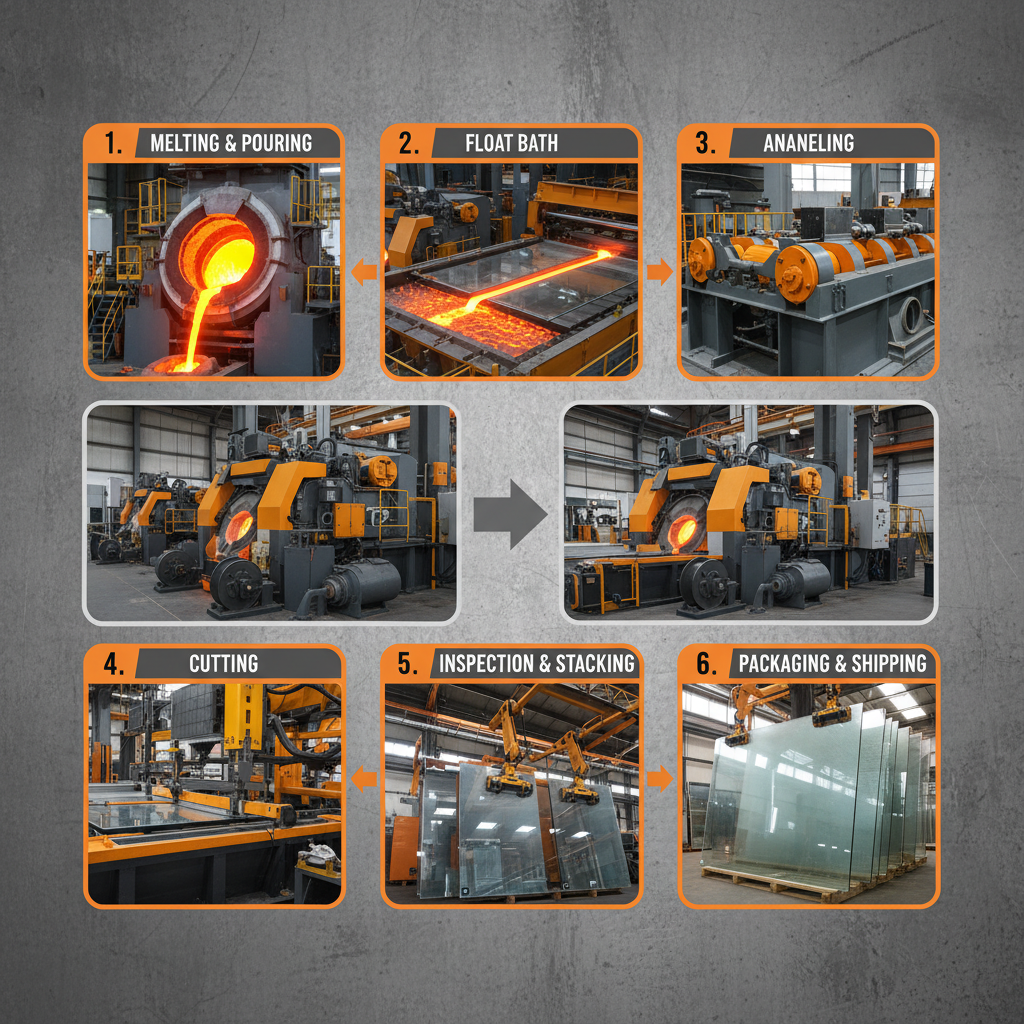
Secondary processes such as tempering significantly alter the cost structure. Because 12mm is a substantial thickness, the heating and cooling cycles in a tempering furnace require more energy and tighter quality control to prevent warping. If the glass is tempered after frosting, the heat can slightly alter the appearance of the etch; if frosted after tempering, the process must be handled carefully to avoid introducing surface stresses.
Furthermore, custom edge work—such as polished bevels or CNC cutouts for hardware—adds to the fabrication labor. In high-volume OEM/ODM projects, these costs are amortized, but for boutique architectural installations, the precision machining of a 12mm slab represents a significant portion of the total invoice.
Thickness is the primary driver of structural safety. While 6mm or 8mm glass may suffice for light partitions, 12mm is the industry standard for floor-to-ceiling dividers and load-bearing glass railings. The increased mass provides a higher moment of inertia, reducing the deflection (bending) of the panel under wind load or physical pressure.
The transition from 10mm to 12mm glass is not merely a linear increase in material; it is a strategic shift in safety margins, providing the necessary rigidity for frameless installations where the glass must support its own weight without excessive vibration.
When considering security, 12mm frosted glass offers a formidable physical barrier. While not "burglar-proof" in the same sense as laminated multi-layer glass, its thickness makes it significantly harder to penetrate than standard window glass. For those requiring extreme security, combining this thickness with a PVB or EVA interlayer transforms the product into a high-strength safety barrier.
Evaluating the cost-to-performance ratio requires a qualitative index rather than a simple price list. Different processing levels—from basic sandblasting to high-precision acid etching and tempering—create different value tiers. A basic 12mm frosted panel is a commodity, but a tempered, acid-etched 12mm panel is a technical component.
The following index illustrates the relative cost increase associated with adding technical specifications to a base 12mm frosted glass panel. As complexity increases, the value shifts from the raw material to the fabrication expertise.
In a typical corporate office setting, 12mm frosted glass is frequently deployed for executive boardroom partitions. The thickness ensures that the panels remain stable even at heights of 3 meters, while the frosting allows natural light from the perimeter windows to reach the inner core of the building without sacrificing the confidentiality of meetings.
For residential luxury bathrooms, this specification is often chosen for walk-in shower enclosures. Here, the 12mm thickness provides a "premium feel" and high impact resistance, while the frosted surface prevents the visibility of water streaks and provides privacy. In these cases, the focus shifts from purely structural needs to the sensory experience of the material.
The glass fabrication industry is moving toward "one-stop" integrated processing. Modern facilities now combine tempering, CNC cutting, and acid etching within a single workflow to reduce the risk of breakage during transit between different specialized shops. This integration is crucial for 12mm glass, as the weight makes it expensive to move multiple times.
There is also a growing demand for hybrid safety glass. We are seeing an increase in requests for 12mm laminated frosted glass, where two layers of glass are bonded with an EVA or PVB interlayer. This addresses the need for both privacy (frosting) and extreme safety (anti-shatter), particularly in public infrastructure and financial institutions.
Sustainability is becoming a pricing factor. Manufacturers are investing in energy-efficient tempering furnaces and closed-loop acid recovery systems. While these investments can influence the short-term cost, they ensure a more stable supply chain and compliance with global environmental standards.
When deciding between different frosted glass options, the procurement team must weigh the specific environmental stressors of the site. A 12mm panel in a low-traffic corridor has different requirements than a panel in a high-security industrial facility.
The trade-off is typically between cost and performance. While a lower-priced sandblasted 12mm panel may look similar to an acid-etched one, the long-term maintenance costs (cleaning and wear) are higher. A systematic evaluation of these factors prevents under-specifying the material, which could lead to structural failure or aesthetic degradation.
The table below provides a comparative framework for selecting the appropriate 12mm glass configuration based on the intended use case and performance requirements.
| Application Scenario | Recommended Finish | Critical Requirement | Relative Suitability |
|---|---|---|---|
| Office Partitions | Acid Etched | Light Diffusion | High |
| Shower Enclosures | Tempered Frosted | Thermal Shock Resistance | Optimal |
| Retail Storefronts | Laminated Frosted | Impact Security | High |
| Art Installations | Sandblasted | Deep Texture | Moderate |
| Industrial Dividers | Tempered Frosted | Structural Rigidity | High |
| Luxury Railings | Ultra Clear Frosted | Optical Purity | Optimal |
Acid-etched glass is created using a chemical process that produces a smooth, satin finish. It is generally more resistant to fingerprints and easier to maintain. Sandblasted glass is created by blasting the surface with abrasive particles, resulting in a deeper, more matte texture. While sandblasting can be more cost-effective for some, acid etching is preferred for high-end architectural applications where a uniform, soft look is required.
Yes, provided it is tempered. 12mm is a standard thickness for glass railings because it offers the necessary rigidity to prevent excessive bowing. However, for safety, it must be heat-treated (tempered) so that if it does break, it shatters into small, blunt fragments rather than sharp shards. In some jurisdictions, laminated 12mm glass is required to ensure the panel stays in place even after a break.
Generally, frosting is a surface treatment and does not significantly compromise the structural integrity of a 12mm slab. However, sandblasting can introduce micro-fractures on the surface, which slightly increases the risk of stress-related failure if the glass is not properly tempered. Acid etching is a more uniform process and is typically considered safer for maintaining the overall strength of the glass.
The price gap is due to the additional processing steps. Clear glass is a base product; frosted glass requires an entire secondary stage of production—either chemical baths for etching or abrasive machinery for sandblasting. This adds labor, energy, and material costs, as well as the need for rigorous quality inspection to ensure the frosting is consistent across the entire surface area.
No. Once glass is tempered, it cannot be cut, drilled, or notched. Any attempt to do so will cause the entire panel to shatter instantly due to the internal tension of the tempered state. All holes for hinges, handles, or custom shapes must be precision-cut using CNC machinery before the glass enters the tempering furnace.
In terms of visual privacy, the thickness (10mm vs 12mm) does not make a difference; the level of privacy is determined by the frosting technique and the opacity of the etch. However, 12mm is better for privacy in the sense that it allows for larger, frameless panels, which eliminates the visual gaps and frames that can sometimes compromise the intended privacy of a space.
Navigating the complexities of 12mm frosted glass requires a holistic view of both the architectural requirements and the fabrication process. While the initial price point is an important consideration, the true value lies in the intersection of safety, durability, and light management.
By prioritizing tempered specifications for safety-critical areas and selecting acid-etched finishes for high-maintenance zones, developers can ensure a long-term return on investment. Whether for residential elegance or commercial security, 12mm glass remains a reliable standard for modern spatial design.