In the precision-driven world of architectural and industrial glazing, 3mm float glass stands as one of the most versatile and widely utilized materials. Its unique balance of lightness and clarity makes it an indispensable asset for everything from interior cabinetry to complex mirrored installations, providing a clean, distortion-free finish that meets rigorous international standards.
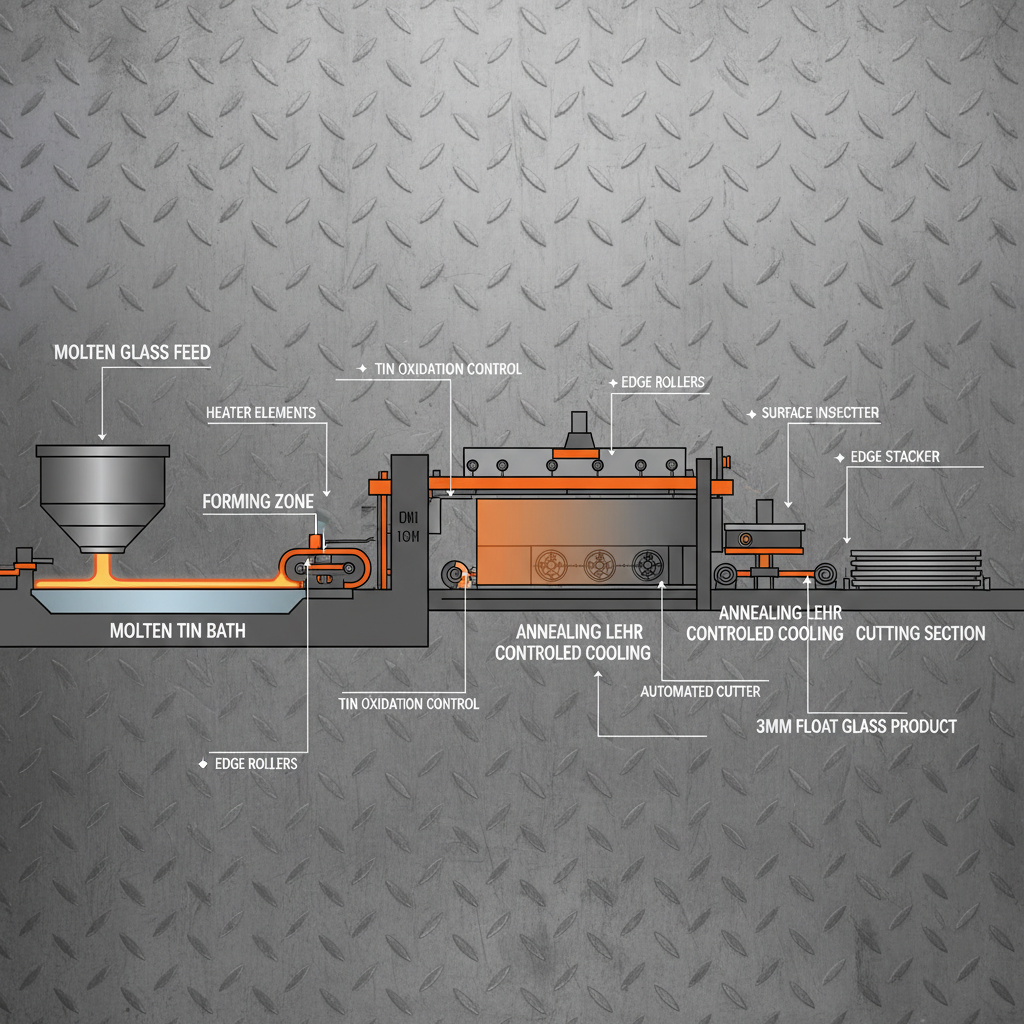
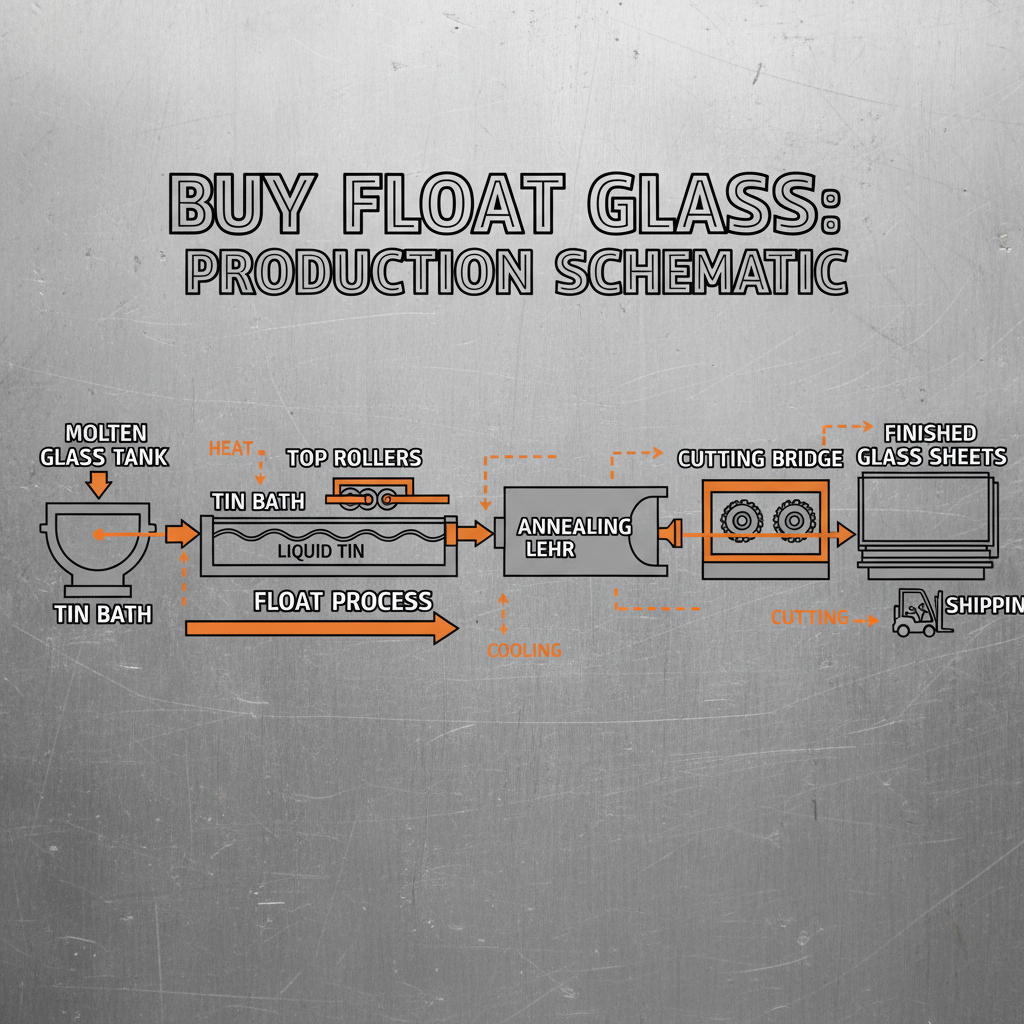
Understanding the nuances of this specific thickness is crucial for engineers and designers who must balance structural integrity with weight constraints. By utilizing the float process—where molten glass is floated on a bed of molten tin—the resulting 3mm sheets achieve a level of parallelism and surface smoothness that was historically impossible, ensuring consistent light transmission across every square millimeter.
Globally, the demand for high-quality thin-gauge glass continues to rise as modern design shifts toward minimalism and energy efficiency. Whether it is being further processed into tempered safety glass or used as a substrate for high-end mirrors, 3mm float glass provides the fundamental reliability required for sustainable, long-term commercial and residential applications.
Global Relevance of 3mm Float Glass
The global construction and furniture markets rely heavily on standardized materials to maintain efficiency and safety. 3mm float glass has become a global benchmark for light-duty glazing, conforming to ISO standards that ensure interchangeability and quality across different continents. From the high-rises of Dubai to the residential complexes in Europe, this material is the go-to choice for applications where heavy-duty impact resistance is not the primary concern, but optical purity is paramount.
Industry data suggests that the shift toward energy-efficient building envelopes has increased the demand for thin substrates that can be easily coated or laminated. The challenge for manufacturers is to maintain a strict 3mm tolerance while scaling production to meet the needs of rapid urbanization. When the thickness fluctuates even by a fraction of a millimeter, it can lead to installation failures or structural weaknesses in finished products like mirrors or insulated units.
Definition and Technical Essence
At its most basic level, 3mm float glass is a clear, flat glass produced by floating molten glass on a bed of molten tin. This process eliminates the need for grinding and polishing, resulting in a perfectly smooth surface on both sides. The 3mm specification refers to the nominal thickness, providing a lightweight yet rigid pane that is ideal for a variety of secondary processing techniques.
This material is not merely a commodity; it is the foundational "canvas" for the deep-processing glass industry. Because of its consistent thickness and high light transmission, it serves as the perfect base for silvering (to create mirrors), frosting, or applying low-emissivity (Low-E) coatings. In the context of modern industry, it addresses the need for cost-effective, high-transparency materials that do not add unnecessary dead weight to building structures.
From a humanitarian and urban development perspective, the affordability of 3mm float glass allows for the rapid deployment of hygienic and bright interior spaces in low-cost housing projects. Its ability to be easily cut and installed makes it a practical solution for bringing natural light into densely packed urban environments, thereby improving the well-being of residents through better illumination.
Core Components of Quality Control
The durability of 3mm float glass depends heavily on the chemical composition of the batch, primarily soda-lime-silica. Ensuring a precise ratio of these elements prevents the glass from becoming too brittle or too soft, which is essential for maintaining the 3mm profile during the cooling process.
Scalability in production is achieved through automated annealing lehrs, which cool the 3mm float glass at a controlled rate. This process relieves internal stresses that could otherwise cause the glass to shatter spontaneously, ensuring that the final product is stable and safe for worldwide shipping.
Cost efficiency is the final core component, as the thin 3mm profile maximizes the yield per ton of raw material. By optimizing the tin bath speed and the ribbon width, manufacturers can produce vast quantities of high-grade glass while minimizing waste, passing these savings on to the end consumer without sacrificing optical quality.
Practical Performance Metrics
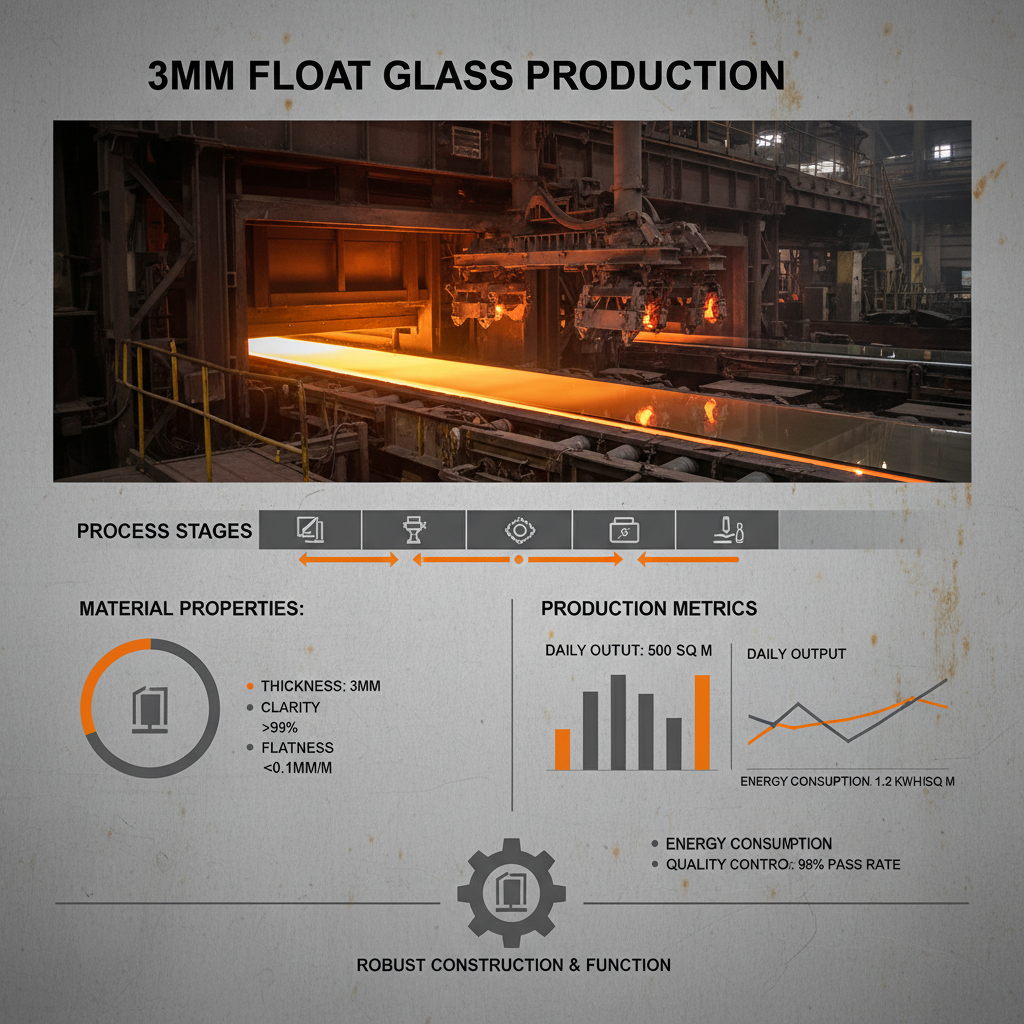
When evaluating the efficacy of 3mm float glass, industry professionals look at specific performance KPIs. These include light transmission percentages, flatness deviations, and the ability to bond with adhesives or coatings. Because it is thinner than standard 4mm or 6mm panes, its weight-to-strength ratio is uniquely suited for interior partitions and decorative overlays.
To better understand how different grades of this material perform, we analyze various processing methods. While the base material is consistent, the way it is handled—whether through precision tempering or chemical strengthening—can significantly alter its final rating in terms of impact resistance and thermal stability.
Performance Comparison of 3mm Float Glass Variants
Global Applications and Use Cases
The real-world application of 3mm float glass spans across multiple continents and sectors. In Southeast Asia's booming furniture industry, it is the primary substrate for high-quality household mirrors and wardrobe doors. In the luxury retail sectors of Europe and North America, it is frequently used in custom display cases where minimal visual interference is required to showcase high-value products.
Beyond commercial aesthetics, this material plays a vital role in specialized industrial zones. For instance, in clean-room environments or pharmaceutical laboratories, thin-gauge glass is used for protective shields and viewing panels. Its non-porous surface allows for rigorous sterilization, while the 3mm thickness keeps the overall weight of modular wall systems manageable, allowing for easier reconfiguration of laboratory layouts.
Long-Term Value and Sustainability
The long-term value of investing in premium 3mm float glass lies in its exceptional reliability and sustainability. Because it is 100% recyclable, it aligns with the global push toward a circular economy. When a building is renovated or a piece of furniture is decommissioned, the glass can be crushed and remelted without any loss in quality, drastically reducing the carbon footprint associated with raw material extraction.
From a logical angle, the cost-to-benefit ratio of 3mm glass is unmatched for non-structural applications. It provides the necessary safety and dignity of a polished, professional finish at a fraction of the cost of thicker alternatives. This allows developers to allocate budgets toward other critical safety features while still maintaining a high standard of interior design.
Emotionally, the clarity and brightness provided by well-installed thin glass impact the psychology of a space. By maximizing the flow of natural light through strategic placement of 3mm panels, architects can create environments that reduce stress and increase productivity, proving that a simple material can have a profound social impact.
Future Innovations in Thin Glass
Looking ahead, the evolution of 3mm float glass is being driven by the digital transformation of the construction industry. We are seeing the emergence of "smart glass" where thin float substrates are integrated with conductive layers to create switchable privacy glass or transparent displays. This integration allows a 3mm pane to function not just as a barrier, but as an interactive interface.
Sustainability policies are also pushing the industry toward "Green Glass" initiatives. This involves using higher percentages of cullet (recycled glass) in the float bath and employing hydrogen-powered furnaces to reduce CO2 emissions. The goal is to produce 3mm float glass that is not only physically clear but also environmentally "clean."
Automation and AI are further refining the production process, allowing for real-time thickness monitoring that reduces the variance in 3mm sheets to nearly zero. This level of precision enables more complex automated assembly in the automotive and electronics sectors, where the glass must fit perfectly into tight tolerances.
Comparative Analysis of 3mm Float Glass Specifications and Performance
| Material Grade |
Light Transmission |
Weight (kg/m²) |
Common Use Case |
| Standard Clear |
88% - 91% |
~7.5 kg |
Standard Mirrors |
| Ultra Clear |
92% - 95% |
~7.5 kg |
Luxury Showcases |
| Low-Iron Float |
91% - 93% |
~7.5 kg |
Museum Glazing |
| Tinted 3mm |
60% - 80% |
~7.5 kg |
Decorative Partitions |
| Frosted 3mm |
Diffuse (Variable) |
~7.5 kg |
Bathroom Cabinets |
| Coated 3mm |
75% - 85% |
~7.6 kg |
Energy-Saving Windows |
FAQS
For small to medium interior windows or decorative panels, 3mm float glass is generally sufficient. However, for external windows or areas prone to high wind pressure and impact, it is recommended to use tempered versions of 3mm glass or move to a thicker 4mm or 6mm specification to ensure structural safety and comply with local building codes.
Yes, 3mm float glass is the industry standard for mirror production. Its flatness and high transparency provide the perfect substrate for the silvering process, ensuring that the reflection is clear and free from the "funhouse" distortion that occurs with lower-quality or unevenly thick glass.
Standard clear float glass has a slight greenish tint due to the iron content in the raw sand. Ultra-clear (low-iron) 3mm glass removes these impurities, resulting in a neutral color and higher light transmission, which is critical for high-end jewelry displays and architectural accents.
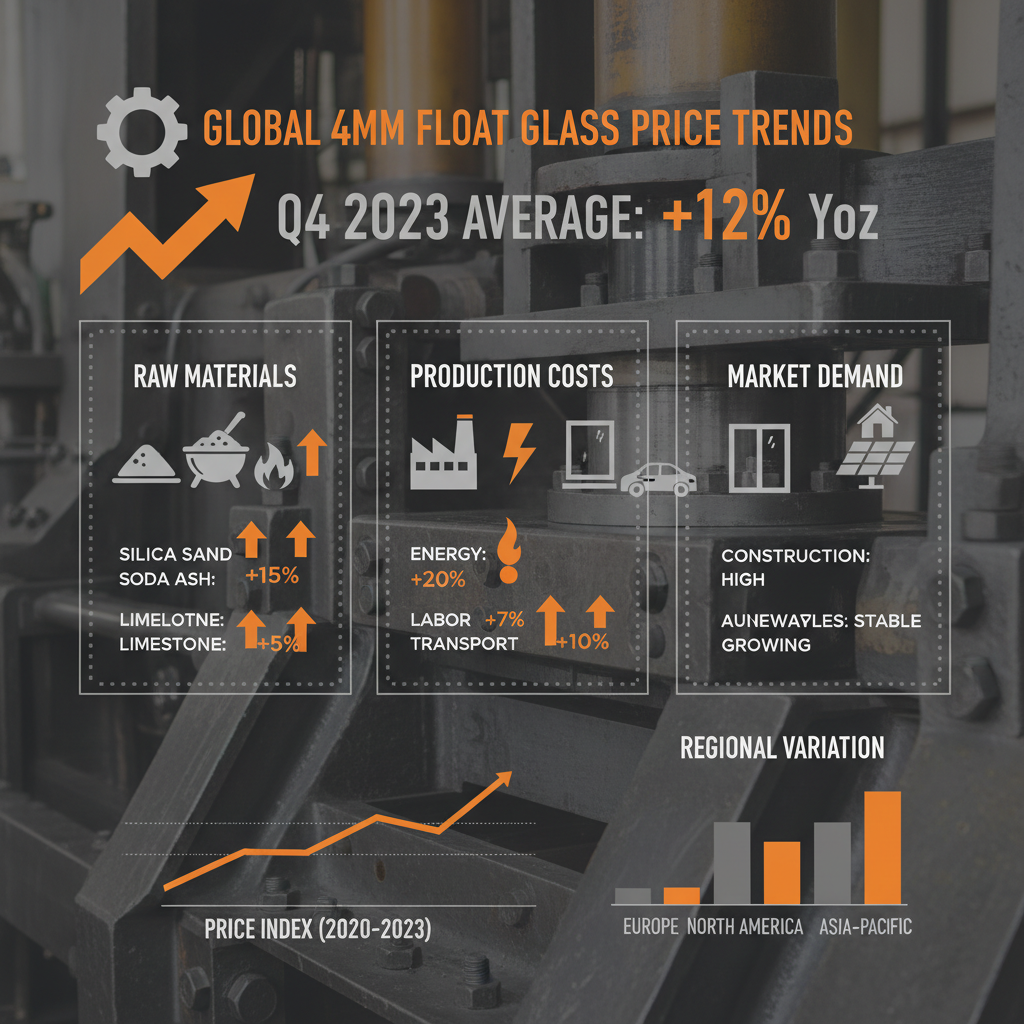
Generally, 3mm float glass is more cost-effective per square meter than thicker glass because it requires fewer raw materials. However, the price may vary based on the grade (e.g., low-iron vs. standard) and the specific processing required, such as tempering or coating.
To prevent breakage, always use appropriate glazing tapes or rubber gaskets to avoid direct glass-to-metal contact. Additionally, ensure that the frame is perfectly square; because 3mm glass is relatively thin, it is more susceptible to stress fractures if forced into a distorted frame.
Yes, 3mm float glass can be tempered. The tempering process heats the glass and cools it rapidly, which significantly increases its strength and ensures that if it does break, it shatters into small, blunt granules rather than dangerous sharp shards, making it suitable for safety-critical areas.
Conclusion
In summary, 3mm float glass represents a perfect synergy of material science and industrial efficiency. Its role as a versatile substrate for mirrors, decorative elements, and lightweight glazing makes it a cornerstone of the modern deep-processing glass industry. By balancing optical clarity, cost-effectiveness, and environmental sustainability, it continues to provide immense value to architects, manufacturers, and end-users worldwide.
As we move toward a future of smarter and greener cities, the integration of advanced coatings and sustainable production methods will only enhance the significance of this material. For those seeking a reliable, high-performance glazing solution that doesn't compromise on aesthetics or budget, choosing the right grade of 3mm float glass is a strategic decision for long-term success. Visit our website for more professional glass solutions: www.mirrorglassfactory.com