

Chemically Strengthened Glass
Descriptions of Chemically Strengthened Glass
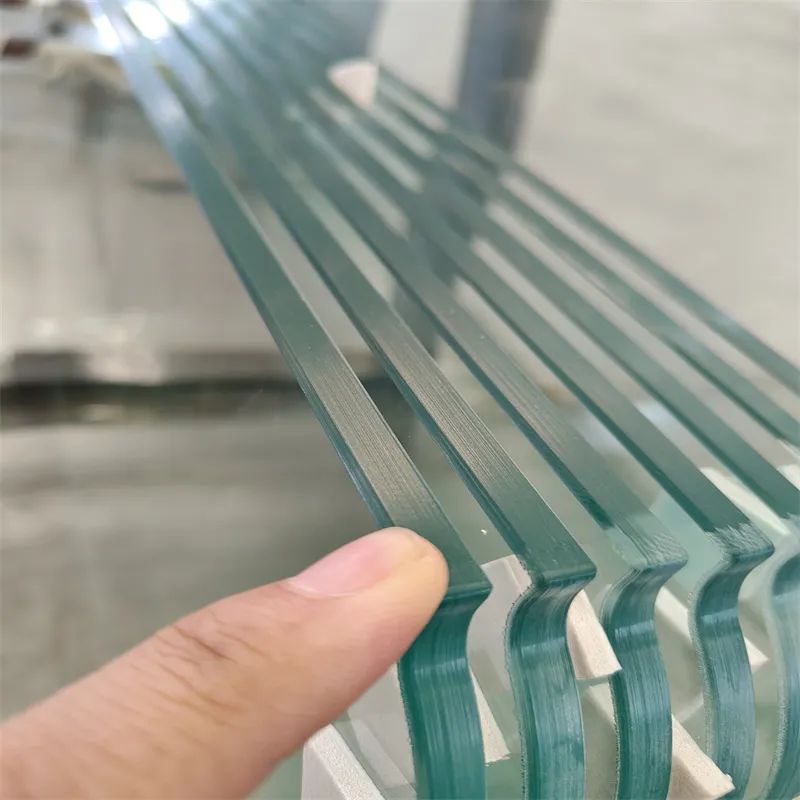
Chemically strengthened glass, also known as chemically toughened glass, is a special type of glass that is immersed in molten potassium salts to cause an ion replacement reaction on the glass surface to enhance its strength and scratch resistance. Compared with ordinary annealed glass, chemically strengthened glass shows better impact resistance and temperature difference adaptability, which makes it widely used in construction, automobiles, aerospace, and other fields.
How to Produce Chemically Strengthened Glass?
Chemical strengthening of glass is a simple and interesting process. It mainly changes the characteristics of ordinary glass through ion exchange on the glass surface, thereby achieving the purpose of strengthening the glass. The following is its main production process:
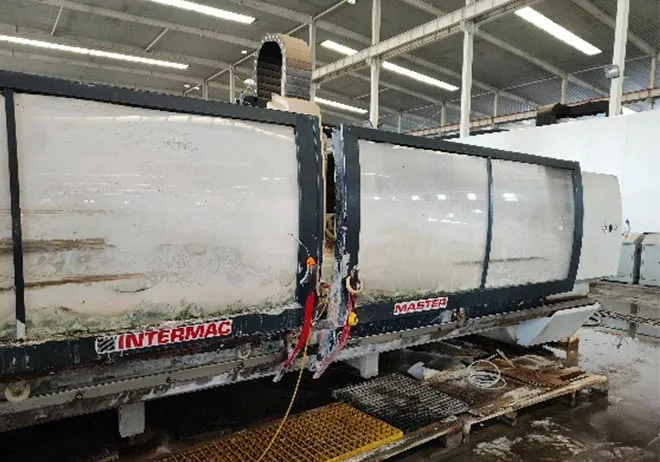
Before chemical treatment, the cleaned glass needs to be cut to the size we need.
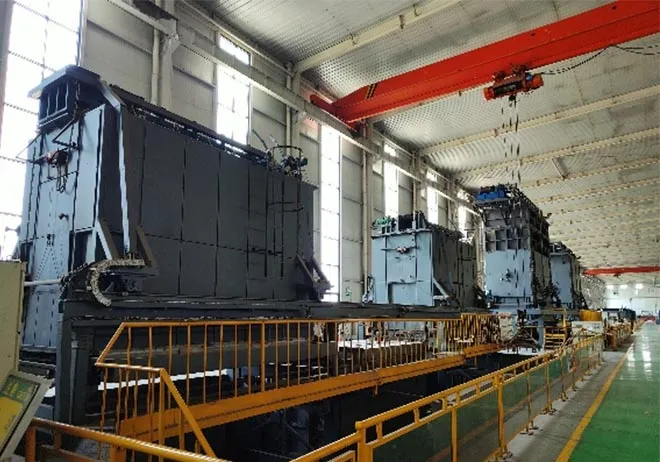
Soak the cut glass in a potassium nitrate salt bath at about 400 ℃ to wait for ion exchange to occur.
The sodium ions on the surface of the glass are replaced with potassium ions in the salt bath. This process usually takes 6 hours or more to complete. The glass is then removed and cooled to room temperature to complete the entire chemical strengthening process.
Characteristics of Chemically Strengthened Glass
Chemically strengthened glass is 3 to 8 times stronger than ordinary float glass, allowing it to withstand greater impact.
Chemically strengthened glass has good thermal stability and can withstand temperature changes above 150°C.
As the strength of glass increases, the scratch resistance of chemically strengthened glass has also been significantly improved compared to untreated glass.
Compared with thermally tempered glass, chemically strengthened glass has excellent advantages in maintaining the flatness of the glass surface.
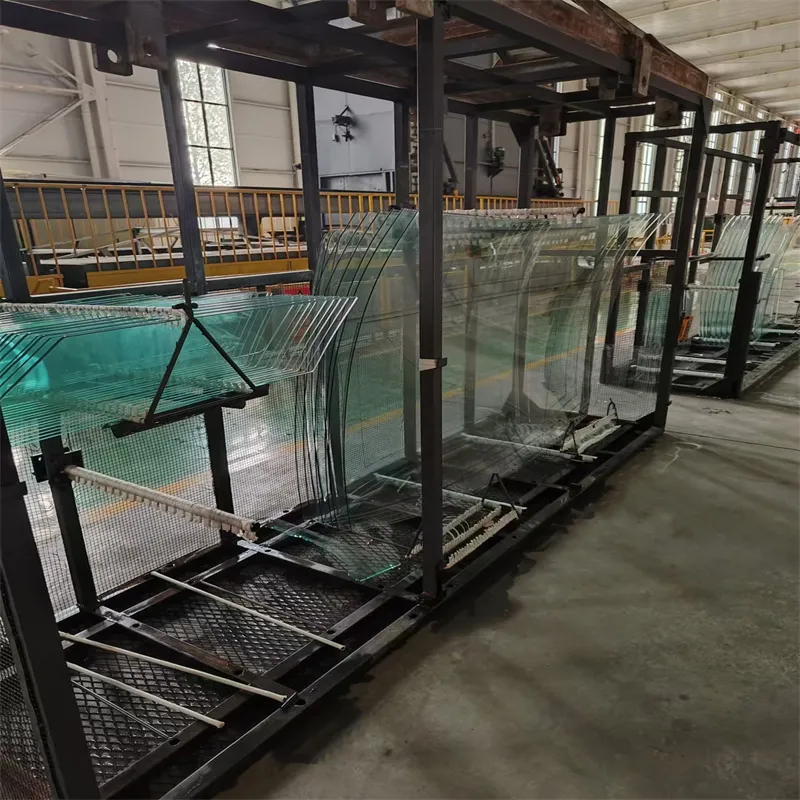
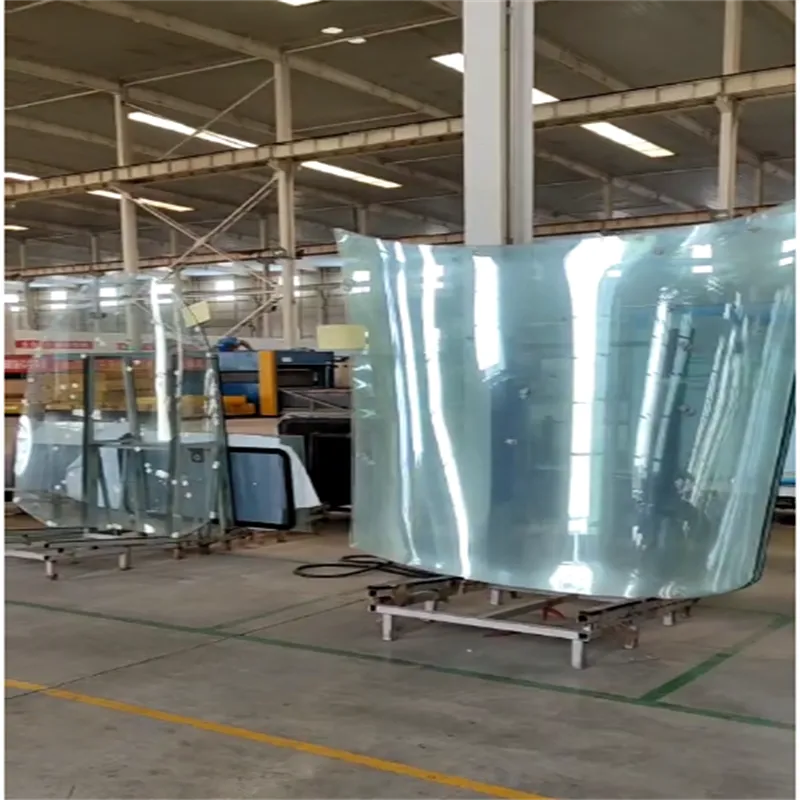
As we all know, thermal tempering is only suitable for tempering flat glass, while chemical strengthening can process glass of various shapes. This makes it play an irreplaceable role in many fields.
Since chemical strengthening requires a long chemical reaction time, its cost is much higher than thermal tempering.
When chemically strengthened glass is damaged, it will break into large, sharp pieces, which will increase the chance of human injury, so regular chemically strengthened glass is not safety glass.
Specific Applications of Chemically Strengthened Glass
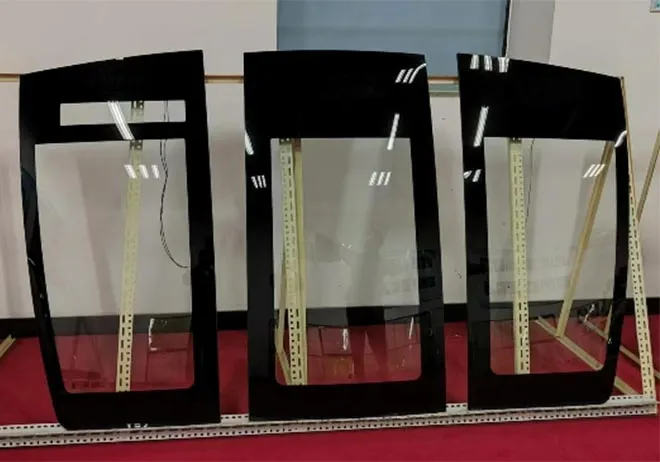
We ShottGlass, have focused on manufacturing chemically strengthened glass for many years and have accumulated rich production experience. With a professional team and rigorous work attitude, we can provide clients with the best solutions for chemically strengthened glass. The following are our specific product applications:

Blast Shield
Burglarproof Glass
Aircraft Windows
Automobile Windows
High-speed Rail Windows
Building Facades
Jewelry Display Cabinet Glass
Other applications that need chemically strengthened glass.
Advantages of Chemically Strengthened Glass with Shottglass
When it comes to high-performance glass solutions, chemically strengthened glass stands at the forefront of innovation, and Shottglass is proud to lead the way. Engineered through an advanced ion-exchange process, chemically strengthened glass offers exceptional strength, durability, and versatility, making it an ideal choice for a wide range of applications, from mobile devices and automotive displays to architectural panels and home appliances.
One of the most notable advantages of chemically strengthened glass is its superior impact resistance. Unlike regular annealed glass, this special glass type undergoes a chemical tempering process that exchanges smaller sodium ions with larger potassium ions on the surface. This creates a layer of compressive stress that significantly improves the glass’s ability to withstand mechanical shocks and drops, often up to five times stronger than standard glass. At Shottglass, we’ve refined this process to deliver consistent, high-quality results that meet stringent industry standards.
Another key benefit is its optical clarity and aesthetic flexibility. Chemically strengthened glass maintains an ultra-smooth surface and high transparency, even after tempering. This makes it perfect for products where visual quality matters, such as smartphones, touchscreen kiosks, and interactive displays. With Shottglass, clients can expect crystal-clear glass that enhances user experience while retaining structural integrity.
In addition, Shottglass chemically strengthened glass is resistant to scratches, bending, and thermal stress. Its enhanced durability translates to longer product lifespans and reduced maintenance costs, which is particularly valuable in demanding commercial or industrial environments. Whether you're designing for transportation, consumer electronics, or architectural glazing, Shottglass ensures your product not only looks sleek but also performs under pressure.
Finally, the versatility of our chemically strengthened glass extends to customization. Shottglass offers tailored solutions including curved shaping, ultra-thin formats, and anti-reflective coatings to meet your specific design and functionality needs. We work closely with OEMs and designers to deliver precision-engineered glass that elevates both performance and appearance.
At Shottglass, we don’t just make glass—we redefine what it can do. Choose chemically strengthened glass from Shottglass for a stronger, smarter, and sleeker solution to your toughest design challenges.
Classification of Chemically Strengthened Glass
Chemically strengthened glass has become a preferred material across a wide range of industries, from smartphones to architecture, thanks to its superior strength, scratch resistance, and optical clarity. Unlike tempered glass, which is strengthened by heat, chemically strengthened glass undergoes an ion-exchange process that compresses its surface layers, greatly increasing durability without compromising thickness or transparency. Based on composition, application, and strength requirements, chemically strengthened glass can be classified into several types.
1. Aluminosilicate Glass
One of the most commonly used types, aluminosilicate glass, is primarily made of aluminum oxide and silicon dioxide. It is widely used in mobile devices, tablets, and other consumer electronics. This type of glass is valued for its exceptional resistance to thermal shock and impact. Popular commercial variants like Gorilla Glass fall into this category, offering high strength and scratch resistance in ultra-thin formats.
2. Sodium-Cation Glass
This is the standard type used in many general applications. The strengthening process involves replacing smaller sodium ions in the glass surface with larger potassium ions. This ion exchange creates a layer of compressive stress, enhancing resistance to mechanical damage. It is often used in touch panels, glass display covers, and some architectural elements.
3. Lithium Aluminosilicate Glass
Used in high-performance applications, this glass offers a unique combination of low thermal expansion and high mechanical strength. Its chemical durability and resistance to thermal shock make it suitable for aerospace, high-end cookware, and laboratory glassware. It is also gaining popularity in precision optics due to its dimensional stability.
4. Hybrid Glass Types
In recent years, hybrid chemically strengthened glasses have emerged by combining various oxide systems to achieve specific performance goals—such as enhanced flexibility, reduced brittleness, or improved resistance to etching and wear. These are often custom-engineered for advanced electronics, folding displays, or even biomedical devices.
Each type of chemically strengthened glass serves a different purpose, and the right choice depends on the intended application, desired strength, and environmental exposure. As technology continues to advance, the classification and innovation of chemically strengthened glass will keep evolving, meeting new demands in both performance and design.
Chemically Tempered Glass FAQs
What is chemically tempered glass?
Chemically tempered glass, also known as chemically strengthened glass, is a type of glass that has been reinforced through an ion-exchange process. Unlike heat-tempered glass, this process involves submerging the glass in a bath of molten potassium salt, where smaller sodium ions in the glass are replaced by larger potassium ions. This creates a layer of surface compression, making the glass significantly stronger without changing its appearance or thickness.
How is chemically tempered glass different from heat-tempered glass?
The main difference lies in the strengthening method. Chemically tempered glass is strengthened at the molecular level using ion exchange, resulting in higher surface compression and more precise thickness tolerances. Heat-tempered glass, on the other hand, is thermally treated and may be thicker and less optically clear. Chemically tempered glass also tends to have better scratch resistance and is often used where ultra-thin or optically pure glass is required.
Where is chemically tempered glass commonly used?
Chemically tempered glass is widely used in smartphones, tablets, touch panels, automotive displays, high-end optics, and certain architectural or aerospace components. It’s favored for its combination of strength, scratch resistance, and clarity, especially in thin formats.
Is chemically tempered glass safe when broken?
Unlike heat-tempered glass, which breaks into small, blunt fragments, chemically tempered glass breaks more like regular annealed glass—into sharp shards. This means it offers excellent strength and impact resistance but may not be ideal for applications where safety glass behavior (safe shattering) is required.
Can chemically tempered glass be cut or drilled after tempering?
No. Once glass has been chemically strengthened, cutting, drilling, or grinding it can cause it to crack or shatter due to the built-up surface stress. All machining should be completed before the tempering process.
Is chemically tempered glass more expensive?
Generally, yes. The chemical tempering process is more time-consuming and requires specialized equipment and materials, such as molten salt baths. However, for high-performance applications, the added durability and thinness often justify the cost.
special glass
special glass cutting
special glass factory
special glass types
special varieties of glass
types of special glass
-
 16Apr
16AprPremium High Quality Float Glass for Sale and Glass Solutions
When sourcing materials for modern architecture or interior design, finding reliable float glass for sale is essential for achieving both aesthetic brilliance and structural integrity. Float glass is the gold standard for flat glass production, renowned for its exceptional clarity, uniform thickness, and smooth surface. Whether you are a contractor, a furniture manufacturer, or a homeowner, understanding the nuances of this material ensures you get the best value for your investment. In this guide, we will explore everything from technical specifications to the best ways to source high-grade glass for your next project.
learn more -
 09Apr
09AprGuide to Choosing a Professional glass fabrication inc for Projects
Finding a reliable glass fabrication inc is essential for any project that requires precision, safety, and aesthetic excellence. Whether you are an architect designing a modern skyscraper, a contractor renovating a luxury home, or a business owner upgrading commercial storefronts, the quality of glass fabrication determines the longevity and safety of the structure. Modern glass processing has evolved beyond simple cutting, now incorporating advanced tempering, frosting, and insulating technologies. In this guide, we will explore the critical factors in glass fabrication and how to partner with a manufacturer that ensures industrial-grade quality and flawless execution.
learn more -
 07Apr
07AprComprehensive Guide to Custom Glass Fabrication and its Diverse Applications
When it comes to specialized projects, custom glass fabrication is often the only solution. Whether it's for architectural designs, unique furniture pieces, or specialized industrial applications, tailored glasswork offers precision and aesthetic appeal. This article delves into the world of custom glass fabrication, exploring its processes, applications, and the benefits of choosing a dedicated provider like Mirror Glass Factory.
learn more


