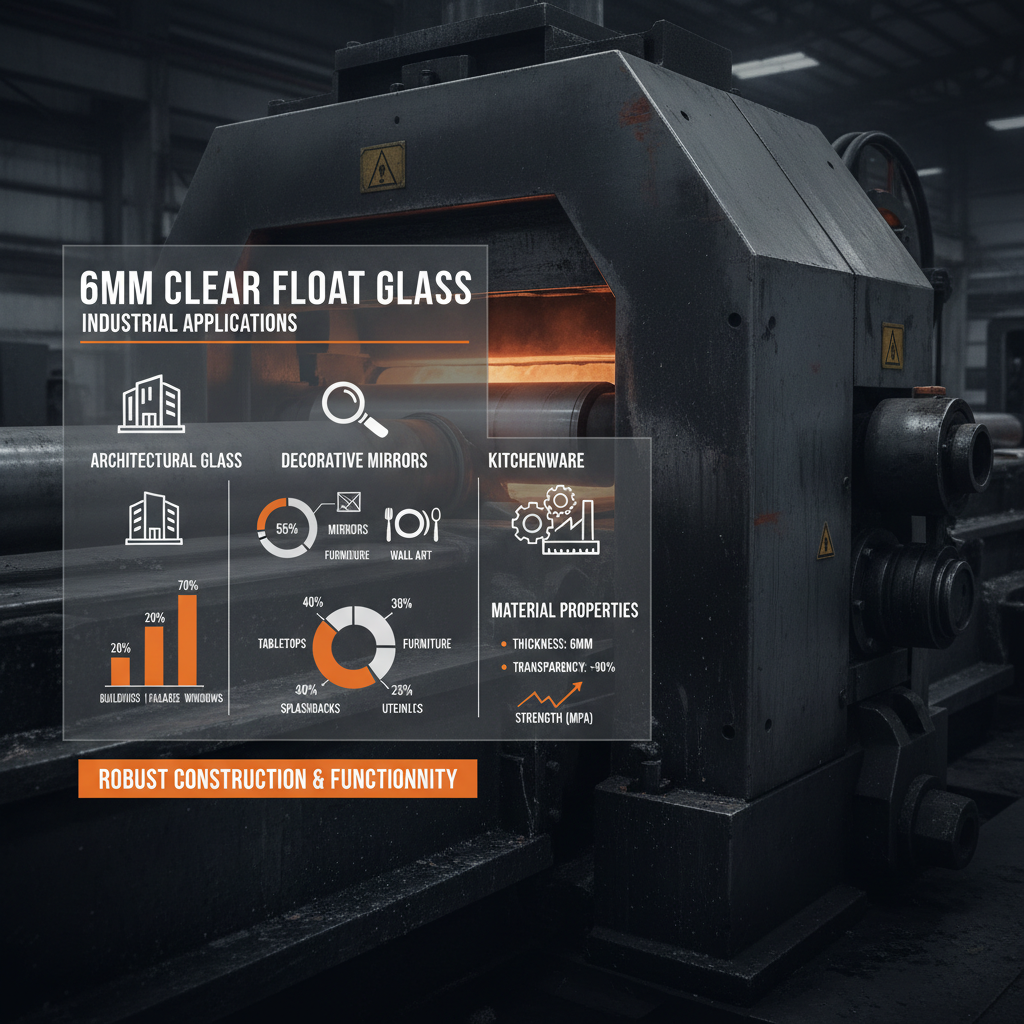
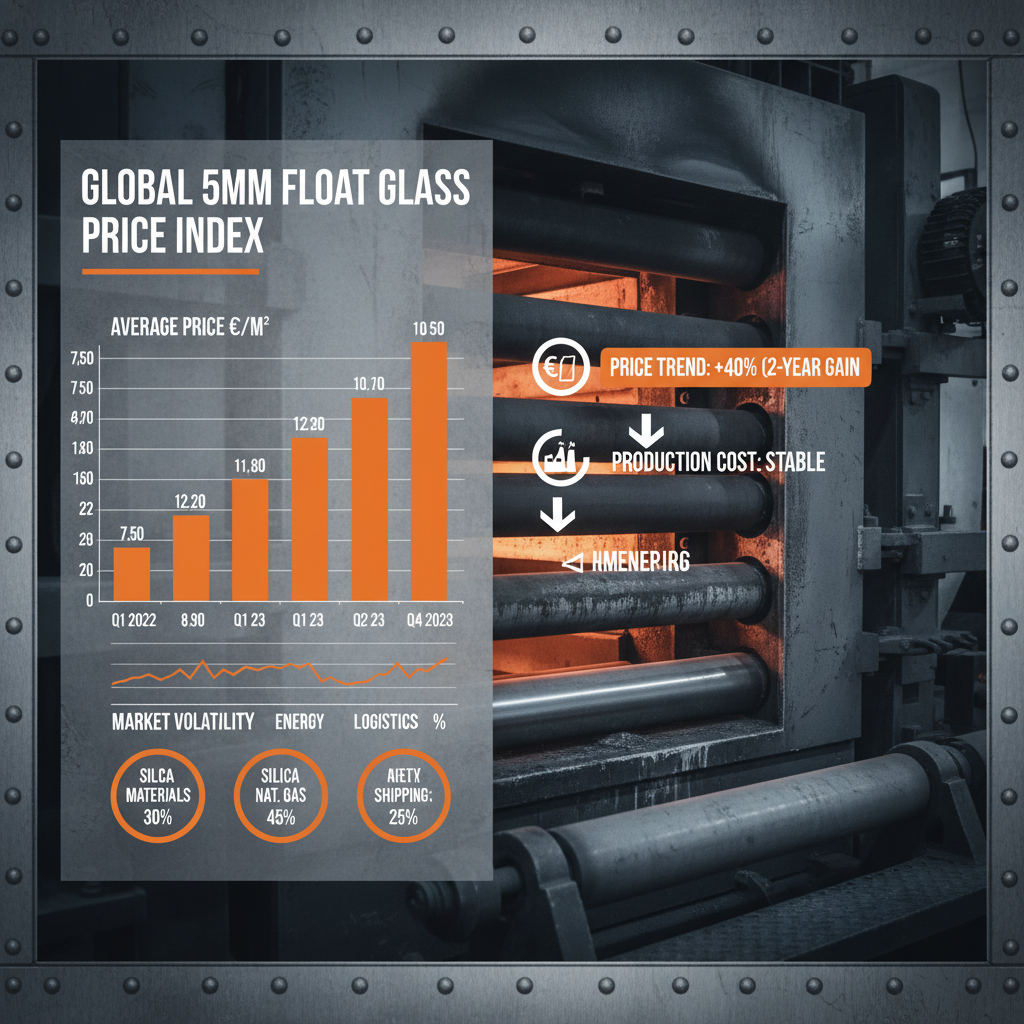
In the vast landscape of architectural materials, 4mm clear float glass stands as a cornerstone of modern design and utility. Its balance of transparency, strength, and versatility makes it the go-to choice for everything from residential window panes to complex industrial partitions, providing a seamless transition between interior and exterior environments.
Understanding the technical nuances of this specific thickness is crucial for engineers and architects who seek to optimize light transmission while ensuring structural integrity. The global demand for high-quality float glass continues to rise as urban centers expand, demanding materials that are not only aesthetically pleasing but also compliant with rigorous international safety standards.
Whether it is being used as a substrate for further processing—such as tempering or laminating—or installed as a standalone clear panel, 4mm clear float glass offers a cost-effective solution that does not compromise on clarity or performance. By diving into its properties, we can better appreciate how this simple yet sophisticated material shapes the modern built environment.
Global Industry Context of 4mm Clear Float Glass
On a global scale, the production of 4mm clear float glass is governed by strict ISO standards to ensure uniformity and optical purity. As cities move toward "green building" certifications, the role of float glass has evolved from a mere enclosure to a critical component of thermal management and natural lighting strategies, significantly reducing the reliance on artificial light.
However, the industry faces the challenge of balancing mass production with environmental impact. The energy-intensive nature of the float process requires constant innovation in furnace efficiency and cullet (recycled glass) integration to meet the sustainability goals outlined by international trade and environmental bodies.
Defining the Technical Essence of 4mm Clear Float Glass
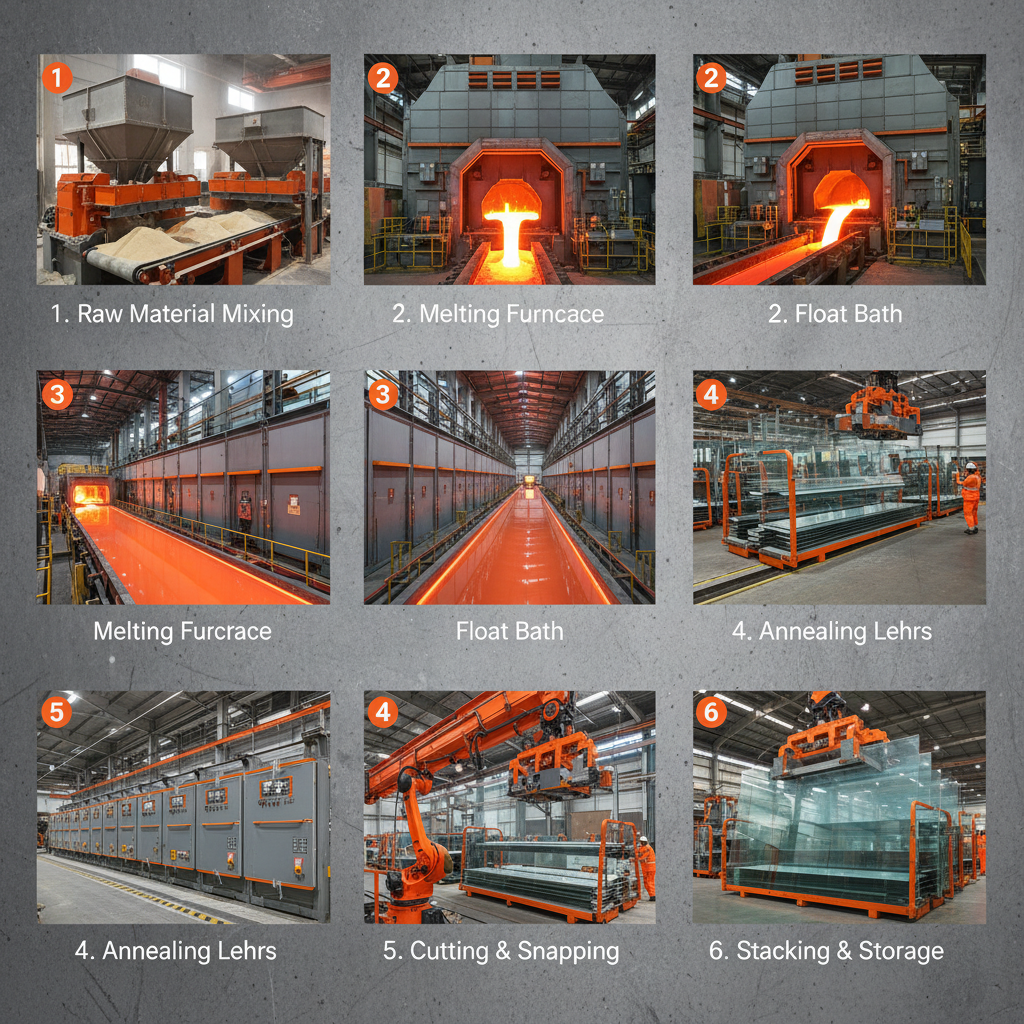
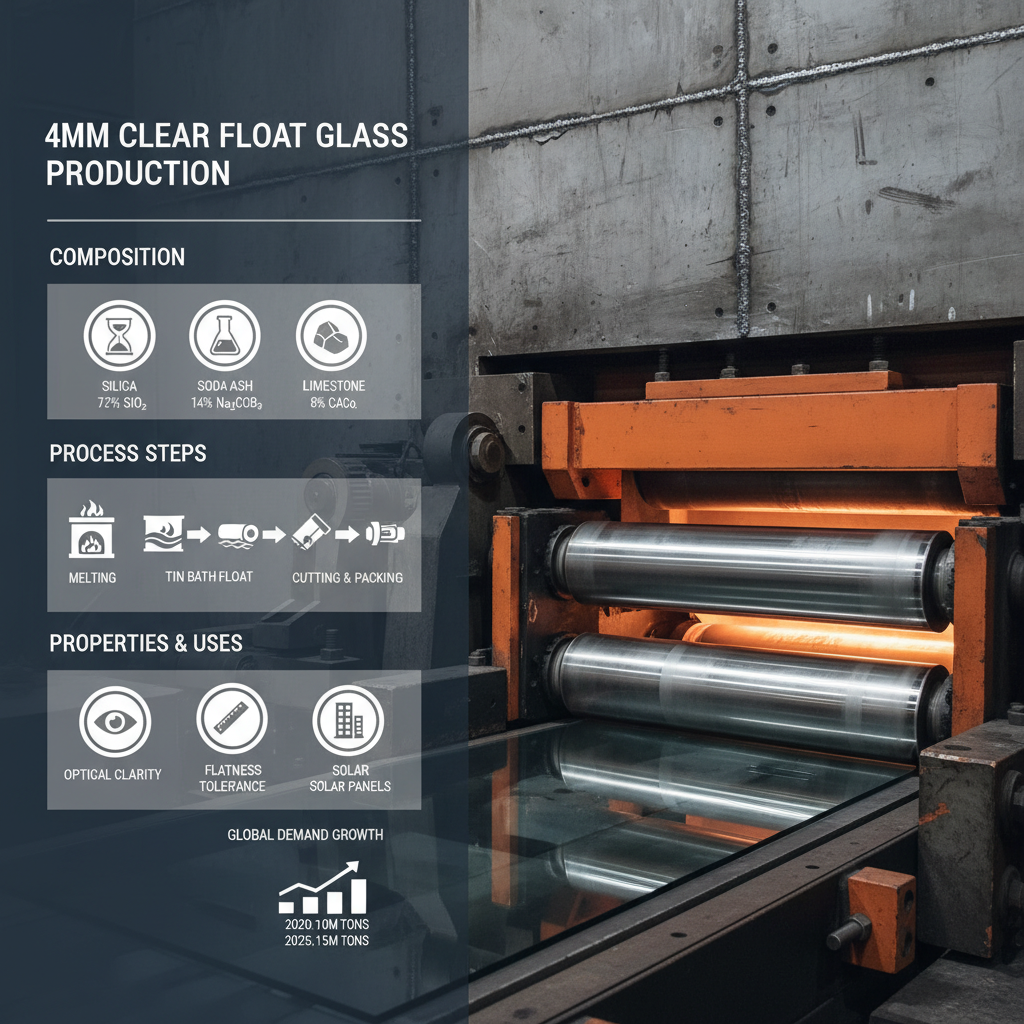
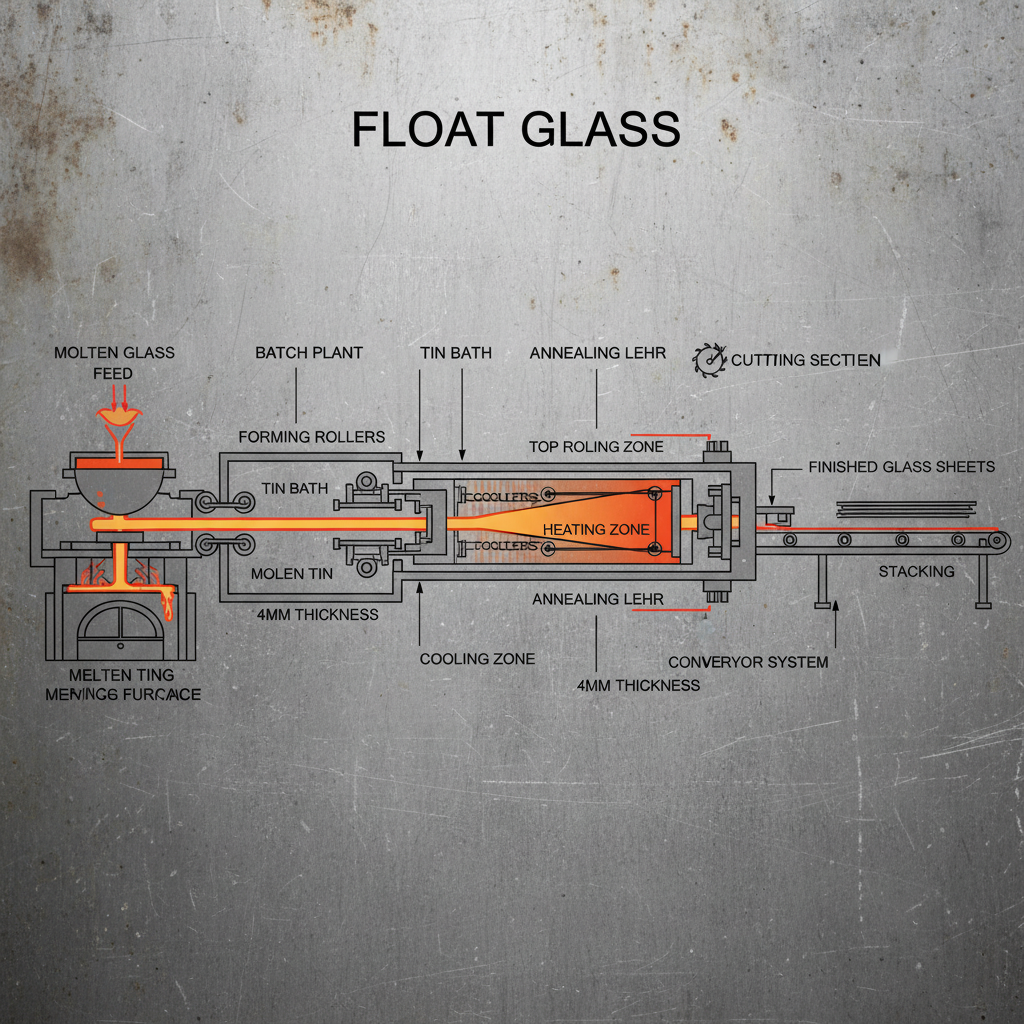
At its most basic level, 4mm clear float glass is produced by floating molten glass on a bed of molten tin. This process creates a perfectly flat surface and consistent thickness across the entire sheet, which is why the "float" method is preferred over older rolled or drawn processes. The 4mm specification is particularly prized as it provides the ideal equilibrium between weight and structural rigidity for standard glazing.
Beyond the manufacturing process, this material represents a humanitarian and economic bridge; it allows for the construction of affordable, hygienic, and light-filled housing in developing regions. By providing a barrier against wind and dust while allowing sunlight to penetrate, it enhances the living conditions of millions in rapidly urbanizing areas.
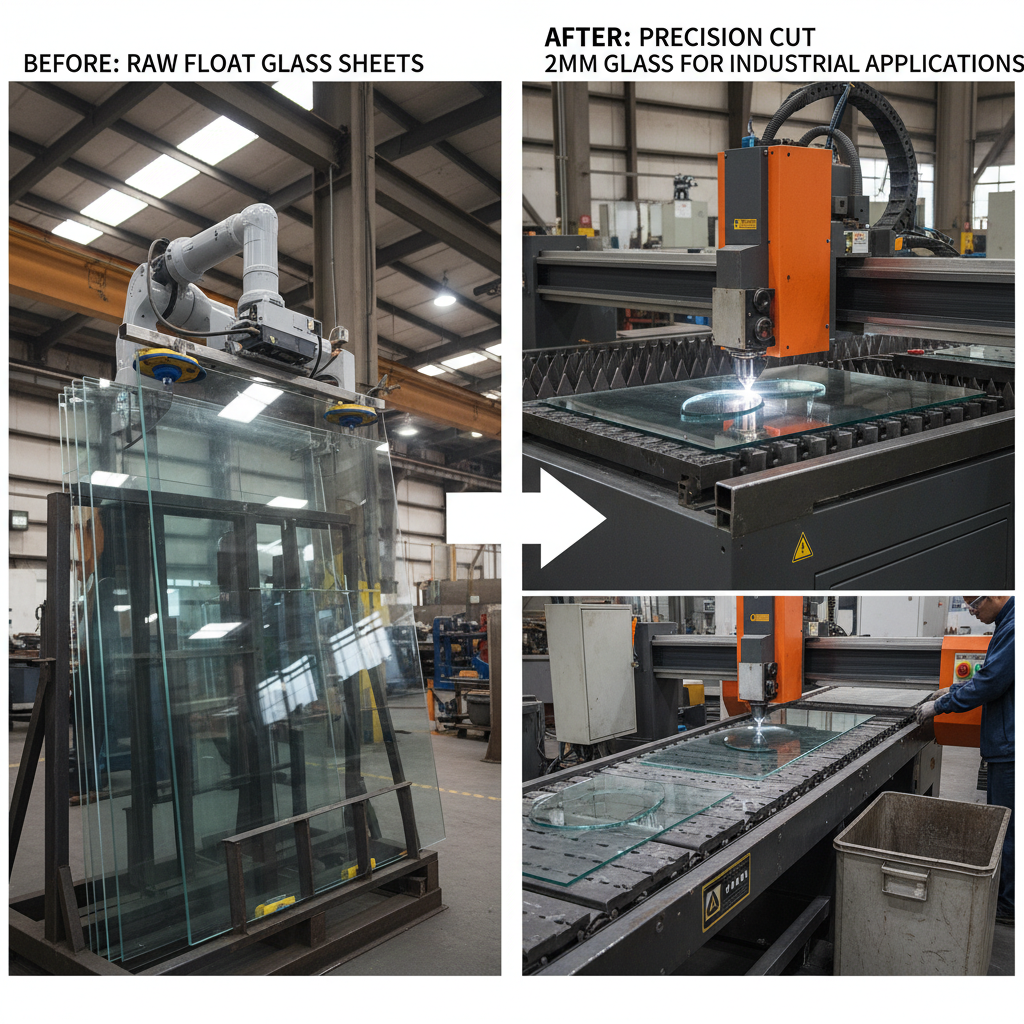
In the context of deep processing, this glass serves as the "blank" or raw material for more complex products. Whether it is being converted into tempered safety glass, laminated for soundproofing, or coated for solar control, the initial quality of the 4mm clear float glass determines the final performance of the high-end architectural product.
Core Components of Glass Performance
One of the primary factors determining the utility of 4mm clear float glass is its optical clarity. The lack of distortion and the high light transmission rate ensure that views remain unobstructed, which is a critical requirement for luxury retail storefronts and modern office partitions.
Durability and surface hardness are also key components. 4mm clear float glass possesses a naturally hard surface that resists scratches and weathering, making it an enduring choice for interior shelving and window glazing that must withstand varying atmospheric conditions over several decades.
Finally, cost-efficiency plays a massive role in its widespread adoption. Because the float process is highly optimized and scalable, this glass provides a professional-grade finish at a price point that is accessible for both small-scale residential renovations and massive commercial infrastructure projects.
Practical Applications and Global Use Cases
In real-world contexts, 4mm clear float glass is deployed across a staggering array of industries. In the furniture sector, it is the standard for tabletop covers and cabinet doors. In the construction industry, it is frequently used as the inner pane for insulated glass units (IGU), providing a clear, airtight seal that improves the energy efficiency of buildings in colder climates like Northern Europe or Canada.
Interestingly, this material is also vital in specialized industrial zones. For instance, in clean-room environments for pharmaceutical manufacturing, clear float glass is used in observation windows to maintain a sterile environment while allowing supervisors to monitor production without entering the controlled space.
Comparative Performance Metrics of 4mm Clear Float Glass Variants
Long-Term Value and Sustainability Advantages
The long-term value of investing in high-grade 4mm clear float glass lies in its exceptional lifespan and recyclability. Unlike many synthetic polymers used in modern glazing, float glass does not yellow or degrade under prolonged UV exposure, ensuring that the aesthetic and functional quality remains intact for decades.
From a sustainability perspective, glass is 100% recyclable. The ability to crush old 4mm panels back into cullet reduces the melting temperature in furnaces, which in turn lowers carbon emissions. This circular economy approach makes it a responsible choice for architects aiming for LEED or BREEAM certification.
Future Innovations in Float Glass Technology
The future of 4mm clear float glass is inextricably linked to the digital transformation of manufacturing. "Industry 4.0" is introducing AI-driven quality control systems that can detect microscopic bubbles or impurities in real-time, ensuring that every single sheet meets a zero-defect standard before it even leaves the production line.
We are also seeing the rise of "smart coatings" applied directly to the float substrate. Imagine 4mm glass that can switch from transparent to opaque via an electrical impulse, or surfaces that generate electricity from sunlight. These innovations transform a passive material into an active component of the building's energy ecosystem.
Moreover, the shift toward carbon-neutral hydrogen furnaces is promising to decouple glass production from fossil fuels. This means that the 4mm clear float glass of tomorrow will not only be visually clear but "environmentally clear," produced with a near-zero carbon footprint.
Overcoming Challenges in Glass Implementation
Despite its benefits, the primary challenge with 4mm clear float glass is its inherent fragility. Because it is an annealed product, it breaks into sharp shards upon impact, which poses a safety risk in high-traffic areas. The professional solution is to utilize the 4mm float glass as a base for thermal tempering, which increases strength and ensures a safer "dice" break pattern.
Another common issue is thermal stress, where temperature differentials between the center and the edges of the glass cause spontaneous cracking. To solve this, expert installers recommend precise edge polishing and the use of appropriate gaskets and spacers that prevent the glass from making direct contact with metal frames.
Logistics and breakage during transport also remain a hurdle. By implementing advanced automated racking systems and specialized protective packaging, the industry is reducing waste and ensuring that the precision-cut 4mm panels arrive at the construction site in pristine condition.
Comparative Analysis of 4mm Clear Float Glass Implementation Methods
|
Application Method
|
Impact Resistance
|
Optical Clarity
|
Installation Cost
|
| Single Glazed 4mm |
Low |
Excellent |
Very Low |
| Tempered 4mm Float |
High |
Excellent |
Moderate |
| Laminated 4mm+4mm |
Very High |
Good |
High |
| IGU (4mm/12mm/4mm) |
Moderate |
Excellent |
Moderate |
| Frosted 4mm Float |
Low |
Translucent |
Low |
| Mirror Substrate 4mm |
Low |
Reflective |
Moderate |
FAQS
Yes, 4mm clear float glass is commonly used for tabletops, provided it is supported by a solid base. However, for high-traffic surfaces or areas where heavy objects may be placed, we strongly recommend using tempered 4mm glass to increase impact resistance and ensure safety in case of breakage.
Standard clear float glass has a slight greenish tint due to the iron content in the raw sand. Ultra-clear (low-iron) float glass removes these impurities, resulting in a crystal-clear appearance that is essential for high-end displays, museums, and luxury architecture where color accuracy is paramount.
No, once float glass has undergone the tempering process, it cannot be cut, drilled, or ground. Any attempt to do so will cause the entire panel to shatter into small pieces. All measurements and holes must be precisely determined and cut while the glass is still in its annealed float state.
While a single sheet of 4mm glass provides minimal insulation, it is the perfect primary component for Insulated Glass Units (IGUs). By pairing two 4mm sheets with a gas-filled spacer, it creates a thermal barrier that significantly reduces heat transfer, keeping interiors warm in winter and cool in summer.
Absolutely. Most global glass factories use standardized A-frame packaging and seaworthy crates to transport large volumes of float glass. We recommend ensuring the supplier follows ISO packaging standards to minimize breakage and using freight forwarders experienced in fragile material logistics.
If properly installed and maintained, clear float glass can last indefinitely. It does not corrode, rot, or lose its transparency over time. The only limiting factors are external damage or the failure of the seals in a double-glazed unit, which can be repaired by replacing the glass panes.
Conclusion
In summary, 4mm clear float glass remains an indispensable material in the global construction and design industry. Its unique combination of optical purity, structural versatility, and cost-effectiveness allows it to serve as both a final product and a foundation for advanced glass processing. From enhancing the aesthetics of a modern home to enabling the stringent requirements of industrial clean rooms, its impact is felt across nearly every sector of the built environment.
Looking forward, the integration of smart technology and sustainable manufacturing will only elevate the value of this classic material. As we move toward a future of carbon-neutral architecture and intelligent cities, the evolution of float glass will continue to play a pivotal role in how we experience light, space, and safety. For those seeking a reliable, high-performance glazing solution, the 4mm standard continues to offer the most balanced performance for a myriad of applications. Visit our website for more information: www.mirrorglassfactory.com