In the expansive world of architectural glazing, 5mm float glass stands as a cornerstone of modern construction, offering a precise balance between structural integrity and optical clarity. This specific thickness has become an industry standard for a vast array of applications, from interior partitions to residential window panes, due to its versatility and cost-effectiveness. Understanding the nuances of this material is essential for architects and developers who seek to optimize natural lighting while maintaining safety standards.
Globally, the demand for high-quality float glass is driven by the rapid urbanization of emerging economies and the stringent energy-efficiency mandates in developed nations. According to ISO standards for flat glass, the consistency of thickness and the reduction of surface distortions are paramount; 5mm float glass meets these rigorous criteria, ensuring that visual distortions are minimized across large surface areas. This reliability makes it a preferred choice for commercial facades where aesthetic uniformity is non-negotiable.
However, selecting the right glass thickness is often a challenge for project managers who must weigh the trade-off between weight, cost, and wind-load resistance. By delving into the technical specifications and application possibilities of 5mm float glass, professionals can make informed decisions that enhance the longevity of their structures. This guide explores the technical dimensions, global utility, and future innovations surrounding this essential building material.
Technical Specifications of 5mm Float Glass
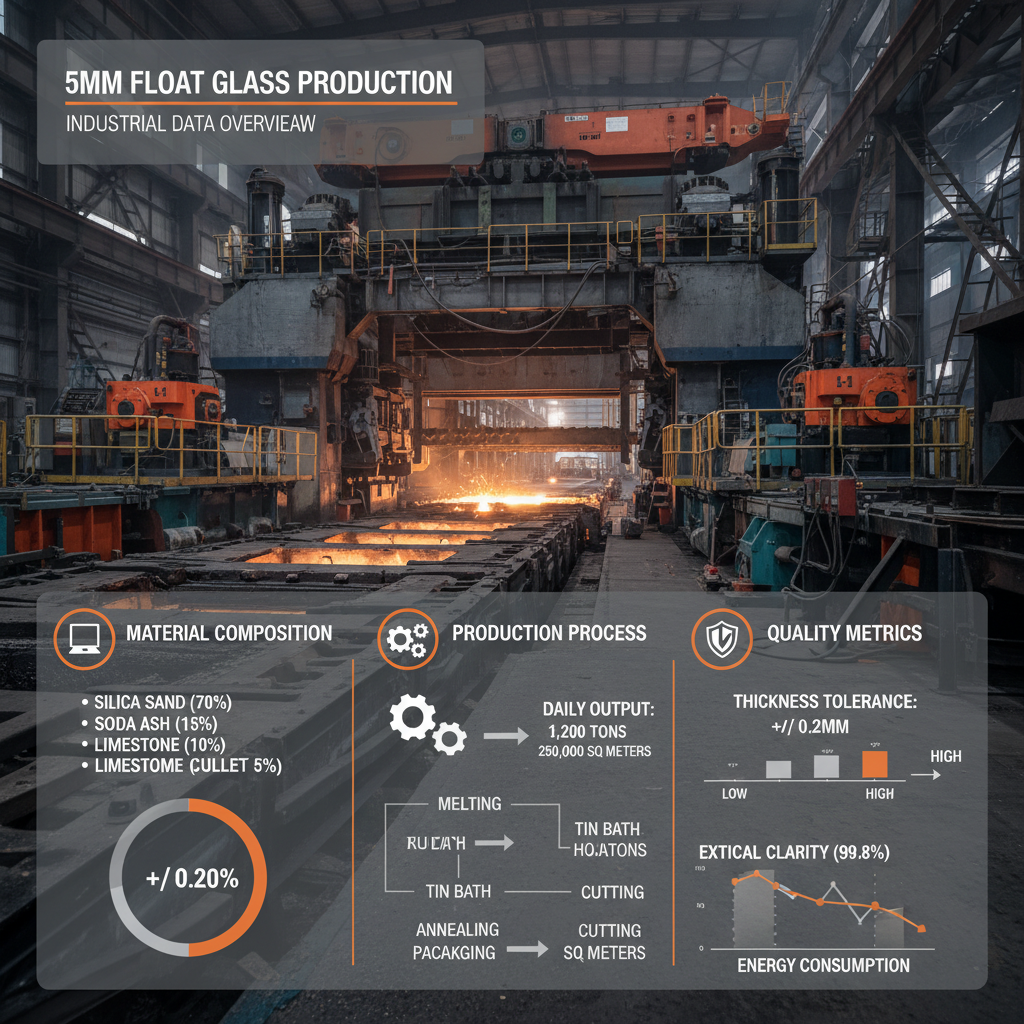
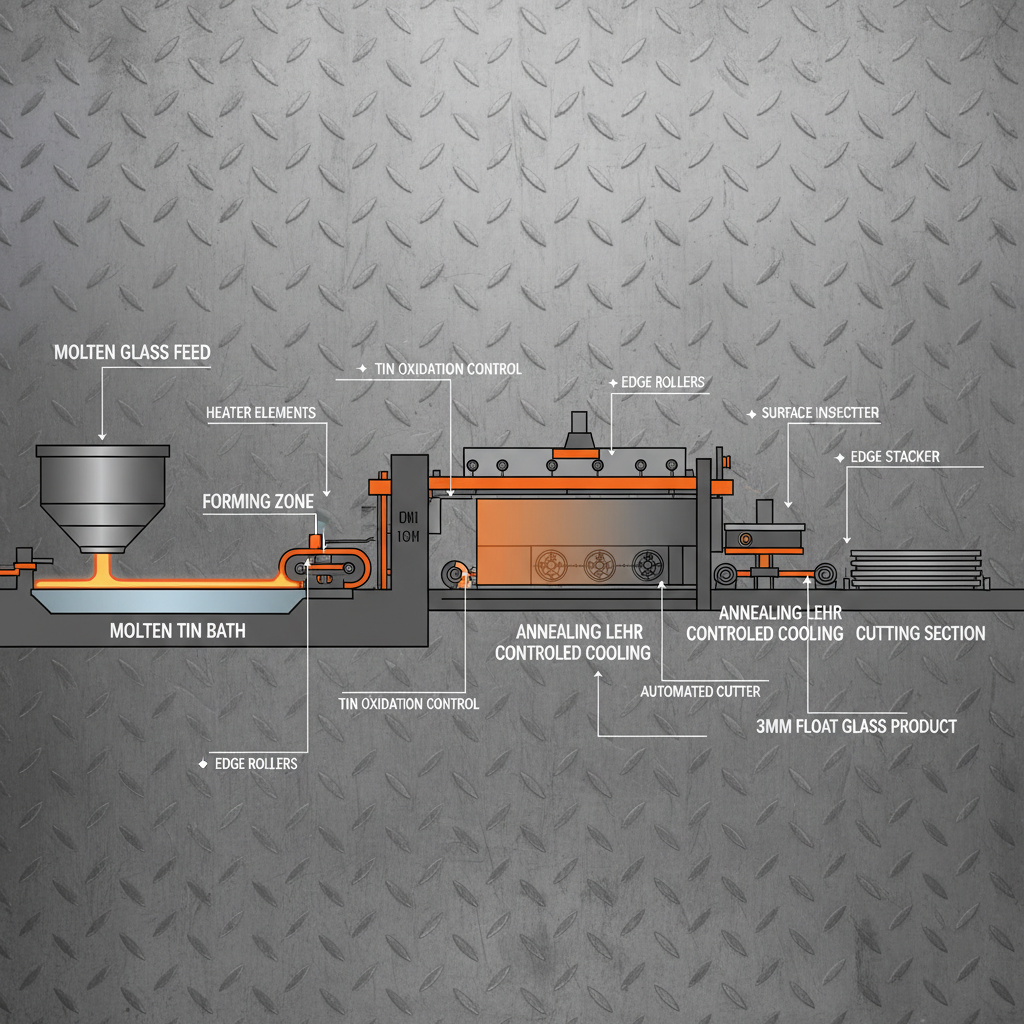
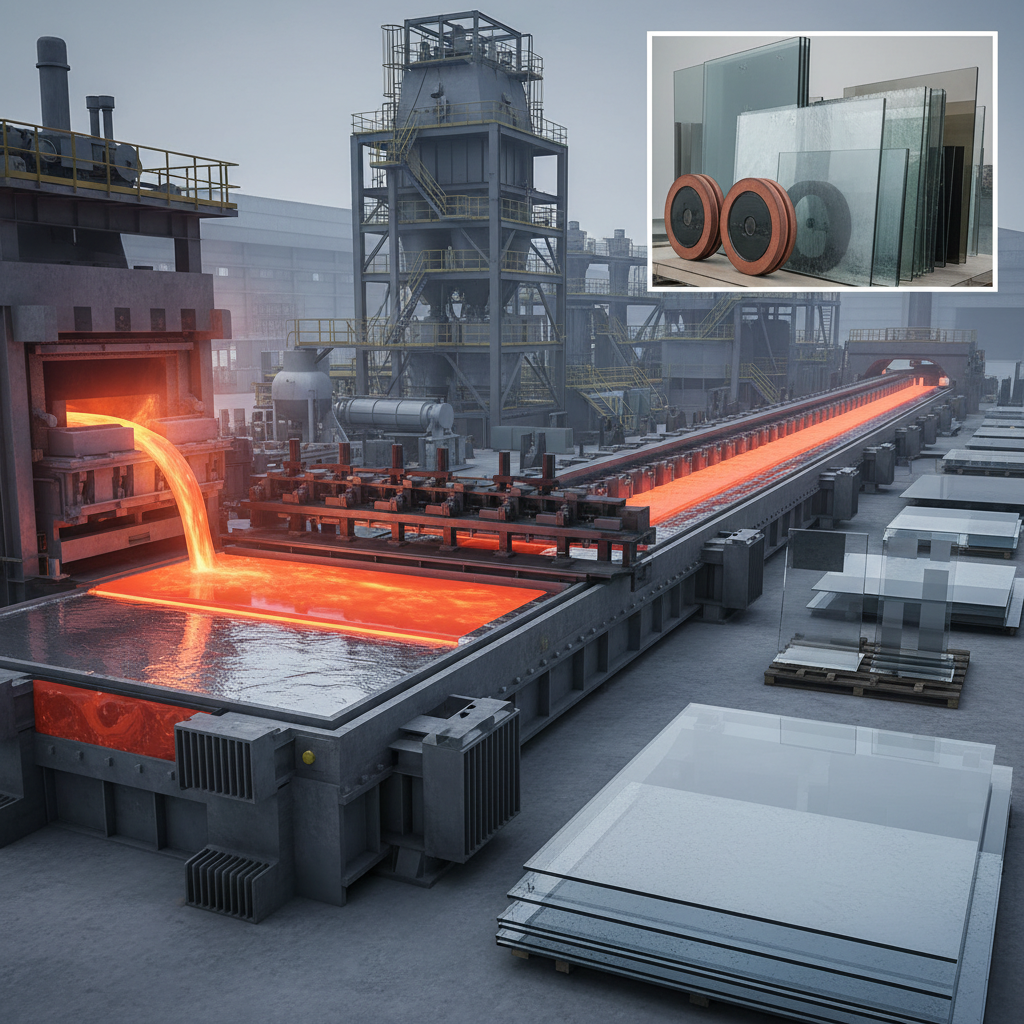
The production of 5mm float glass utilizes the Pilkington process, where molten glass is floated on a bed of molten tin. This ensures that the glass surfaces are perfectly flat and parallel, eliminating the need for costly grinding and polishing. At a thickness of 5mm, the glass provides a substantial enough barrier for most residential needs while remaining lightweight enough for standard aluminum frames.
From a technical standpoint, this thickness offers a specific modulus of rupture that balances flexibility and strength. It serves as the ideal base substrate for further processing, such as tempering or laminating, allowing manufacturers to transform a standard sheet of float glass into high-performance safety glass. The precision of the 5mm gauge is critical for ensuring that subsequent coatings, such as Low-E or reflective layers, adhere uniformly across the surface.
The Global Industrial Context of Float Glass
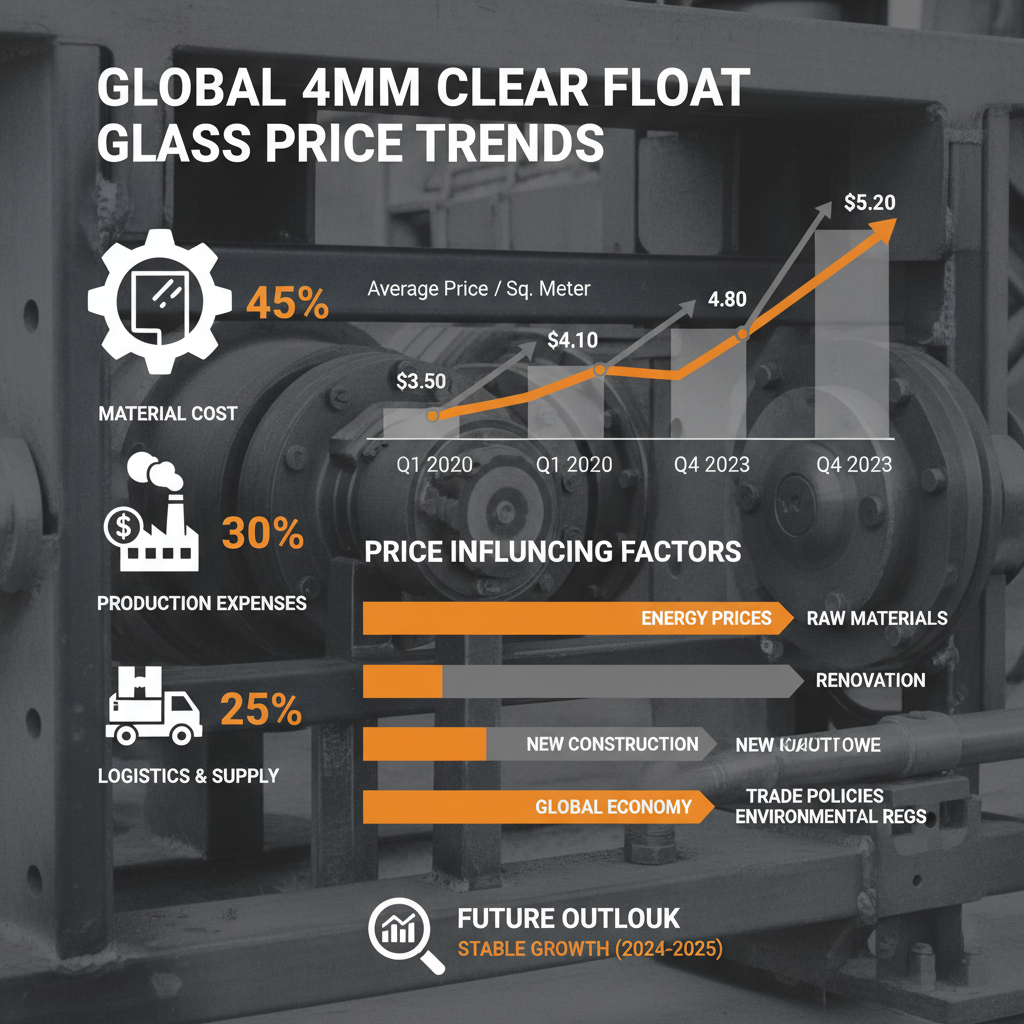
In the global marketplace, 5mm float glass is more than just a building component; it is a commodity that reflects the health of the construction sector. Across Asia and Europe, the shift toward "green buildings" has necessitated the use of float glass that can be easily integrated into Insulated Glass Units (IGUs). By using 5mm glass as the primary pane, manufacturers can achieve a thermal break that significantly reduces HVAC energy consumption in commercial skyscrapers.
The supply chain for this material is highly optimized, with large-scale furnaces producing continuous ribbons of glass. This scalability ensures that whether a project requires a few hundred square meters for a boutique office or thousands for a residential complex, the quality of the 5mm float glass remains consistent. However, the industry faces challenges regarding the carbon footprint of glass melting, leading to a surge in the use of recycled cullet to lower furnace temperatures.
Furthermore, the adoption of ISO 9001 and ISO 14001 standards in glass factories has standardized the tolerances for 5mm glass. This global synchronization allows architects in North America to specify glass produced in Asia with the confidence that it will fit perfectly into precision-engineered frames. The result is a seamless integration of global manufacturing and local architectural vision.
Core Components and Material Properties
The efficacy of 5mm float glass is rooted in its chemical composition, primarily consisting of silica sand, soda ash, and limestone. This mixture is refined to remove impurities, ensuring that the final 5mm product is clear and free of the greenish tint often associated with lower-grade glasses. The purity of the raw materials directly impacts the light transmission rate, which is vital for maximizing daylighting in interior spaces.
One of the most critical properties of 5mm float glass is its surface hardness and scratch resistance. Because the glass is cooled slowly in an annealing lehr, internal stresses are minimized. This structural stability allows the glass to be cut and drilled with precision, making it an indispensable material for custom furniture, shelving, and mirrored wall panels where a 5mm thickness provides the necessary rigidity.
Moreover, the scalability of 5mm float glass extends to its adaptability for different finishes. Whether it is being frosted for privacy in a bathroom or coated for solar control in a sunroom, the 5mm base provides a stable platform. Its ability to withstand moderate environmental pressures without bowing makes it the "goldilocks" thickness for mid-sized window applications.
Comparative Performance Analysis
When comparing 5mm float glass to other thicknesses like 3mm or 8mm, the value proposition becomes clear. While 3mm glass is lighter and cheaper, it lacks the wind-load resistance required for external windows. Conversely, 8mm glass offers superior strength but adds significant weight to the frame and increases the overall project cost. The 5mm variant strikes a professional balance, providing sufficient safety for residential windows while remaining economically viable.
The performance of these materials can be quantified across various metrics including light transmission, acoustic damping, and impact resistance. In most standard architectural tests, 5mm float glass outperforms thinner options in noise reduction, making it a better choice for urban environments where street noise is a concern.
Performance Metrics of Various Glass Specifications
Diverse Global Applications
The application of 5mm float glass spans multiple industries, from high-end interior design to industrial machinery. In commercial office spaces, it is frequently used for modular partitions, providing a sense of openness and transparency while maintaining a physical boundary. Its clarity allows for an uninterrupted flow of light, which has been proven to increase employee productivity and well-being in corporate settings.
Beyond architecture, 5mm float glass is widely utilized in the furniture industry for tabletop covers and cabinet shelving. In specialized industrial zones, such as clean-room environments or pharmaceutical labs, this glass is used in viewing panels because it can be easily sterilized and does not react with most chemical cleaning agents. This versatility makes it a global staple in both residential and professional sectors.
Long-Term Value and Sustainability
Investing in 5mm float glass offers significant long-term value through its durability and ease of maintenance. Unlike plastic alternatives, float glass does not yellow or degrade under UV exposure, ensuring that the visual quality of a building remains intact for decades. This longevity reduces the frequency of replacements, thereby lowering the total cost of ownership for facility managers.
From a sustainability perspective, glass is 100% recyclable. When 5mm float glass reaches the end of its lifecycle, it can be crushed into cullet and reintegrated into the melting process. This circular economy approach reduces the need for virgin raw materials and lowers the energy required for production, aligning with global carbon-neutral goals.
Moreover, the use of 5mm glass in double-glazing systems contributes to the overall energy efficiency of a structure. By creating a sealed air gap between two panes of 5mm float glass, heat transfer is significantly reduced. This provides not only a logical financial benefit in reduced energy bills but also an emotional sense of comfort and safety for the occupants.
Future Innovations in Glass Manufacturing
The future of 5mm float glass is being shaped by the integration of "smart" technologies. We are seeing the emergence of electrochromic coatings that allow a standard 5mm pane to change its opacity with an electrical pulse, effectively replacing mechanical blinds. This digital transformation allows for dynamic control over solar heat gain and privacy, further enhancing the utility of the material.
Automation in the cutting and edging process is also refining the precision of 5mm float glass. With the help of AI-driven optimization software, glass factories can now minimize waste during the cutting process, ensuring that every square inch of the ribbon is utilized. This not only reduces costs but also minimizes the environmental impact of the manufacturing stage.
Additionally, research into nano-coatings is making 5mm float glass more functional. Self-cleaning coatings that use photocatalysis to break down organic dirt are becoming more common, reducing the need for chemical detergents and manual labor. These innovations ensure that the humble float glass remains at the forefront of material science.
Comprehensive Analysis of 5mm Float Glass Specifications
| Material Variant |
Light Transmission |
Durability Score |
Primary Application |
| Clear 5mm Float |
91% |
7/10 |
Residential Windows |
| Ultra-Clear 5mm |
95% |
7/10 |
Luxury Showcases |
| 5mm Low-E Coated |
85% |
8/10 |
Energy-Saving Facades |
| 5mm Tinted Glass |
60-75% |
8/10 |
Automotive/Office Walls |
| 5mm Frosted Float |
40-50% |
7/10 |
Privacy Partitions |
| 5mm Reflected Glass |
30-60% |
9/10 |
Exterior Mirrors/Curtains |
FAQS
While 5mm float glass is structurally sound, it is not recommended for shower doors in its raw "float" form. For safety, float glass must be tempered (toughened) to become safety glass. Tempered 5mm or 6mm glass is the industry standard for shower enclosures as it resists impact and breaks into small, blunt pieces rather than dangerous shards.
Standard clear 5mm float glass has a slight greenish tint due to the iron content in the raw sand. Ultra-clear (low-iron) float glass removes these impurities, resulting in a crystal-clear appearance. This is critical for high-end retail displays, museums, and architectural features where absolute color accuracy is required.
In moderate wind zones, 5mm float glass is usually sufficient. However, in coastal regions or high-rise buildings, structural engineers may require thicker glass (e.g., 8mm or 10mm) or laminated safety glass to withstand higher wind loads and pressure differentials. Always consult local building codes for specific thickness requirements.
The best way to maintain the clarity of 5mm float glass is to use a mixture of distilled water and a small amount of white vinegar or a professional ammonia-free glass cleaner. Use a microfiber cloth or a squeegee to remove the solution in a single direction, which prevents the circular streaks often caused by paper towels.
Yes, 5mm float glass is a very popular choice for tabletops as it protects the furniture while remaining discreet. However, for safety, it is highly recommended to have the edges polished and the glass tempered. This ensures the edges aren't sharp and the glass is much more resistant to accidental impacts from heavy objects.
Yes, float glass can be cut using a professional glass cutter and a steady hand. However, this only applies to "annealed" or standard float glass. If the glass is already tempered or laminated, it cannot be cut and will shatter instantly if attempted. For precision and safety, professional CNC cutting is recommended.
Conclusion
In summary, 5mm float glass represents the ideal intersection of technical performance, economic feasibility, and aesthetic clarity. From its role as a base for advanced coatings to its utility in residential and commercial architecture, it provides a reliable solution for a myriad of glazing challenges. By balancing strength, weight, and transparency, this material continues to be the benchmark for flat glass applications worldwide.
As we move toward a future defined by sustainable urbanism and smart materials, the evolution of 5mm float glass into energy-efficient and digitally controllable surfaces will be pivotal. For architects and procurement managers, prioritizing high-quality float glass is not just about immediate cost savings, but about ensuring the long-term resilience and efficiency of the built environment. To explore our premium selection of architectural glass, visit our website: www.mirrorglassfactory.com