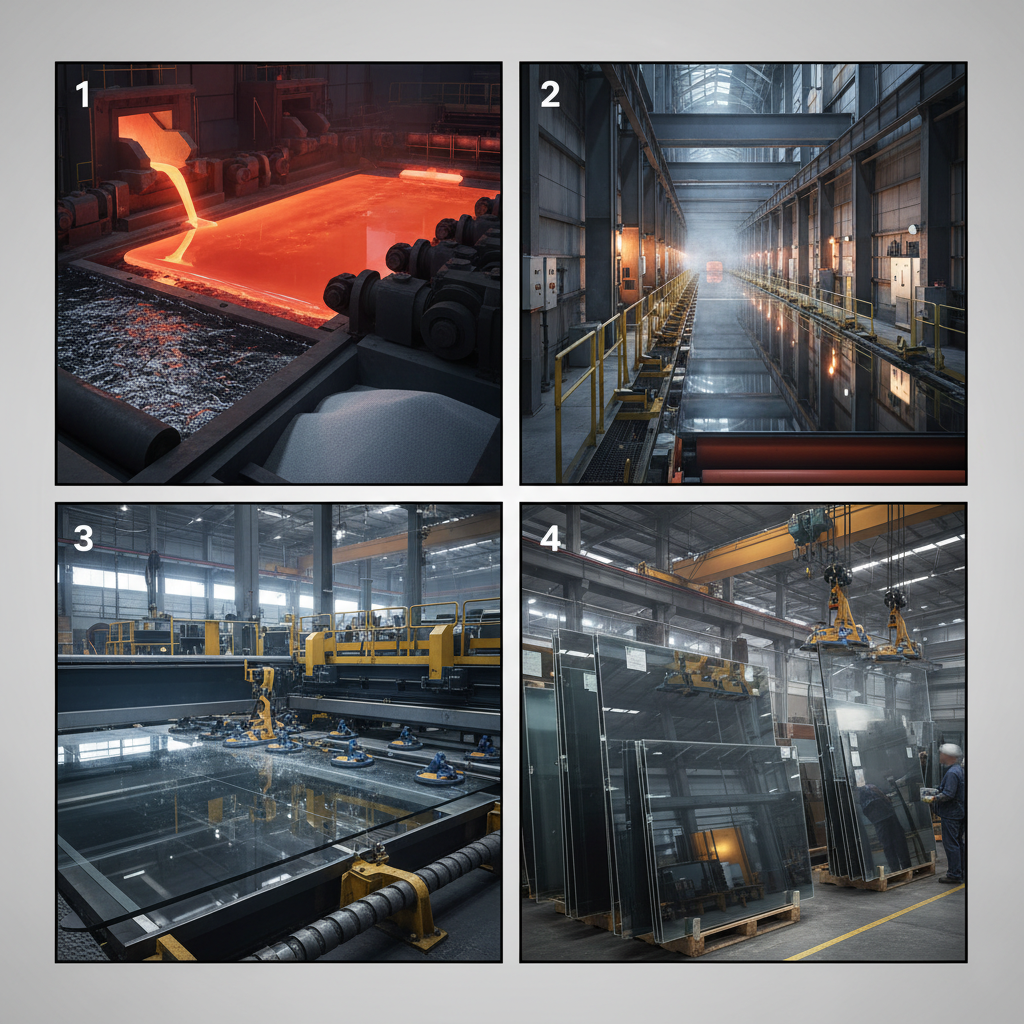

Selecting a qualified reflective glass supplier is a critical decision for architects and developers aiming to balance aesthetic brilliance with building energy efficiency. In the specialized field of technical glass manufacturing, reflective glass serves as a primary shield against solar heat gain while maintaining a sophisticated exterior appearance for modern commercial facades.
The primary challenge for procurement managers is identifying a partner who can provide precise spectral control without compromising the structural integrity of the glass. Whether the project requires high-visibility mirrored surfaces or subtle solar-control coatings, the manufacturing process must ensure long-term stability against UV degradation and environmental wear.
This professional analysis provides a comprehensive framework for evaluating suppliers, examining the technical specifications of reflective coatings, and outlining the decision-making criteria necessary to secure high-performance glass solutions for large-scale architectural projects.

Understanding Reflective Glass Technology

Reflective glass is engineered by applying a thin, metallic coating to the surface of float glass, which allows a significant portion of solar radiation to be reflected away from the building. This process is essential in reducing the cooling load of a structure, as it prevents heat from penetrating the interior while allowing visible light to pass through, depending on the opacity of the coating.
From a manufacturing perspective, this involves high-precision coating methods. Advanced suppliers integrate these reflective properties with tempering processes to ensure the glass can withstand thermal stress. By utilizing various metal oxides, manufacturers can customize the reflection percentage and the visible color of the glass to meet specific architectural design requirements.
Critical Performance Metrics for Evaluation
When auditing a reflective glass supplier, procurement teams must look beyond the visual sample and analyze specific technical data. The primary metric is the Solar Heat Gain Coefficient (SHGC), which measures the fraction of incident solar radiation that enters the building. A lower SHGC indicates a more effective reflective coating, which directly reduces HVAC operational costs.
Additionally, the Visible Light Transmittance (VLT) must be balanced with the reflection index. High-performance glass must provide enough natural light to reduce artificial lighting needs while maintaining the desired privacy and reflection levels. Evaluating these parameters ensures that the glass performs according to the building's energy model and environmental certifications.
Application-Specific Glass Configurations
Reflective glass is rarely used as a single pane in modern construction. Instead, it is integrated into complex assemblies. For instance, combining reflective coatings with insulated glass units (IGUs) creates a high-efficiency thermal barrier. Laminated reflective glass is often specified for overhead canopies or high-traffic facades where safety and fragmentation control are mandatory.
In specialized architectural designs, reflective glass can be paired with tempered processing to create structural elements that are both strong and energy-efficient. For interior applications, mirrored glass or high-reflection coated glass is used to expand the perceived space of a room, demonstrating the versatility of the manufacturing process across different functional needs.
Evaluating Supplier Production Capabilities
The quality of reflective glass is directly tied to the supplier's equipment and processing precision. A professional factory should possess a comprehensive suite of machinery, including CNC work centers for precise cutting, advanced tempering furnaces for stress relief, and specialized coating lines. These capabilities ensure that the reflective layer is uniform and free of optical distortions.
The illustrative framework above represents a conceptual relative evaluation of key manufacturing capabilities. High-precision cutting and tempering are foundational, while advanced coating technology and quality control systems represent the value-add that separates premium suppliers from standard glass processors.
Risk Mitigation in High-Rise Installations
One of the most significant risks associated with reflective glass is thermal stress breakage. Because reflective coatings absorb and reflect heat unevenly across the pane, certain areas can reach critical temperature differentials. To mitigate this, suppliers must provide tempered or heat-strengthened glass that can handle these thermal gradients without fracturing.
Furthermore, the risk of "solar glare" affecting neighboring buildings or drivers is a critical planning consideration. Professional suppliers provide spectral data and reflection samples to help architects simulate the impact of the glass on the surrounding environment, ensuring compliance with local urban planning regulations and avoiding potential legal disputes.
Total Cost of Ownership and ROI Analysis
While the initial purchase price of high-performance reflective glass may be higher than standard float glass, the return on investment (ROI) is realized through long-term energy savings. By significantly reducing the solar heat gain, the building requires smaller HVAC systems and consumes less electricity for cooling throughout its lifecycle.
When calculating the total cost of ownership, buyers should consider maintenance and durability. A supplier using high-quality fused coatings ensures that the reflective properties do not fade or peel over decades. This longevity reduces the need for expensive facade replacements, making the initial investment in a premium supplier more economically viable.
Supplier Selection Decision Framework
Choosing the right partner requires a structured comparison of technical capabilities and service offerings. The following framework highlights the differences between various supplier tiers and the specific project requirements they best serve.
| Supplier Tier | Technical Focus | Best Use Case | Primary Risk |
|---|---|---|---|
| Premium Fabricator | Custom Spectral Control | Iconic High-Rises | Higher Initial Cost |
| Standard Industrial | Volume Efficiency | Commercial Warehouses | Limited Customization |
| Specialty Boutique | Aesthetic Finishes | Luxury Residential | Lower Volume Capacity |
| General Glass Shop | Basic Processing | Small Renovations | Inconsistent Coating |
| Integrated Solution | System Engineering | Green Buildings | Longer Lead Times |
| OEM Manufacturer | Raw Material Quality | Large-scale Projects | Less Fabrication Flex |
The final selection should align with the project's priority: whether it is the absolute lowest SHGC for energy certification, a specific visual reflection for brand identity, or the most competitive price point for a budget-constrained development.
Frequently Asked Questions
Tinted glass absorbs solar energy within the glass body, whereas reflective glass uses a metallic coating to bounce solar radiation away from the surface. Reflective glass is generally more effective at reducing heat gain.
Depending on the coating density, it can reduce visible light transmission. However, high-quality suppliers can optimize the balance to ensure sufficient natural light while maintaining high external reflection.
Yes, reflective glass is frequently used as the outer pane of an IGU. This configuration provides both solar control and thermal insulation, which is the industry standard for energy-efficient facades.
Premium suppliers use hard-coat technologies or place the reflective layer inside a laminated or IGU structure, protecting it from physical abrasion and environmental oxidation.
Request a certified technical data sheet from the manufacturer and verify it against third-party lab tests or recognized industry standards for architectural glass.
When properly tempered or laminated, reflective glass meets the same structural safety standards as other technical glasses. The coating does not compromise the mechanical strength of the pane.
Conclusion
Securing a reliable reflective glass supplier requires a rigorous evaluation of manufacturing precision, spectral performance, and the ability to mitigate thermal stress risks. By focusing on metrics like SHGC and VLT, and ensuring the supplier possesses the necessary CNC and tempering capabilities, project managers can ensure a facade that is both visually stunning and energy-efficient.
For firms seeking a professional partner in deep-processing glass fabrication, comprehensive solution providers can be evaluated based on their technical transparency and equipment standards. Detailed product capabilities and application support can be reviewed at www.mirrorglassfactory.com to align specifications with project goals.