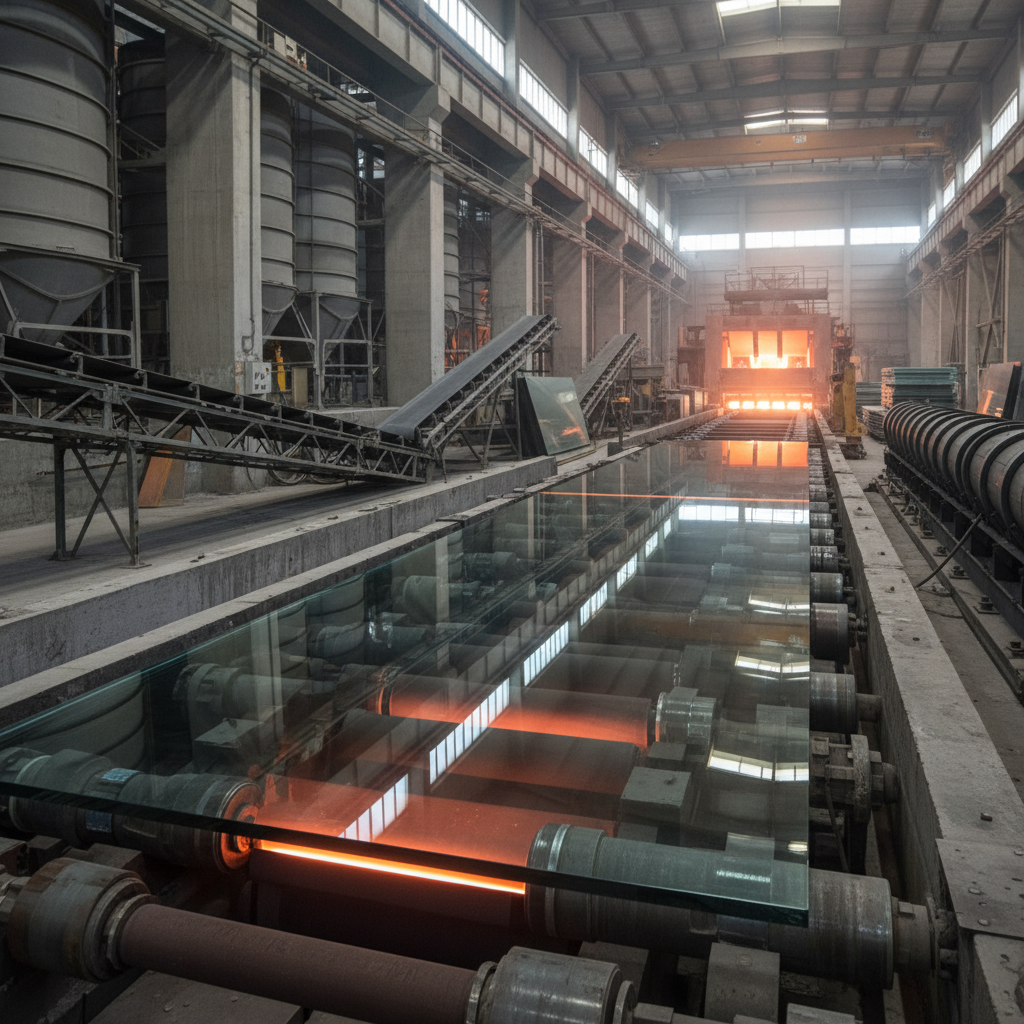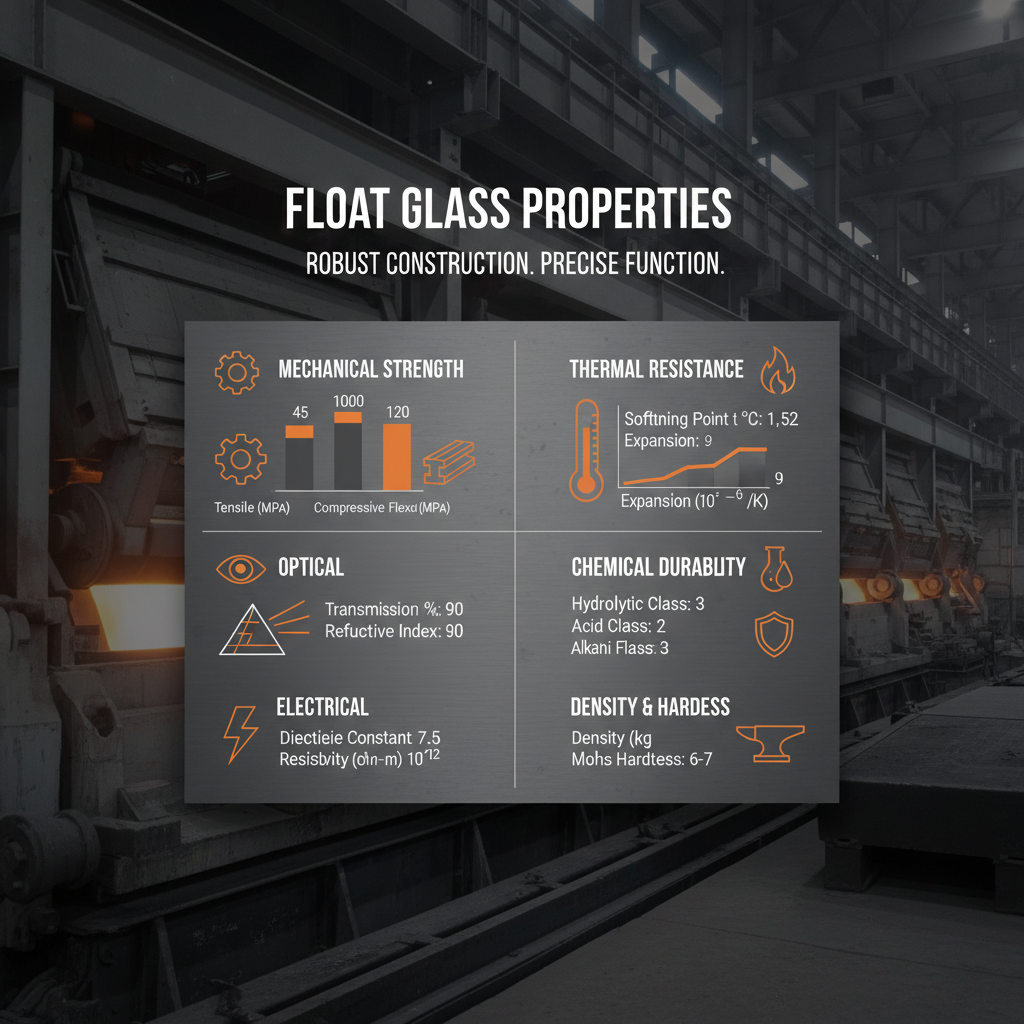

Custom frosted glass is a specialized architectural and design material engineered to diffuse light while obscuring direct visibility. By creating a translucent surface through acid-etching or sandblasting, this glass allows natural illumination to permeate a space without compromising the privacy of its occupants, making it an essential component in modern interior and exterior design.
In contemporary urban environments, the challenge of balancing open-concept layouts with the need for secluded areas is a common pain point for architects and homeowners. Standard clear glass often fails to provide necessary boundaries, while solid walls can make a space feel cramped and dark. Custom frosted solutions address these issues by optimizing light transmission and spatial definition.
This guide explores the technical specifications, diverse application scenarios, and procurement considerations for custom frosted glass. Whether you are planning a commercial office redesign or a residential bathroom upgrade, understanding the nuances of frosting techniques will help you select the most durable and aesthetically pleasing option for your project.

1Understanding Custom Frosted Glass Techniques

Custom frosted glass is achieved through various physical and chemical processes that alter the surface of the glass to scatter light. The most common method is acid-etching, where hydrofluoric acid is used to create a smooth, satin-like finish that is resistant to fingerprints and scratches. Another popular approach is sandblasting, which involves blasting abrasive particles at high speeds to create a deeper, more textured matte effect.
Beyond these, some manufacturers use frosting films or spray-on coatings. While these are more cost-effective for retrofitting existing installations, they lack the permanence and tactile quality of permanently frosted glass. True custom fabrication allows for varying levels of opacity, enabling designers to control exactly how much visibility is removed.
The choice of technique depends heavily on the desired aesthetic and the environmental conditions of the installation. For instance, exterior applications often require chemical etching for better weather resistance, whereas interior decorative partitions might utilize sandblasting for a more dramatic, high-contrast look.
2Core Benefits of Translucent Glazing
The primary advantage of custom frosted glass is its ability to provide visual privacy without sacrificing the psychological benefits of natural light. In healthcare settings, for example, frosted glass allows medical staff to monitor patients' silhouettes for safety while ensuring the patient's dignity is maintained. This balance is critical for creating welcoming yet secure environments.
From an aesthetic standpoint, frosted glass adds a layer of sophistication and softness to a room. It breaks the starkness of clear glass and helps in diffusing artificial light, which reduces harsh shadows and creates a more uniform lighting distribution across a space. This is particularly useful in photography studios or high-end retail displays.
Furthermore, customized frosting can be used as a branding tool. Using masking techniques, companies can integrate logos or patterns into the glass surface, turning a functional privacy screen into a piece of corporate art that reinforces brand identity while serving a practical purpose.
3Strategic Applications Across Industries
In commercial architecture, custom frosted glass is extensively used for conference room walls and office partitions. It allows the office to maintain an "open feel" and lets light reach the core of the building, but prevents distractions and ensures confidential meetings remain private. This is often combined with tempered glass for added safety.
Residential use is equally prevalent, especially in bathrooms for shower enclosures and sliding doors. By frosting only the center portion of the glass (a "privacy band"), homeowners can maintain a view of the ceiling and floor, which makes a small bathroom feel larger while keeping the bathing area private.
Additionally, the hospitality industry employs custom frosted glass in hotel lobbies and spa areas to delineate zones without creating heavy physical barriers. This ensures a fluid movement of guests while providing the necessary seclusion for relaxation areas.
4Performance and Light Diffusion Analysis
The performance of custom frosted glass is measured by its light transmission percentage and its diffusion coefficient. Unlike clear glass, which allows a direct line of sight, frosted glass redirects light rays in multiple directions. This eliminates "hot spots" of light and prevents the blinding effect often caused by direct sun exposure on glass surfaces.
When analyzing the efficiency of these materials, it is important to consider the thickness of the glass and the depth of the frost. A deeper etch typically results in higher privacy but lower light transmission. Achieving the "sweet spot" requires precision engineering to ensure the glass meets the specific LUX requirements of the room.
custom frosted glass Performance Metrics
The chart demonstrates that custom frosted solutions significantly outperform standard glazing in terms of privacy and glare reduction. While clear glass provides maximum light, it offers zero privacy, whereas custom frosted glass optimizes both, providing a balanced environmental experience.
5Selection Criteria for Procurement
When procuring custom frosted glass, the first consideration should be the method of frosting. For areas exposed to moisture, such as bathrooms or outdoor facades, acid-etched glass is superior because it does not have the microscopic pores found in sandblasted glass, making it easier to clean and less prone to mildew.
Second, define the level of translucency required. Options range from "lightly frosted," which allows silhouettes to be visible, to "heavy frost," which completely obscures the view. Providing a reference sample or a specific opacity percentage to the supplier is essential to avoid discrepancies in the final product.
Finally, consider the edge treatment and installation hardware. Since frosted glass is often used in high-end interiors, polished edges and minimalist stainless steel fittings are recommended to maintain the sleek, modern aesthetic that the frosting provides.
6Innovations in Glass Surface Treatment
The industry is moving toward digital frosting and laser etching. Unlike traditional masking, laser etching allows for incredibly intricate designs and varying gradients of frost on a single pane. This means a piece of glass can transition from completely clear to fully opaque, creating a visual fade effect that is impossible with chemical etching.
Another innovation is the integration of smart glass technology with frosting. Electrochromic frosted glass can change its state from frosted to clear with the flip of a switch. This provides the ultimate flexibility for conference rooms where privacy is only needed occasionally, allowing the space to be open and transparent most of the time.
Sustainability is also becoming a priority. New eco-friendly etching agents are replacing harsh acids, reducing the environmental impact of the manufacturing process while maintaining the same high-quality finish and durability demanded by global architectural standards.
7Comparative Analysis of Frosting Methods
Choosing the right frosting method requires a trade-off between cost, durability, and aesthetic preference. While sandblasting provides a deep, textured feel, it can be more difficult to maintain in dusty environments. Acid-etching provides a more uniform, professional finish that is ideal for high-traffic commercial areas.
For those on a tight budget or looking for temporary solutions, frosted films are the fastest way to achieve privacy. However, they can peel over time and do not offer the same value addition to the property as permanent custom frosted glass fabrication.
| Method | Texture | Durability | Best Use Case |
|---|---|---|---|
| Acid Etching | Smooth/Satin | Very High | Bathrooms & Offices |
| Sandblasting | Coarse/Matte | High | Decorative Art |
| Frosting Film | Plastic-like | Medium | Rentals/Temporary |
| Laser Etching | Precise/Fine | Very High | Branding/Logos |
| Spray Coating | Uniform | Low | Industrial Panels |
| Smart Glass | Dynamic | High | Executive Boardrooms |
In summary, the decision should be guided by the specific environment. For long-term investments in high-value properties, permanent chemical or laser treatments are the only viable options to ensure the glass remains pristine and functional for decades.
Frequently Asked Questions
Conclusion
Custom frosted glass is far more than a simple privacy tool; it is a versatile design element that optimizes the interplay between light and space. By selecting the right frosting technique—whether the smooth finish of acid-etching or the textured depth of sandblasting—you can significantly enhance the functionality and aesthetic appeal of any environment.
For professionals and homeowners seeking high-quality glass processing solutions, reviewing detailed product specifications and fabrication options is the first step toward a successful installation. Those evaluating suitable solutions can review the available product information at www.mirrorglassfactory.com.