
High-Performance reflective glass Solutions for Thailand's Urban Architecture

Integrating advanced thermal control and aesthetic brilliance to combat tropical heat and enhance structural durability across Thailand's booming construction sector.

High-Performance reflective glass Solutions for Thailand's Urban Architecture

We provide an integrated ecosystem of specialized glass products designed to meet the rigorous demands of the Thai climate, focusing on energy efficiency and architectural safety.

Glass Manufacturing Landscape in Thailand

Analyzing the impact of tropical humidity and urban expansion on technical glass demand.

Thailand's glass industry is currently driven by the rapid expansion of Bangkok's skyline and the growth of the Eastern Economic Corridor (EEC). The intense solar radiation and high humidity levels in Southeast Asia necessitate the use of high-quality clear float glass as a base for advanced coatings that reduce indoor cooling loads.

Local architects are increasingly shifting away from standard glazing toward specialized options like reflective glass to mitigate the "Urban Heat Island" effect. The demand for energy-efficient facades is no longer a luxury but a regulatory necessity under new green building certifications in Thailand.

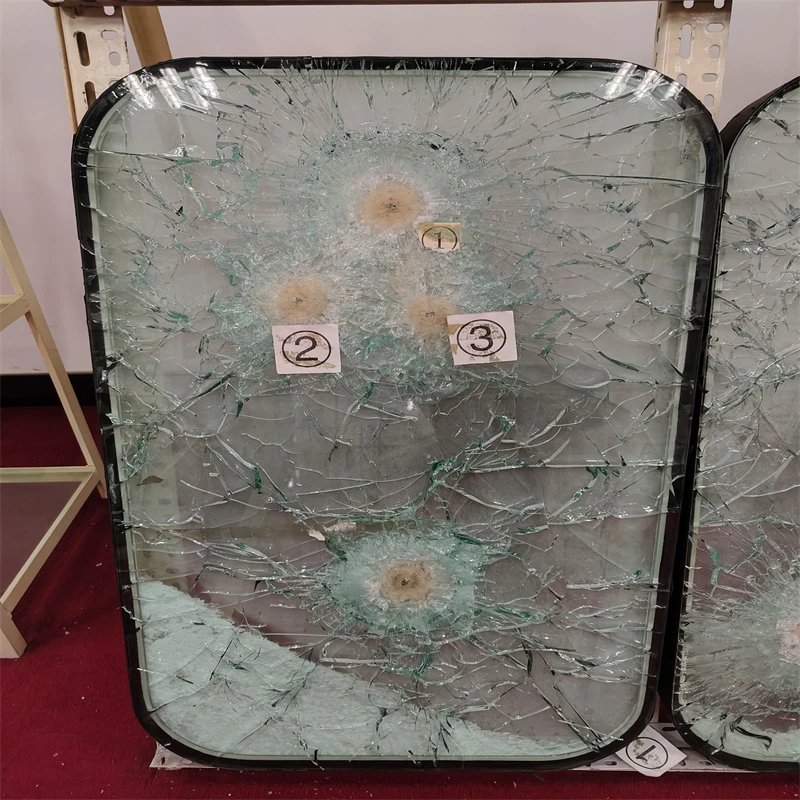
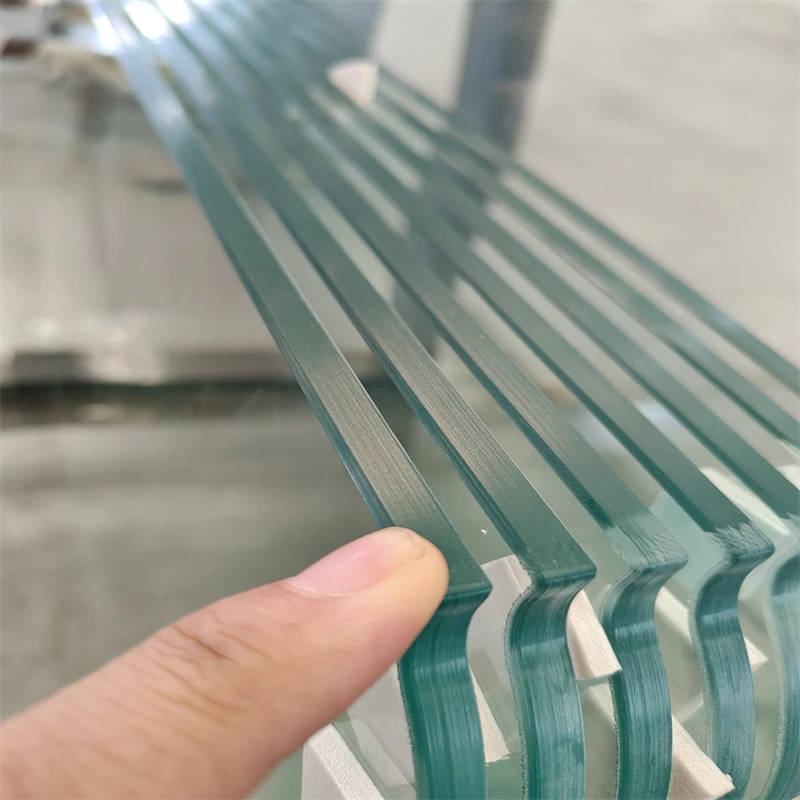
Furthermore, the integration of safety standards in public infrastructure has led to a surge in the adoption of tempered laminated glass, ensuring that high-rise commercial complexes can withstand both seismic pressures and extreme weather events typical of the region.
Evolution of Glass Processing Technology

From basic transparency to intelligent thermal and optical management.

Market Development History

In the late 20th century, the Thai market relied heavily on basic float glass for residential use. The primary focus was transparency and basic structural integrity, with limited options for thermal insulation.

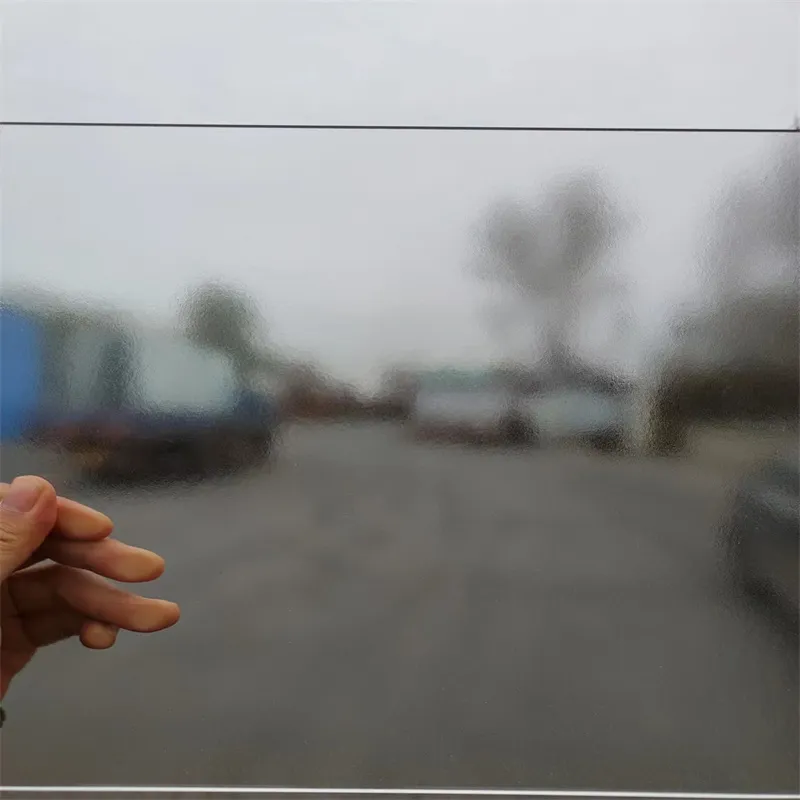
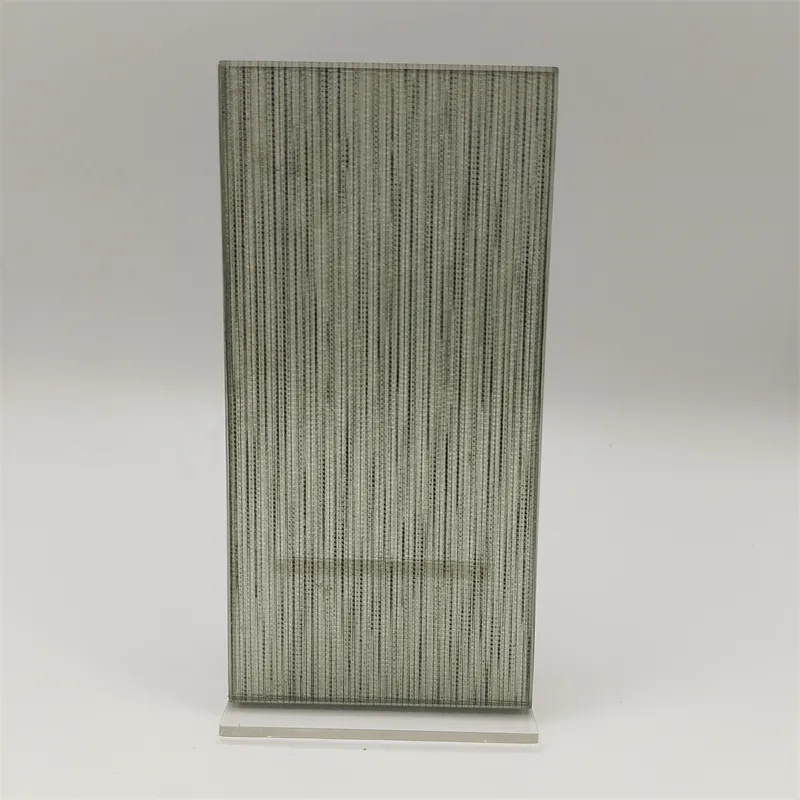
Between 2005 and 2015, the industry witnessed a transition toward deep processing. The introduction of acid etched glass became popular for interior privacy and luxury hospitality projects in Phuket and Samui, moving the market toward decorative functionality.

From 2016 to the present, the focus has shifted toward "Smart Glass." The adoption of ar glass (anti-reflective) and multi-layered vacuum coatings has enabled the creation of facades that maintain visibility while blocking 90% of infrared heat.

Future Development Trends

Integration of Photovoltaic Glazing

The next 3-5 years will see the convergence of BIPV (Building Integrated Photovoltaics) with reflective coatings to turn skyscrapers into active power plants.

Dynamic Optical Control

Increased search trends indicate a move toward electrochromic technology, where the opacity of the glass can be adjusted digitally based on sunlight intensity.

Ultra-High Strength Composites

Development of hybrid laminated layers that offer superior acoustic insulation and impact resistance for the luxury residential sector in Thailand.

Industry Trends and Future Outlook

Strategizing the future of non-metallic mineral products in Asia's hub.

Net-Zero Architecture
Scaling the use of low-emissivity coatings to reduce carbon footprints in Bangkok's commercial districts.
Optical Precision
Implementing advanced ar glass for high-end retail displays and automotive HUDs.
Safety Standardization
Stricter enforcement of fragmented-safe glass in high-traffic public transportation hubs.
Aesthetic Innovation
Using chemical etching to create bespoke textures for luxury interior branding.

Industry Outlook

Looking ahead, the Thai technical glass market is expected to pivot towards "Circular Economy" principles. This involves the development of high-efficiency recycling processes for laminated glass to reduce industrial waste in the manufacturing sector.

The synergy between energy-saving mandates and the growth of smart cities will likely catalyze a 15% annual increase in demand for multi-functional glazing that combines thermal insulation with active lighting elements.

Localized Application Scenarios in Thailand

Real-world implementations tailored to the Thai environment.

01. Bangkok High-Rise Office Towers

Utilizing high-performance reflective glass to drastically reduce air conditioning costs while maintaining panoramic views of the city.

02. Luxury Resorts in Phuket & Koh Samui

Implementing acid etched glass for shower enclosures and partitions to provide privacy and a frosted aesthetic resistant to salty sea air.

03. Shopping Malls & Retail Hubs

Installation of tempered laminated glass for skylights and mezzanine railings to ensure maximum public safety and structural durability.

04. High-End Automotive Showrooms

Application of ar glass to eliminate glare from overhead lighting, ensuring the vehicles are presented with crystal-clear visibility.

05. Modern Residential Villas

Using premium clear float glass as the foundation for double-glazed units that block external noise while allowing natural light.

Brand Story

Global Development Journey of Shahe City Xiaote Glass Co., Ltd.

Foundational Excellence

Established with a mission to master the art of float glass, we began by optimizing the raw material purity to set new industry benchmarks.

Technological Pivot

We invested in deep-processing lines, transitioning from basic manufacturing to providing high-value added tempered and laminated solutions.

Global Expansion

Expanding our footprint into Asia, specifically Thailand, we tailored our products to meet the unique thermal requirements of the tropics.

Innovation Leadership

By integrating AR and reflective coatings, we solved the critical pain point of heat gain in glass-heavy architectural designs.

Sustainable Future

Our current focus is on eco-friendly production, ensuring that every sheet of glass contributes to a greener planet.

Complete Glass Portfolio for the Thai Market

From structural basics to advanced optical coatings, we cover every architectural need.

Thailand Glass Industry FAQ

Expert answers to the most common technical queries from Thai developers.

How does reflective glass reduce cooling costs in Bangkok?

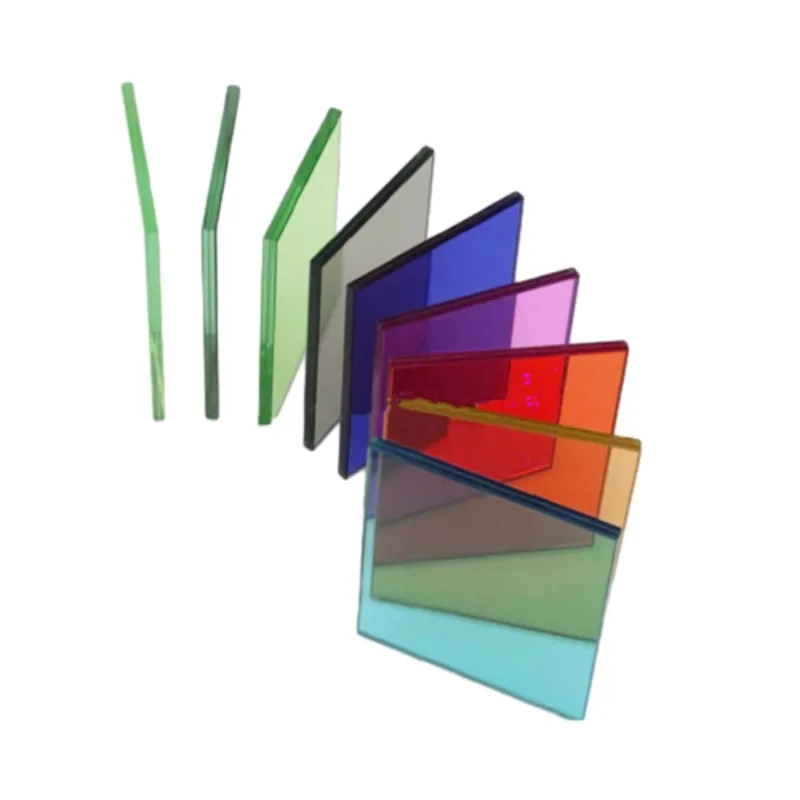
Reflective glass uses a metallic coating to bounce back a significant portion of solar radiation, preventing heat from entering the building and reducing the load on HVAC systems.

Is tempered laminated glass necessary for Thai coastal buildings?

Yes, it provides critical safety by remaining intact if shattered and offers higher resistance to the high wind pressures common during monsoon seasons.

What are the advantages of AR glass in retail environments?

Anti-reflective (AR) glass eliminates ghost images and glare, allowing customers to see products inside showcases without distracting reflections.

Can acid etched glass be used in high-humidity bathrooms?

Absolutely. The chemical etching process creates a permanent matte finish that is impervious to humidity and easier to maintain than sandblasted glass.

Why start with high-quality clear float glass for custom processing?

Clear float glass serves as the essential, defect-free substrate. Any impurity in the base glass can lead to failure during tempering or coating applications.

How do I choose between reflective and AR glass for my project?

Choose reflective glass for exterior facades to block heat, and AR glass for interior displays or windows where maximum light transmission and zero glare are required.

Ready to Elevate Your Project?

Our technical experts are ready to provide customized glass solutions for your next development in Thailand.

Contact Us Now

If you are interested in our products, you can choose to leave your information here, and we will be in touch with you shortly.