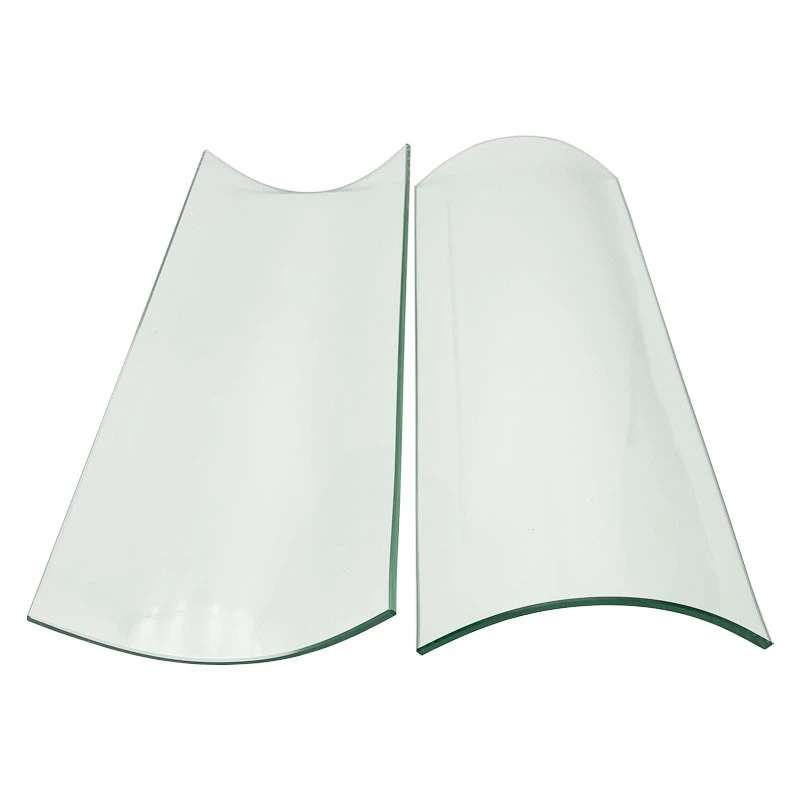

The Iranian market is characterized by a harsh continental climate with significant temperature variances between the Caspian coast and the central deserts. This environmental stress necessitates the use of clear float glass as a baseline for further processing into high-durability products that can resist thermal shock.
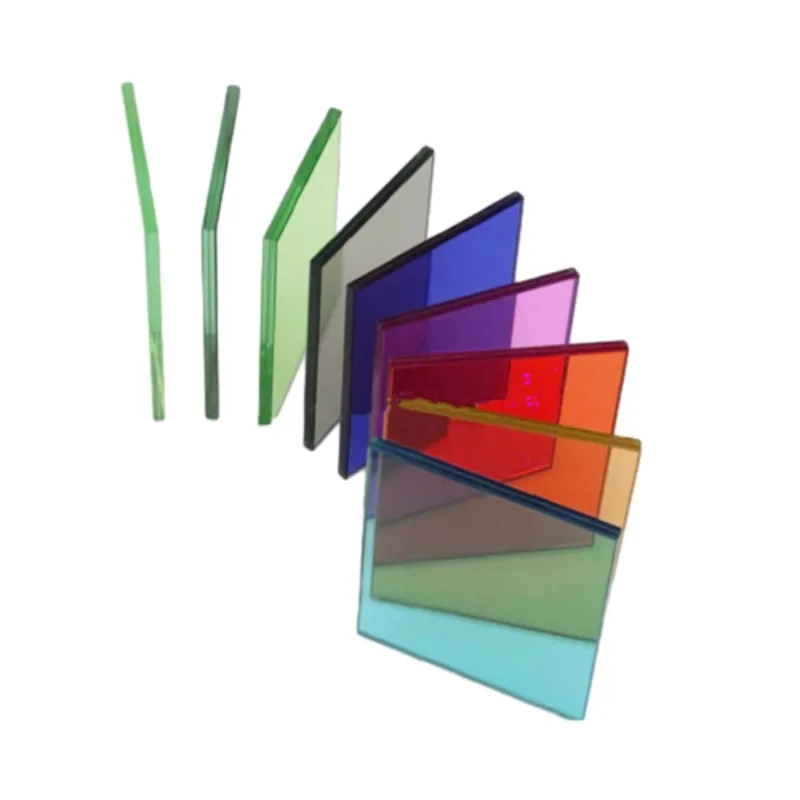
Economically, Iran's rapid urban development in cities like Tehran and Mashhad has pivoted the industry toward energy-saving facades. The adoption of reflective glass has become a necessity to reduce HVAC loads by reflecting a substantial portion of infrared radiation during the scorching summer months.
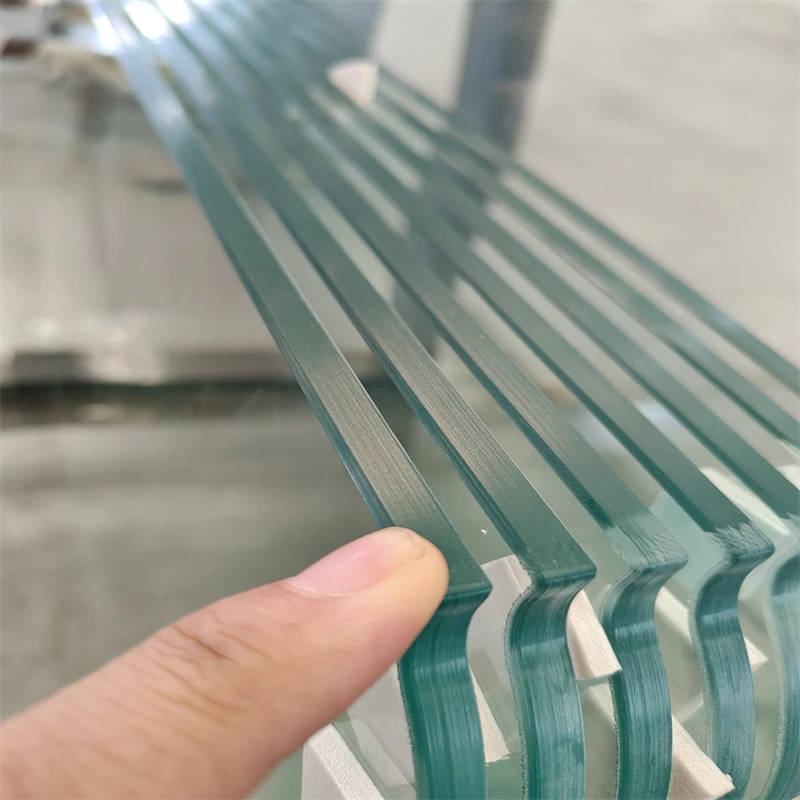
Furthermore, the industrial sector is shifting toward high-security infrastructure. The demand for tempered laminated glass is surging, driven by both safety regulations in public transport and the need for blast-resistant glazing in critical government and commercial installations.