

High-Performance reflective glass Solutions for Cuba's Architectural Landscape

Engineering sustainable, heat-reducing, and aesthetically superior glass systems tailored for the Caribbean climate of North America - Cuba.

High-Performance reflective glass Solutions for Cuba's Architectural Landscape

Providing advanced deep-processing glass technologies including solar control and safety laminates to enhance urban infrastructure across Cuba.

Current State of Technical Glass in North America - Cuba

Navigating the challenges of salinity and intense UV radiation in the Caribbean region.

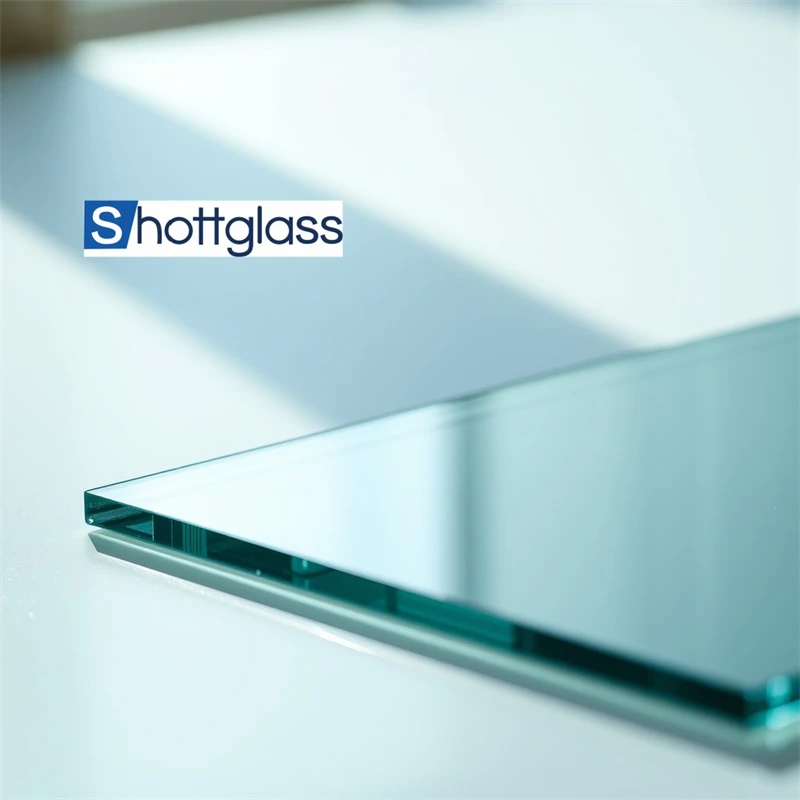
The glass industry in Cuba currently faces a dual challenge: extreme tropical humidity and high salt-mist corrosion from the surrounding ocean. This environment necessitates the use of high-durability materials like clear float glass as a base for advanced coatings that can withstand atmospheric degradation.

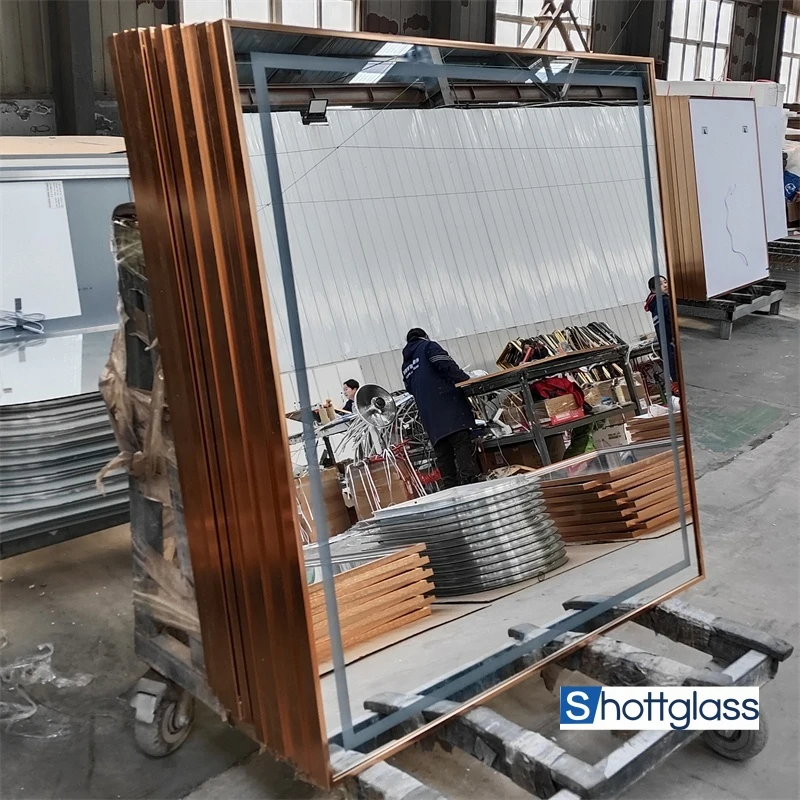
Economic transitions in Havana and other coastal cities have led to an increased demand for energy-efficient facades. The integration of reflective glass is becoming critical to reduce the thermal load on aging HVAC systems, directly addressing the local energy crisis by lowering indoor temperatures naturally.

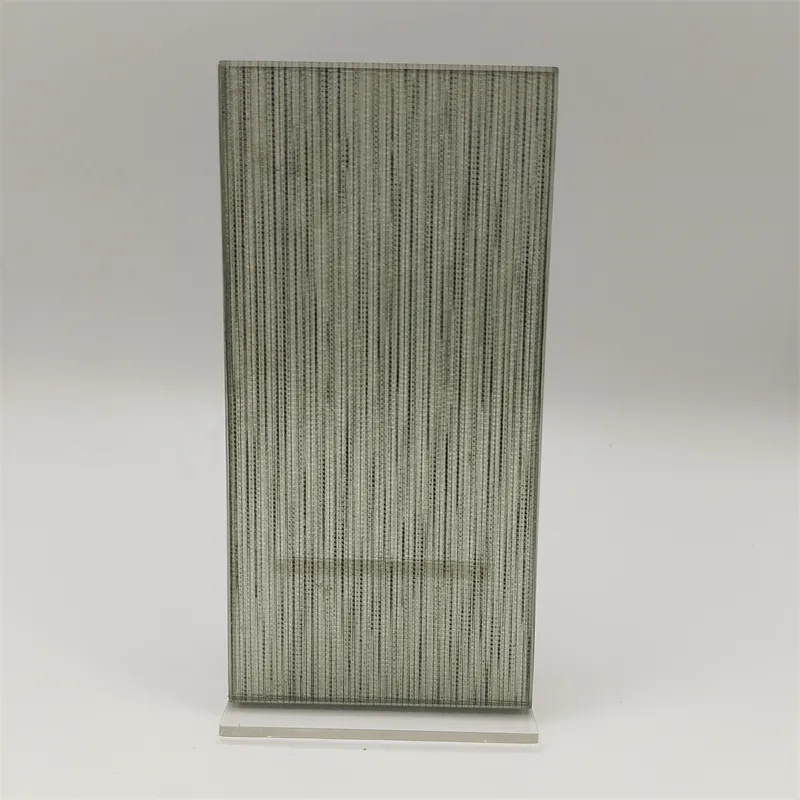
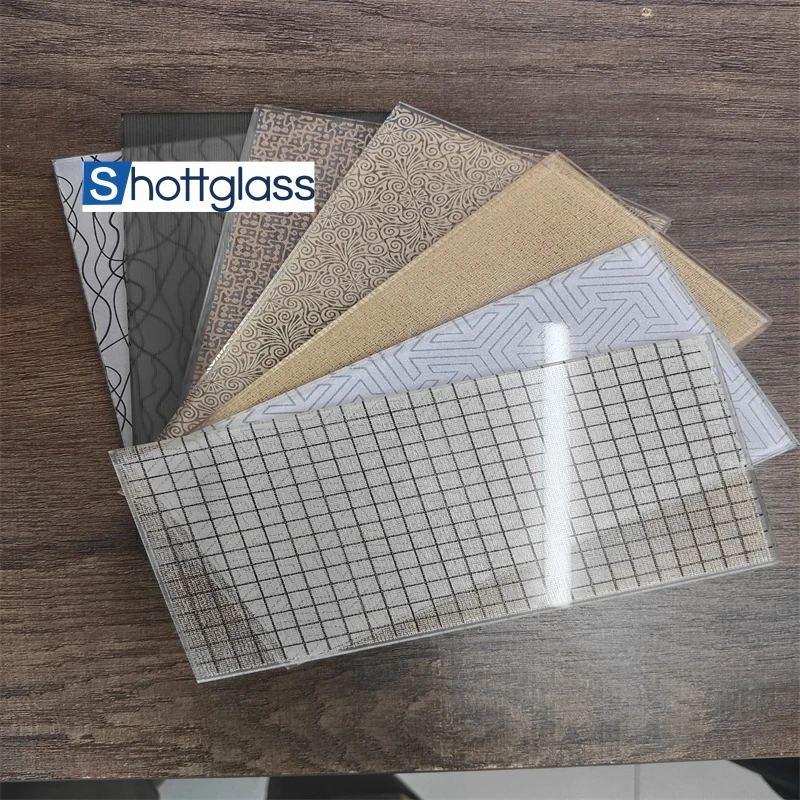
Furthermore, the push for tourism infrastructure renovation has introduced a need for decorative yet functional solutions. The adoption of acid etched glass is rising in boutique hotels to provide privacy while maintaining diffused natural light, blending colonial aesthetics with modern technical standards.
Evolution and Trajectory of Glass Processing in Cuba

From traditional glazing to high-tech energy-saving composites.

Market Development History

In the mid-20th century, the Cuban market relied heavily on standard annealed glass. These early installations lacked thermal resistance, leading to significant energy loss and vulnerability to hurricane-force winds.

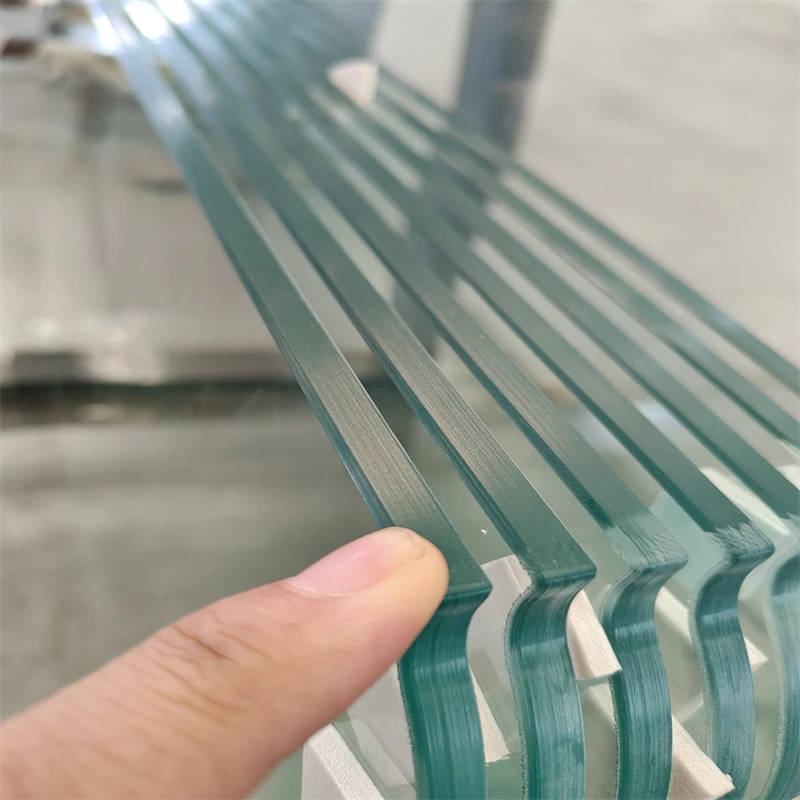
Between 2000 and 2015, the industry shifted toward safety-first engineering. The introduction of tempered laminated glass became the gold standard for coastal buildings to prevent shattering during extreme weather events, marking a pivot toward structural resilience.

Since 2018, there has been a surge in "smart" glass applications. The market has evolved to include specialized coatings, such as ar glass (anti-reflective), used in high-end commercial displays and solar panels to maximize light transmission and efficiency.

Future Development Trends

Dynamic Solar Control

Integration of electrochromic layers within the float glass structure to allow real-time opacity adjustment based on Cuba's shifting sun intensity.

Hurricane-Proof Laminates

Development of advanced ionoplast interlayers for laminated glass to provide superior impact resistance against flying debris during Atlantic storms.

Sustainable Low-Carbon Production

A shift toward recycled glass cullet in the manufacturing process to align with international green building certifications (LEED) in new urban projects.

Future Trends and Strategic Outlook for Cuban Glass Tech

Analyzing the intersection of sustainability and structural safety in the Caribbean.

Thermal Performance Optimization
Implementing low-emissivity (Low-E) coatings to combat the intense tropical heat of Cuba.
Anti-Corrosive Surface Tech
Advanced chemical strengthening to protect glass from saline air degradation in coastal cities.
Urban Aesthetic Integration
Using frosted and etched textures to modernize Havana's heritage buildings.
Safety-Centric Design
Standardizing laminated glass for all high-traffic public areas to ensure citizen safety.

Industry Outlook

Google search trends indicate a rising interest in "sustainable building materials" and "hurricane resistant glass" within the Caribbean region. We expect a 15% annual growth in the demand for high-spec safety glass as Cuba invests in resilient urban infrastructure.

The future will be dominated by the synergy between energy efficiency and safety. The transition from basic float glass to multi-functional, coated, and tempered systems is no longer a luxury but a technical necessity for survival in the evolving climate of North America - Cuba.

Localized Glass Applications in North America - Cuba

Real-world implementation of technical glass in the Cuban environment.

1. Coastal Resort Facades

Implementing reflective glass to reduce solar heat gain in Varadero resorts, lowering air conditioning costs by up to 30%.

2. High-Rise Office Safety

Using tempered laminated glass in Havana's business district to provide wind load resistance and prevent fragment-related injuries.

3. Luxury Hotel Privacy Screens

Applying acid etched glass for bathroom partitions and spa areas, offering a sophisticated matte finish that hides water spots.

4. Solar Energy Infrastructure

Utilizing ar glass for photovoltaic cover plates to increase light capture and energy yield in rural electrification projects.

5. Modern Residential Windows

Integrating high-clarity clear float glass with insulating layers for new eco-friendly residential developments in Santiago de Cuba.

Brand Story

Global Development Journey of Shahe City Xiaote Glass Co., Ltd.

Foundation of Excellence

Started as a localized glass processor, focusing on the precision of basic float glass cutting and polishing for the domestic market.

Technical Diversification

Invested in high-temperature tempering and lamination lines to solve the pain point of glass fragility in industrial applications.

Global Expansion

Expanded operations to North America and the Caribbean, adapting product specifications to meet international safety standards.

Innovation Hub

Established a dedicated R&D center for advanced coatings, specializing in anti-reflective and high-reflectivity technologies.

Sustainable Future

Committed to zero-waste manufacturing, ensuring every piece of technical glass contributes to a greener architectural future.

Comprehensive Glass Portfolio for the Cuban Market

A complete range of deep-processed glass solutions from basic float to high-tech safety laminates.

Frequently Asked Questions for Glass Solutions in Cuba

Expert answers to technical queries regarding glass durability and performance.

How does reflective glass perform in Cuba's high-UV environment?

Our reflective glass is engineered with metallic oxide coatings that reject a significant portion of infrared and UV rays, preventing interior fading and reducing heat load in tropical climates.

Is tempered laminated glass necessary for hurricane-prone areas in North America - Cuba?

Yes, it is essential. The combination of tempering for strength and lamination for containment ensures that if the glass breaks, it remains adhered to the interlayer, preventing dangerous shards from entering the building.

Can acid etched glass be used in high-humidity bathrooms without degrading?

Absolutely. Unlike sandblasted glass, acid etched glass has a smoother, non-porous surface that resists mold and moisture buildup, making it ideal for Cuba's humid environments.

What are the advantages of using AR glass in solar installations?

AR glass (anti-reflective) minimizes the light reflected away from the solar cell, significantly increasing the photon absorption and overall energy efficiency of the panel.

How do I maintain clear float glass in coastal cities with high salt spray?

We recommend regular cleaning with non-abrasive solutions and the application of a hydrophobic coating to prevent salt crystals from etching the surface of the glass.

Which glass is best for energy-saving renovations in Havana?

A combination of reflective glass for exterior facades and tempered laminated glass for security is the most effective way to balance energy efficiency and safety.

Get Technical Glass Consultation

Partner with the leading glass experts to secure your architectural projects in North America - Cuba with high-performance materials.

Contact Us Now

If you are interested in our products, you can choose to leave your information here, and we will be in touch with you shortly.