
Advanced Technical Glass Solutions for tempered laminated glass in Sweden

Providing high-performance, energy-efficient, and architectural glass engineering tailored for the rigorous Scandinavian climate and Swedish design standards.

Advanced Technical Glass Solutions for tempered laminated glass in Sweden

Integrating Swedish minimalist aesthetics with cutting-edge deep processing glass technology to ensure durability, safety, and maximum thermal efficiency in extreme northern environments.

The Current State of Technical Glass in Sweden

Adapting to the Nordic climate through advanced material science

In Sweden, the glass industry is heavily influenced by the extreme seasonal variance in light and temperature. The demand for clear float glass remains high for residential use, but there is a significant shift toward high-performance coatings to prevent heat loss during the long winter months.

Architectural projects in Stockholm and Gothenburg are increasingly incorporating reflective glass to optimize solar gain and reduce reliance on artificial heating, balancing the need for natural light with strict energy efficiency regulations (BBR).

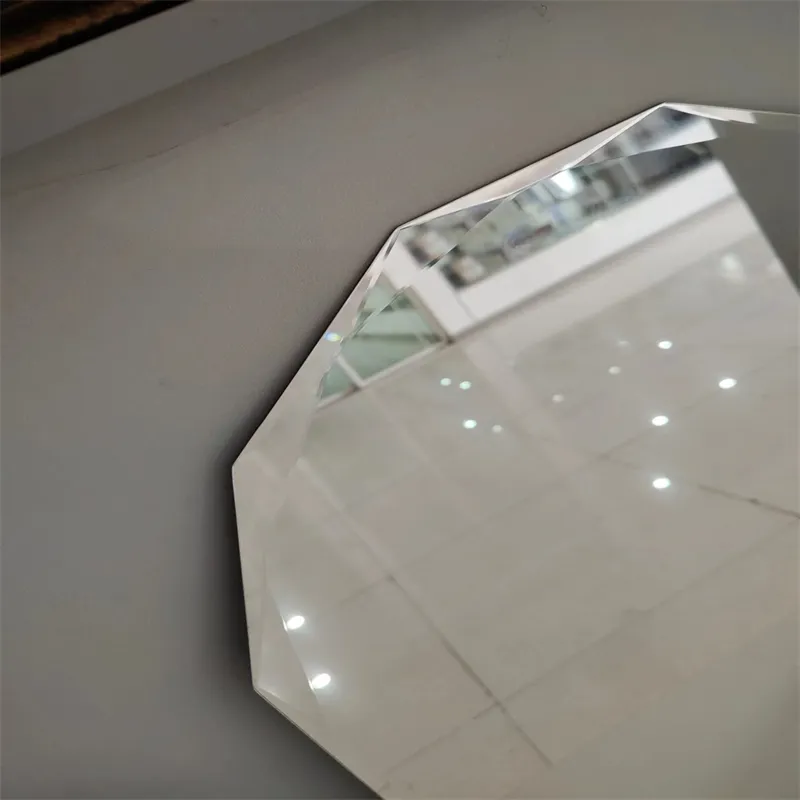
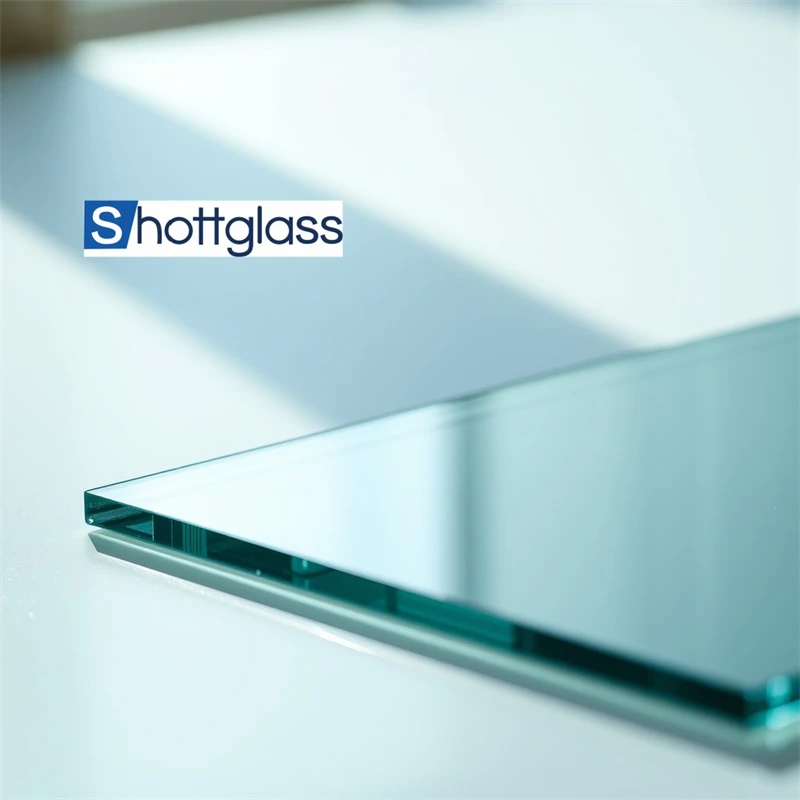
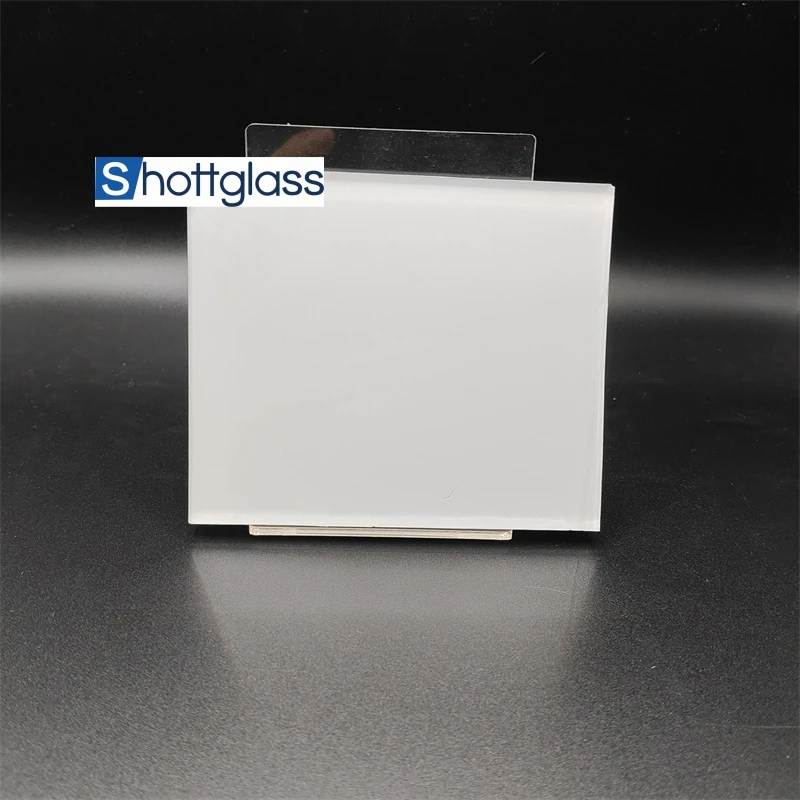
Safety and sustainability are paramount; hence, the adoption of acid etched glass for privacy and ar glass for high-tech displays is growing within the Swedish industrial and commercial sectors.
Evolution of Deep Processing Glass in Northern Europe

From basic insulation to intelligent optical performance

Market Development History

From the 1980s to the early 2000s, the Swedish market focused primarily on basic thermal insulation using double-glazing. The primary goal was survival against the Arctic cold, relying on standard float glass with basic coatings.

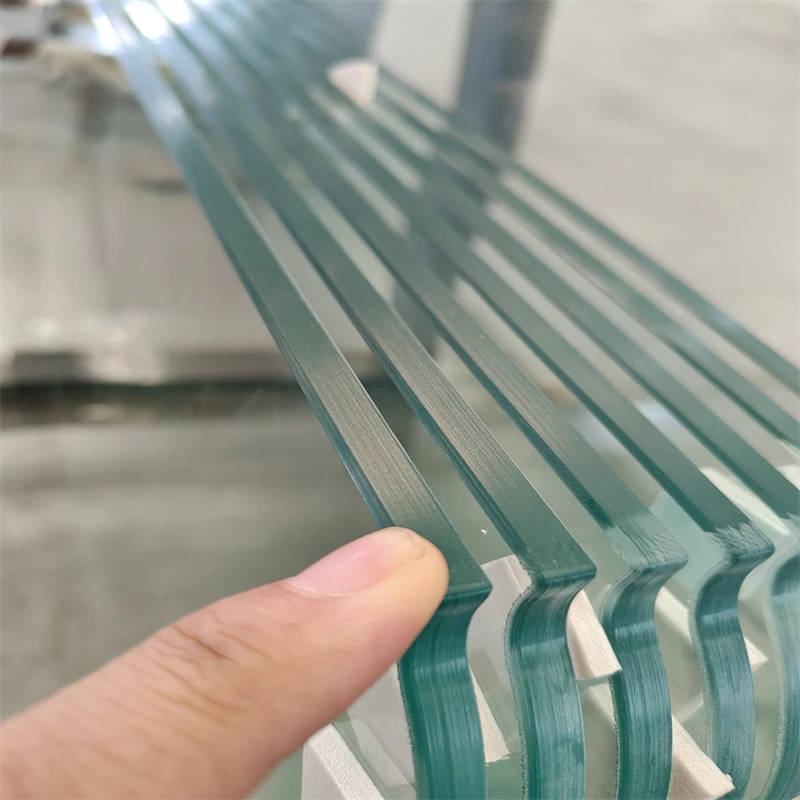
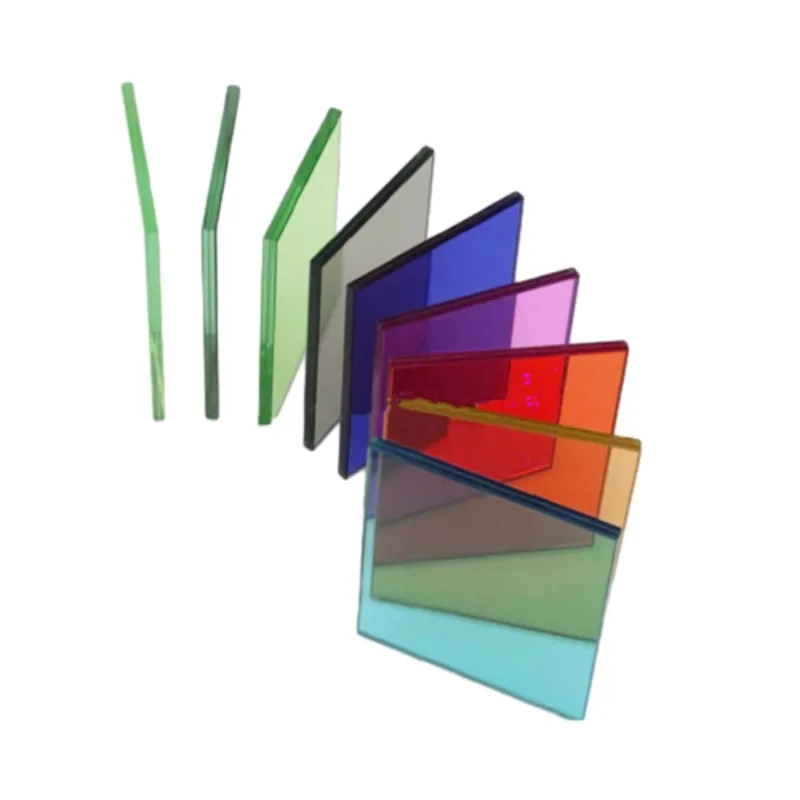
Between 2010 and 2020, the transition toward "Smart Cities" led to the integration of advanced processing. We saw a rise in the use of specialized tempered laminated glass to meet stringent European safety standards for public infrastructure.

Today, the focus has shifted to "Optical Precision." The current era is defined by the integration of anti-reflective technologies and precision etching to satisfy the high-end requirements of the Swedish tech and design industries.

Future Development Trends

Dynamic Thermal Control

Integration of electrochromic layers into glass substrates to allow real-time adjustment of light transmission, reducing energy costs in large Swedish office complexes.

Circular Economy Manufacturing

A push toward 100% recyclable glass components, aligning with Sweden's goal to be carbon neutral by 2045 through lower-temperature tempering processes.

Advanced Optical Coatings

Increasing demand for nano-scale coatings that combine hydrophobic properties with high transparency to combat frost and condensation.

Industry Outlook and Technological Trajectory

Predicting the next 5 years of glass engineering in Sweden

Sustainable Sourcing
Adopting low-carbon smelting and recycled cullet to meet Nordic environmental certifications.
AI-Driven Precision
Using AI to optimize tempering cycles for tempered laminated glass reducing waste.
IoT Glass Integration
Embedding sensors into glass for structural health monitoring in Swedish bridges and tunnels.
Ultra-Low Emissivity
Developing next-gen coatings to eliminate heat transfer in extreme sub-zero temperatures.

Industry Outlook

Google search trends in the Nordic region indicate a surge in "energy-efficient facade" and "sustainable architectural glass," suggesting that the Swedish market is moving beyond basic functionality toward integrated ecological solutions.

The future of technical glass in Sweden will be defined by the intersection of high-transparency aesthetics and extreme thermal performance, driving the adoption of more complex laminated and coated glass products.

Local Application Scenarios in Sweden

Real-world deployment of deep processing glass in the Swedish landscape

01. Stockholm Waterfront Commercial Hubs

Utilization of reflective glass to manage intense summer glare while maintaining an open, airy interior consistent with Nordic modernism.

02. Kiruna Arctic Residential Projects

Installation of triple-pane tempered laminated glass to provide maximum structural integrity and thermal insulation against extreme Arctic winds.

03. Swedish Tech Headquarters' Meeting Rooms

Application of acid etched glass for executive boardrooms, offering a sophisticated balance between visual privacy and light diffusion.

04. High-End Scandinavian Consumer Electronics

Integration of ar glass into premium display panels for automotive and home automation interfaces designed in Sweden.

05. Modern Swedish Museum Galleries

Use of ultra-clear clear float glass for exhibition cases to ensure zero color distortion of historical artifacts.

Brand Story

Global Development History of Shahe City Xiaote Glass Co., Ltd.

Foundational Engineering

Established with a focus on precision tempering, solving the initial pain point of glass fragility in industrial applications.

Technological Diversification

Expanded into deep processing, mastering acid etching and lamination to provide a one-stop solution for architectural glass.

Global Standard Alignment

Achieved international certifications to meet the rigorous safety and quality demands of the European and North American markets.

Scandinavian Market Entry

Tailored production lines to meet Swedish energy efficiency standards, focusing on high-performance thermal glass.

Vision for the Future

Committing to the development of smart, eco-friendly glass that harmonizes human habitation with the natural environment.

Comprehensive Glass Portfolio for the Swedish Market

A full suite of deep-processed glass products designed for Nordic architectural and industrial excellence.

Sweden Technical Glass FAQ

Expert answers to common technical queries regarding glass installation in Sweden

How does tempered laminated glass perform in sub-zero Swedish winters?

Our tempered laminated glass uses specialized PVB or SGP interlayers that maintain flexibility and structural integrity even at extreme low temperatures, preventing cracking due to thermal contraction.

Can reflective glass reduce heating costs in Stockholm offices?

Yes, by reflecting a significant portion of infrared radiation, reflective glass reduces solar heat gain in summer and can be combined with low-E coatings to retain interior heat during winter.

What is the difference between acid etched glass and frosted glass for privacy?

Acid etched glass provides a more consistent, satin-like finish that is fingerprint-resistant and more durable than mechanical frosting, making it ideal for high-traffic Swedish commercial interiors.

Is clear float glass suitable for high-wind coastal areas in Sweden?

Standard clear float glass is not recommended for high-wind areas. We suggest tempering the float glass or using laminated versions to increase impact resistance and safety.

How does AR glass improve visibility in low-light Nordic conditions?

AR (Anti-Reflective) glass minimizes surface reflections, allowing more light to pass through, which is critical for displays and signage during the dim winter months in Sweden.

What maintenance is required for technical glass in snowy environments?

We recommend periodic cleaning with non-abrasive agents to maintain the integrity of coatings. For exterior glass, hydrophobic coatings can be applied to facilitate snow and ice runoff.

Ready to Elevate Your Project?

Our engineers are ready to provide customized technical glass solutions for your specific requirements in Sweden.

Contact Us Now

If you are interested in our products, you can choose to leave your information here, and we will be in touch with you shortly.