
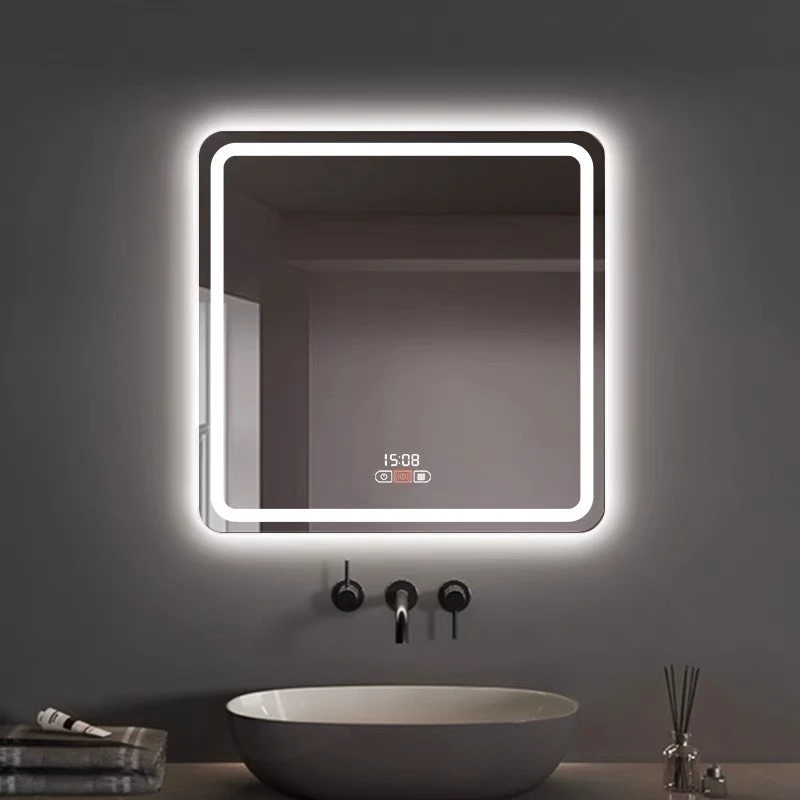
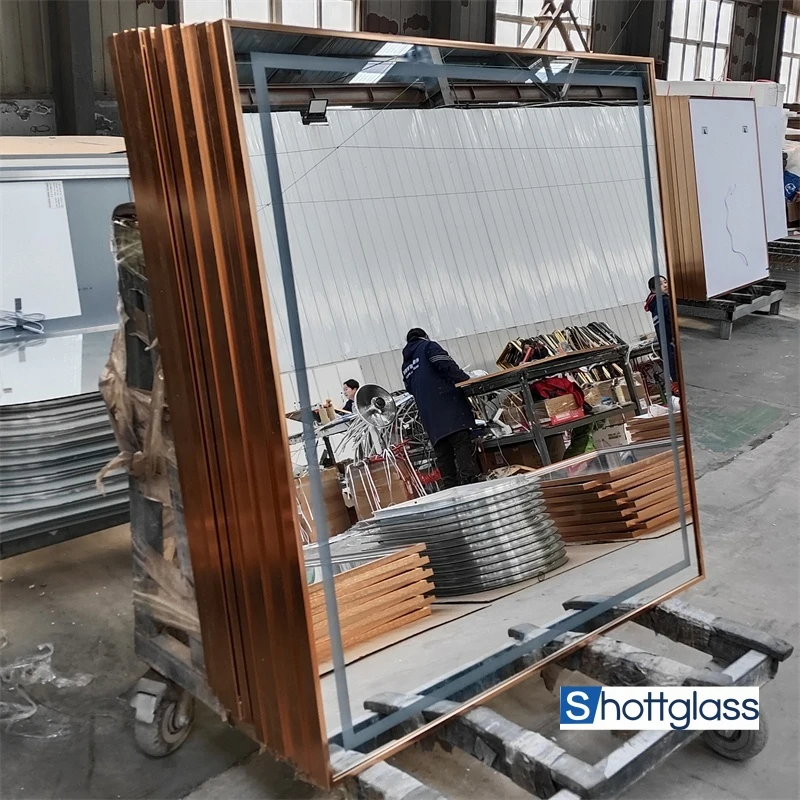
Advanced reflective glass Solutions for Uruguay's Modern Architecture

High-performance deep-processed glass engineering tailored for the unique climatic and urban demands of the Uruguayan market.

Advanced reflective glass Solutions for Uruguay's Modern Architecture

Providing Uruguay with cutting-edge glass fabrication technologies, from basic clear float glass to complex safety laminates, ensuring durability and energy efficiency in every installation.

Glass Industry Landscape in Uruguay

Analyzing the intersection of Uruguayan architecture and high-tech glass requirements.

Uruguay's glass market is currently characterized by a shift toward sustainable urban development in Montevideo and Punta del Este. The humid subtropical climate necessitates materials that can withstand salt-mist corrosion and fluctuating thermal loads, driving the demand for high-performance tempered laminated glass.

Economically, the region has seen an increase in luxury residential and commercial projects that prioritize aesthetic transparency and solar control. This has led to a transition from standard glazing to specialized ar glass for high-end retail and museum exhibits where glare reduction is critical.

However, the local industry faces challenges in deep-processing consistency. The reliance on imported raw materials means that precision in the manufacturing of acid etched glass is highly valued to ensure privacy and frosting uniformity across large-scale architectural facades.
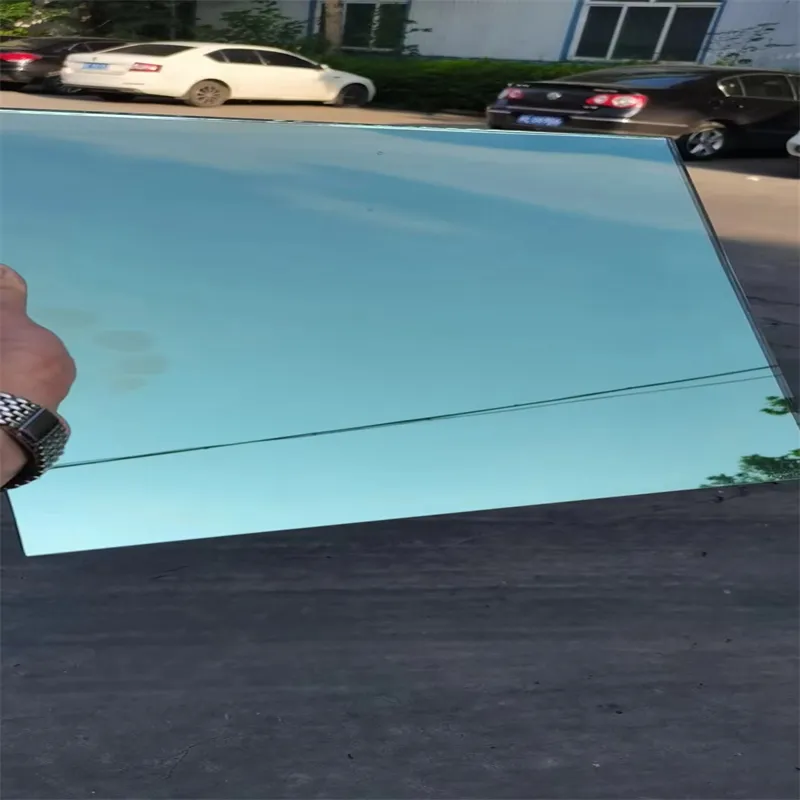
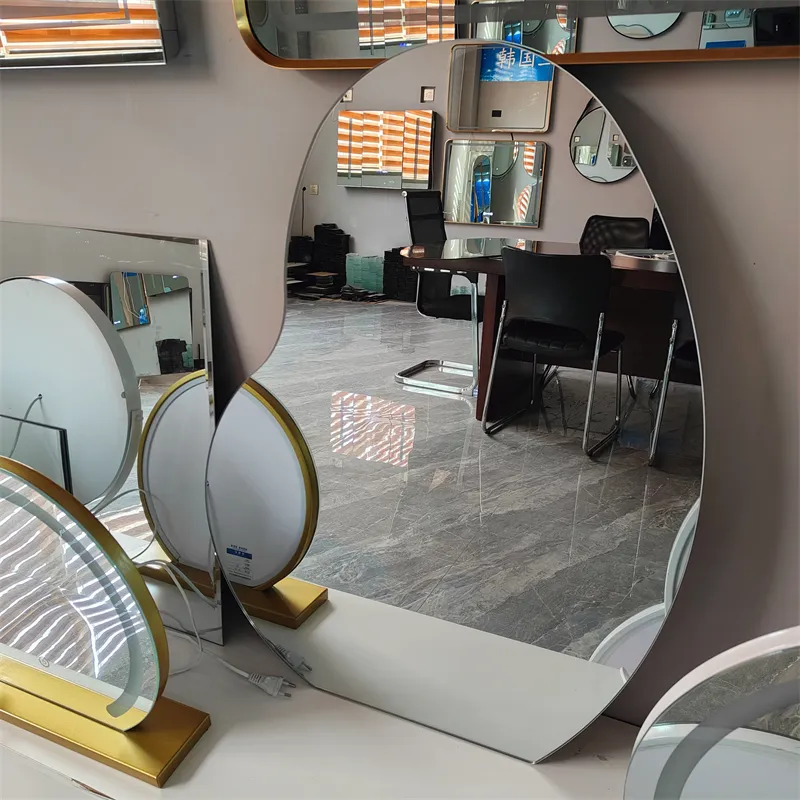
Evolution of Deep-Processed Glass in the region

Tracing the technological journey from basic float glass to intelligent glazing systems.

Market Development History

In the late 20th century, the Uruguayan market relied heavily on simple clear float glass for basic residential windows, with limited processing capabilities focused primarily on cutting and polishing.

Between 2000 and 2015, the emergence of modern commercial hubs introduced the need for solar control, leading to the widespread adoption of reflective coatings. This period marked the shift toward thermal efficiency and the integration of tempered safety standards.

From 2016 to the present, the industry has entered the "Intelligence Era," where the focus has shifted to multi-functional glass, including advanced anti-reflective (AR) layers and chemically etched surfaces for integrated interior design.

Future Development Trends

Dynamic Solar Modulation

Integration of electrochromic properties into standard architectural glass to allow real-time light control, reducing AC energy consumption in Montevideo's summer peaks.

Enhanced Structural Safety

A move toward higher-grade ionoplast interlayers in laminated glass to provide superior wind-load resistance for coastal buildings in Punta del Este.

Sustainable Circularity

Increasing adoption of low-carbon manufacturing processes and recycled cullet integration to meet Uruguay's strict environmental goals.

Industry Trends and Future Outlook

Predicting the next 3-5 years of glass technology based on search trends and regional growth.

Energy-Efficient Glazing
Growing demand for Low-E and solar-reflective coatings to mitigate heat gain in tropical urban zones.
Smart Optical Coatings
Rapid adoption of anti-reflective technology for digital displays and architectural glass galleries.
Safety-First Lamination
Increasing mandates for tempered laminated systems in high-traffic public infrastructures.
Decorative Precision
Growth in customized frosted glass using precise acid-etching for high-end interior partitioning.

Industry Outlook

The Uruguayan glass market is projected to move toward a "Smart-Green" hybrid model. As Google search trends indicate a rise in queries for "sustainable building materials Uruguay," we anticipate a surge in the integration of PV-glass and vacuum-insulated units.

Furthermore, the shift toward prefabricated construction will require glass manufacturers to provide highly accurate, pre-cut, and pre-tempered components, reducing on-site waste and accelerating project timelines.

Localized Application Scenarios in Uruguay

Real-world implementations of deep-processed glass in the Uruguayan environment.

1. Coastal Luxury Villas in Punta del Este

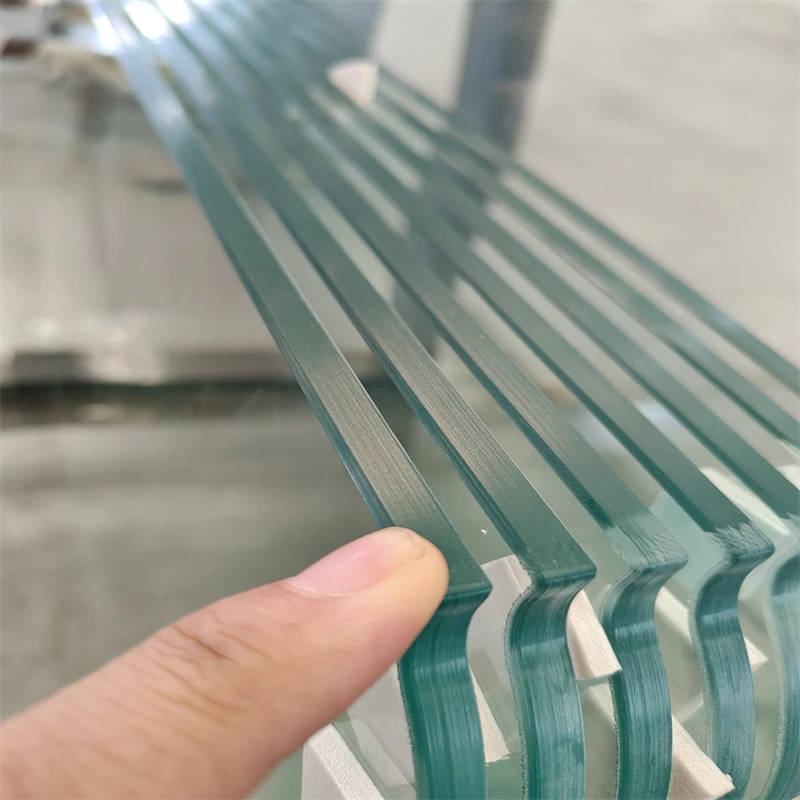
Implementation of high-strength tempered laminated glass for floor-to-ceiling windows, providing critical safety and resistance against extreme ocean wind loads.

2. Corporate Headquarters in Montevideo

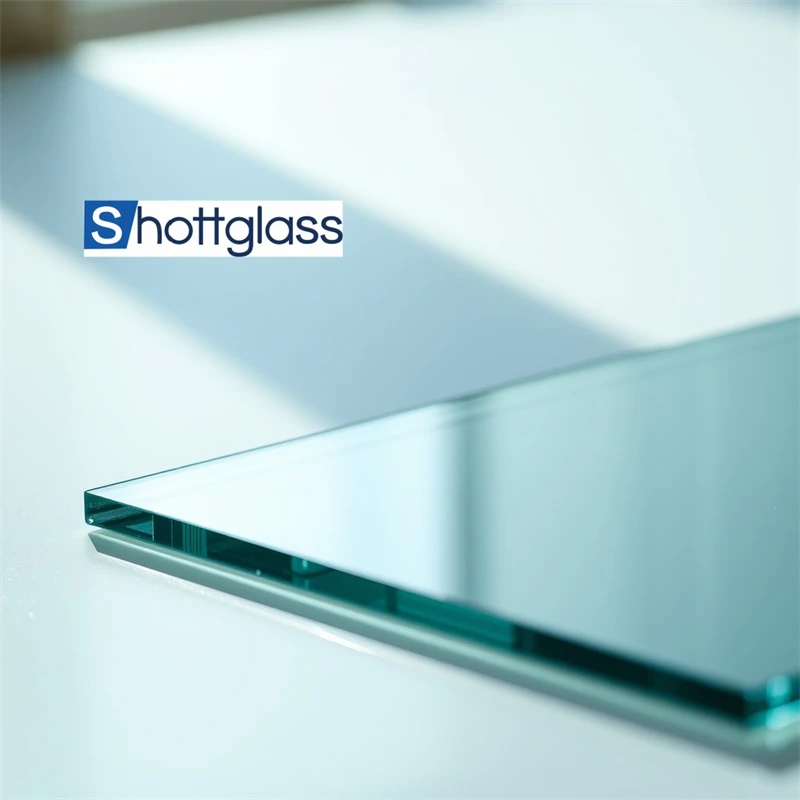
Use of reflective glass on exterior curtain walls to reduce solar heat gain and lower cooling costs while maintaining a professional aesthetic.

3. Art Galleries and Museums

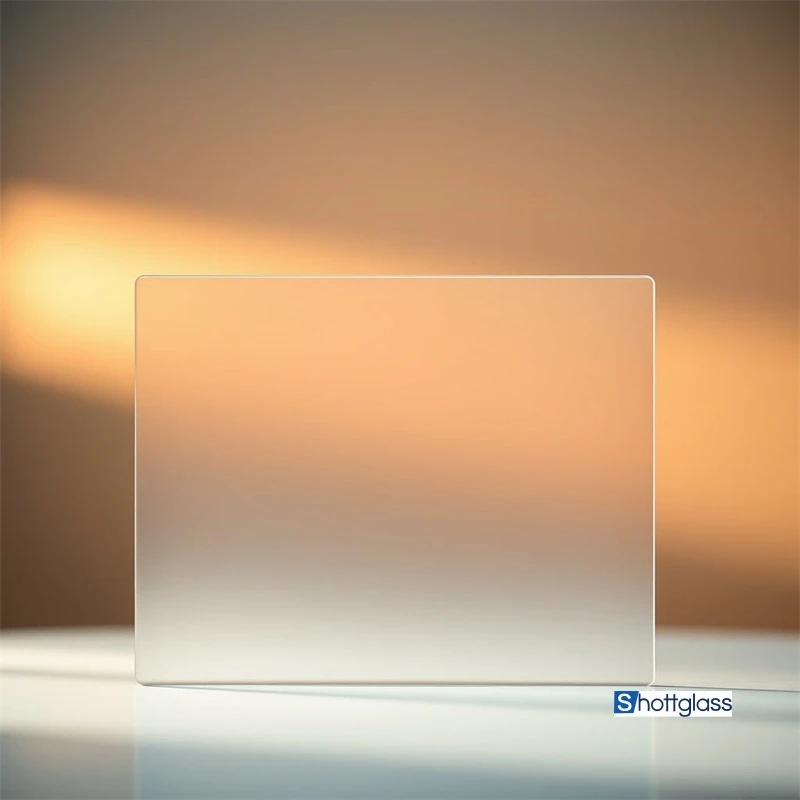
Installation of ar glass for exhibit casings, eliminating reflections and allowing visitors to see artifacts with absolute clarity.

4. Boutique Hotel Interior Partitions

Applying acid etched glass for bathroom enclosures and office dividers, balancing the need for light transmission with guest privacy.

5. Urban Residential Balustrades

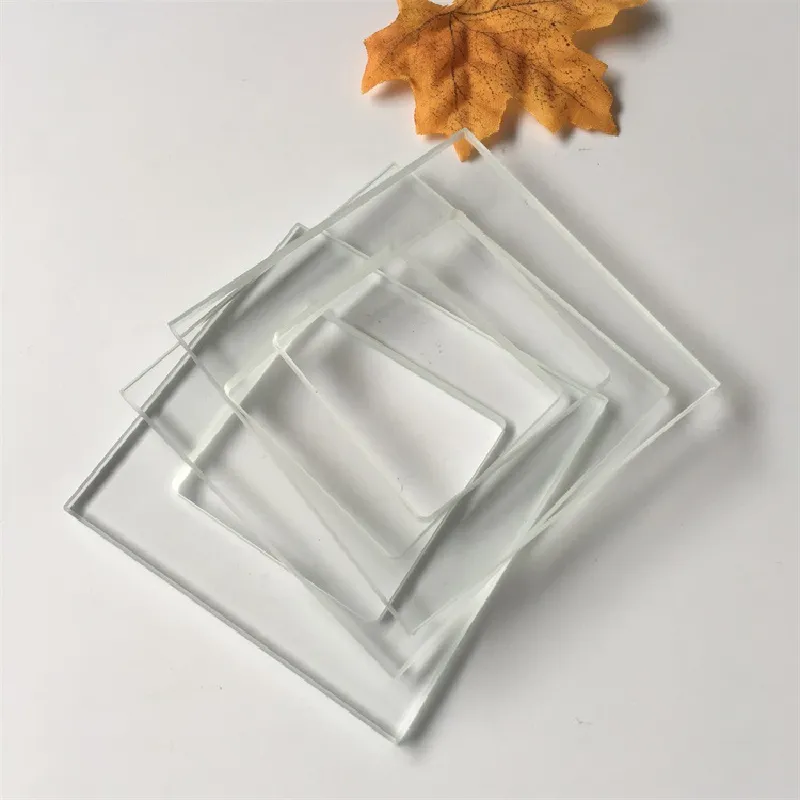
Utilizing high-transparency clear float glass that has been further processed into tempered safety panels for modern apartment balconies.

Brand Story

Global Development Journey of Shahe Xiaote Glass Co., Ltd.

Foundational Precision

Established with a mission to solve the inconsistency of deep-processing, we began by mastering the fundamentals of glass tempering and cutting.

Technological Breakthrough

We invested heavily in automated etching and coating lines, overcoming the industry pain point of uneven surface finishes in decorative glass.

Quality Standardization

Achieving international safety certifications, we bridged the gap between industrial output and the stringent requirements of global architectural firms.

Global Expansion

Expanding our logistics and support network to South America, ensuring that high-tech glass arrives in Uruguay without breakage or degradation.

Future Vision

Commitment to "Zero-Waste" glass manufacturing, leading the way toward a sustainable future for the global non-metallic mineral industry.

Complete Glass Portfolio for Uruguay

A comprehensive range of deep-processed glass products engineered for Uruguayan standards.

Uruguay Glass Procurement FAQ

Expert answers to common technical and logistical questions in the region.

How does reflective glass handle the UV intensity in Uruguay?

Our reflective glass is engineered with a high-performance metallic oxide coating that reflects a significant portion of infrared and UV radiation, preventing interior fading and reducing heat load.

Is tempered laminated glass mandatory for coastal builds in Punta del Este?

While local codes vary, it is highly recommended for coastal areas. The combination of tempering for strength and lamination for fragment retention ensures safety against high wind pressures.

What are the benefits of AR glass for Uruguayan retail displays?

AR glass eliminates the "mirror effect" found in standard glass, allowing maximum light transmission and making products visible from all angles without glare.

Can acid etched glass be customized for specific privacy levels?

Yes, the etching time and chemical concentration can be adjusted to create varying levels of translucency, from a light frost to a complete opaque finish.

What is the lead time for shipping clear float glass to Montevideo?

Lead times depend on order volume, but we optimize maritime logistics to ensure efficient delivery through the Port of Montevideo with specialized protective packaging.

How do I maintain the coating on deep-processed architectural glass?

We recommend using pH-neutral cleaners and soft microfiber cloths to avoid scratching the reflective or AR coatings, especially in saline coastal environments.

Consult Our Glass Experts

Ready to upgrade your architectural project in Uruguay? Contact us for technical specifications and regional quotes.

Contact Us Now

If you are interested in our products, you can choose to leave your information here, and we will be in touch with you shortly.