
Advanced reflective glass Solutions for Tanzania's Urban Architecture

Integrating high-performance deep-processed glass to enhance energy efficiency and structural aesthetics across East Africa.

Advanced reflective glass Solutions for Tanzania's Urban Architecture

We provide Tanzania with specialized technical glass products, combining safety, durability, and thermal control to meet the rigorous demands of the African tropical climate.

Glass Industry Status in Tanzania

Analyzing the adoption of deep-processed glass in the Tanzanian construction market.

Tanzania's construction sector is currently witnessing a transition from basic residential builds to complex commercial hubs in Dar es Salaam and Dodoma. However, the high solar radiation and humidity levels in the coastal regions create significant challenges for building temperature regulation, making high-quality clear float glass insufficient for modern energy-saving requirements.

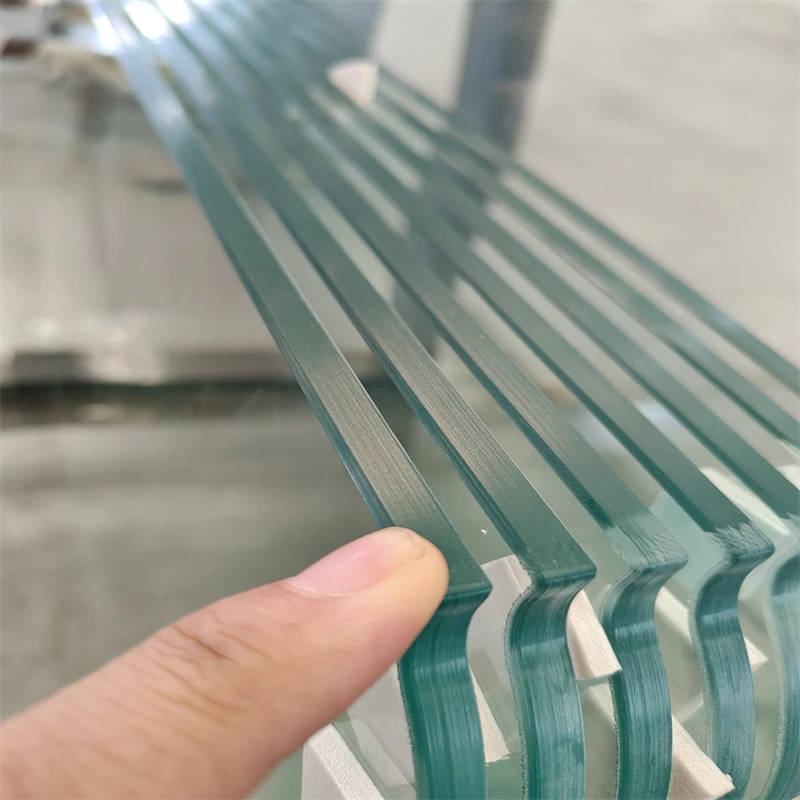
The local market is increasingly shifting toward specialized products. There is a rising demand for tempered laminated glass in public infrastructure to ensure safety against accidental impact and extreme weather conditions typical of the East African coast.

Despite the growth, the availability of high-end processed glass remains limited. Most premium projects still rely on imports of acid etched glass for decorative interior partitions, highlighting a gap in local deep-processing capabilities that we aim to fill.
Evolution of Technical Glass in East Africa

From standard glazing to intelligent solar control technology.

Market Development History

Between 2000 and 2010, the Tanzanian market was dominated by basic clear glass, focusing primarily on functionality and transparency. The primary goal was simple weather protection with minimal thermal consideration.

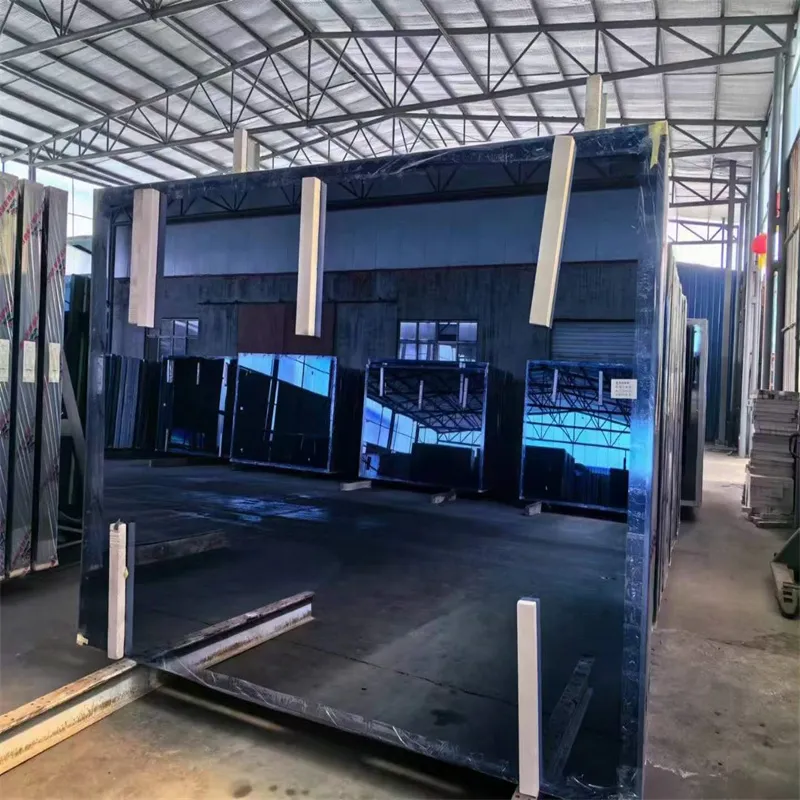
From 2011 to 2020, the "Urbanization Wave" introduced the need for solar control. This period saw the introduction of reflective glass to combat the intense tropical heat, reducing air conditioning costs for corporate offices.

Since 2021, the focus has pivoted toward "Smart and Safe" glass. The integration of ar glass (anti-reflective) for specialized displays and high-security laminates has become the new benchmark for luxury developments.

Future Development Trends

Low-E and Thermal Insulation

Increasing pressure to reduce carbon footprints in Dar es Salaam will drive the adoption of Low-Emissivity coatings combined with float glass foundations.

Enhanced Safety Standards

Strict building codes in Tanzania will mandate the use of tempered and laminated composites for all high-rise balcony and facade applications.

Architectural Aesthetics

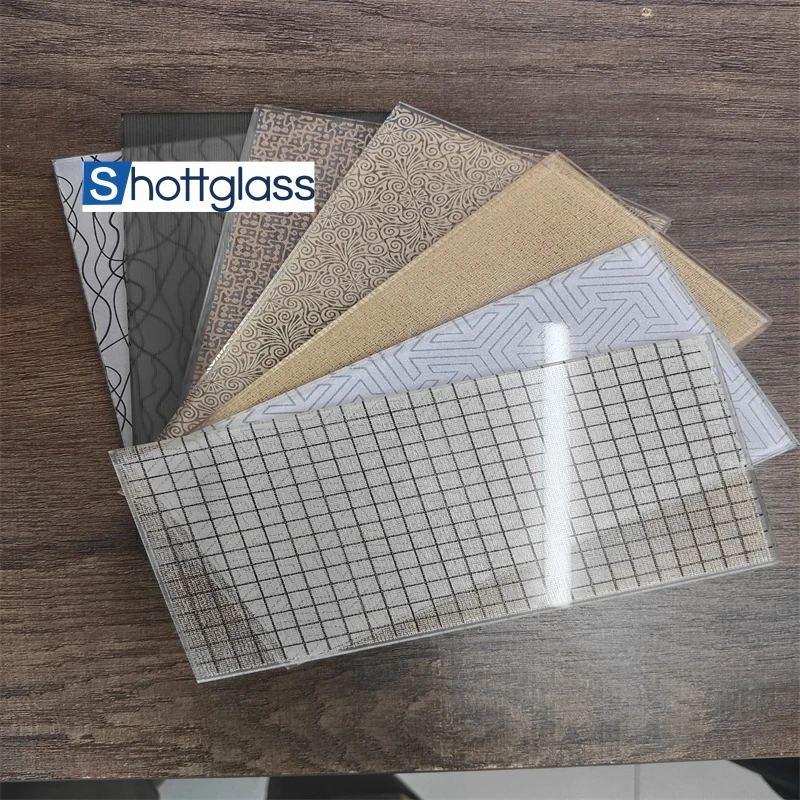
A shift toward minimalist "matte" looks will increase the consumption of frosted and chemically etched surfaces for interior design.

Industry Trends and Future Outlook

Strategizing the next 5 years of glass technology implementation in Tanzania.

Solar Energy Integration
Combining BIPV (Building Integrated Photovoltaics) with reflective coatings to generate power while cooling interiors.
Optical Precision
Growth in ar glass applications for Tanzania's emerging tech hubs and medical equipment.
Sustainable Sourcing
Increasing use of recycled cullet in the manufacturing of float glass to meet Green Building certifications.
Advanced Coatings
Integration of self-cleaning nano-coatings to reduce maintenance in dusty environments.

Industry Outlook

Based on Google search trends in the East African region, there is a significant spike in queries related to "energy efficient glazing" and "safety glass standards." This indicates a maturing market where developers are moving away from cheap imports toward certified technical glass.

The trajectory suggests that the next 3-5 years will be defined by a convergence of safety and intelligence, where glass is no longer just a barrier but a functional element of the building's thermal management system.

Localized Applications in Tanzania

Real-world implementations of deep-processed glass in the Tanzanian landscape.

1. Coastal Commercial Facades in Dar es Salaam

Utilizing high-performance reflective glass to minimize solar heat gain in skyscrapers, drastically reducing the reliance on energy-intensive cooling systems.

2. Government Complex Security in Dodoma

Implementing tempered laminated glass for high-security windows and entry points to ensure structural integrity and personnel safety.

3. Luxury Tourism Resorts in Zanzibar

Using acid etched glass for semi-private bathroom partitions and decorative screens that withstand salty coastal air without corrosion.

4. Modern Retail Displays in Arusha

Applying ar glass to high-end jewelry and electronic showrooms to eliminate glare and maximize product visibility under bright sunlight.

5. Residential Greenhouses and Conservatories

Combining clear float glass with reinforced framing to create optimal light-transmission environments for urban farming initiatives.

Brand Story

Global Development History of Shahe City Xiaote Glass Co., Ltd.

Foundational Excellence

Established as a specialized facility focusing on the core physics of float glass, we began by perfecting the purity and stability of raw glass sheets.

Technological Diversification

We expanded into deep processing, introducing tempering and laminating lines to solve the critical safety gaps in industrial glazing.

Optical Innovation

Investing in R&D for AR and reflective coatings, allowing us to enter the high-precision optical glass market globally.

Global Expansion

Strategically entering the African market, specifically Tanzania, to provide tailored glass solutions for tropical urban development.

Commitment to Sustainability

Today, we lead the industry in creating energy-efficient glass that reduces the global carbon footprint of modern architecture.

Comprehensive Glass Portfolio for Tanzania

A one-stop solution for all technical and architectural glass needs.

Frequently Asked Questions in Tanzania

Expert answers to the most common technical glass queries in the region.

Which glass is best for heat reduction in Dar es Salaam?

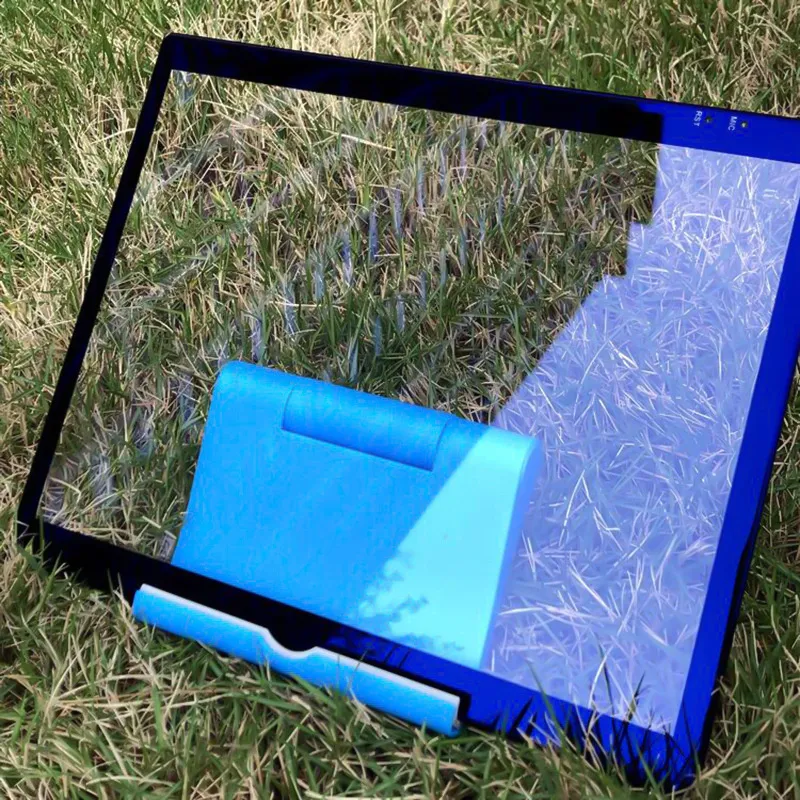
For high-heat coastal areas, we recommend reflective glass due to its ability to bounce back a significant portion of solar radiation while maintaining interior light.

What is the safety advantage of tempered laminated glass?

Unlike standard glass, this composite breaks into small blunt pieces and remains adhered to the interlayer, preventing collapses and injuries during accidents.

How does acid etched glass differ from sandblasted glass?

The chemical etching process creates a smoother, more uniform matte finish that is easier to clean and more resistant to fingerprints than sandblasting.

Can AR glass be used for outdoor signage in Tanzania?

Yes, anti-reflective glass is ideal for signage and displays to ensure clarity under the bright Tanzanian sun by reducing specular reflections.

Is clear float glass suitable for external windows?

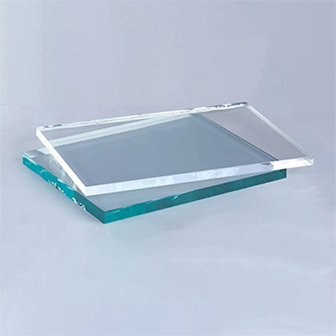
While it offers excellent clarity, for external use in Tanzania, we suggest upgrading it to tempered or coated versions for better safety and thermal control.

How is the durability of deep-processed glass in humid climates?

Our deep-processed glass undergoes rigorous tempering and sealing, making it highly resistant to the corrosion and moisture found in East African coastal environments.

Get a Professional Glass Consultation

Ready to upgrade your project with the best technical glass in Tanzania? Our experts are here to help you choose the right specifications.

Contact Us Now

If you are interested in our products, you can choose to leave your information here, and we will be in touch with you shortly.