
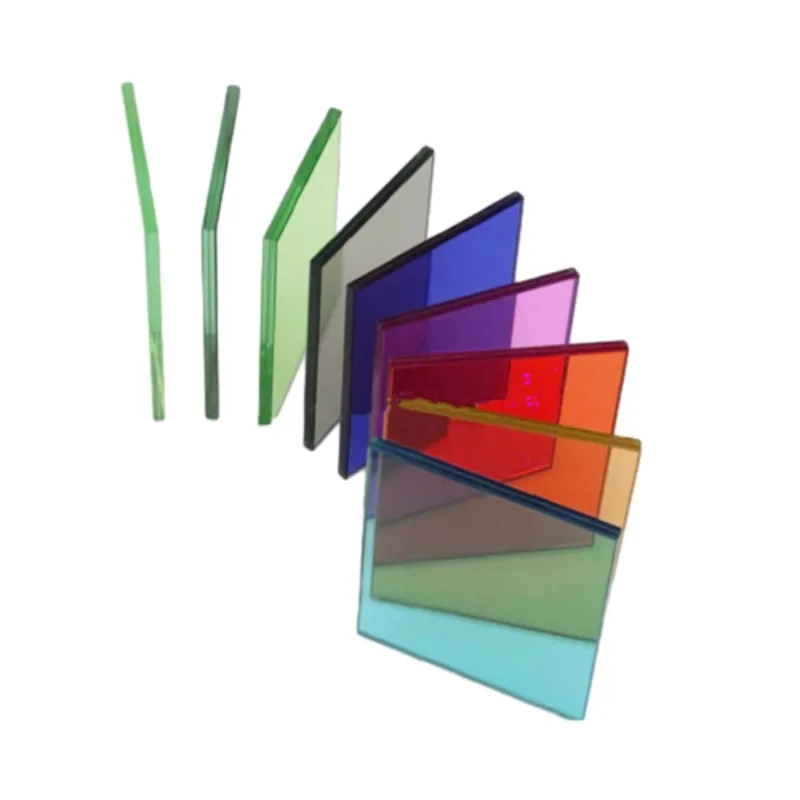
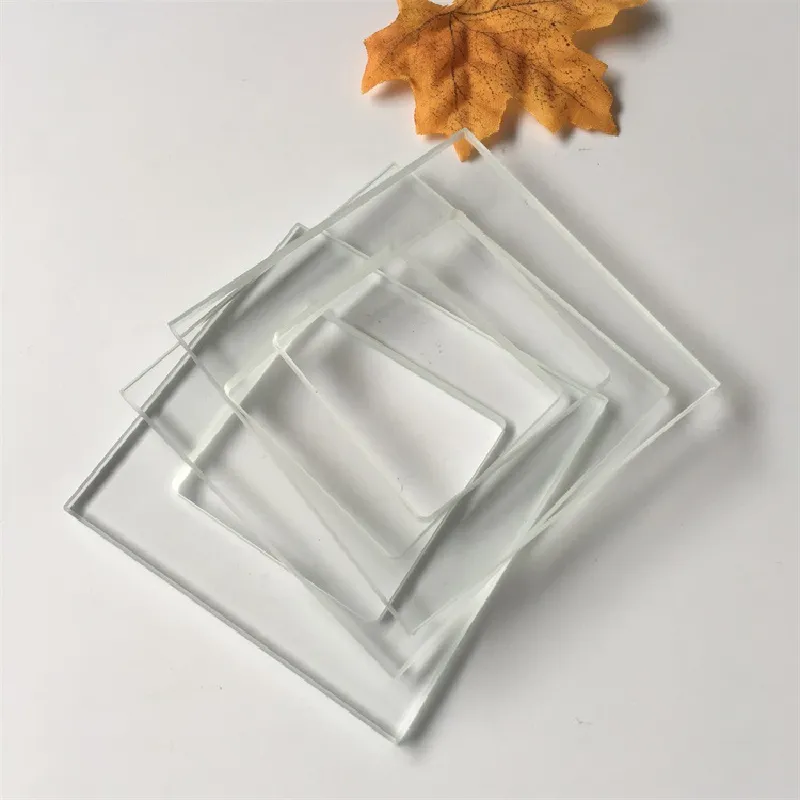
Advanced Reflective Glass Solutions for Ethiopia's Modern Architecture

Integrating high-performance deep-processed glass technology to meet the unique climatic and urban demands of the Ethiopian construction market.

Advanced Reflective Glass Solutions for Ethiopia's Modern Architecture

We provide a comprehensive suite of technical glass products specifically engineered for the East African highland climate, ensuring energy efficiency and structural safety.

The Current State of Glass Manufacturing in Ethiopia

Analyzing the intersection of rapid urbanization in Addis Ababa and the demand for specialized technical glass.

Ethiopia is currently experiencing a construction boom, particularly in its capital, where the transition from traditional masonry to glass-curtain wall systems is accelerating. However, the local market heavily relies on clear float glass, which often fails to address the intense solar radiation and temperature fluctuations characteristic of the region.

The industrial landscape in Ethiopia is shifting towards "Deep Processing." There is a growing realization that basic glass is insufficient for modern commercial hubs. The demand for tempered laminated glass has spiked as safety regulations become more stringent for high-rise developments and public infrastructure.

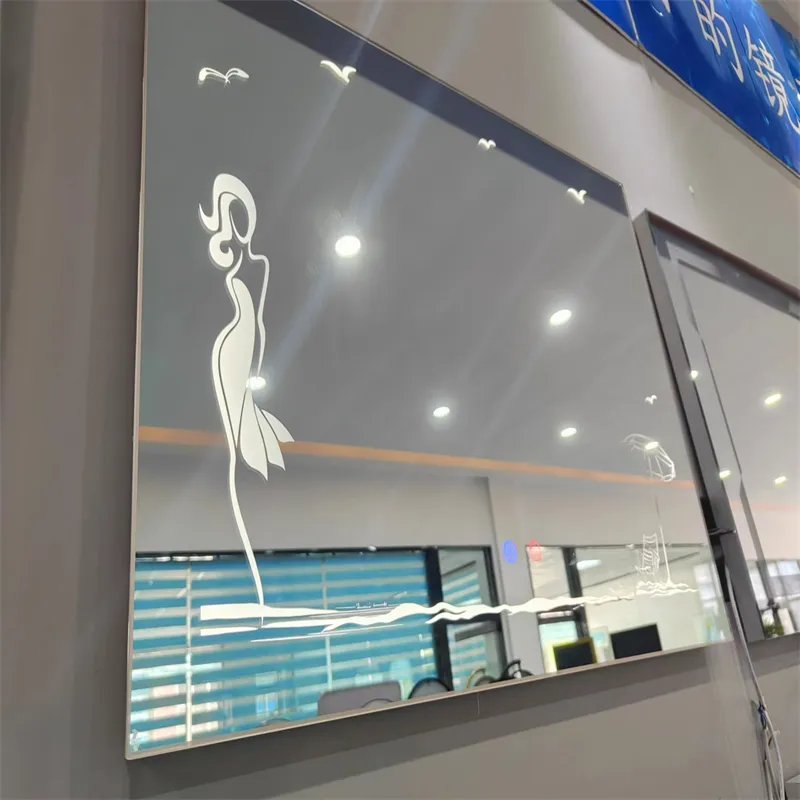
Furthermore, the aesthetic requirements of new corporate headquarters and luxury hotels are driving the adoption of decorative and functional finishes. This has opened a significant gap for high-quality acid etched glass to provide privacy and sophisticated interior design without sacrificing natural light.
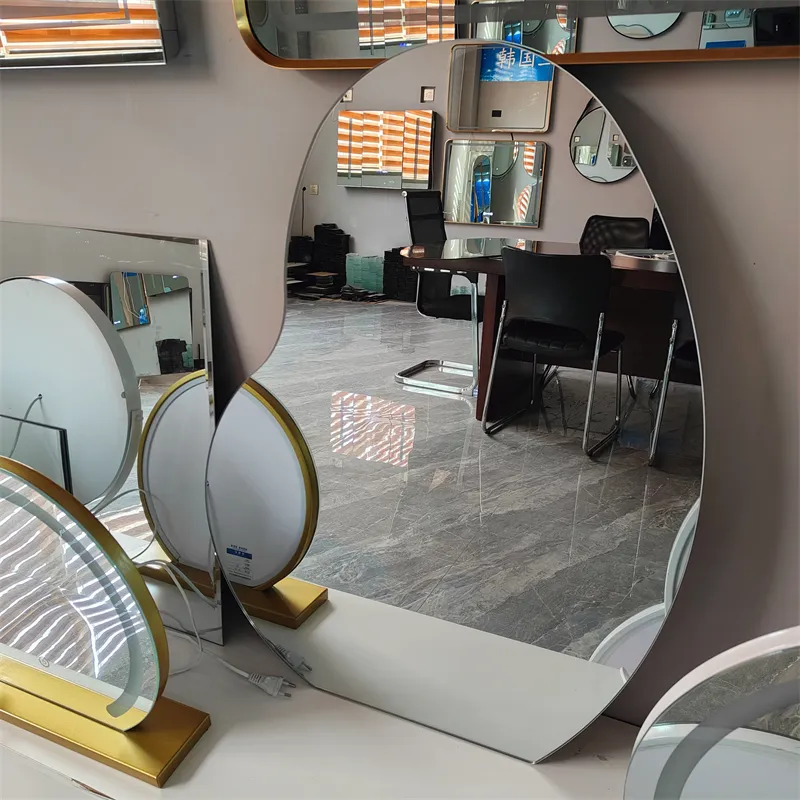
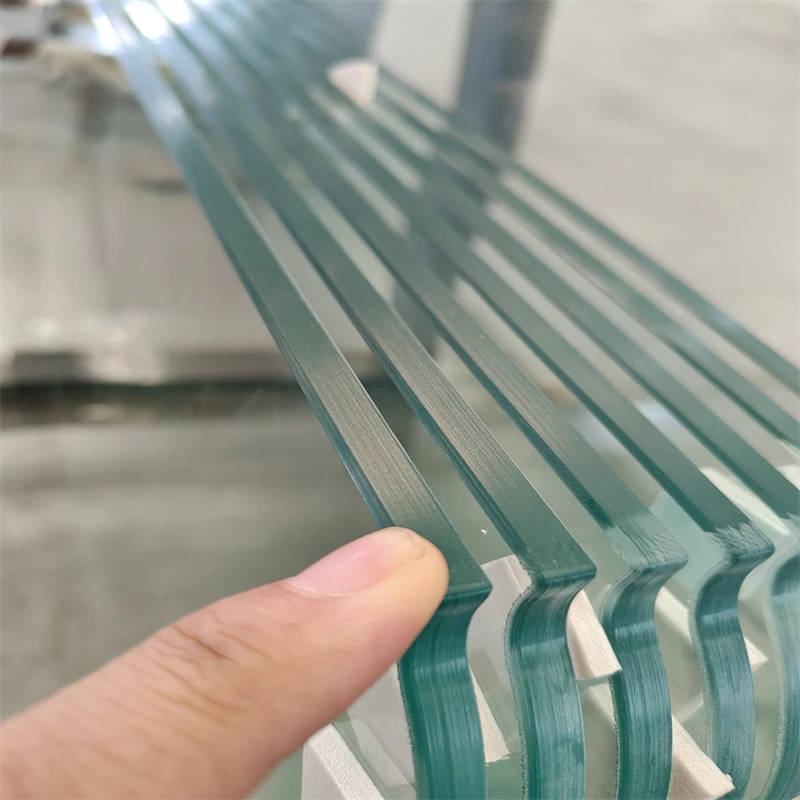
Technical Evolution and Development Trajectory

From basic transparency to intelligent light management in the Ethiopian glass sector.

Market Development History

Prior to 2010, the Ethiopian glass market was dominated by standard annealed glass. The primary focus was on basic enclosure, with very little emphasis on thermal performance or safety layering.

Between 2012 and 2020, the introduction of basic tempering and laminating technologies allowed for the growth of the commercial sector. During this phase, the market transitioned from simple window panes to integrated facades, incorporating early versions of solar-control coatings.

From 2021 to the present, we have entered the era of "High-Value Specification." Architects are now demanding specialized products like ar glass to reduce glare and improve clarity in high-end commercial interiors and technical displays.

Future Development Trends

Eco-Friendly Thermal Insulation

Driven by global warming and Ethiopia's commitment to green growth, the next 3 years will see a surge in Low-E and high-performance reflective coatings to reduce HVAC costs.

Enhanced Structural Safety

As building heights increase in Addis Ababa, the shift toward multi-layered, high-impact security glass will become the standard for all podium and street-level installations.

Smart Glass Integration

Following Google search trends for "Smart City Ethiopia," we predict an increase in demand for switchable and electronically tinted glass in government and diplomatic buildings.

Industry Trends and Future Outlook

Strategic foresight for the non-metallic mineral products industry in East Africa.

Energy-Efficient Facades
Increasing adoption of solar-reflective technology to combat the tropical sun of Ethiopia.
Urbanization Resilience
Development of high-strength glass for dense urban environments in Addis Ababa.
Aesthetic Versatility
Growing demand for frosted and patterned glass in interior partition walls.
Sustainable Sourcing
Transitioning toward low-carbon manufacturing processes in glass deep processing.

Industry Outlook

The Ethiopian glass market is projected to grow at a CAGR of 6.5% over the next five years. This growth is anchored by the "Homegrown Economic Reform Agenda," which encourages infrastructure modernization and industrialization.

As the market matures, the focus will shift from mere availability to technical precision. The ability to provide certified, high-tolerance products that meet international ISO standards will be the primary competitive advantage for manufacturers.

Local Application Scenarios in Ethiopia

Practical deployments of deep-processed glass across various Ethiopian sectors.

1. Addis Ababa Commercial Skyscrapers

Utilization of reflective glass for exterior curtain walls to reduce interior heat gain and lower energy consumption in high-rise office buildings.

2. Luxury Hotel Interior Partitions

Implementing acid etched glass in high-end hotels in the Bole district to create private bathroom enclosures and decorative lobby dividers.

3. Banking and Financial Institutions

Installing high-security tempered laminated glass for teller windows and storefronts to ensure personnel safety and asset protection.

4. Technical Exhibition Centers

Applying ar glass for museum displays and corporate showrooms to eliminate reflections and provide crystal-clear visibility of artifacts.

5. Residential Villa Windows

Using high-quality clear float glass as a base for custom-insulated glazing units in luxury residential areas to maximize natural daylighting.

Brand Story

Global Development History of Shahe Xiaote Glass Co., Ltd.

Industrial Foundation

Founded on the principle of technical precision, we began by mastering the fundamentals of float glass processing to serve the domestic market.

Technological Diversification

We expanded our capabilities into deep processing, introducing advanced tempering and laminating lines to meet safety standards.

Global Market Entry

Recognizing the infrastructure needs of emerging markets, we began exporting high-performance glass to Africa and beyond.

Specialization in High-Tech Glass

Investment in AR and reflective coatings allowed us to solve specific heat and glare problems for international architects.

Commitment to Ethiopia

Today, we focus on providing localized technical support and customized glass solutions for the Ethiopian construction boom.

Complete Glass Portfolio for the Ethiopian Market

A one-stop solution for all architectural and technical glass requirements.

Ethiopia Glass Technical FAQ

Common technical queries regarding glass selection for the East African climate.

Which glass is best for heat reduction in Addis Ababa?

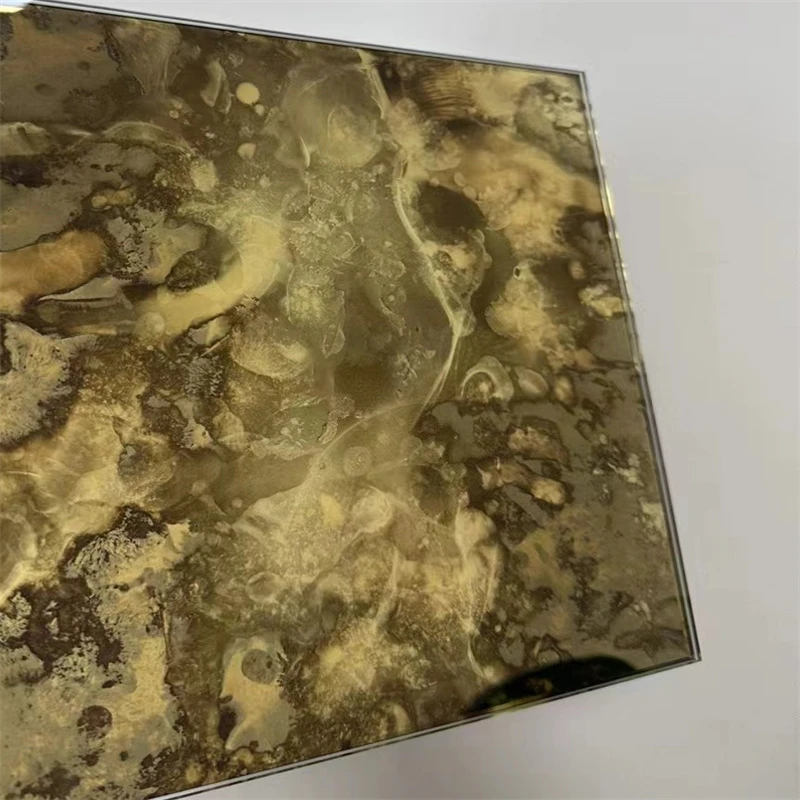
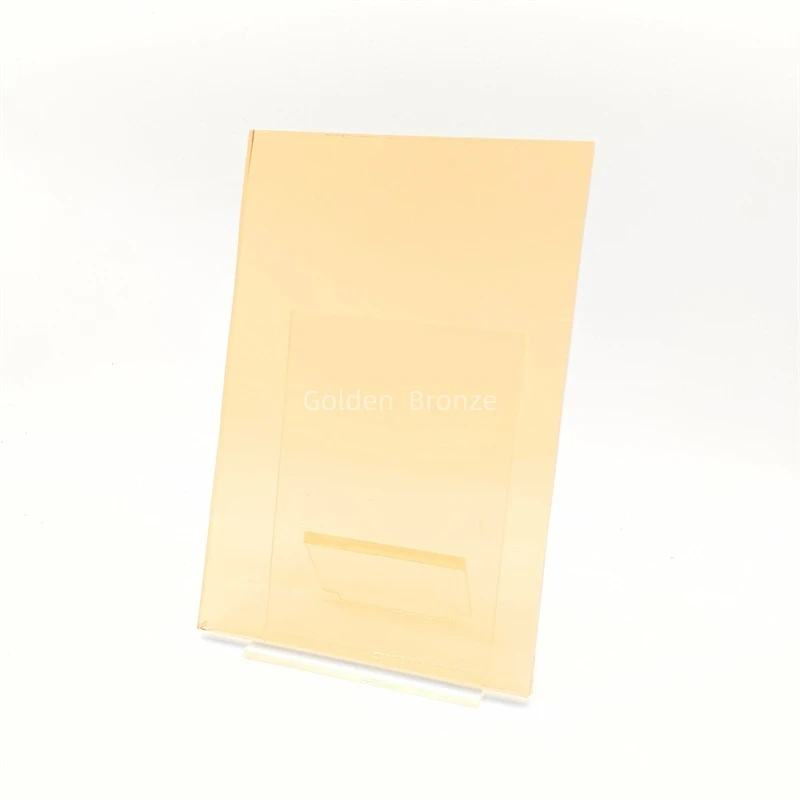
We highly recommend reflective glass because it bounces a significant portion of solar radiation away from the building, drastically reducing the cooling load.

Is tempered laminated glass necessary for storefronts in Ethiopia?

Yes, for safety and security. It provides double protection: the tempering adds strength, and the lamination ensures that if it breaks, the glass remains adhered to the interlayer.

How does ar glass improve visibility in corporate offices?

AR (Anti-Reflective) glass reduces the reflection of interior lights and outdoor brightness, allowing for a clearer view and reducing eye strain for employees.

Can acid etched glass be used for exterior applications?

While primarily used for interiors, it can be used externally if properly sealed or as part of a laminated unit to provide permanent frosting and privacy.

What is the difference between clear float glass and low-iron glass?

Clear float glass is the industry standard, but for ultra-premium projects in Ethiopia, low-iron glass is used to remove the green tint, providing maximum transparency.

How do I maintain deep-processed glass in dusty environments?

We recommend using non-abrasive cleaning agents and soft micro-fiber cloths to avoid scratching the specialized coatings on reflective or AR glass surfaces.

Request a Technical Consultation

Partner with the leading experts in glass deep processing to elevate your architectural projects in Ethiopia.

Contact Us Now

If you are interested in our products, you can choose to leave your information here, and we will be in touch with you shortly.