
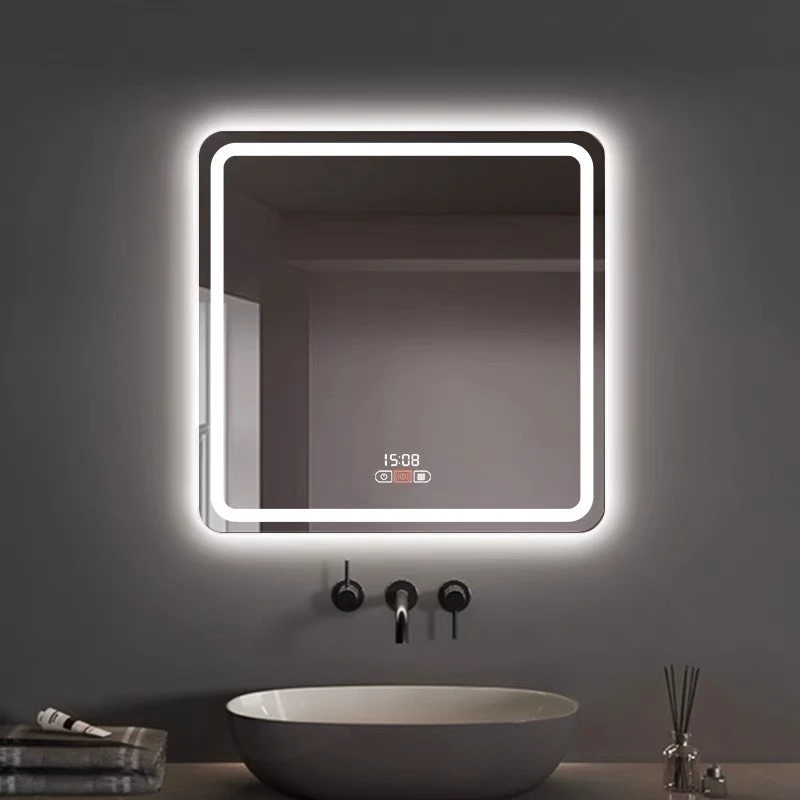
Advanced Glass Solutions for Zambia: High-Performance reflective glass

Providing cutting-edge deep-processed glass engineering to meet the architectural and industrial demands of the Zambian market.

Advanced Glass Solutions for Zambia: High-Performance reflective glass

Integrating premium materials like clear float glass and safety-engineered solutions to enhance Zambia's urban infrastructure.

The Current State of Glass Processing in Zambia

Analyzing the intersection of climatic challenges and construction growth in Lusaka and the Copperbelt.

Zambia's construction sector is experiencing a transition toward modern facades. However, the intense solar radiation and high temperature fluctuations in the region place immense stress on standard glazing. There is a growing demand for reflective glass to reduce heat gain in commercial buildings, lowering reliance on energy-intensive HVAC systems.

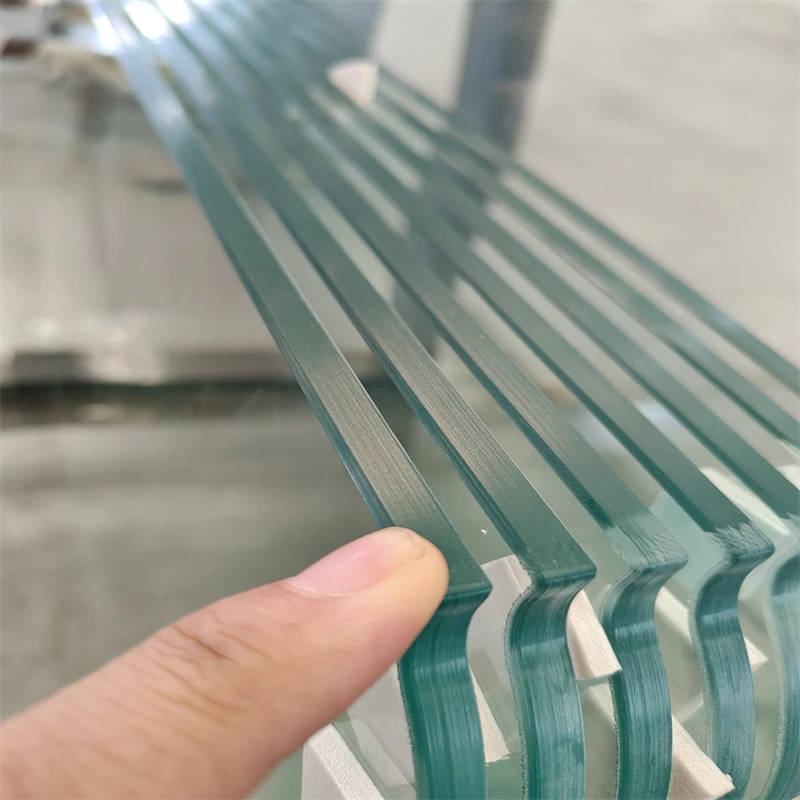
Currently, the market relies heavily on imports for specialized deep-processing. While basic clear float glass is available, there is a significant gap in the availability of high-spec tempered laminated glass, which is essential for safety and security in public infrastructure and residential high-rises.

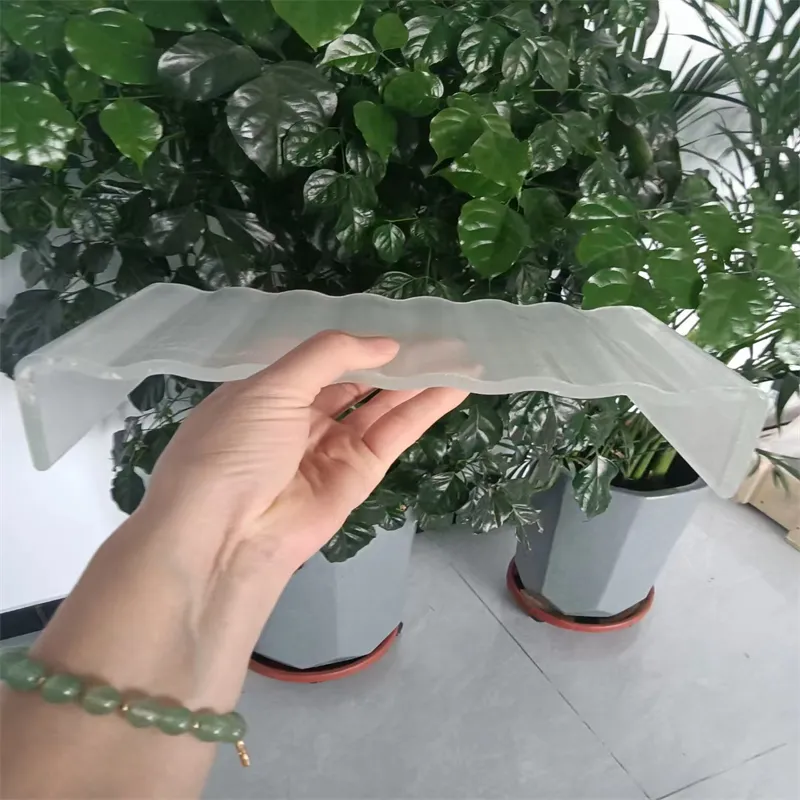
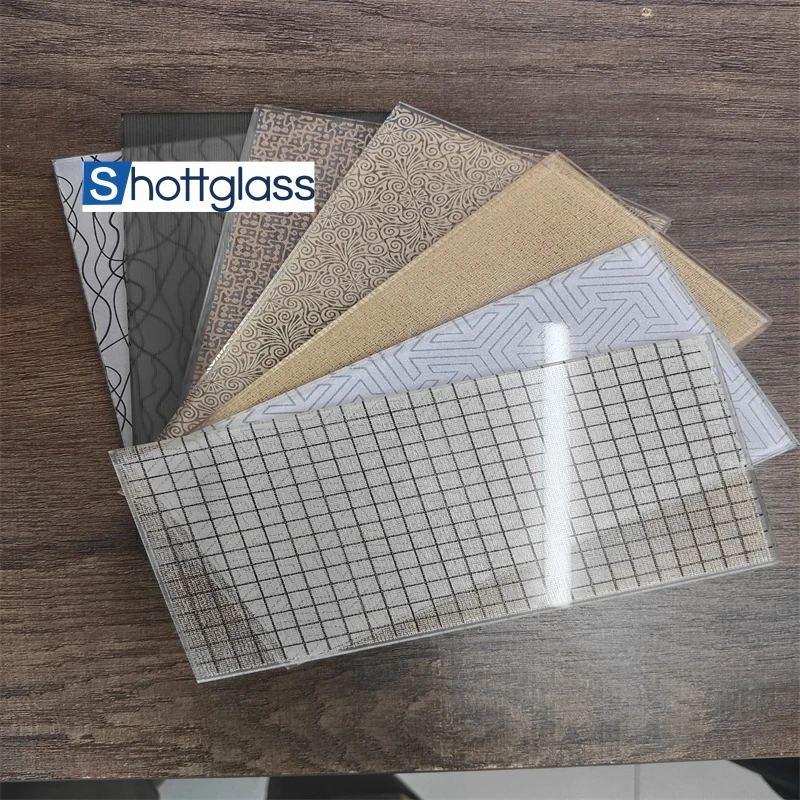
Furthermore, the rise of luxury hospitality and corporate offices in urban centers has sparked interest in aesthetic yet functional solutions. This includes acid etched glass for interior privacy and high-end partitioning, moving the industry away from simple utility toward architectural sophistication.
Evolution and Trajectory of Glass Technology

From basic glazing to intelligent, multi-functional glass surfaces.

Market Development History

In the early 2000s, the Zambian market was dominated by single-pane clear glass, primarily focusing on basic visibility and shelter. The primary technical focus was on basic cutting and polishing of clear float glass.

Between 2010 and 2020, there was a shift toward safety. The introduction of heat-strengthening and tempering processes allowed for the adoption of tempered laminated glass in commercial malls and airports, reducing injury risks during glass breakage.

From 2021 to the present, the focus has shifted to energy efficiency and optical clarity. The adoption of ar glass (Anti-Reflective) has begun to appear in high-tech installations and luxury showrooms to eliminate glare and improve light transmission.

Future Development Trends

Integration of Smart Coatings

The next 3 years will see a surge in electrochromic and thermochromic coatings that adjust transparency based on Zambia's sunlight intensity.

Sustainable Low-E Evolution

Transitioning from standard reflective surfaces to advanced Low-E coatings to achieve net-zero energy goals in new government projects.

High-Security Lamination

Increased implementation of multi-layer ionoplast interlayers for blast-resistant and high-security installations in financial districts.

Industry Trends & Future Outlook

Strategic forecasts for the deep-processed glass sector in the Southern African region.

Energy-Efficient Facades
Rising demand for solar-control glass to combat tropical heat and reduce carbon footprints.
Urbanization Surge
Rapid growth in Lusaka's commercial skyline increasing the need for high-strength safety glass.
Optical Precision
Increased use of ar glass in specialized industrial displays and museum galleries.
Aesthetic Customization
Shift toward acid etched glass for frosted privacy and interior design.

Industry Outlook

Based on Google search trends for sustainable architecture in Africa, there is a clear spike in queries regarding "thermal insulation" and "UV protection." This indicates that the Zambian market is moving away from simple aesthetics toward high-performance glass that directly impacts operational costs.

We predict that the integration of safety and efficiency will become the standard. The combination of tempering, lamination, and reflective coatings will dominate the B2B procurement cycle for the next five years as Zambia continues its infrastructure modernization.

Local Application Scenarios in Zambia

Tailored glass implementations for the Zambian environment.

01. Commercial Skyscrapers in Lusaka

Utilizing high-performance reflective glass to minimize heat absorption while maintaining a prestigious modern appearance for corporate headquarters.

02. Luxury Lodges in Livingstone

Implementing large-scale tempered laminated glass for panoramic views of the Victoria Falls, ensuring maximum safety without compromising visual clarity.

03. Industrial Mining Facilities

Installation of heavy-duty safety glass and specialized clear float glass for control rooms and observation decks in the Copperbelt region.

04. High-End Retail Showrooms

Using ar glass for luxury display cases and storefronts to eliminate internal reflections and showcase products with absolute clarity.

05. Modern Interior Office Partitions

Application of acid etched glass to create professional, frosted boundaries in open-plan offices, balancing light flow with acoustic and visual privacy.

Brand Story

Global Development History of Shahe City Xiaote Glass Co., Ltd.

Foundational Excellence

Established with a vision to master the art of glass deep-processing, focusing on the purity and stability of raw float glass production.

Technological Expansion

Invested in advanced tempering and lamination lines to solve the industry pain point of fragility in large-format architectural glass.

Global Quality Certification

Achieved international standards for safety and optical quality, enabling the brand to enter the rigorous European and African markets.

Innovation in Coatings

Developed proprietary etching and anti-reflective techniques to provide customized aesthetic solutions for global architects.

Sustainable Future

Committed to green manufacturing, reducing energy consumption in the tempering process to support global carbon neutrality.

Complete Glass Product Portfolio for Zambia

A comprehensive range of processed glass designed for durability and efficiency in the Zambian climate.

Zambian Market FAQ

Addressing common technical and logistical queries for deep-processed glass.

How does reflective glass reduce energy costs in Lusaka?

By reflecting a significant portion of solar infrared radiation, it prevents heat from entering the building, thereby reducing the load on air conditioning systems during hot Zambian summers.

What are the safety benefits of tempered laminated glass for public spaces?

Unlike standard glass, tempered laminated glass stays intact when broken, holding the shards together with an interlayer to prevent injuries and maintain security.

Is acid etched glass suitable for humid environments in Zambia?

Yes, the chemical etching process permanently alters the glass surface, making it resistant to peeling or degradation caused by humidity and temperature shifts.

Can ar glass be used for outdoor signage in high-glare areas?

Yes, anti-reflective (AR) glass is designed to minimize surface reflections, ensuring that information is clearly visible even under direct sunlight.

What is the lead time for custom clear float glass orders to Zambia?

Lead times depend on the volume and processing requirements, but we optimize logistics to ensure efficient delivery to Zambian ports and inland hubs.

How should tempered laminated glass be maintained in dusty regions?

Simple cleaning with non-abrasive detergents and soft cloths is recommended to avoid scratching the surface while removing particulate matter common in industrial zones.

Ready to Elevate Your Project?

Contact our technical experts for tailored deep-processed glass solutions delivered across Zambia.

Contact Us Now

If you are interested in our products, you can choose to leave your information here, and we will be in touch with you shortly.