
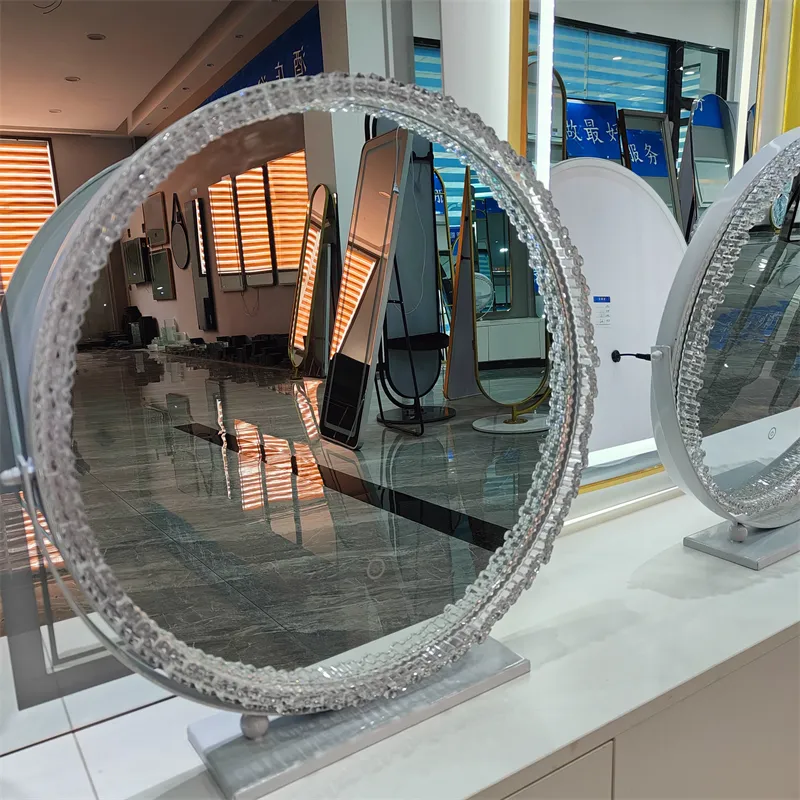
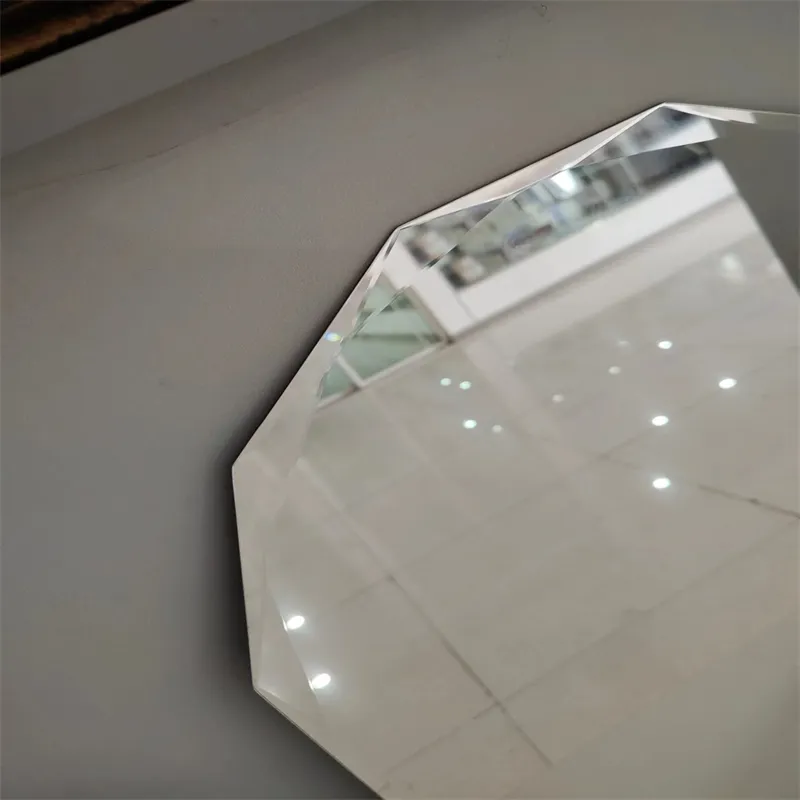
Advanced Glass Solutions for South Africa: High-Performance reflective glass

Engineering durable, energy-efficient, and aesthetically superior deep-processed glass tailored for the Southern African architectural landscape.

Advanced Glass Solutions for South Africa: High-Performance reflective glass

Providing a comprehensive range of technical glass products, from basic clear float glass to high-security tempered laminated glass, designed to withstand the intense solar radiation and diverse climatic conditions of South Africa.

The State of Glass Processing in South Africa

Navigating the challenges of extreme UV exposure and rapid urbanization in the SADC region.

South Africa's glass industry is currently defined by a critical need for thermal management. Given the high solar heat gain in cities like Johannesburg and Durban, there is a soaring demand for reflective glass to reduce HVAC energy consumption in commercial skyscrapers.

The local market is shifting from simple glazing to high-value deep processing. The rise of modern infrastructure projects requires materials like acid etched glass for privacy and interior design, blending industrial functionality with a luxury aesthetic.

Economic volatility and energy instability (load shedding) have pushed local manufacturers toward leaner, more automated production lines to maintain the quality of tempered laminated glass while reducing operational waste.
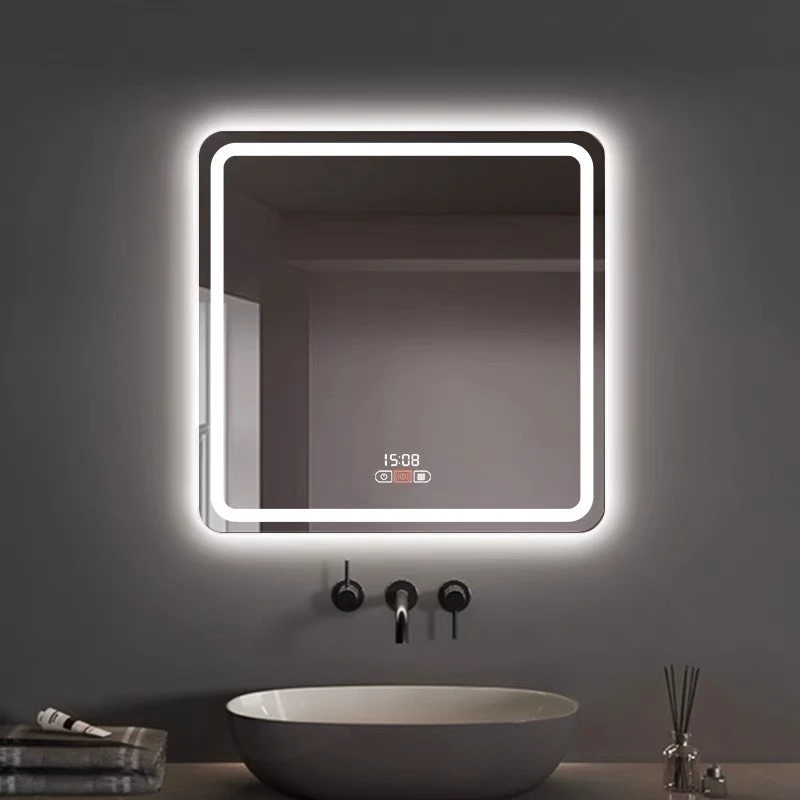
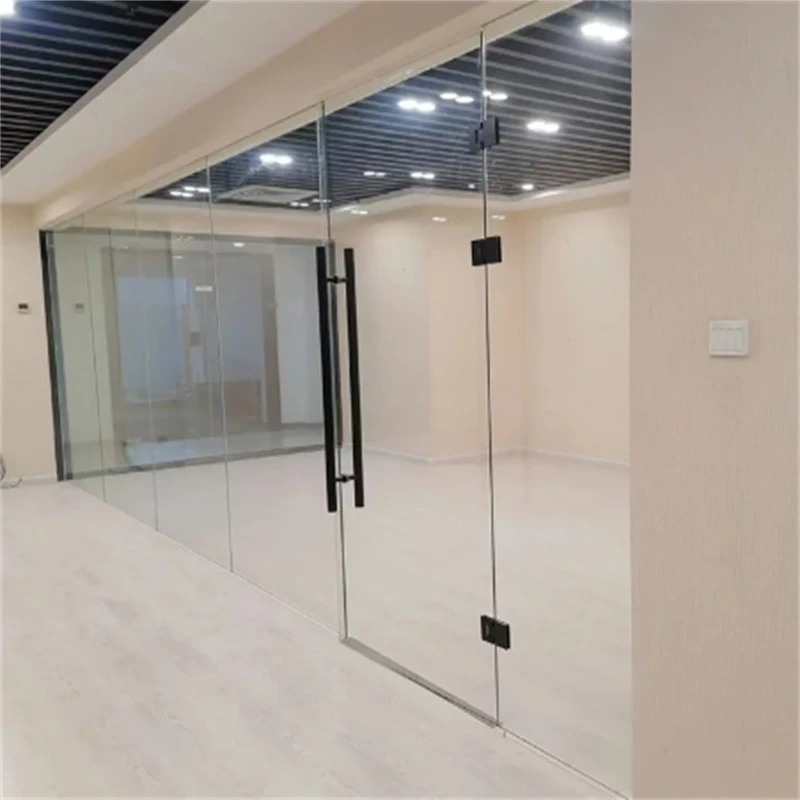
Evolution of Glass Technology in South Africa

From traditional float processes to intelligent, multi-functional glass coatings.

Market Development History

Historically, the South African market relied heavily on standard clear float glass for basic residential needs during the mid-20th century, focusing primarily on transparency and basic protection.

Between 2000 and 2015, the industry pivoted toward safety and energy efficiency. The adoption of tempering and laminating technologies surged, making tempered laminated glass the standard for high-traffic public spaces and security-conscious installations.

In the last decade, the "Smart Glass" era has emerged. The introduction of ar glass (Anti-Reflective) has revolutionized the high-end retail and museum sectors in Cape Town and Pretoria, optimizing light transmission.

Future Development Trends

Integration of Dynamic Solar Control

The market will move toward active coatings that adjust transparency based on the South African sun's intensity, evolving beyond static reflective solutions.

Sustainable Circular Manufacturing

A shift toward 100% recyclable cullet integration in the production of float glass to meet strict new green building certifications (LEED/EDGE) in South Africa.

Advanced Surface Engineering

Increased utilization of acid etched glass for integrated smart-home interfaces and antimicrobial surfaces in healthcare facilities.

Industry Trends and Future Outlook

Analyzing the trajectory of deep-processed glass through data-driven projections.

Energy Efficiency Mandates
Rising energy costs in South Africa are driving a 20% year-on-year increase in demand for low-E and reflective glass coatings.
Security-Centric Design
Enhanced safety requirements for commercial hubs are prioritizing the use of high-impact tempered laminated solutions.
Aesthetic Customization
A surge in luxury residential projects is increasing the specifications for custom acid-etched and frosted glass finishes.
Optical Precision
Demand for ar glass is expanding from specialized labs to high-end consumer electronic displays locally.

Industry Outlook

Over the next 3-5 years, the South African glass market will likely converge toward "intelligent skins." Google search trends indicate a rising interest in "sustainable glazing" and "heat-reducing windows," signaling a move toward multi-layered coatings that combine the properties of reflective and anti-reflective technologies.

Furthermore, the industrialization of the Northern Cape's solar parks will create a secondary demand for high-transmittance technical glass, pushing the local supply chain toward higher purity standards and more rigorous quality control in deep processing.

Localized Application Scenarios in South Africa

Real-world implementations of technical glass across various South African sectors.

01. Sandton Corporate High-Rises

Utilization of high-performance reflective glass to mitigate the intense Gauteng sun, reducing internal temperatures and energy costs for Grade-A office spaces.

02. Cape Town Waterfront Retail

Installation of ar glass for luxury storefronts to eliminate glare from the ocean's reflection, ensuring merchandise is visible under all lighting conditions.

03. Johannesburg Public Infrastructure

Deployment of tempered laminated glass in transit hubs and government buildings to ensure maximum public safety and resistance to impact.

04. Durban Hospitality & Spas

Application of acid etched glass for partitions in high-end resorts, providing the necessary privacy while maintaining a soft, diffused light environment.

05. Residential Solar Integration

Combining clear float glass with specialized photovoltaic layers for eco-friendly housing projects in the Western Cape.

Brand Story

Global Development Journey of Shahe City Xiaote Glass Co., Ltd.

Foundational Excellence

Established with a vision to redefine precision in glass processing, focusing on the fundamental quality of float glass production.

Technological Pivot

Invested in advanced tempering and laminating lines to solve the pain point of fragile glass in industrial applications.

Global Expansion

Expanded reach into the African market, specifically South Africa, adapting products to meet extreme climatic challenges.

Innovation Leadership

Pioneered the integration of AR and acid-etching techniques to serve the luxury architectural and tech sectors globally.

Sustainable Future

Committed to carbon-neutral manufacturing and the delivery of energy-saving glass solutions for a greener planet.

Complete Product Portfolio for the South African Market

A tailored selection of deep-processed glass designed for durability and efficiency.

South Africa Glass Industry FAQ

Expert answers to common technical questions regarding glass specification in the region.

Which is better for South African heat: reflective glass or tinted glass?

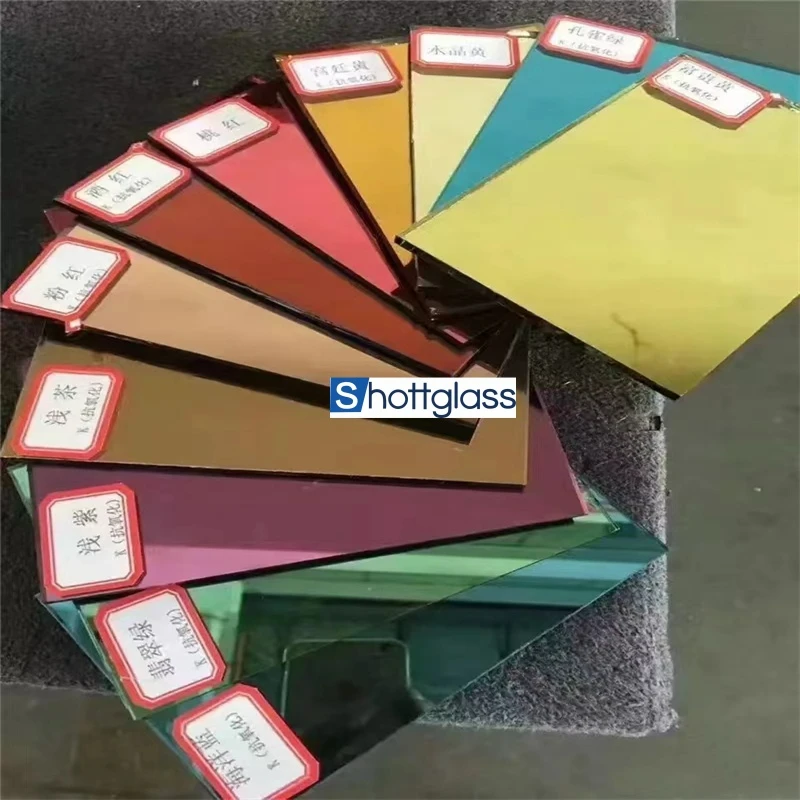
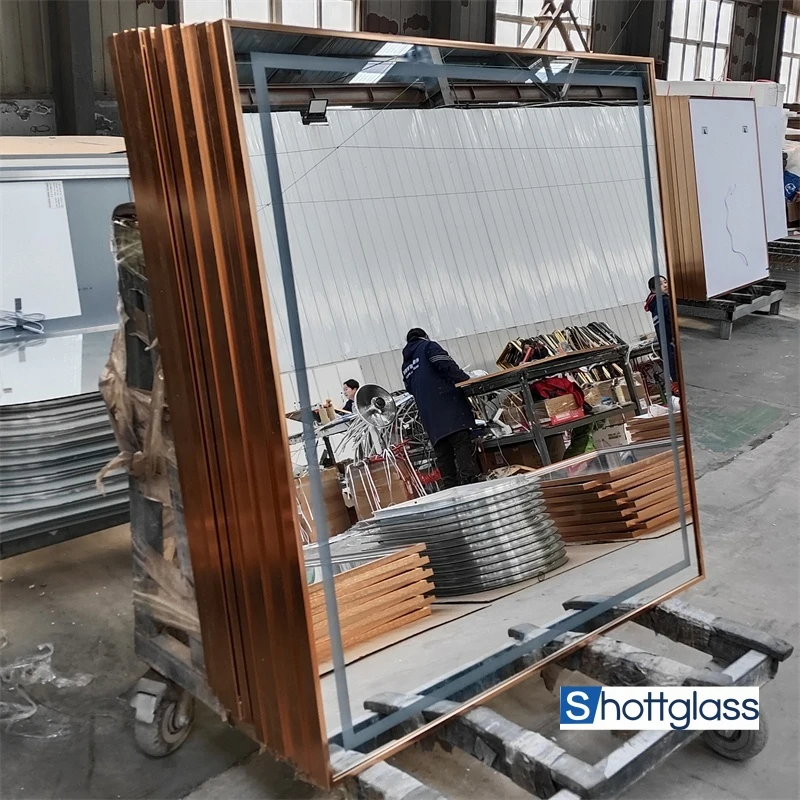
Reflective glass is generally superior for the South African climate as it reflects a significant portion of solar radiation away from the building, whereas tinted glass absorbs heat, which can eventually radiate indoors.

Does tempered laminated glass provide better security for Gauteng commercial zones?

Yes, the combination of tempering for strength and lamination for fragmentation control makes it the ideal choice for high-security areas, preventing easy break-ins and ensuring safety upon failure.

How does ar glass improve visibility in retail displays in Cape Town?

Anti-reflective (AR) glass reduces the surface reflection of light, allowing more light to pass through and reducing the "mirror effect," which is crucial in bright, coastal environments.

Is acid etched glass suitable for humid environments like Durban?

Absolutely. Acid-etched glass is chemically bonded to the surface, making it highly resistant to humidity and corrosion compared to traditional sandblasted glass.

Can clear float glass be upgraded to energy-efficient glass locally?

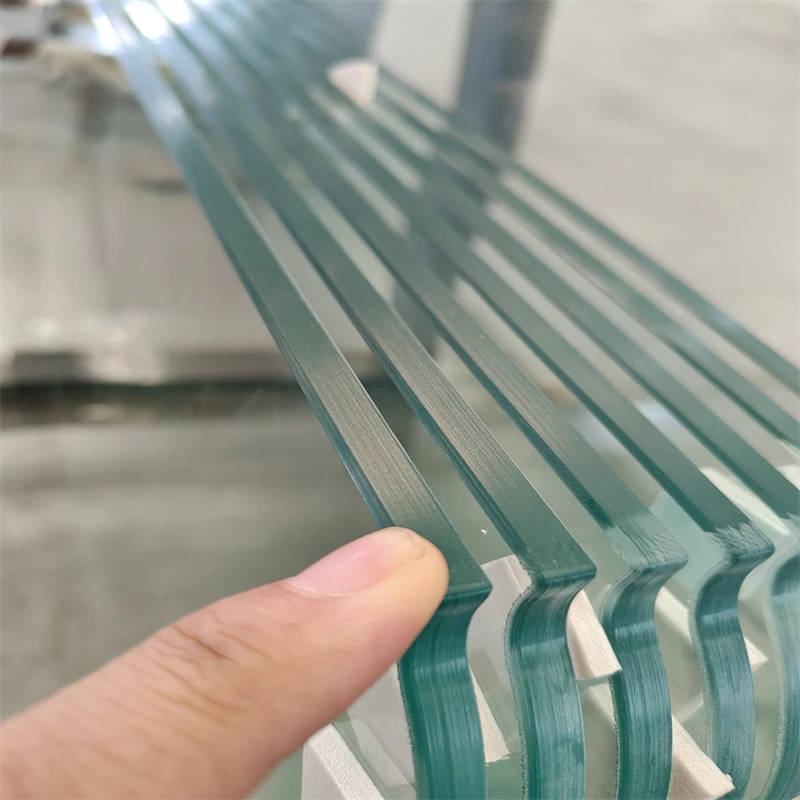
Clear float glass serves as the substrate. It can be upgraded through deep-processing techniques such as adding Low-E coatings or converting it into insulated glass units (IGUs).

What are the maintenance requirements for reflective glass in dusty areas?

Regular cleaning with non-abrasive solutions is recommended. In dusty regions of South Africa, removing particulate matter prevents surface scratching and maintains the optimal solar reflection coefficient.

Ready to Optimize Your Project?

Contact our technical experts for customized glass solutions tailored to the specific environmental needs of South Africa.

Contact Us Now

If you are interested in our products, you can choose to leave your information here, and we will be in touch with you shortly.