
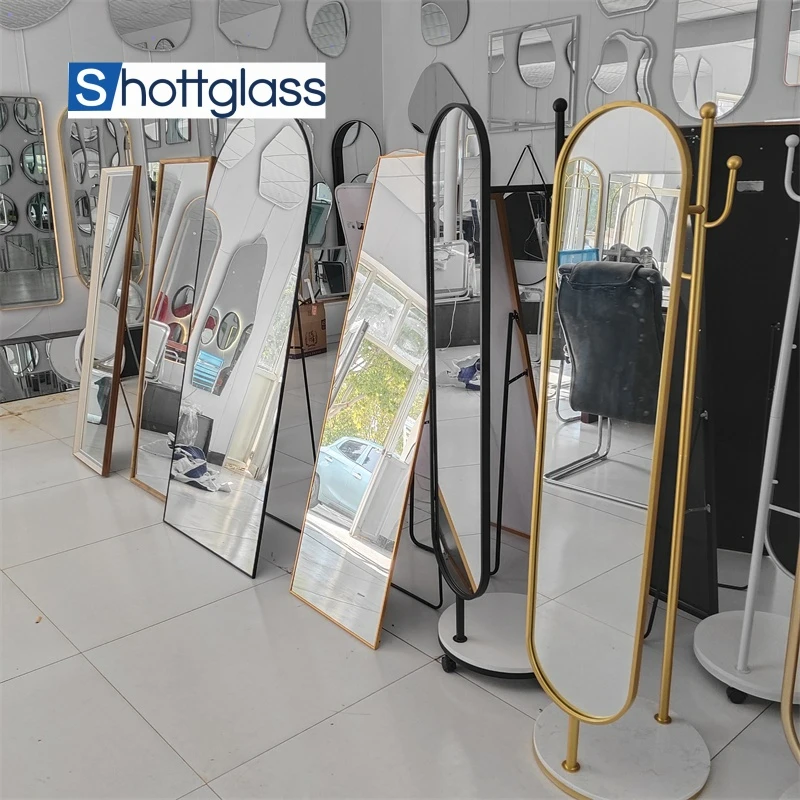
Advanced Architectural Reflective Glass Solutions for Spain

Integrating high-performance thermal control and aesthetic brilliance for the Iberian Peninsula's modern urban landscapes.

Advanced Architectural Reflective Glass Solutions for Spain

Specializing in deep-processed technical glass that balances Spain's intense solar radiation with the demand for contemporary architectural transparency.

Current State of Technical Glass in Spain

Adapting to Mediterranean climates through material innovation.

Spain's construction sector faces a unique challenge: the extreme contrast between the humid Atlantic coast and the arid interior. This has led to a massive surge in demand for reflective glass to mitigate the "heat island" effect in cities like Madrid and Barcelona, where energy efficiency regulations (CTE) are becoming increasingly stringent.

The market is shifting away from basic glazing toward high-value-added products. Architects are now prioritizing tempered laminated glass for high-traffic public spaces to ensure maximum safety and structural integrity against thermal stress caused by rapid temperature fluctuations.

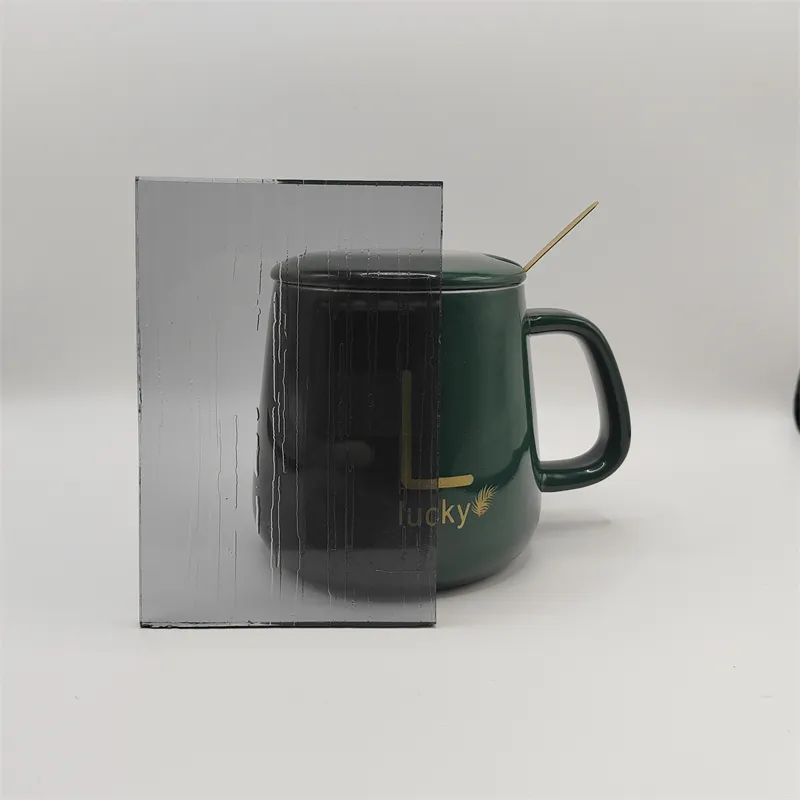
Furthermore, the growth of the luxury hospitality sector in the Balearic and Canary Islands has catalyzed the use of acid etched glass for privacy screens and interior partitions, blending Spanish minimalism with functional technical specifications.
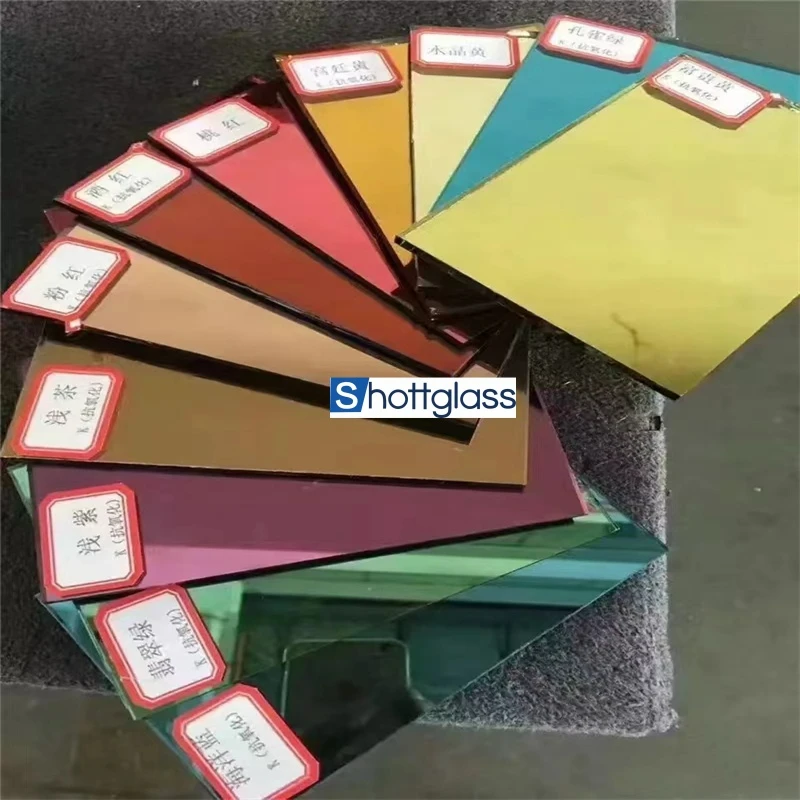
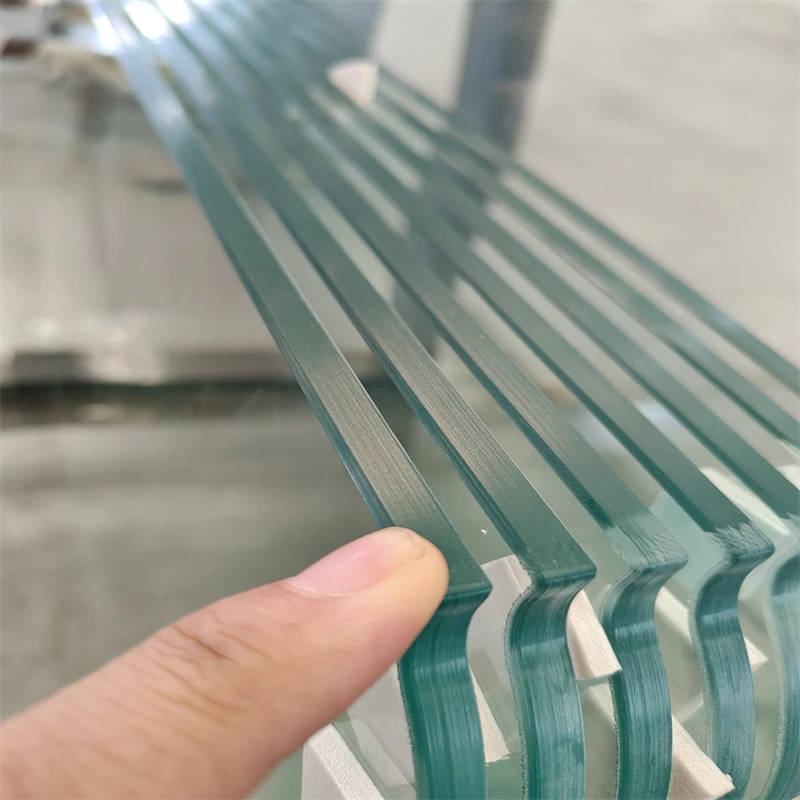
Evolution and Technical Trajectory

From basic float glass to smart optical coatings.

Market Development History

In the early 2000s, the Spanish market relied heavily on standard clear float glass for most commercial projects, which offered basic transparency but poor thermal insulation for the Mediterranean summer.

Between 2010 and 2020, the industry transitioned toward "Active Thermal Control." This era saw the widespread adoption of hard-coated reflective layers and the integration of tempering processes to handle wind loads in coastal regions.

From 2021 onwards, the focus shifted to "Optical Precision." The introduction of ar glass (Anti-Reflective) began appearing in high-end museum displays and sustainable corporate headquarters to maximize natural light while eliminating glare.

Future Development Trends

Dynamic Solar Modulation

The next 3 years will see a move toward electrochromic glass that adjusts transparency based on the Spanish sun's position, reducing HVAC reliance.

Eco-Circular Processing

Integration of post-consumer recycled cullet into the production of float glass to meet the EU's Green Deal circular economy targets.

Advanced Hybrid Laminates

Combining acoustic PVB interlayers with tempered safety glass to create silent urban sanctuaries in dense Spanish city centers.

Industry Trends and Future Outlook

Analyzing the shift toward sustainable, high-tech glazing solutions.

Net-Zero Carbon Glazing
Reducing the embodied carbon in the manufacturing of float glass to align with Spain's carbon neutrality goals.
Anti-Reflective Precision
Increased adoption of ar glass for high-tech interfaces and sustainable daylighting systems.
IoT Integrated Glass
Integrating sensors into laminated layers for smart building management in Spanish commercial hubs.
Thermal Stress Optimization
Advanced tempering algorithms to prevent breakage in the extreme heat of Southern Spain.

Industry Outlook

Based on Google search trends in the Mediterranean region, there is a growing intersection between "Sustainability" and "Technical Glass." Search queries for energy-saving facades are increasing, signaling a shift toward glass that does more than just divide space—it must actively manage energy.

The future of the Spanish market lies in the convergence of safety and aesthetics. We expect a 15% increase in the adoption of hybrid products that combine the matte finish of acid etched glass with the structural strength of tempered laminates for high-end interior architecture.

Localized Application Scenarios in Spain

Real-world deployments of technical glass in the Spanish environment.

1. Coastal Villa Solar Shielding

Using high-performance reflective glass in Costa del Sol residences to block intense UV rays while maintaining an unobstructed view of the Mediterranean.

2. Madrid Corporate Facades

Implementing tempered laminated glass in skyscraper districts to ensure safety and acoustic insulation against the noise of the capital's traffic.

3. Barcelona Museum Display Cases

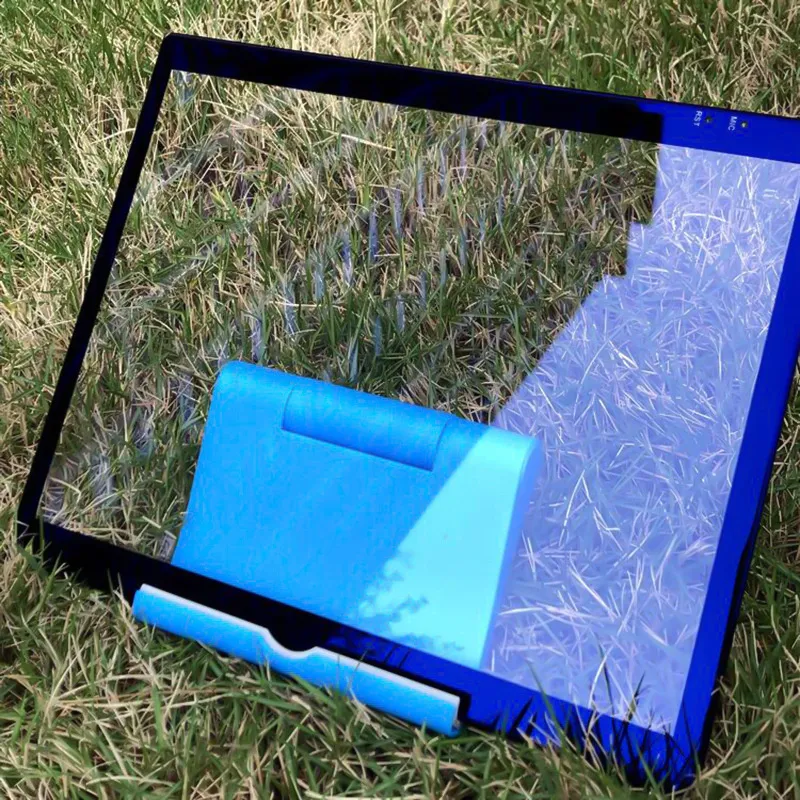
Deploying ar glass for the exhibit of Gaudí-inspired art, eliminating reflections for visitors and protecting artifacts from light damage.

4. Andalusian Luxury Spa Partitions

Integrating acid etched glass in high-end wellness centers to create a soft, diffused lighting environment that ensures guest privacy.

5. Industrial Greenhouse Infrastructure

Utilizing premium clear float glass for specialized agriculture in Almería to maximize photosynthetically active radiation (PAR) for crop yield.

Brand Story

Global Development Journey of Shahe City Xiaote Glass Co., Ltd.

Industrial Foundations

Established with a mission to master the core chemistry of float glass, focusing on purity and structural stability for the global market.

Technological Leap

Invested in advanced tempering and laminating lines to solve the industry pain point of spontaneous breakage in high-stress environments.

Global Expansion

Expanded operations to serve the European market, specifically adapting product specs to meet strict EU safety and energy standards.

Precision Engineering

Pioneered specialized coatings including anti-reflective and acid-etching processes to cater to the luxury architectural segment.

Sustainable Future

Committed to the "Green Glass" initiative, reducing energy consumption during the deep-processing phase for a sustainable planet.

Comprehensive Technical Glass Portfolio for Spain

Our curated selection of high-performance glazing solutions tailored for the Spanish market.

Technical Glass FAQ for the Spanish Market

Expert answers to common queries regarding deep-processed glass.

Which is better for Spain's heat: reflective glass or clear float glass?

For the Spanish climate, reflective glass is significantly better as it reflects a large portion of solar radiation, reducing indoor temperatures and energy costs, whereas clear float glass allows most heat to penetrate.

Is tempered laminated glass required for balconies in Madrid?

Yes, according to Spanish safety regulations (CTE), glass railings must be safety-processed. Tempered laminated glass is the gold standard as it remains intact even if shattered.

How does ar glass improve visibility in museum exhibits?

Anti-reflective (ar glass) uses a microscopic coating to reduce the refractive index, eliminating the "mirror effect" and allowing the viewer to see the object without distracting glare.

Can acid etched glass be cleaned easily in humid coastal areas?

Yes, acid etched glass is highly durable. While it has a matte texture, it can be cleaned with standard non-abrasive cleaners, making it ideal for humid environments like the Costa Brava.

What are the lead times for custom reflective glass orders to Spain?

Lead times vary based on the complexity of the deep-processing (tempering, laminating), but we typically ensure streamlined logistics for the Iberian Peninsula to meet project deadlines.

Does tempered laminated glass provide acoustic insulation?

Yes, the PVB or EVA interlayer used in laminated glass acts as a sound dampener, making it an excellent choice for reducing urban noise in Spanish city centers.

Get an Expert Technical Consultation

Ready to elevate your project with high-performance glass? Our engineers are ready to support your vision in Spain.

Contact Us Now

If you are interested in our products, you can choose to leave your information here, and we will be in touch with you shortly.