

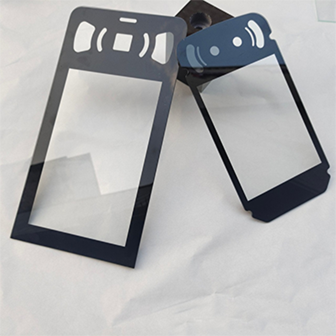
Custom AG AntiGlare and AR AntiReflective Glass Factory Leading China Suppliers
Enhance visual clarity and eliminate distracting reflections with our premium AG (Anti-Glare) and AR (Anti-Reflective) glass solutions. Engineered for high-performance environments, these specialized glass products are designed to optimize light transmission and reduce surface glare, ensuring a superior viewing experience for professional displays and artistic installations.
Whether you require the diffused surface of chemical-etched AG glass for screens and photo frames or the high-transparency magnetron sputtering technology of AR glass, our manufacturing process guarantees precision. We provide fully customizable options to meet strict technical specifications, balancing durability with optical excellence.
Detailed Parameters
| Product Types | AG Glass & AR Glass | Production Method | Chemical Etching (AG) / Magnetron Sputtering (AR) |
|---|---|---|---|
| Thickness Range | 1.3mm - 10mm | Maximum Dimensions | 2000mm 2800mm |
| Customization | Available on request | Optical Effect | Anti-Glare / Anti-Reflective |
| Primary Applications | Monitors, Screens, Photo Frames | Surface Quality | Uniform & Precision Finished |
| Material Grade | High-Quality Technical Glass | Compatibility | Deep Processing Glass Standards |
Key Advantages
Glare Reduction
Effectively minimizes reflections and distracting highlights for clearer visibility.
Enhanced Durability
High-strength glass construction resistant to wear and environmental stress.
Optical Precision
Utilizes magnetron sputtering for AR glass to ensure maximum light transmission.
Screen Optimization
Ideal for monitors and digital screens to reduce eye fatigue during prolonged use.
Visual Clarity
Maintains high image contrast and color accuracy without distortion.
Bespoke Sizing
Fully customizable thickness and dimensions up to 20002800mm.
Product Gallery
Management Platforms
Inventory Control
Real-time tracking of raw technical glass and finished AG/AR stock.
Production Scheduling
Optimized workflows for chemical etching and sputtering processes.
Quality Assurance
Rigorous inspection stages to ensure zero-defect optical surfaces.
Custom Order Tracking
Direct monitoring of bespoke size and thickness requirements.
Logistics Management
Secure packaging solutions for large-format fragile glass sheets.
Technical Support
Expert guidance on selecting between AG and AR for specific industries.
Investment Return Comparison
| Performance Metric | Standard Glass | AG/AR Glass | Business Impact |
|---|---|---|---|
| Light Reflection | High (Distracting) | Ultra-Low | Increased User Comfort |
| Visual Contrast | Moderate | High Definition | Premium Product Value |
| Eye Fatigue | Significant | Minimally Reduced | Better UX / Health |
| Durability | Basic | Enhanced Surface | Lower Replacement Rate |
| Market Positioning | Commodity | Specialized/High-End | Higher Profit Margins |
Frequently Asked Questions
AG (Anti-Glare) glass uses chemical etching to create a matte surface that diffuses light, while AR (Anti-Reflective) glass uses magnetron sputtering to apply coatings that allow more light to pass through without reflecting.
Yes, we support customized dimensions up to 2000mm x 2800mm and thickness ranging from 1.3mm to 10mm to suit your specific project needs.
AG glass is typically preferred for outdoor signage as it effectively diffuses direct sunlight, preventing "mirror effects" and ensuring readability in bright environments.
Absolutely. AR glass is the ideal choice for museums because it provides nearly invisible protection, allowing the viewer to see the artwork without any surface reflections.
Chemical etching creates a precise, microscopic texture on the glass surface. This ensures a consistent matte finish that scatters light evenly without compromising the structural integrity of the glass.
As a specialist in deep processing glass, we can integrate tempering processes to increase the strength and safety of our AG and AR products.
Ready to Optimize Your Visual Display Quality?
Contact Us-
 16Apr
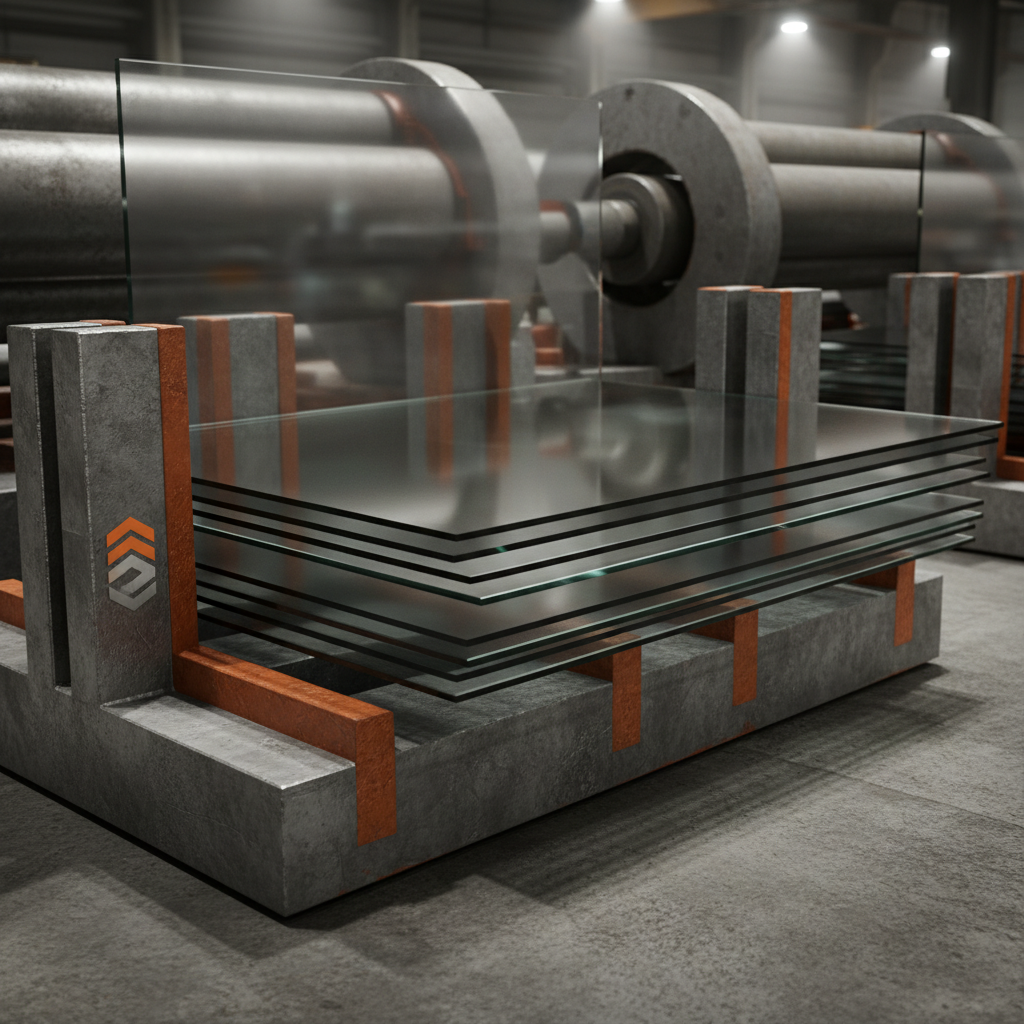
16AprPremium High Quality Float Glass for Sale and Glass Solutions
When sourcing materials for modern architecture or interior design, finding reliable float glass for sale is essential for achieving both aesthetic brilliance and structural integrity. Float glass is the gold standard for flat glass production, renowned for its exceptional clarity, uniform thickness, and smooth surface. Whether you are a contractor, a furniture manufacturer, or a homeowner, understanding the nuances of this material ensures you get the best value for your investment. In this guide, we will explore everything from technical specifications to the best ways to source high-grade glass for your next project.
learn more -
 09Apr
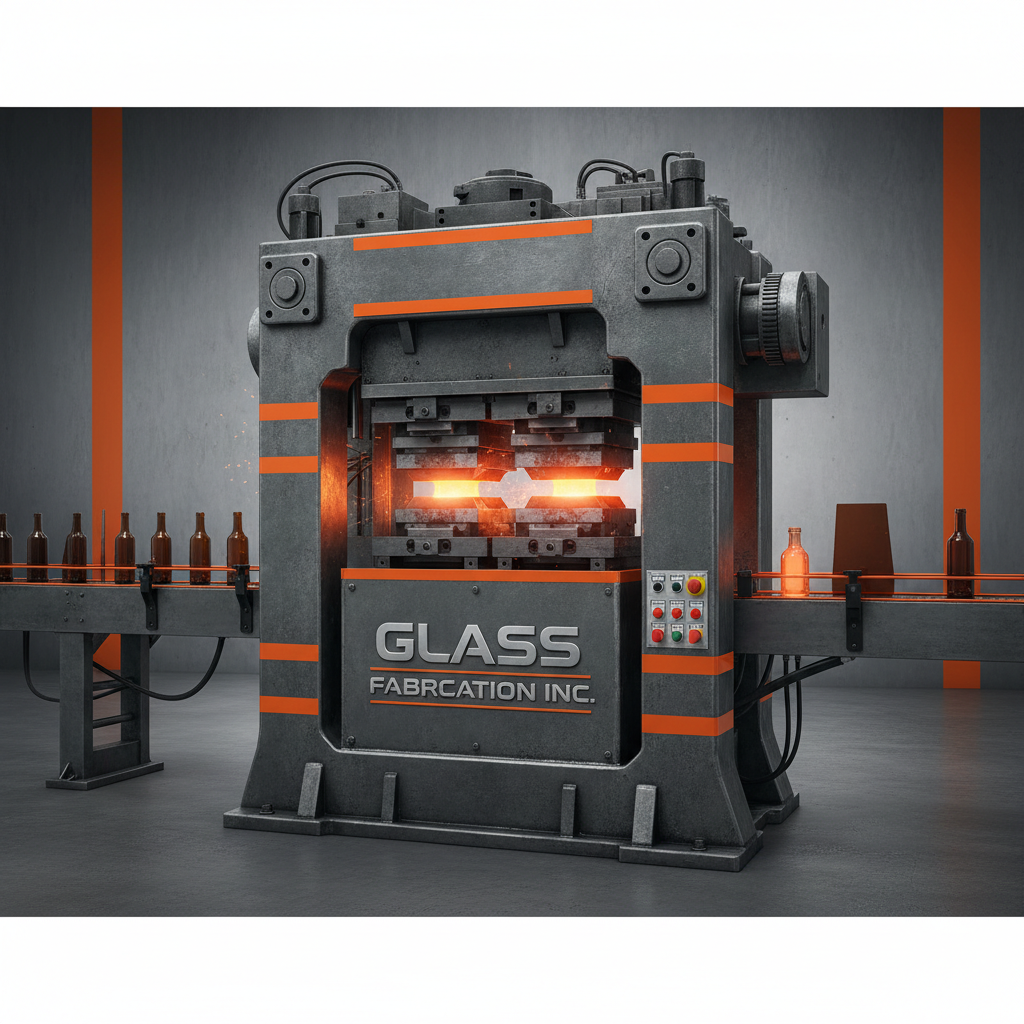
09AprGuide to Choosing a Professional glass fabrication inc for Projects
Finding a reliable glass fabrication inc is essential for any project that requires precision, safety, and aesthetic excellence. Whether you are an architect designing a modern skyscraper, a contractor renovating a luxury home, or a business owner upgrading commercial storefronts, the quality of glass fabrication determines the longevity and safety of the structure. Modern glass processing has evolved beyond simple cutting, now incorporating advanced tempering, frosting, and insulating technologies. In this guide, we will explore the critical factors in glass fabrication and how to partner with a manufacturer that ensures industrial-grade quality and flawless execution.
learn more -
 07Apr
07AprComprehensive Guide to Custom Glass Fabrication and its Diverse Applications
When it comes to specialized projects, custom glass fabrication is often the only solution. Whether it's for architectural designs, unique furniture pieces, or specialized industrial applications, tailored glasswork offers precision and aesthetic appeal. This article delves into the world of custom glass fabrication, exploring its processes, applications, and the benefits of choosing a dedicated provider like Mirror Glass Factory.
learn more


