
Apr . 04, 2026 03:27 Back to list
Comprehensive Guide to Selecting the Best Glass Fabrication Companies
Finding the Right Partner: A Guide to Glass Fabrication Companies
Sourcing high-quality glass components is critical for a wide array of industries, from construction and automotive to interior design and renewable energy. Choosing the right glass fabrication companies can significantly impact project timelines, costs, and the final product’s overall quality. This article will delve into the factors to consider when selecting a glass fabricator, highlight key services offered, and provide insights into navigating the complexities of the glass supply chain. We aim to equip you with the knowledge to make informed decisions and build successful partnerships.
What Do Glass Fabrication Companies Do?
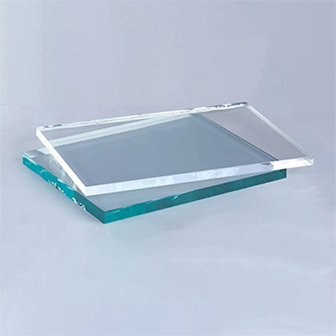
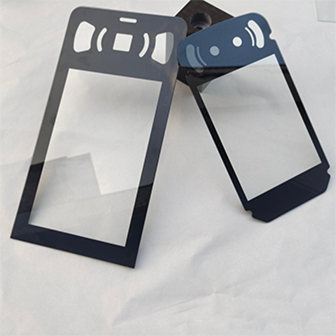
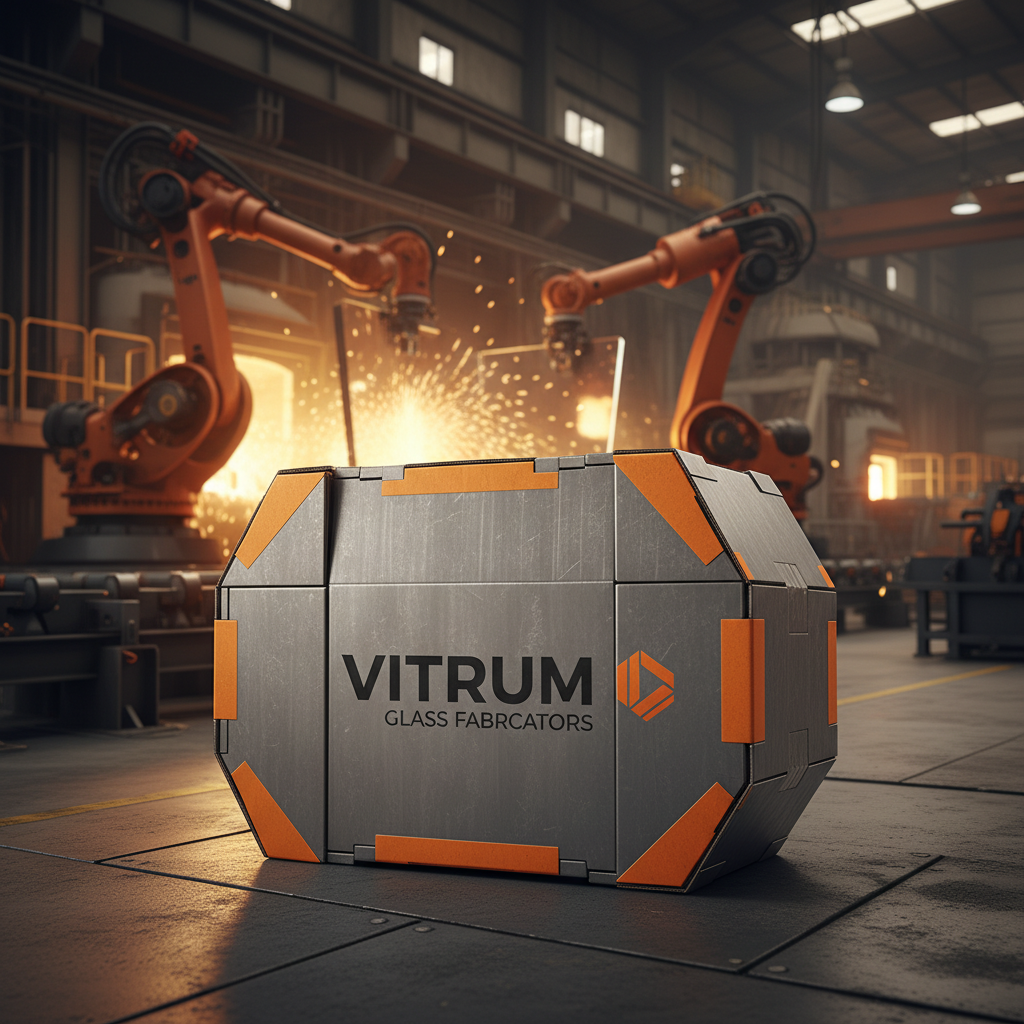
Glass fabrication isn't simply cutting glass sheets. It’s a comprehensive process that transforms raw glass materials into precisely engineered components. These companies offer a diverse range of services, including cutting, grinding, polishing, tempering, laminating, coating, and more. They work with various glass types – float glass, tempered glass, laminated glass, borosilicate glass, and specialized architectural glasses – to meet specific project requirements. Understanding the full spectrum of services a company offers is crucial for determining if they align with your needs. A full-service glass fabrication company can handle everything from simple cuts to complex, multi-layered assemblies.
Key Services Offered by Glass Fabrication Companies
The services offered vary widely. Here's a breakdown of common capabilities:
- Cutting: Precise cutting to custom sizes and shapes, using CNC machines or manual techniques.
- Grinding & Polishing: Smoothing edges and surfaces for safety and aesthetic appeal.
- Tempering: Heat treatment to increase glass strength and shatter resistance.
- Laminating: Bonding layers of glass with an interlayer for safety, security, and sound insulation.
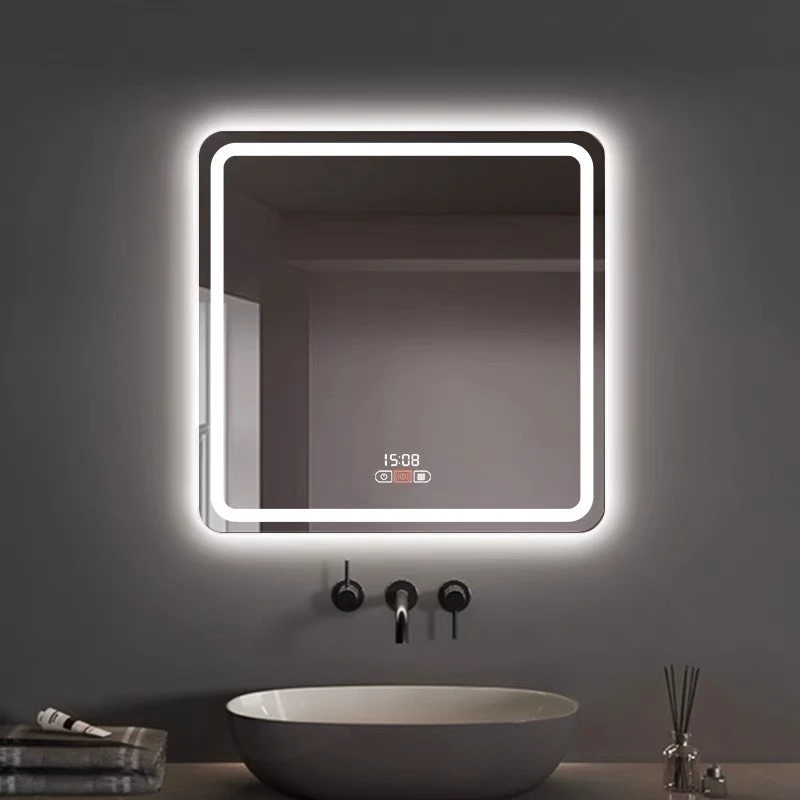
- Coating: Applying coatings for solar control, low-E performance, or decorative effects.
- Drilling & Notching: Creating holes and notches for fittings and installations.
- Beveling: Adding decorative beveled edges.
Choosing the Right Glass Fabrication Companies: Key Considerations
Selecting the best glass fabrication companies requires careful evaluation. Consider these factors:
- Capabilities & Equipment: Ensure they can handle your specific glass types and fabrication requirements.
- Quality Control: A robust quality control system is paramount for consistent results and minimizing defects.
- Lead Times: Assess their ability to meet your project deadlines.
- Pricing: Compare quotes from multiple vendors, but don’t solely base your decision on price.
- Communication & Customer Service: Effective communication is essential for a smooth collaboration.
- Certifications & Compliance: Verify they meet relevant industry standards and certifications (e.g., ISO 9001).
Glass Types and Fabrication Techniques Comparison
Different glass types require specific fabrication techniques. Here’s a comparison:
Navigating the Global Glass Supply Chain
The glass industry is increasingly globalized. Many fabrication companies source raw materials from overseas. Understanding this supply chain is important. Potential challenges include longer lead times, fluctuating material costs, and logistical complexities. Working with a reliable glass fabrication company with established supply chain relationships is key to mitigating these risks. They should be able to provide transparency into sourcing and offer solutions for potential disruptions.
Conclusion: Partnering for Success
Selecting the right glass fabrication companies is a strategic decision that impacts product quality, project timelines, and overall costs. By carefully evaluating capabilities, quality control processes, and supply chain management, you can build a strong partnership that drives success. Don’t hesitate to ask detailed questions, request samples, and conduct thorough due diligence before making a final decision.
Frequently Asked Questions (FAQs)
What is the typical lead time for custom glass fabrication?
Lead times vary depending on the complexity of the fabrication, the glass type, and the current workload of the company. Simple cuts might take a few days, while more intricate projects involving tempering, laminating, and coating could take several weeks. It’s crucial to discuss your project requirements and deadlines with the fabricator upfront to get an accurate estimate. Reputable glass fabrication companies will provide realistic timelines and keep you informed of any potential delays. Factors like material availability and shipping distance can also influence lead times.
Can glass fabrication companies work with architectural drawings?
Yes, most professional glass fabrication companies are equipped to work with architectural drawings, including CAD and other digital formats. They have the expertise to interpret these drawings and translate them into precise glass components. Providing clear and accurate drawings is essential to ensure accurate fabrication and avoid costly errors. They may also offer design assistance and value engineering suggestions to optimize the project for cost and performance.
What quality control measures do glass fabrication companies typically employ?
Reputable companies implement rigorous quality control measures throughout the fabrication process. This typically includes visual inspection for defects, dimensional checks to ensure accuracy, and testing for strength and safety. They may also use automated inspection systems to detect flaws and inconsistencies. A strong quality control system is vital for ensuring that the glass components meet the required specifications and performance standards. Look for companies with ISO 9001 certification or similar quality management systems.
What should I do if I receive damaged glass?
If you receive damaged glass, immediately document the damage with photos and notify the glass fabrication company. Most companies have a claims process for damaged goods. It’s important to retain the original packaging for inspection. The fabricator will typically investigate the damage and determine the appropriate course of action, which may include replacement of the damaged glass. A clear and prompt communication is key to resolving the issue efficiently.