
Apr . 16, 2026 03:20 Back to list
Premium High Quality Float Glass for Sale and Glass Solutions
Premium Float Glass for Sale: The Ultimate Guide to High-Quality Glass Solutions
When sourcing materials for modern architecture or interior design, finding reliable float glass for sale is essential for achieving both aesthetic brilliance and structural integrity. Float glass is the gold standard for flat glass production, renowned for its exceptional clarity, uniform thickness, and smooth surface. Whether you are a contractor, a furniture manufacturer, or a homeowner, understanding the nuances of this material ensures you get the best value for your investment. In this guide, we will explore everything from technical specifications to the best ways to source high-grade glass for your next project.

What Exactly is Float Glass and How is it Made?
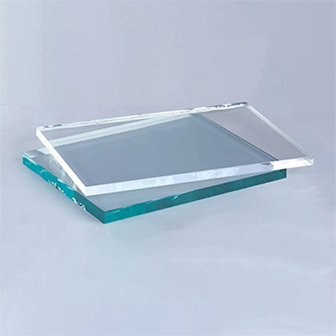
Float glass is produced using a specialized process where molten glass is poured onto a bed of molten tin. Because the glass floats on the tin, it naturally forms a perfectly flat surface, eliminating the need for costly grinding or polishing. This process results in a product with superior optical quality and a distortion-free finish. When searching for float glass for sale, it is important to recognize that this versatility allows it to be further processed into tempered glass, laminated glass, or mirrored surfaces, making it the primary building block for the entire glass industry.
Industry Insight: The "float" process is what allows for the mass production of large-scale glass sheets with consistent thickness, which is why it remains the most cost-effective solution for commercial glazing.
Comparing Float Glass Types and Specifications
Not all glass is created equal. Depending on your project, you might need clear float glass for maximum transparency or tinted glass for solar control. When browsing float glass for sale, you will encounter different thicknesses and grades. Choosing the right specification is critical for safety and performance, especially in load-bearing applications like partitions or tabletops.
Key Applications for Float Glass in Modern Design
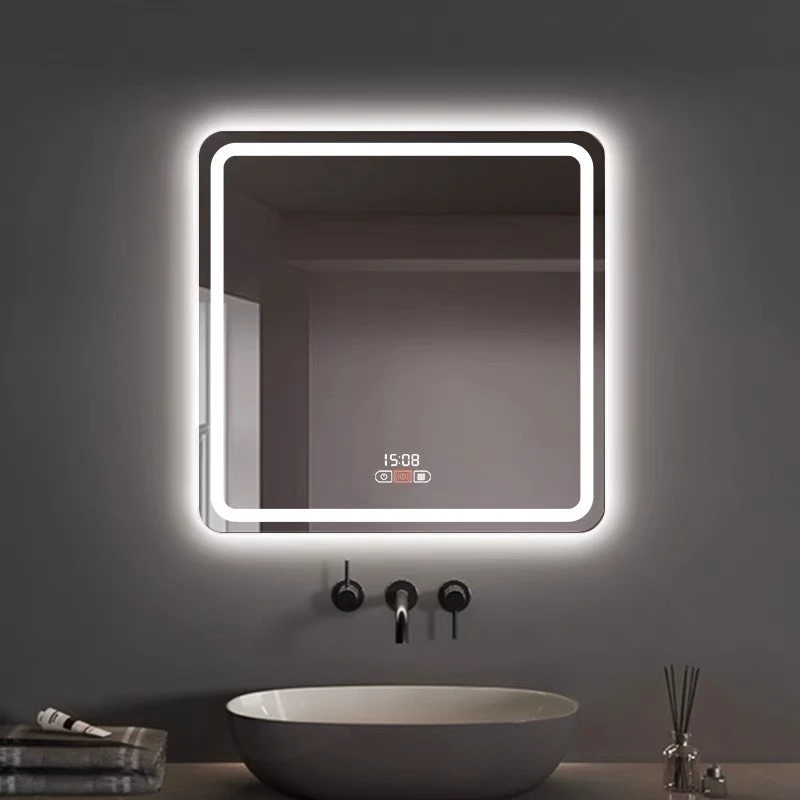
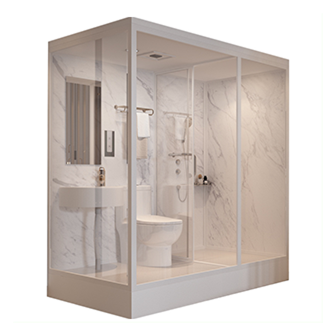
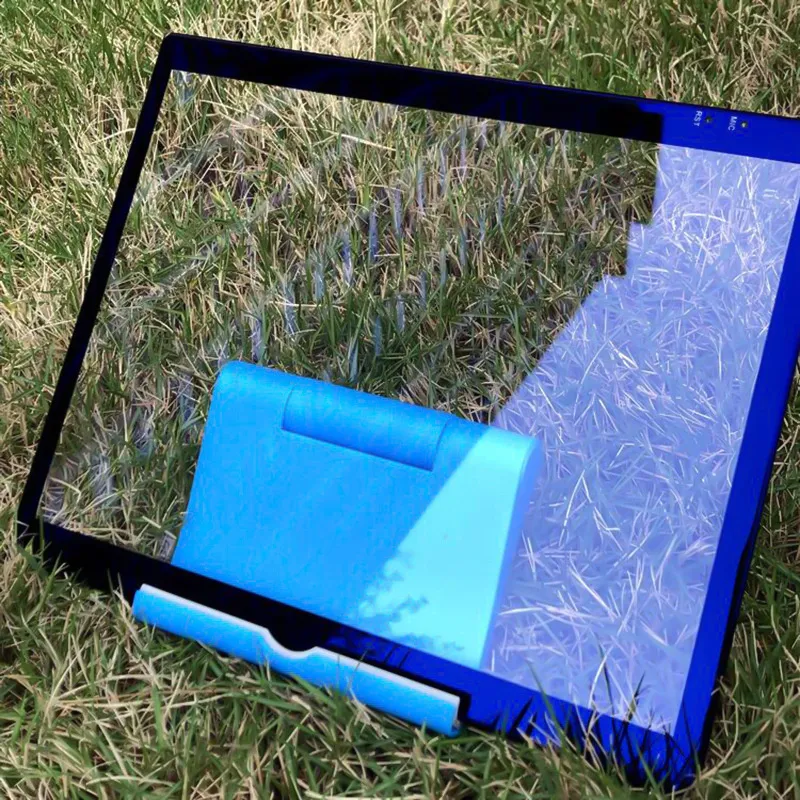
The versatility of float glass makes it indispensable across various sectors. In residential construction, it's the primary choice for double-glazed windows that provide thermal insulation. In interior design, high-quality float glass for sale is often converted into mirrors to create an illusion of space and brightness in smaller rooms. Furthermore, the automotive industry relies on float glass as the base material for windshields and side windows due to its clarity and ability to be tempered for safety.
How to Choose the Best Supplier for Float Glass
When searching for a supplier, price should not be the only factor. Quality control is paramount. A reputable supplier of float glass for sale should provide certifications regarding glass purity, flatness, and strength. Look for manufacturers who offer custom cutting services and secure packaging to prevent breakage during transit. Additionally, checking for consistency in thickness across large batches is a hallmark of a professional factory, ensuring that your installation process remains seamless and efficient.
Buyer's Checklist:
• Verify ISO or ASTM quality certifications
• Confirm the availability of various thickness options
• Ensure the supplier provides reinforced export packaging
• Check for lead times and shipping reliability
Maintenance Tips for Long-Lasting Glass Surfaces
To maintain the pristine look of your investment, proper care is required. While float glass is durable, it can be susceptible to scratches if cleaned with abrasive materials. We recommend using a microfiber cloth and a mild ammonia-free cleaner. For those who have purchased float glass for sale for outdoor use, regular cleaning prevents the buildup of mineral deposits (hard water stains) that can permanently etch the surface over time. Proper installation with the correct gaskets also prevents edge-chipping.
Environmental Impact and Sustainability of Glass
In today's eco-conscious market, the sustainability of building materials is a top priority. Glass is one of the most sustainable materials available because it is 100% recyclable. Modern factories producing float glass for sale are increasingly using cullet (recycled glass) in their furnaces, which significantly reduces energy consumption and carbon emissions. By choosing high-quality, long-lasting glass, you reduce the frequency of replacements, further contributing to a greener planet through durable architecture.
Conclusion: Sourcing the Right Float Glass for Your Needs
Choosing the right float glass for sale is a balance between technical requirements, aesthetic goals, and budget. From the unmatched clarity of low-iron glass to the functional benefits of tinted sheets, float glass remains the most versatile choice for any glazing project. By partnering with a professional manufacturer, you ensure that your project benefits from precision cutting, high purity, and sustainable production methods. Invest in quality today for a clearer tomorrow.
Frequently Asked Questions (FAQs)
What is the difference between float glass and tempered glass?
Float glass is the base material (annealed glass) produced by the floating process. It is clear and flat but can break into sharp shards. Tempered glass is float glass that has undergone a process of extreme heating and rapid cooling. This process increases the strength of the glass by 4 to 5 times and ensures that if it does break, it shatters into small, blunt pieces, making it much safer for use in doors, shower enclosures, and automotive windows.
Can float glass be cut after it is purchased?
Yes, standard float glass (annealed glass) can be cut using a diamond glass cutter and a steady hand or professional machinery. However, it is highly recommended to have the glass cut to size by the supplier to ensure precision and avoid waste. It is important to note that once glass is tempered, it can no longer be cut or drilled, as doing so will cause the entire sheet to shatter instantly.
Why does some float glass have a green tint?
The slight green tint seen in standard float glass is caused by naturally occurring iron oxide in the raw sand used during production. While this is barely noticeable in thin sheets, it becomes more apparent in thicker glass or when viewed from the edge. If your project requires absolute transparency without the green hue, you should look for "Low-Iron" float glass, which uses purified raw materials to achieve a crystal-clear finish.
How is float glass packaged for international shipping?
To ensure safe delivery, float glass is typically packed in heavy-duty wooden crates. The sheets are separated by protective paper or foam layers to prevent scratching and friction. The crates are often reinforced with steel bands and placed on pallets for easy forklift handling. High-quality suppliers use "A-frame" crates for larger sheets to keep the glass vertical, which significantly reduces the risk of breakage during sea or land transport.