
Premium reflective glass Solutions for Myanmar Architecture

Integrating high-performance technical glass engineering to combat tropical heat and enhance urban aesthetics across Myanmar's developing skylines.

Premium reflective glass Solutions for Myanmar Architecture

Providing advanced deep-processing glass technologies tailored for the unique climate and construction requirements of the Myanmar market, ensuring energy efficiency and structural safety.

The State of Glass Manufacturing in Myanmar

Analyzing the intersection of tropical climate challenges and rapid urban development.

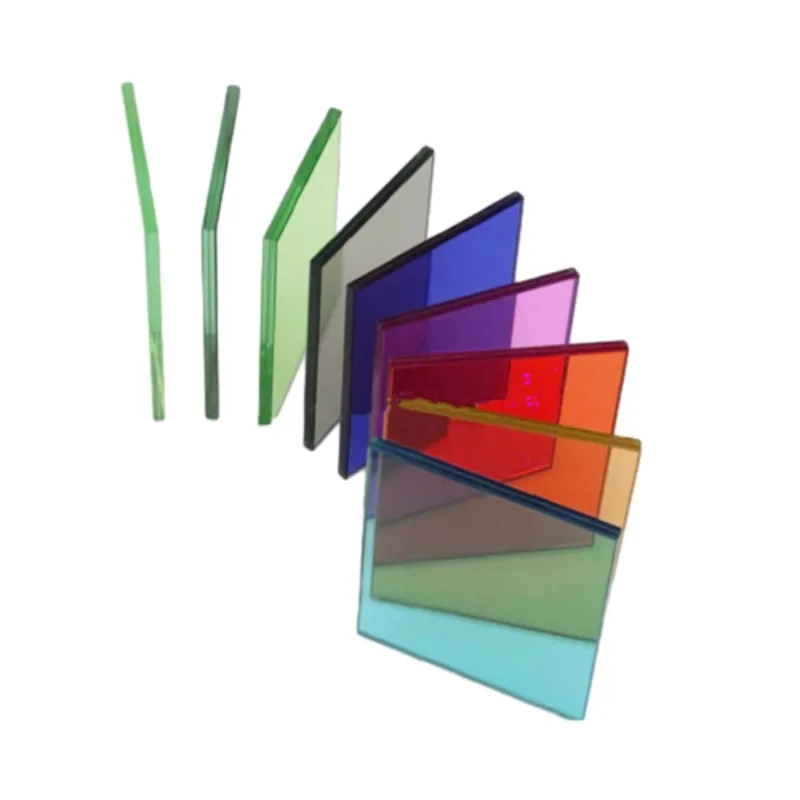
Myanmar's construction sector is currently undergoing a transition from traditional masonry to modern glass-curtain wall systems. Due to the intense solar radiation and high humidity of the region, there is a surging demand for clear float glass as a base material for further processing into energy-saving units.

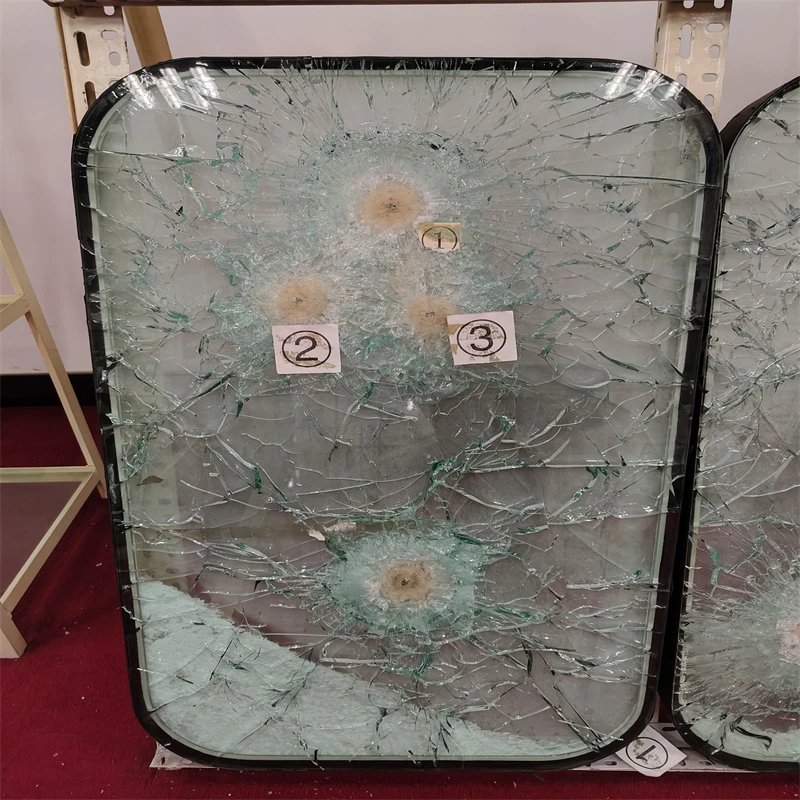
The local market has historically relied on basic imports, but as Yangon and Mandalay expand, the need for specialized tempered laminated glass has become critical. This shift is driven by the necessity for safety-first glazing in high-rise commercial hubs and government infrastructure.

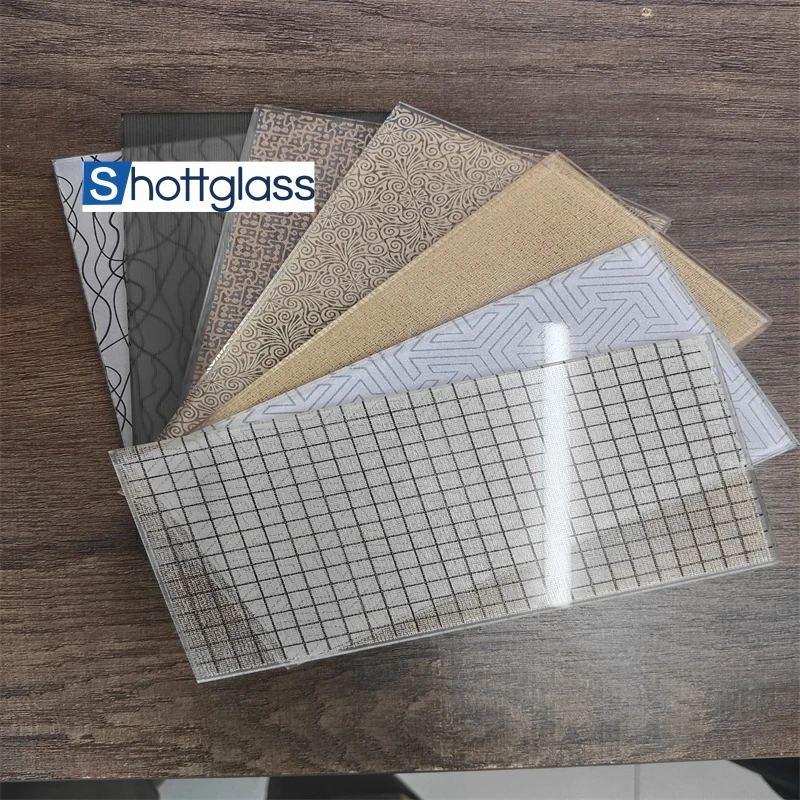
Furthermore, the aesthetic preference in Myanmar's luxury hospitality sector is moving towards diffused lighting and privacy, leading to a significant increase in the adoption of acid etched glass for interior partitions and decorative facades.
Evolution of Glass Technology in Myanmar

From basic glazing to high-tech optical and safety engineering.

Market Development History

From 2000 to 2010, the Myanmar market was dominated by single-pane float glass with limited processing capabilities, focusing primarily on residential windows and basic shopfronts.

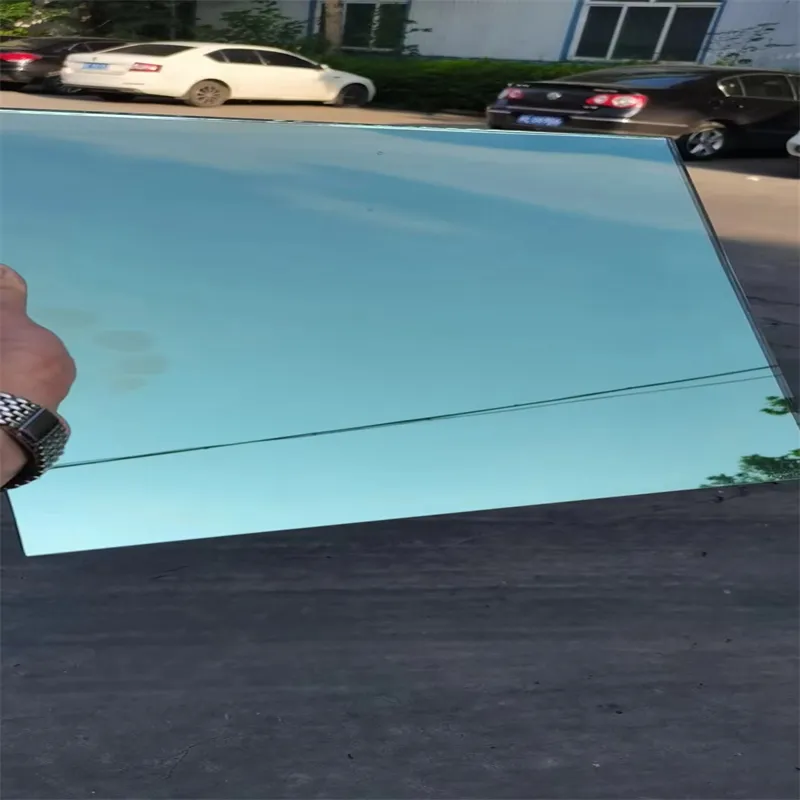
Between 2011 and 2020, the "Urbanization Wave" introduced the first generation of solar control glasses. This era saw the introduction of reflective glass to reduce cooling costs in the tropical heat.

Since 2021, the focus has shifted toward "Smart Glass" and "Safety Glass." The integration of PVB interlayers for laminated solutions has become the standard for high-end architectural projects across the country.

Future Development Trends

Integration of AR Coating

We anticipate a rise in ar glass (Anti-Reflective) for museum displays and high-end retail showrooms in Yangon to improve visual clarity.

Eco-Friendly Processing

Future trajectories show a move toward lead-free etching and low-carbon tempering processes to align with international green building certifications (LEED).

Ultra-High Strength Safety Glass

Demand for multi-layered laminated systems will increase to mitigate risks from seismic activity and extreme weather events in the region.

Industry Trends and Future Outlook

Strategizing for the next generation of technical glass in Southeast Asia.

Thermal Efficiency Optimization
Focusing on Low-E and reflective coatings to minimize HVAC energy consumption in Myanmar's heat.
Structural Safety Standards
Increasing the implementation of tempered and laminated systems to meet international safety codes.
Architectural Aesthetics
Utilizing acid-etched and frosted finishes to create modern, translucent interior spaces.
Smart Glazing Integration
Transitioning toward electrochromic and dynamic glass for automated light control.

Industry Outlook

Based on Google search trend data for "energy efficient building materials in Asia," we expect a CAGR of 6% in the technical glass sector within Myanmar. The priority is shifting from mere availability to high-performance specifications.

The future will be defined by the convergence of safety and sustainability, where glass is no longer just a barrier but a functional element that generates energy or actively manages the internal climate.

Localized Application Scenarios in Myanmar

Practical implementations of deep-processing glass in real-world Myanmar environments.

01. Commercial Skyscrapers in Yangon

Deployment of high-reflectivity coatings and laminated safety glass to reduce urban heat island effects and ensure occupant safety in high-wind zones.

02. Luxury Boutique Hotels in Bagan

Using acid-etched glass for semi-private bathroom partitions and decorative screens that complement the traditional aesthetic with a modern touch.

03. Government Office Infrastructure

Installation of heavy-duty tempered laminated glass for main entrance facades and security partitions to enhance durability and impact resistance.

04. Retail Showrooms in Mandalay

Application of anti-reflective (AR) glass for high-end jewelry and electronics displays to maximize product visibility under bright artificial lighting.

05. Residential Tropical Villas

Utilizing clear float glass as the base for double-glazed units (IGU) to provide acoustic insulation and thermal comfort for luxury homes.

Brand Story

Global Development Journey of Shahe City Xiaote Glass Co., Ltd.

Founding Vision

Established with the mission to solve the fragility and inefficiency of traditional glass, focusing on high-precision deep processing.

Technical Breakthrough

Developed advanced tempering and laminating lines that significantly reduced spontaneous breakage and improved optical clarity.

Global Expansion

Expanded market reach to Southeast Asia, tailoring glass specifications to withstand the extreme humidity and heat of tropical regions.

Quality Certification

Achieved international ISO and CE certifications, ensuring that every sheet of glass meets global architectural safety standards.

Sustainable Future

Investing in green manufacturing to provide the world with eco-friendly, energy-saving glass solutions for a better tomorrow.

Comprehensive Glass Portfolio for Myanmar

A full suite of technical glass products designed for durability and efficiency.

Frequently Asked Questions in Myanmar

Expert answers to the most common technical glass inquiries in the region.

Which glass is best for heat reduction in Yangon buildings?

For maximum heat reduction, we recommend reflective glass or Low-E coated glass, which reflects a significant portion of infrared radiation while maintaining natural light.

Is tempered laminated glass necessary for high-rise facades in Myanmar?

Yes, tempered laminated glass is essential for high-rises as it combines strength with safety; if broken, the fragments adhere to the interlayer, preventing falls.

How does acid etched glass differ from sandblasted glass for interiors?

Unlike sandblasting, acid etched glass provides a smoother, more consistent satin finish that is easier to clean and more resistant to fingerprints.

What is the advantage of using AR glass in retail displays?

The ar glass (Anti-Reflective) minimizes ghost images and glare, allowing customers to see products with perfect clarity regardless of the lighting angle.

Can clear float glass be converted into energy-saving glass?

Yes, clear float glass serves as the substrate. Through deep processing like vacuum sputtering or tempering, it can be converted into high-performance technical glass.

What are the maintenance requirements for architectural glass in Myanmar's humidity?

Regular cleaning with non-abrasive agents is recommended. Our processed glasses are designed to resist corrosion from tropical humidity and saline air in coastal areas.

Get Expert Glass Consultation

Ready to upgrade your project with world-class technical glass in Myanmar? Our engineers are here to provide tailored specifications.

Contact Us Now

If you are interested in our products, you can choose to leave your information here, and we will be in touch with you shortly.