

Premium Architectural Glass Solutions for tempered laminated glass in Denmark

Engineering high-performance, energy-efficient, and safety-certified glass systems tailored for the demanding Scandinavian climate and architectural standards.

Premium Architectural Glass Solutions for tempered laminated glass in Denmark

Specializing in the deep processing of technical glass to meet Denmark's rigorous building codes, focusing on safety, transparency, and thermal efficiency.

The Landscape of Technical Glass Manufacturing in Denmark

Analyzing the intersection of Nordic design and glass engineering.

Denmark's glass industry is characterized by a relentless pursuit of energy efficiency and sustainability, driven by the nation's strict carbon-neutral goals. The demand for clear float glass as a base material has evolved into a requirement for high-transmittance, low-emissivity substrates that can withstand harsh coastal winds and fluctuating temperatures.

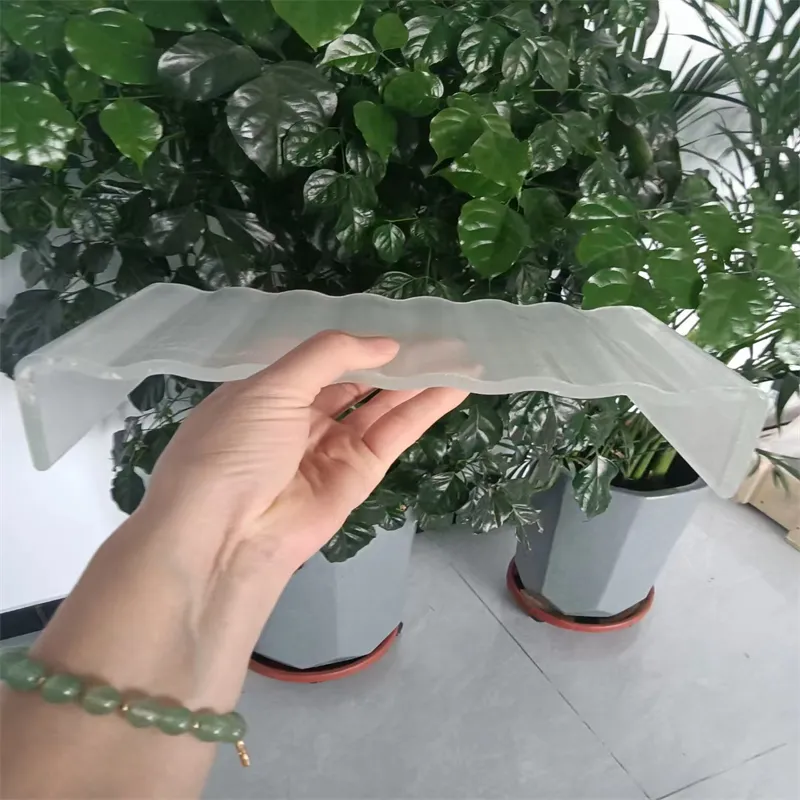
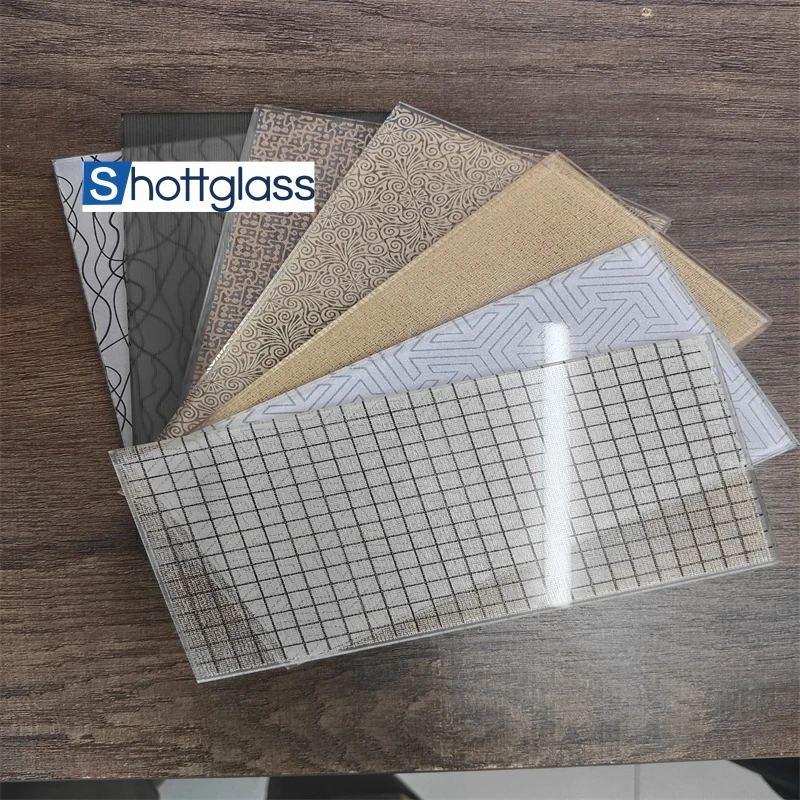
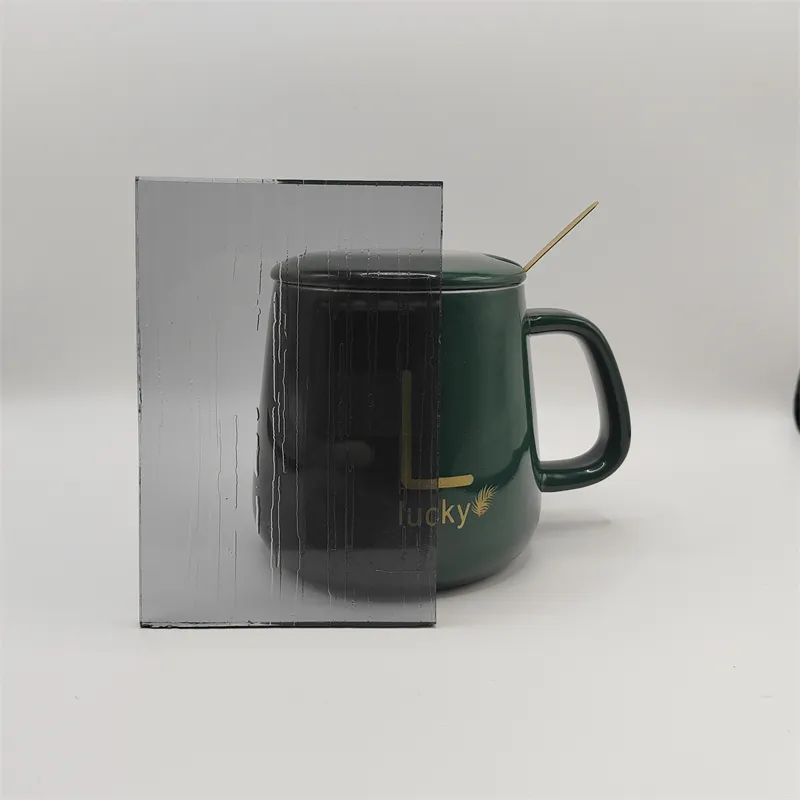
The architectural preference for "light and air" in Danish design necessitates advanced surface treatments. We see a growing integration of acid etched glass in interior partitions and bathroom spaces, providing a balance between privacy and natural light diffusion, which is critical during the dark winter months.

Furthermore, the Danish construction sector is shifting toward high-security and high-acoustic performance. The adoption of specialized coatings like ar glass (anti-reflective) is becoming standard in museum displays and high-end retail across Copenhagen, ensuring visual clarity without compromising on safety.
Evolution and Technical Trajectory of Glass Processing

From traditional float processes to smart-coating technologies.

Market Development History

In the early 2000s, the Danish market relied heavily on standard float glass. The primary focus was on basic structural integrity and simple tempering processes to meet basic safety requirements for residential windows.

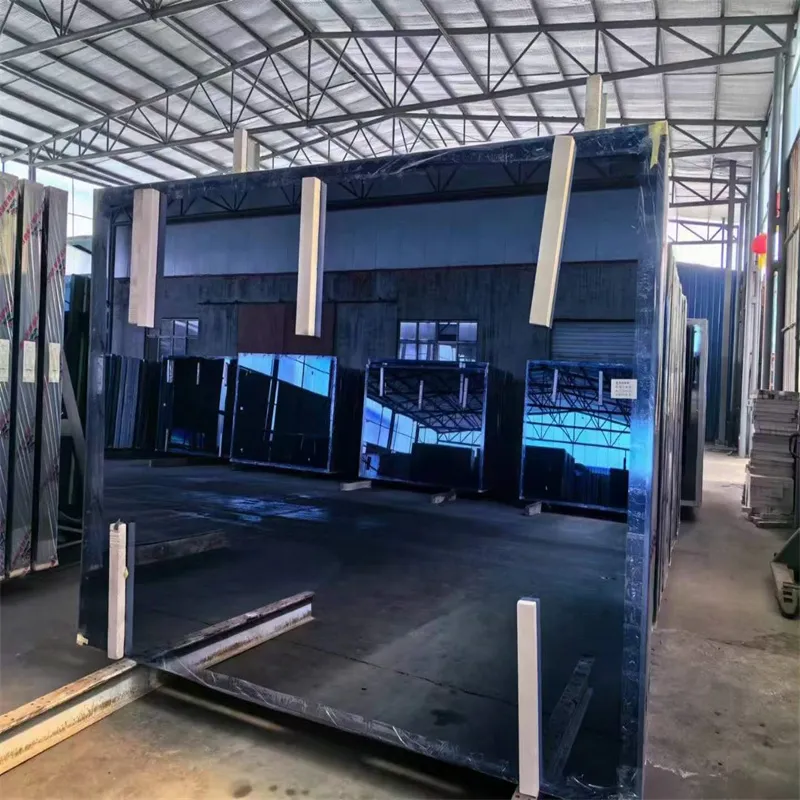
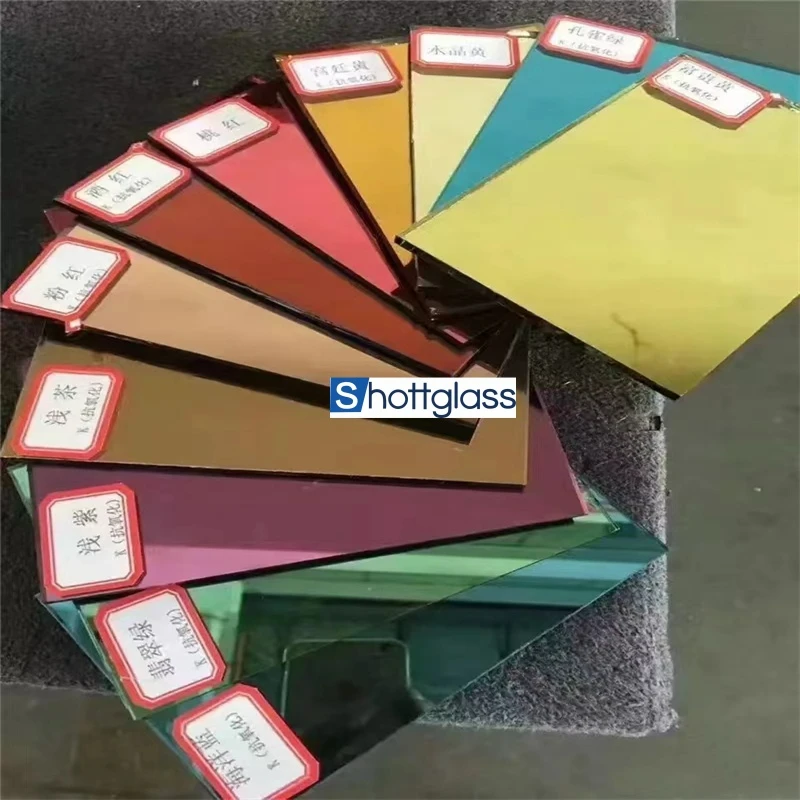
Between 2010 and 2020, there was a significant shift toward "Functional Glass." The introduction of reflective glass allowed architects to manage solar heat gain, reducing the reliance on air conditioning in the growing number of commercial glass facades in Aarhus and Copenhagen.

Currently, the industry has entered the era of "Composite Performance." The synthesis of tempering and lamination has led to the dominance of high-impact safety glass, where thermal insulation is integrated directly into the laminated interlayer.

Future Development Trends

Dynamic Solar Control

Future trends indicate a move toward electrochromic glass that adjusts transparency based on real-time sunlight intensity, reducing energy loads in LEED-certified Danish buildings.

Ultra-High Transparency Coatings

Enhanced versions of anti-reflective technologies will be integrated into structural facades to eliminate "glass glare," blending the boundary between indoor and outdoor environments.

Circular Economy Integration

A shift toward 100% recyclable lamination polymers to ensure that safety glass can be fully processed at the end of its building lifecycle, aligning with EU Green Deal mandates.

Industry Trends and Future Outlook for Denmark

Strategic forecasts for the non-metallic mineral products sector.

Zero-Emission Production
Transitioning to hydrogen-powered furnaces to eliminate CO2 emissions during the float glass melting process.
AI-Driven Quality Control
Implementing machine learning to detect micron-level defects in tempered glass, ensuring 100% safety compliance.
Smart Glass Integration
Integrating IoT sensors within laminated layers for structural health monitoring in large-scale bridges and buildings.
Advanced Nano-Coatings
Developing self-cleaning, hydrophobic surfaces that reduce maintenance costs in Denmark's rainy coastal regions.

Industry Outlook

The next 3-5 years will see a convergence of architectural aesthetics and environmental performance. Google search trends for "sustainable glazing" and "energy-efficient glass" in Northern Europe are peaking, indicating that the market is moving beyond simple transparency toward active energy management.

We expect a surge in demand for hybrid glass products that combine the safety of lamination with the visual benefits of anti-reflective coatings, specifically for the growing "Green Building" sector in the Øresund region.

Localized Application Scenarios in Denmark

Practical implementations of deep-processed glass in the Danish market.

01. Copenhagen Waterfront Commercial Facades

Utilization of reflective glass to minimize solar heat gain during the summer solstice while maintaining an iconic mirror-like aesthetic that reflects the harbor.

02. Nordic Minimalist Interior Design

Implementation of acid etched glass for sliding doors and shower enclosures in luxury residential projects, ensuring soft light diffusion and fingerprint resistance.

03. High-Security Public Infrastructure

Deployment of tempered laminated glass for pedestrian walkways and glass railings in public plazas to ensure maximum safety and load-bearing capacity.

04. Museum and Gallery Exhibits

Application of specialized ar glass for protecting national treasures, removing reflections to allow unobstructed viewing of artwork under high-intensity spotlights.

05. Energy-Efficient Residential Glazing

Use of high-grade clear float glass as the base for triple-glazed units, optimizing U-values for the cold Danish climate to reduce heating energy consumption.

Brand Story

Global Development History of Shahe City Xiaote Glass Co., Ltd.

Founding and Technical Roots

Established with a mission to bridge the gap between raw glass production and high-end architectural application, focusing on precision tempering and lamination.

Expansion into Special Coatings

Invested heavily in R&D to master acid etching and reflective coatings, allowing us to enter the competitive European market with specialized technical glass.

Certification and Standardization

Achieved international safety and quality certifications, ensuring our products meet the stringent CE and Nordic building standards for safety glass.

Strategic European Partnership

Developed a robust supply chain specifically for Northern Europe, optimizing logistics to deliver oversized technical glass to Denmark without breakage.

Commitment to Sustainable Glass

Now leading the transition toward eco-friendly processing, reducing chemical waste in acid etching and increasing the use of recycled substrates.

Complete Technical Glass Portfolio for the Danish Market

A comprehensive range of deep-processed glass solutions for architects and contractors.

Frequently Asked Questions for Glass Solutions in Denmark

Expert answers to common technical and regulatory queries.

How does tempered laminated glass perform in extreme coastal weather?

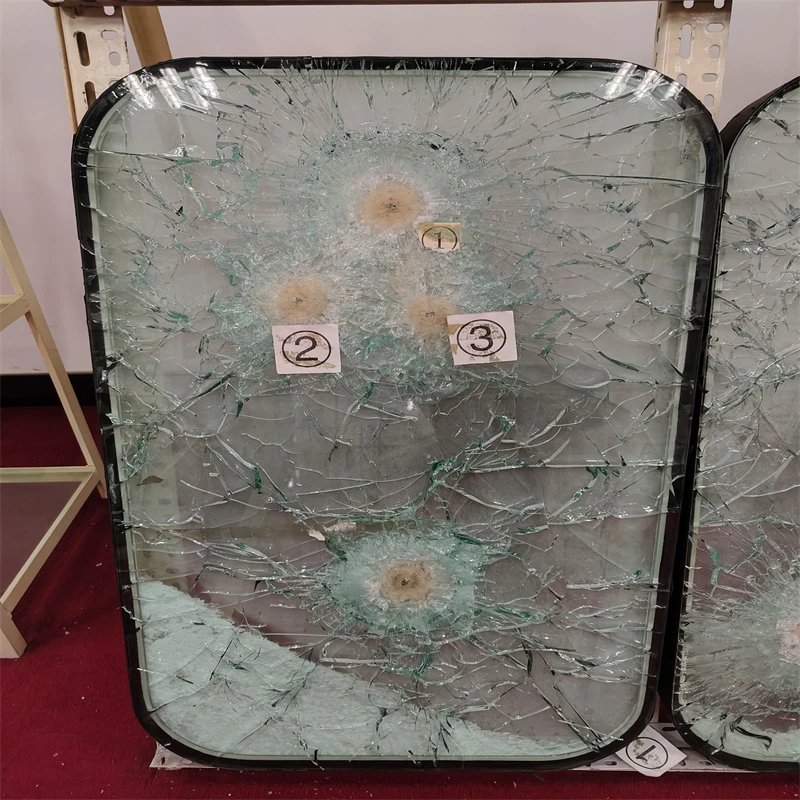
Our tempered laminated glass is engineered to withstand high wind loads and thermal shock, making it ideal for Denmark's coastline. The lamination ensures that even if the glass breaks, the shards remain adhered to the interlayer.

What is the difference between acid etched glass and sandblasted glass for privacy?

Acid etched glass provides a smoother, more consistent satin finish that is far more resistant to fingerprints and easier to clean than sandblasted glass, which is critical for high-traffic Danish commercial interiors.

Can reflective glass help in reducing cooling costs for office buildings?

Yes, reflective glass significantly reduces the Solar Heat Gain Coefficient (SHGC), reflecting a large portion of infrared radiation away from the building, thus lowering the energy required for cooling during the summer.

Is AR glass suitable for high-end retail displays in Copenhagen?

Absolutely. Anti-reflective (AR) glass reduces surface reflections to less than 1%, allowing the colors and details of the products to be seen clearly regardless of the ambient lighting conditions.

Does clear float glass meet the U-value requirements for Danish residences?

While clear float glass is the base, it must be used within an Insulated Glass Unit (IGU) with Low-E coatings and argon gas filling to meet the strict Danish energy building codes (BR18).

What safety standards apply to tempered laminated glass in public spaces?

We adhere to EN 12600 and EN 14449 standards, ensuring that our glass provides the necessary impact resistance and fragmentation safety required for public infrastructure in the EU.

Consult Our Technical Glass Experts

Ready to elevate your architectural project in Denmark? Contact our engineering team for customized glass specifications and compliance guidance.

Contact Us Now

If you are interested in our products, you can choose to leave your information here, and we will be in touch with you shortly.