
High-Performance tempered laminated glass Solutions for North Korea

Engineering advanced glass processing technologies to meet the rigorous architectural and industrial demands of the North Korean infrastructure landscape.

High-Performance tempered laminated glass Solutions for North Korea

Providing specialized deep-processed glass products that combine structural integrity, thermal efficiency, and aesthetic versatility for Asia's most demanding construction environments.

Glass Manufacturing Landscape in North Korea

Analyzing the intersection of industrial capability and environmental challenges in the region.

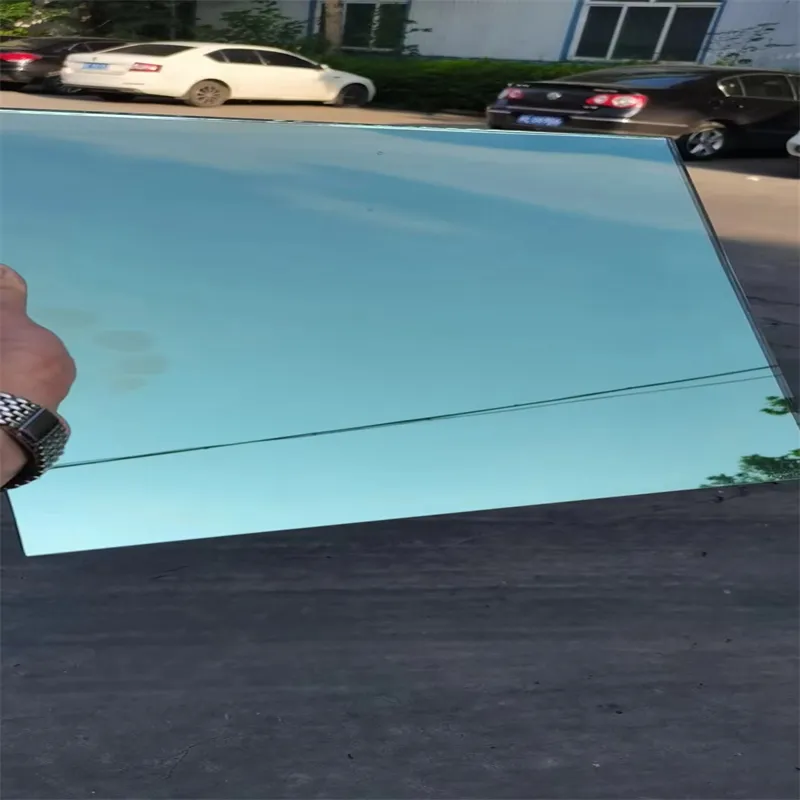
The glass processing industry in North Korea is currently characterized by a transition from heavy industrial utility to specialized architectural applications. Given the extreme continental climate, there is a critical demand for reflective glass to manage solar heat gain in urban centers like Pyongyang while maintaining interior warmth during harsh winters.

Local manufacturing focuses heavily on durability and state-led infrastructure projects. The integration of clear float glass serves as the fundamental substrate for most domestic production, yet the shift toward high-value-added deep processing is accelerating to reduce reliance on basic imports.

Environmental factors, including high humidity during the monsoon season and freezing temperatures in winter, necessitate the use of advanced chemical strengthening and lamination. This makes the adoption of high-spec processed glass a priority for new government administrative buildings and industrial complexes.
Technical Evolution of Deep Processed Glass

From basic float production to high-precision optical and structural engineering.

Market Development History

During the mid-20th century, the focus was primarily on the mass production of standard float glass for basic windowing. The technical priority was sheer volume and basic transparency, utilizing traditional furnaces with limited thermal control.

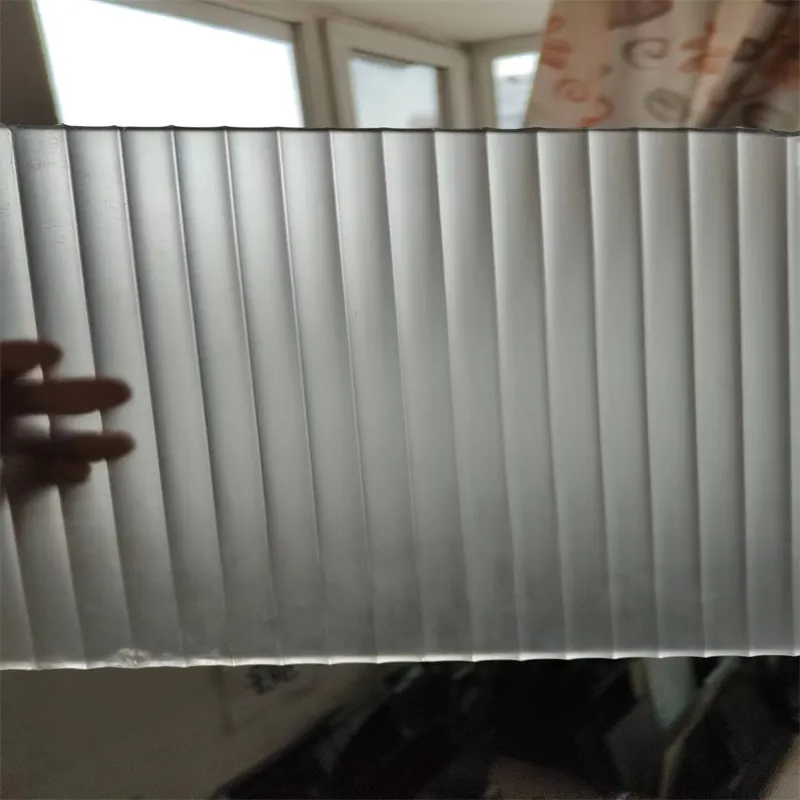
Entering the 2000s, the industry began incorporating basic tempering and coating technologies. This era saw the introduction of acid etched glass for interior privacy and decorative purposes in public monuments and state offices, marking the first step toward "deep processing."

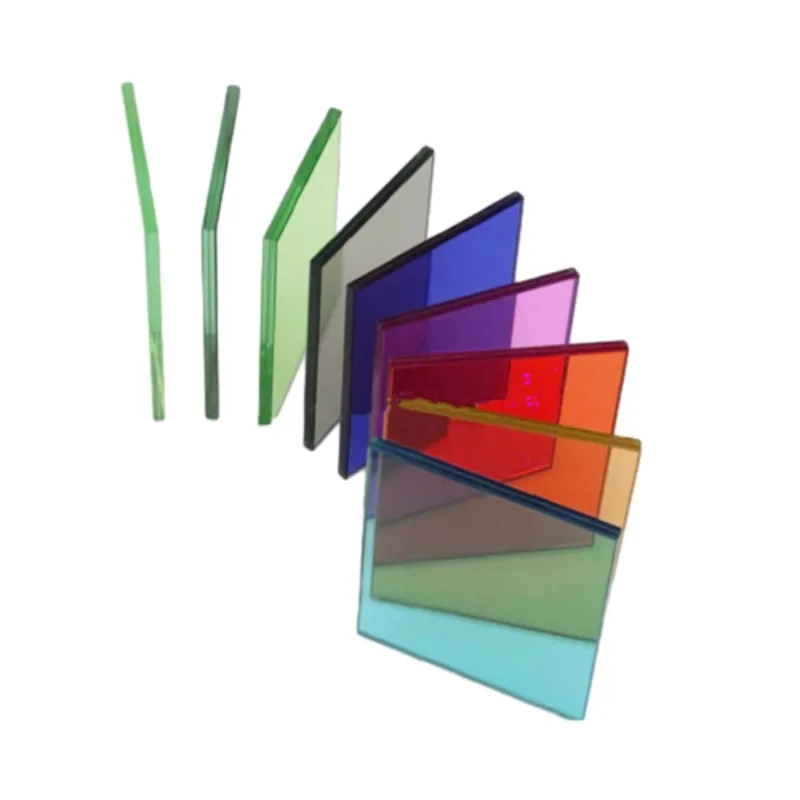
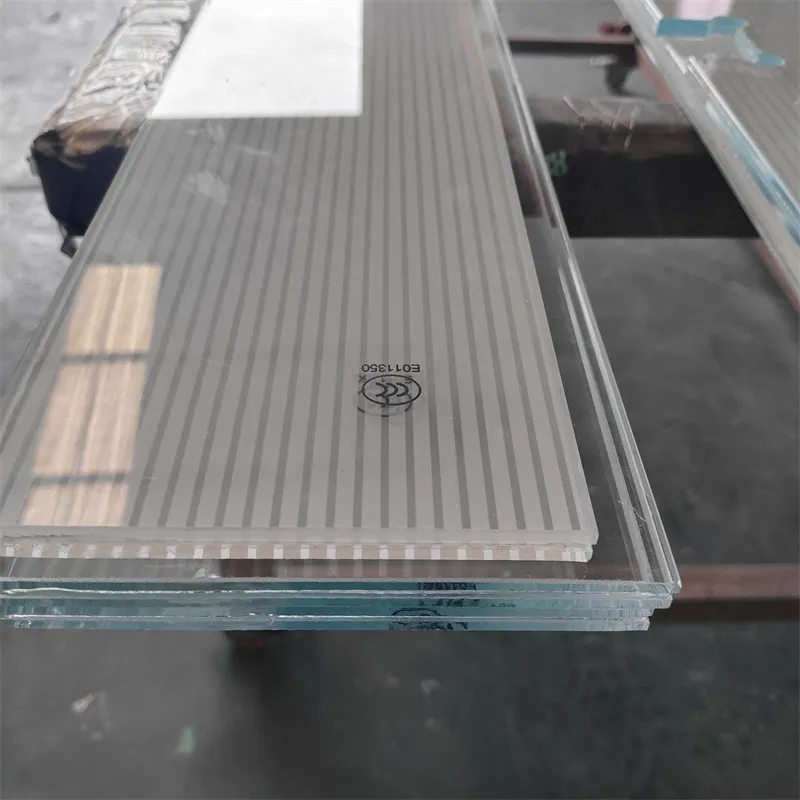
In the current decade, the trajectory has shifted toward multi-functional glass. The integration of interlayer PVB for safety and the adoption of anti-reflective coatings represent the modern era of technical glass manufacturing in the region.

Future Development Trends

Smart Thermal Regulation

Integration of low-emissivity coatings with reflective properties to create energy-independent building envelopes.

Optical Precision Engineering

Increased demand for ar glass (Anti-Reflective) for high-tech displays and specialized industrial monitoring equipment.

Advanced Structural Safety

Migration toward fully automated tempering lines to ensure zero-defect structural glass for high-rise urban developments.

Strategic Trends and Future Outlook

Projecting the evolution of glass technology through the lens of global search trends and regional needs.

Energy Efficiency Shift
Transitioning toward high-performance coatings to minimize heating costs in northern provinces.
Urban Modernization
Increased application of large-scale tempered glass for new skyline developments.
Industrial Specialization
Growth in demand for custom-etched and chemically strengthened glass for heavy industry.
Eco-Friendly Coating
Implementing sustainable manufacturing processes to reduce carbon footprints during processing.

Industry Outlook

Over the next 3-5 years, Google search trends indicate a global surge in "sustainable glazing" and "smart glass." In North Korea, this will manifest as a requirement for glass that can dynamically adapt to extreme temperature swings, moving beyond static float glass to integrated smart systems.

The trajectory points toward the adoption of high-precision ar glass and laminated composites that provide both security and energy efficiency, aligning with the regional goal of modernizing urban infrastructure with durable materials.

Localized Application Scenarios in North Korea

Real-world deployments of deep-processed glass tailored to regional architectural needs.

1. Government Administrative Centers

Implementation of large-scale tempered laminated glass for facades to ensure maximum safety and structural stability against wind loads in Pyongyang.

2. Industrial Control Rooms

Use of high-transparency ar glass for monitoring screens and protective shields in heavy machinery plants to eliminate glare.

3. Modern Residential Apartments

Installation of reflective glass on south-facing windows to reduce solar heat gain during the summer while maintaining privacy.

4. Public Monuments and Museums

Application of acid etched glass for interior partitions and decorative art installations, providing a sophisticated frosted finish.

5. Transportation Infrastructure

Deployment of heavy-duty processed clear float glass in railway stations and metro entrances, treated for impact resistance.

Brand Story

Global Development Journey of Shahe City Xiaote Glass Co., Ltd.

Foundational Excellence

Established with a vision to master the art of float glass, focusing on purity and structural consistency from day one.

Technical Diversification

Expanding into deep processing, mastering the chemical and thermal tempering processes to serve industrial clients.

Global Quality Certification

Achieving international standards to ensure our processed glass meets the rigorous safety codes of diverse global markets.

Innovative Specialization

Developing cutting-edge AR and reflective technologies to solve the specific pain points of thermal management in architecture.

Future-Ready Manufacturing

Committing to smart manufacturing to provide the most precise, durable, and energy-efficient glass solutions worldwide.

Comprehensive Glass Portfolio for North Korea

A full range of deep-processed glass products engineered for regional durability and performance.

Frequently Asked Questions for the Regional Market

Expert answers to technical queries regarding glass application in North Korea.

How does reflective glass improve energy efficiency in Pyongyang's buildings?

It reflects a significant portion of solar radiation, reducing the cooling load during summer months while specialized coatings help retain interior heat during winter.

What are the safety benefits of using tempered laminated glass in high-rise construction?

It combines the strength of tempered glass with the adhesive security of lamination, ensuring that if breakage occurs, the fragments remain adhered to the interlayer.

Can acid etched glass be used in high-humidity industrial environments?

Yes, the etching process creates a permanent matte finish that is highly resistant to corrosion and moisture, making it ideal for humid industrial zones.

What is the primary advantage of ar glass for industrial monitoring?

Anti-reflective glass minimizes glare and internal reflections, significantly increasing the visibility and accuracy of readouts in high-light environments.

Is clear float glass suitable as a base for customized deep processing?

Absolutely. Our high-quality float glass provides the necessary optical clarity and flatness required for subsequent tempering, etching, or coating processes.

How do we ensure the longevity of processed glass in extreme North Korean winters?

By utilizing thermal tempering and high-grade interlayers that can withstand extreme temperature fluctuations without compromising structural integrity.

Request Your Technical Consultation

Our engineering team is ready to provide customized deep-processing glass solutions tailored for the unique industrial requirements of North Korea.

Contact Us Now

If you are interested in our products, you can choose to leave your information here, and we will be in touch with you shortly.