
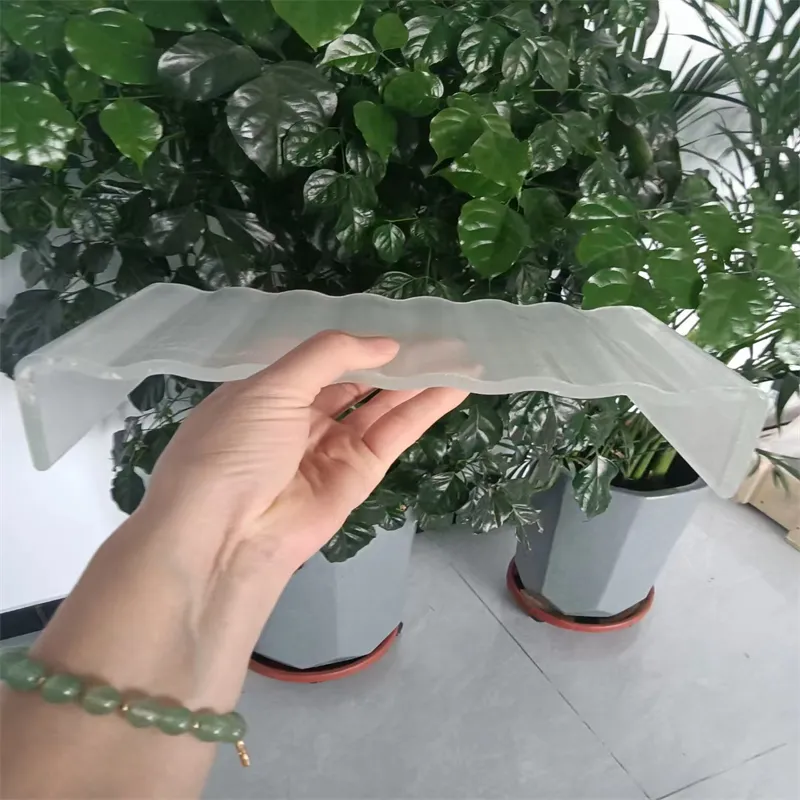
High-Performance Tempered Laminated Glass Solutions for Mongolia

Advanced deep-processing glass engineering designed to withstand extreme continental climates and support Mongolia's rapid urban modernization.

High-Performance Tempered Laminated Glass Solutions for Mongolia

Providing the Mongolian construction and industrial sectors with precision-engineered glass that combines structural integrity with superior thermal insulation.

The Landscape of Glass Manufacturing in Mongolia

Analyzing the impact of extreme temperature fluctuations on architectural glass requirements.

Mongolia's unique geographical position creates some of the harshest temperature gradients on Earth. In the construction of modern facilities in Ulaanbaatar, the demand for clear float glass has evolved from simple transparency to a requirement for extreme durability against thermal shock.

The local market currently faces a gap between traditional building methods and the need for energy-efficient facades. This has led to an increased adoption of reflective glass to manage intense solar radiation during summer while retaining heat during the freezing winter months.

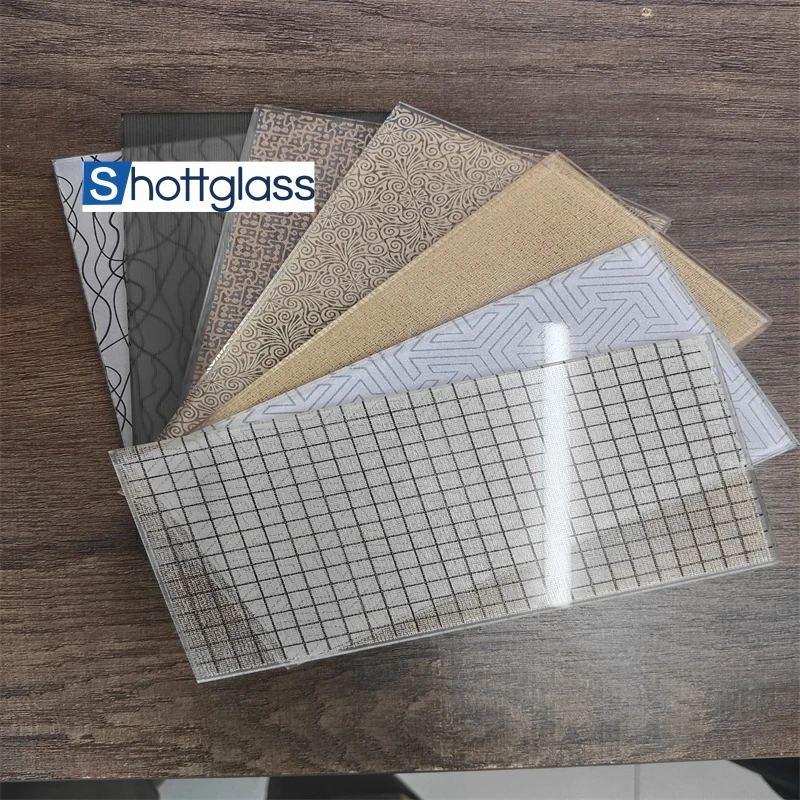
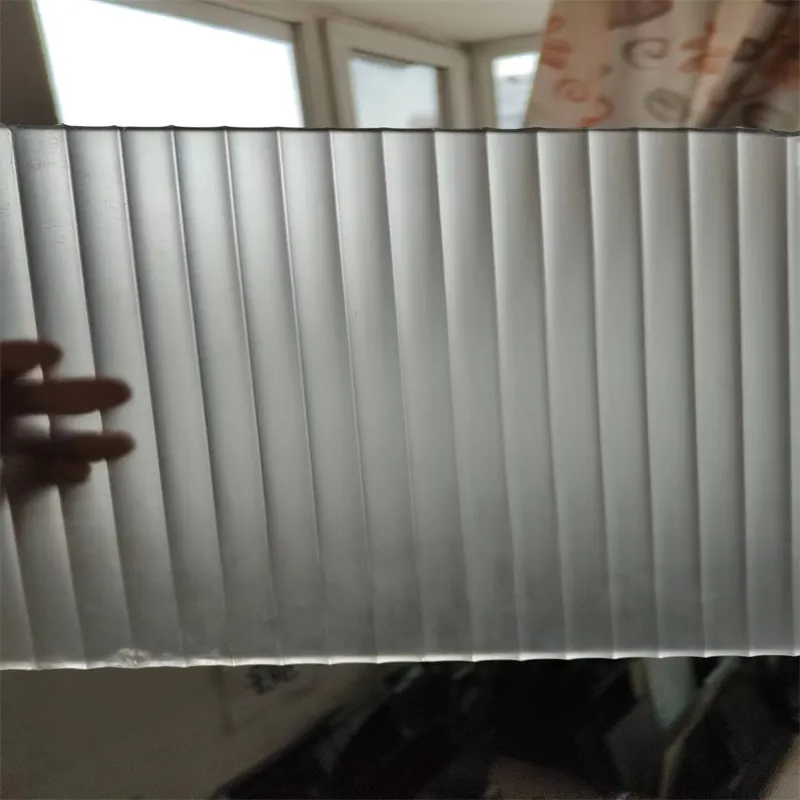
Furthermore, the growth of the mining sector and luxury hospitality in the steppes has pushed the demand for specialized aesthetics, where acid etched glass is increasingly used for interior partitions that provide privacy without sacrificing natural light diffusion.
Technological Evolution and Market Trajectory

From basic glazing to intelligent, multi-layered deep-processing glass systems.

Market Development History

In the early 2000s, the Mongolian glass market relied heavily on standard single-pane float glass. The focus was purely on basic weather sealing, with little regard for U-values or thermal efficiency.

Between 2010 and 2020, a shift occurred toward safety and energy standards. The introduction of toughening and laminating processes allowed for the deployment of tempered laminated glass in public infrastructure and commercial hubs.

Currently, the market is entering the "Intelligent Era," where high-value additions like ar glass (anti-reflective) are being integrated into high-end displays and specialized architectural elements to reduce glare and improve clarity.

Future Development Trends

Ultra-High Thermal Insulation

Integration of triple-silver Low-E coatings to combat the -40°C winter extremes common in the Mongolian plateau.

Smart Adaptive Glazing

The transition toward electrochromic glass that adjusts transparency based on real-time solar intensity to reduce HVAC loads.

Sustainable Circular Manufacturing

Increased focus on recyclable glass substrates and low-carbon production methods to align with regional green building initiatives.

Industry Outlook and Strategic Forecast

Projecting the next 5 years of glass innovation in the Asia-Mongolia corridor.

Thermal Efficiency Leap
Shift toward vacuum-insulated glass to drastically reduce heat loss in Mongolian winters.
Structural Safety Integration
Expanding the use of multi-layered safety glass for seismic resilience in urban centers.
Optical Precision Growth
Rising demand for AR coatings in commercial displays and solar energy collectors.
Aesthetic Customization
Increased adoption of frosted and etched finishes for modern Mongolian interior design.

Industry Outlook

Google search trends indicate a sharp increase in queries regarding "energy-saving glazing" and "safety glass standards" within the Asia-Central region. This suggests that Mongolian developers are moving away from cost-only procurement toward value-based engineering.

We anticipate that within 3-5 years, the integration of photo-catalytic coatings and self-cleaning properties will become standard for high-rise buildings in Ulaanbaatar to combat urban air pollution.

Localized Application Scenarios in Mongolia

Practical implementations of deep-processed glass tailored to Mongolian environmental challenges.

1. High-Rise Office Towers in Ulaanbaatar

Utilizing reflective glass to minimize cooling costs during the summer while providing a sleek, professional corporate image.

2. Luxury Ger-Style Resorts

Installation of tempered laminated glass for panoramic skylights, ensuring safety and warmth for guests during winter.

3. Mining Facility Control Rooms

Deploying clear float glass with reinforced coatings to provide unobstructed visibility and high impact resistance in industrial zones.

4. Government Administrative Centers

Implementing acid etched glass for high-end office partitions, balancing light flow with necessary privacy for sensitive operations.

5. Specialized Laboratory Equipment

Application of ar glass in scientific instrumentation and displays to ensure maximum precision and minimal reflection.

Brand Story

Global Development Journey of Shahe City Xiaote Glass Co., Ltd.

Foundation of Excellence

Established with a vision to master the art of glass tempering, we began by solving the fundamental problem of glass fragility in industrial settings.

Technological Breakthrough

Invested heavily in R&D to perfect the lamination process, ensuring our glass meets the most stringent international safety certifications.

Global Market Expansion

Extended our reach to the Asia-Pacific region, adapting our product lines to meet the specific climatic needs of markets like Mongolia.

Sustainability Pivot

Integrated green manufacturing processes to reduce our carbon footprint, focusing on energy-efficient glass production.

Future-Proofing Vision

Now leading the industry in smart glass solutions, committed to enhancing human living environments through material science.

Comprehensive Glass Portfolio for Mongolia

Our full suite of deep-processed glass products designed for extreme resilience and aesthetic versatility.

Frequently Asked Questions for the Mongolian Market

Expert answers to common technical queries regarding glass installation in harsh climates.

How does tempered laminated glass handle extreme Mongolian winters?

Our glass utilizes a high-grade PVB or SGP interlayer that maintains flexibility and structural bond even at -40°C, preventing delamination and ensuring safety.

Can reflective glass reduce energy costs in Ulaanbaatar's high-rises?

Yes, by reflecting a significant portion of solar infrared radiation, it reduces the need for air conditioning during summer without blocking visible light.

What is the primary benefit of AR glass for commercial displays?

Anti-reflective (AR) glass minimizes surface reflections and glare, significantly improving contrast and readability in brightly lit environments.

Is acid etched glass suitable for high-humidity interior areas?

Absolutely. The chemical etching process creates a permanent matte finish that is resistant to moisture and fingerprints, making it ideal for partitions.

Which glass is best for industrial clear float glass replacements?

For industrial use, we recommend toughened clear float glass to ensure that any accidental breakage results in small, blunt fragments rather than sharp shards.

How do I maintain the clarity of deep-processed glass in dusty environments?

We recommend using non-abrasive cleaners and soft microfiber cloths to avoid scratching the surface coatings, especially for AR and reflective glass.

Partner with Glass Experts

Get professional technical consultation for your next project in Mongolia. We provide end-to-end support from specification to delivery.

Contact Us Now

If you are interested in our products, you can choose to leave your information here, and we will be in touch with you shortly.