
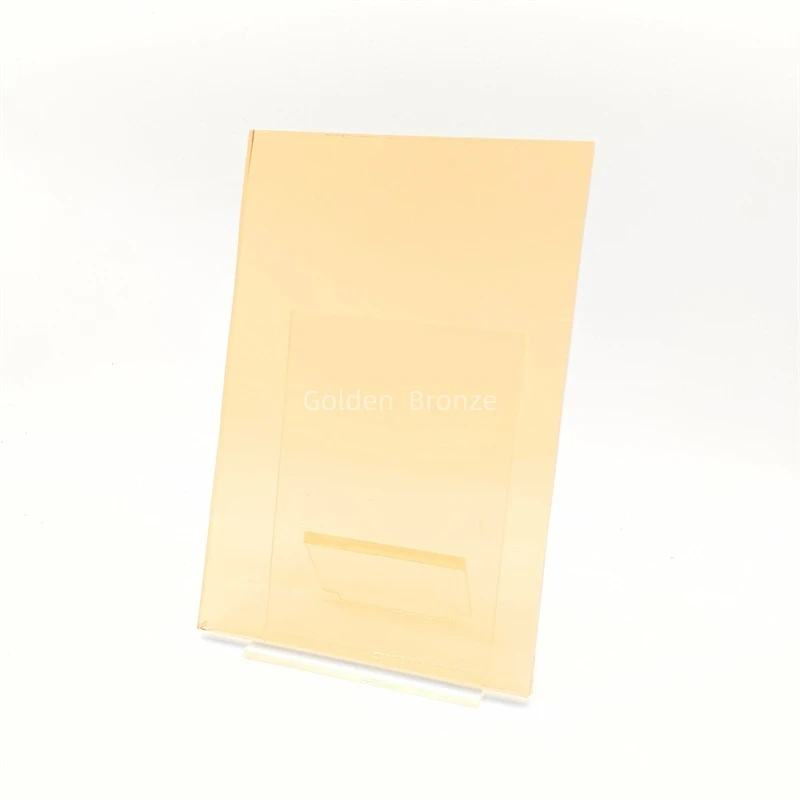
High-Performance Reflective Glass Solutions for Zimbabwe

Providing energy-efficient, durable, and high-precision deep-processed glass engineered for the unique climatic demands of the Zimbabwean architectural landscape.

High-Performance Reflective Glass Solutions for Zimbabwe

Integrating advanced thermal control and structural integrity to meet the evolving infrastructure needs of Zimbabwe's commercial and residential sectors.

The State of Glass Manufacturing in Zimbabwe

Analyzing the intersection of high UV exposure and urban development in the region.

Zimbabwe's construction sector currently faces a critical challenge: balancing the aesthetic desire for transparency with the necessity of thermal insulation. Given the intense solar radiation in regions like Harare and Bulawayo, the demand for clear float glass is transitioning toward high-performance alternatives that can reduce cooling costs.

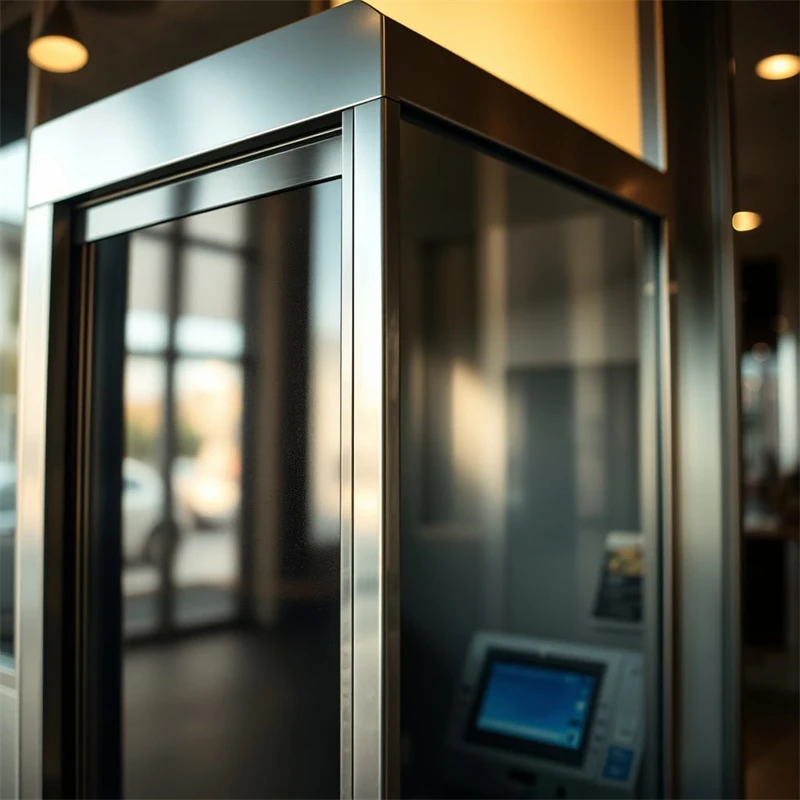
The local market is witnessing a surge in the adoption of reflective glass to combat the "greenhouse effect" within commercial skyscrapers. However, the lack of localized deep-processing facilities often leads to a reliance on imports, creating a gap in the availability of customized architectural glass.

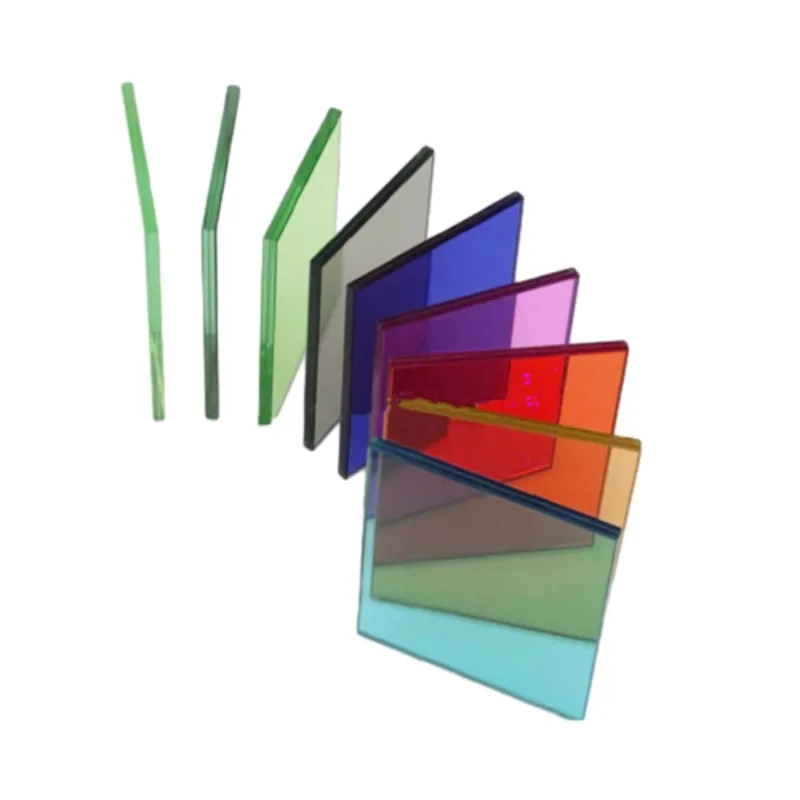
Furthermore, safety regulations in new urban developments are driving the requirement for tempered laminated glass. The focus is shifting from basic glazing to integrated safety solutions that can withstand extreme weather fluctuations and provide long-term structural security.
Evolution of Glass Technology in Zimbabwe

From traditional glazing to smart, energy-saving deep-processed surfaces.

Market Development History

Between 1990 and 2010, the Zimbabwean market primarily utilized basic float glass for residential needs. During this period, the focus was on structural availability rather than thermal efficiency or specialized optics.

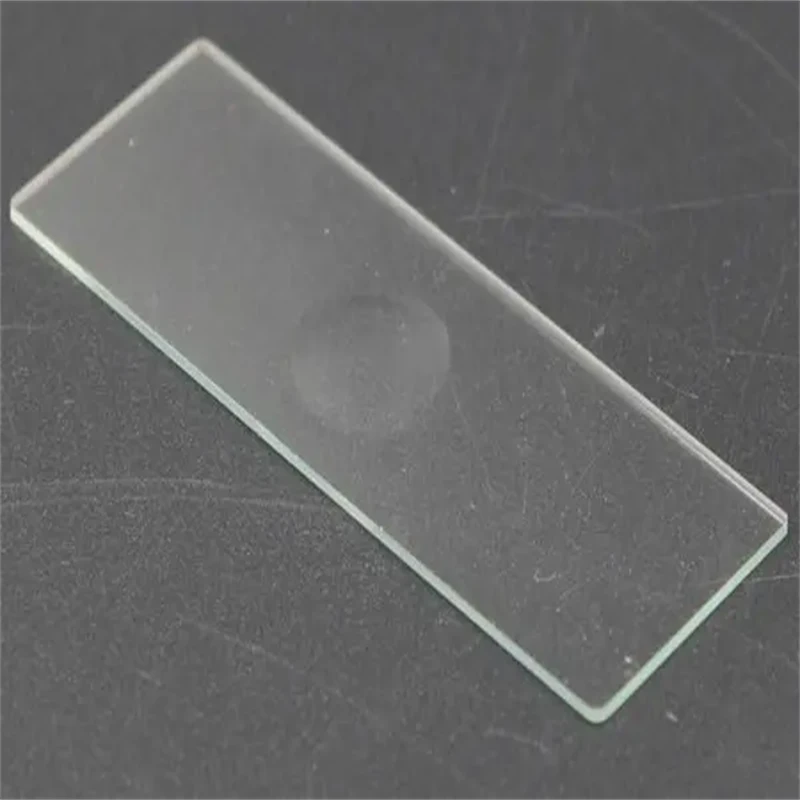
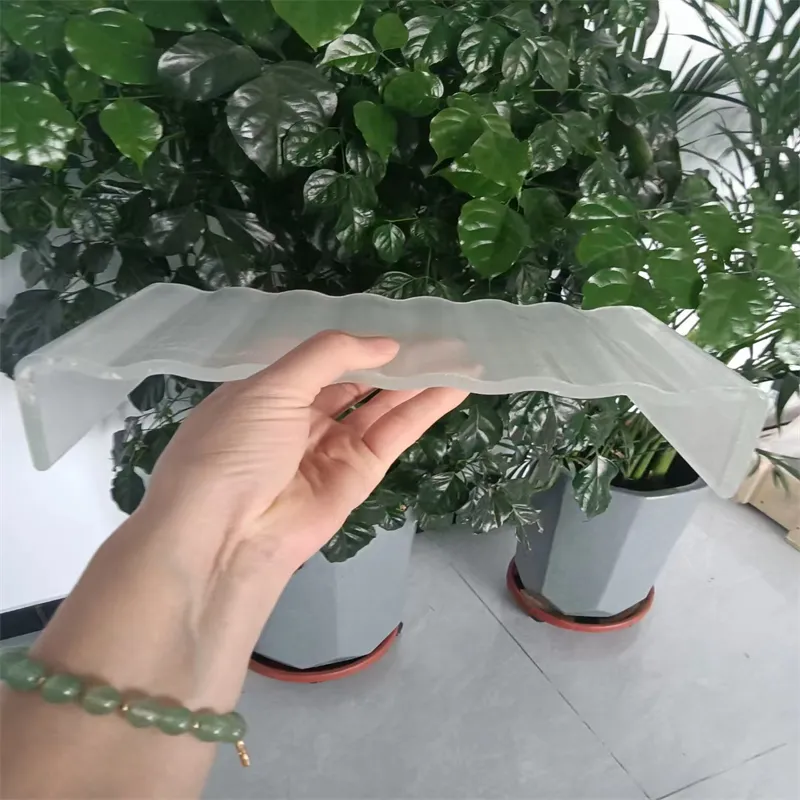
From 2011 to 2020, a technological pivot occurred as commercial hubs began integrating acid etched glass for interior partitions and privacy screens, marking the arrival of deep-processing aesthetics in the local interior design industry.

Since 2021, the trend has shifted toward "Active Glass." The introduction of ar glass (Anti-Reflective) has started appearing in high-end museum displays and specialized technical equipment, signaling a move toward precision manufacturing.

Future Development Trends

Carbon-Neutral Glazing

Integration of low-emissivity coatings to align with global green building certifications, reducing the carbon footprint of Zimbabwe's growing urban skyline.

Dynamic Solar Control

A shift toward adaptive glass that can change its reflective properties based on sunlight intensity, optimizing internal temperatures automatically.

Enhanced Structural Safety

Widespread implementation of multi-layered laminated systems to ensure maximum resilience against seismic activity and accidental impact in public spaces.

Industry Trends and Future Outlook

Predicting the trajectory of technical glass based on regional search data and urban growth.

Energy-Efficient Coating
Growing search trends for thermal-break glass to lower electricity costs for air conditioning in Zimbabwe.
Urbanization Safety
Increasing demand for safety-glass standards in new government and commercial hubs across the country.
Aesthetic Minimalism
The rise of frosted and matte finishes for high-end residential interior design in luxury estates.
Precision Optics
Integration of anti-reflective technologies in the industrial and scientific sector of the region.

Industry Outlook

Over the next 3-5 years, we anticipate that the Zimbabwean glass market will shift from "commodity purchasing" to "solution-based procurement." Architects will increasingly specify glass based on U-value and Solar Heat Gain Coefficient (SHGC) rather than just price per square meter.

With the growth of sustainable architecture in Africa, the adoption of high-tech deep-processed glass will become a benchmark for luxury and efficiency, driving a consistent increase in the import of specialized technical glass products.

Localized Application Scenarios in Zimbabwe

Practical implementations of deep-processed glass in regional contexts.

01. Harare Commercial High-Rises

Using high-performance reflective glass for curtain walls to minimize solar heat gain and reduce the load on HVAC systems during peak summer.

02. Luxury Lodges in Victoria Falls

Implementing tempered laminated glass for panoramic viewing decks, ensuring tourist safety while maintaining unobstructed views of the falls.

03. Modern Corporate Offices in Bulawayo

Applying acid etched glass for executive boardroom partitions, providing necessary privacy without sacrificing natural light flow.

04. Technical Laboratories and Clinics

Installing ar glass in diagnostic equipment covers and observation windows to eliminate glare and enhance visual precision.

05. Residential Green-Homes

Utilizing high-quality clear float glass with low-E coatings for energy-efficient windows that maintain internal warmth during cool highland nights.

Brand Story

Global Development History of Shahe City Xiaote Glass Co., Ltd.

Foundation & Precision

Established with a mission to redefine glass purity, focusing on the core manufacturing of high-grade float glass for industrial use.

Deep Processing Expansion

Invested in advanced tempering and laminating lines to solve the industry pain point of structural fragility in architectural glass.

Optical Innovation

Developed proprietary anti-reflective and etching technologies to cater to high-precision technical glass requirements globally.

Global Market Reach

Extended logistics and supply chains to Africa, ensuring that regions like Zimbabwe have access to world-class technical glass.

Sustainable Future

Currently leading the transition toward eco-friendly production, focusing on recyclable materials and energy-saving glass solutions.

Complete Glass Portfolio for Zimbabwe

A comprehensive range of deep-processed glass products tailored for the Southern African market.

Frequently Asked Questions in Zimbabwe

Expert answers to common technical glass inquiries for local contractors and architects.

Which glass is best for reducing heat in Harare offices?

We highly recommend reflective glass due to its ability to bounce solar radiation away from the building, significantly lowering indoor temperatures.

What makes tempered laminated glass safer for public spaces?

It combines the strength of tempering with the cohesion of a polymer interlayer, meaning if it breaks, the fragments stay adhered to the film instead of shattering.

How does acid etched glass differ from sandblasted glass?

Acid etched glass provides a more uniform, satin-like finish and is easier to clean than sandblasted glass, which can have a rougher, more porous surface.

Can ar glass be used for outdoor signage in Zimbabwe?

Yes, AR glass is excellent for reducing glare from the sun, making displays much more readable in bright outdoor environments.

Is clear float glass suitable for external windows in high-heat areas?

Standard clear float glass provides transparency but little thermal protection. For high-heat areas, we suggest upgrading to Low-E or reflective versions.

What is the typical lead time for custom glass orders to Zimbabwe?

Lead times vary based on the complexity of the deep processing, but our streamlined logistics ensure competitive delivery schedules to the region.

Request a Technical Consultation

Our engineers are ready to help you select the perfect glazing solution for your project in Zimbabwe.

Contact Us Now

If you are interested in our products, you can choose to leave your information here, and we will be in touch with you shortly.