
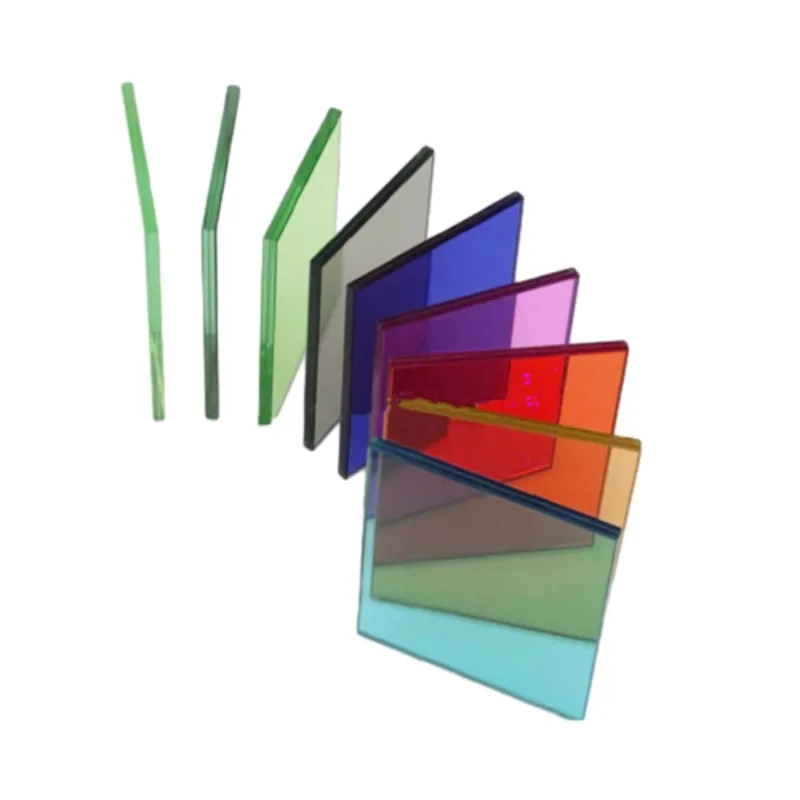
High-Performance reflective glass Solutions for Venezuela

Engineering advanced architectural glazing systems to withstand the tropical climate and urban demands of the Venezuelan market.

High-Performance reflective glass Solutions for Venezuela

Providing the Venezuelan construction sector with specialized deep-processed glass that balances thermal efficiency, safety, and aesthetic brilliance.

Current State of Glass Manufacturing in Venezuela

Analyzing the intersection of tropical environmental stress and industrial capacity.

In Venezuela, the glass industry faces unique challenges driven by intense solar radiation and high humidity levels. The demand for clear float glass remains steady for basic residential needs, but there is a critical gap in high-performance thermal coatings required for energy-efficient commercial buildings in cities like Caracas.

Economic fluctuations have led to a reliance on imported deep-processed glass. Local contractors are increasingly seeking tempered laminated glass to replace older, unsafe glazing in high-traffic urban areas, prioritizing structural integrity and occupant safety against extreme weather events.

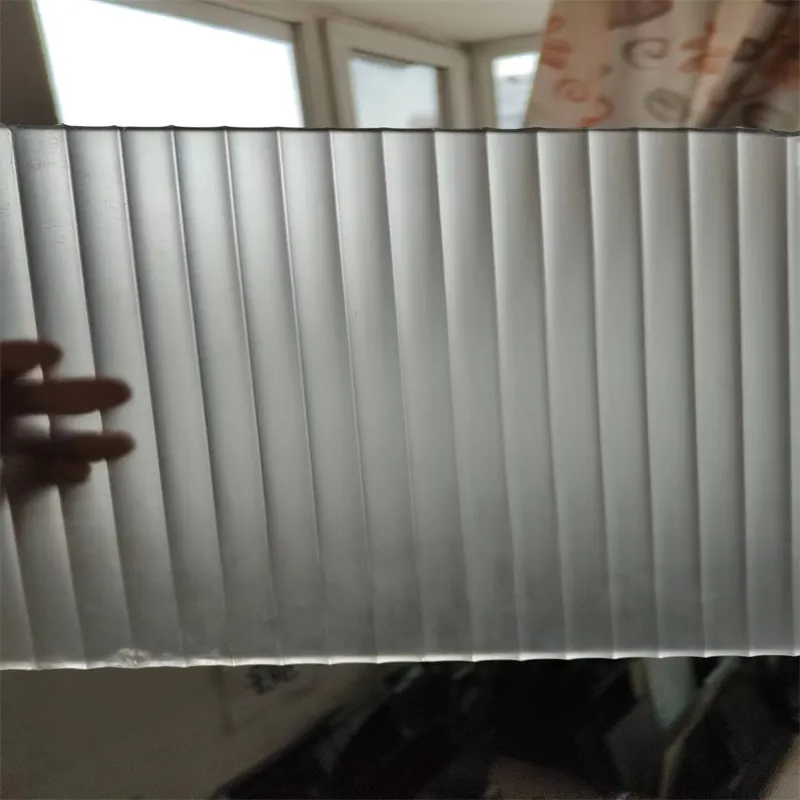
Furthermore, the architectural trend in Venezuelan luxury hospitality is shifting towards privacy and soft aesthetics, driving a niche but growing demand for acid etched glass for interior partitions and bathroom enclosures in upscale developments.

Technological Evolution and Development Trajectory

From basic annealing to advanced optical coatings in the Venezuelan market.

Market Development History

Between 1990 and 2005, the Venezuelan market was dominated by standard annealing processes, where basic float glass served as the primary material for most facades without significant thermal protection.

From 2006 to 2015, the industry witnessed a transition toward safety glass. The adoption of tempering and laminating technologies became standard for commercial storefronts, significantly reducing casualty rates from glass breakage in urban centers.

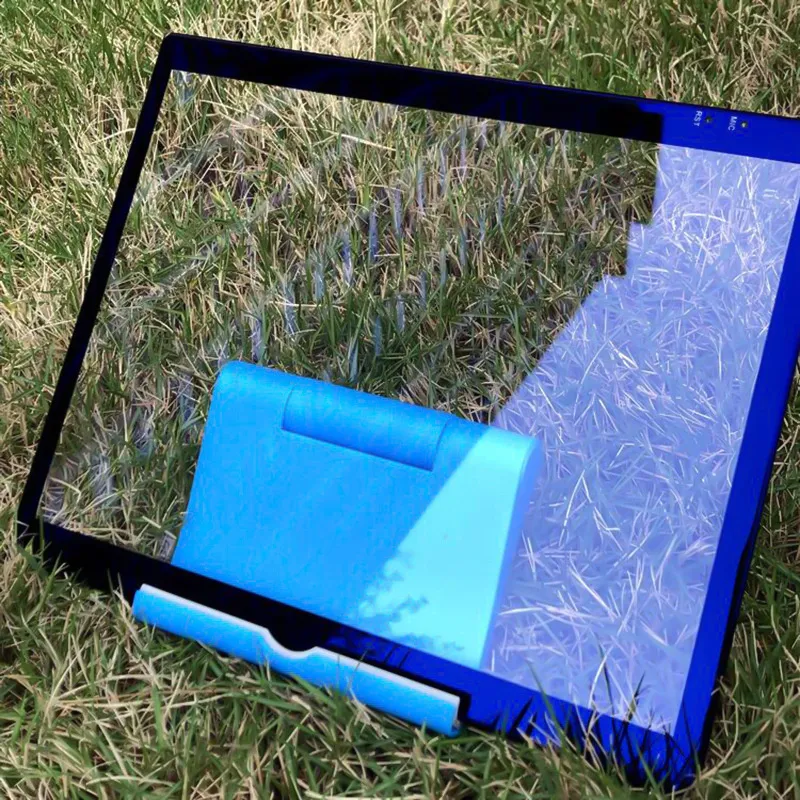
Since 2016, the focus has shifted toward "Smart Glass" technologies. The introduction of ar glass (Anti-Reflective) has begun to permeate the high-end retail and museum sectors, aiming to maximize light transmission while eliminating glare.

Future Development Trends

Eco-Friendly Thermal Regulation

The integration of low-emissivity coatings within reflective systems to reduce air conditioning loads in Venezuela's hot climate.

Advanced Safety Standards

A transition toward multi-layer laminated systems that offer higher impact resistance for critical infrastructure.

Digital Integration in Glass

The rise of smart-tinting and conductive glass for automated building management systems (BMS).

Industry Trends and Future Outlook

Predicting the 3-5 year trajectory of the glass industry in South America.

Energy-Efficiency Shift
Growing demand for solar-control coatings to mitigate the extreme heat of the tropics.
Safety-First Regulations
Stricter building codes requiring laminated glass for all overhead and structural installations.
Optical Precision
Increasing use of AR coatings in commercial displays and luxury retail shopfronts.
Aesthetic Diversification
Growth in matte and textured finishes for contemporary interior architectural designs.

Industry Outlook

Based on Google search trends for "energy efficient building materials" in the region, there is a projected 15% annual increase in demand for high-performance coatings. The Venezuelan market is poised to move away from generic glazing toward value-added, specialized glass products.

We expect that the integration of sustainable manufacturing processes will become a key competitive advantage, as international green building certifications (LEED) begin to influence local project specifications.

Localized Application Scenarios in Venezuela

Tailored glass solutions for the specific environmental and urban needs of the region.

1. High-Rise Office Towers in Caracas

Utilization of reflective coatings and laminated safety glass to reduce heat gain from tropical sun while ensuring structural safety against wind loads.

2. Coastal Resort Developments in Margarita Island

Implementation of salt-resistant treated tempered laminated glass to prevent corrosion and provide safety for beachfront balconies.

3. Luxury Retail Outlets in Shopping Malls

Deployment of ar glass in display cases to eliminate reflections and enhance product visibility under intense artificial lighting.

4. Modern Residential Interior Partitions

Using acid etched glass for semi-transparent bathroom walls and office dividers to maintain privacy without sacrificing natural light.

5. Industrial Greenhouse Projects

Applying high-transparency clear float glass with specialized UV filtering for agricultural research facilities.

Brand Story

Global Development History of Shahe Xiaote Glass Co., Ltd.

Foundation and Focus

Established with a mission to solve the lack of precision in deep-processed glass, focusing on strict quality control and industrial standardization.

Technological Breakthrough

Invested heavily in automated tempering and laminating lines to eliminate human error and ensure consistent safety standards globally.

Global Market Expansion

Expanded reach to South America, adapting product specifications to meet the unique climatic demands of tropical and subtropical zones.

Innovation in Coatings

Developed advanced AR and reflective coatings that balance visual clarity with thermal performance for high-end architectural projects.

Commitment to Sustainability

Now leading the industry in energy-efficient glass production, reducing carbon footprints through optimized thermal processing.

Comprehensive Product Portfolio for the Venezuelan Market

A complete range of deep-processed glass solutions engineered for durability and performance.

Frequently Asked Questions in Venezuela

Expert answers to common technical queries regarding processed glass.

How does reflective glass improve energy efficiency in tropical climates?

It reflects a significant portion of infrared radiation, reducing the solar heat gain coefficient (SHGC) and lowering the reliance on HVAC systems.

What are the safety advantages of tempered laminated glass for urban facades?

It combines the strength of tempered glass with the cohesion of an interlayer, ensuring that if the glass breaks, fragments remain adhered to the film.

Can AR glass be used in outdoor environments in Venezuela?

Yes, provided it is integrated into a protected system or paired with a tempered outer layer to protect the delicate anti-reflective coatings.

How is acid etched glass different from sandblasted glass?

Acid etching provides a more uniform, satin-like finish and is generally more resistant to fingerprints and smudges than sandblasting.

What is the standard lead time for custom float glass orders in South America?

Lead times vary by specification, but typical processing and international shipping to Venezuela range from 4 to 8 weeks.

Which glass is best for high-humidity coastal areas?

We recommend tempered laminated glass with high-quality PVB interlayers that resist delamination in high-humidity environments.

Get a Professional Glass Consultation

Our engineers are ready to provide technical specifications and quotes tailored for your projects in Venezuela.

Contact Us Now

If you are interested in our products, you can choose to leave your information here, and we will be in touch with you shortly.