
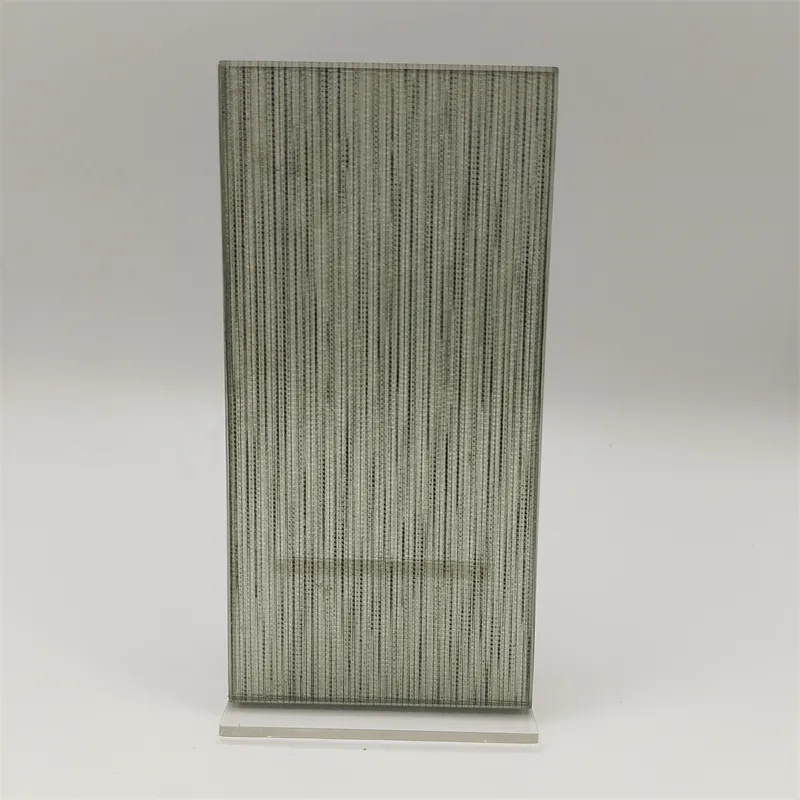
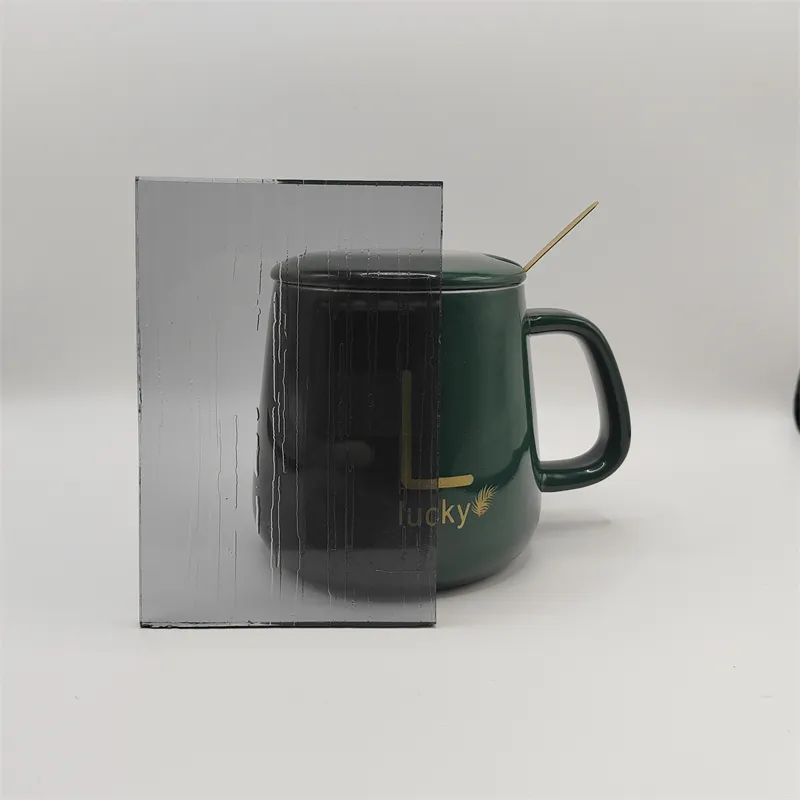
High-Performance reflective glass Solutions for UK Architecture

Engineering precision-grade deep-processed glass to meet the stringent energy efficiency and aesthetic standards of the United Kingdom's modern urban landscape.

High-Performance reflective glass Solutions for UK Architecture

Integrating advanced thermal control and structural safety through specialized deep-processing techniques, catering to the unique architectural requirements of the British Isles.

The Current State of Technical Glass Manufacturing in the United Kingdom

Analyzing the intersection of British building regulations and advanced glass processing.

The UK glass market is currently driven by rigorous "Net Zero" carbon targets and Part L of the Building Regulations, which mandate higher thermal efficiency. This has led to a surge in demand for tempered laminated glass to ensure both safety and energy retention in damp, windy coastal climates.

Economically, the shift toward sustainable urban regeneration in cities like London and Manchester has increased the adoption of clear float glass as a baseline for high-transparency facades, though these are increasingly upgraded with functional coatings to handle the fluctuating UK sunlight levels.

Furthermore, the interior design sector in the UK is witnessing a trend toward privacy-centric spaces, boosting the utilization of acid etched glass for high-end residential and commercial partitioning, blending minimalism with practical light diffusion.

Evolution and Technological Trajectory of Processed Glass

From traditional glazing to smart-surface engineering.

Market Development History

In the early 2000s, the UK market relied heavily on standard annealing processes and basic float glass. The focus was primarily on structural integrity rather than thermal performance or optical clarity.

Between 2010 and 2020, the industry transitioned toward "Performance Glazing." This era saw the widespread adoption of ar glass (anti-reflective) for museum displays and high-tech retail, reducing glare and enhancing visual accessibility.

From 2021 onwards, the focus has shifted to "Integrated Functionality," where glass is no longer just a barrier but a technical component combining safety, solar control, and acoustic insulation in a single processed unit.

Future Development Trends

Dynamic Solar Modulation

Moving beyond static coatings, the trend is shifting toward electrochromic layers that adjust transparency based on the UK's volatile weather patterns.

Vacuum-Insulated Glazing (VIG)

To meet tighter energy codes, the industry is evolving toward thinner, vacuum-sealed units that offer the insulation of triple glazing with the weight of single panes.

Circular Economy Integration

The focus is shifting toward 100% recyclable laminates and low-carbon manufacturing processes to align with the UK's green industrial strategy.

Industry Trends and Future Outlook 2025-2030

Strategic forecasting based on Google search trends and UK architectural shifts.

Carbon-Neutral Fabrication
Shift toward hydrogen-powered furnaces to reduce the embodied carbon of glass production in the UK.
Smart Optical Coatings
Enhanced AR and IR coatings to optimize daylighting while minimizing heat gain in urban glass towers.
Safety Glass Automation
AI-driven quality control for tempering and laminating to eliminate spontaneous breakage risks.
BIM-Integrated Glass
Full digital twins for custom glass components to streamline UK construction site installation.

Industry Outlook

Based on search volume trends for "sustainable glazing" and "high-performance glass UK," we predict a 15% increase in demand for multifunctional glass that integrates photovoltaic properties with high-strength safety standards.

The synergy between deep-processing technology and the UK's architectural heritage will drive a niche market for specialized coatings that protect historic glass while improving energy efficiency.

Localized Application Scenarios in the United Kingdom

Real-world implementation of deep-processed glass in the UK market.

1. London Financial District High-Rises

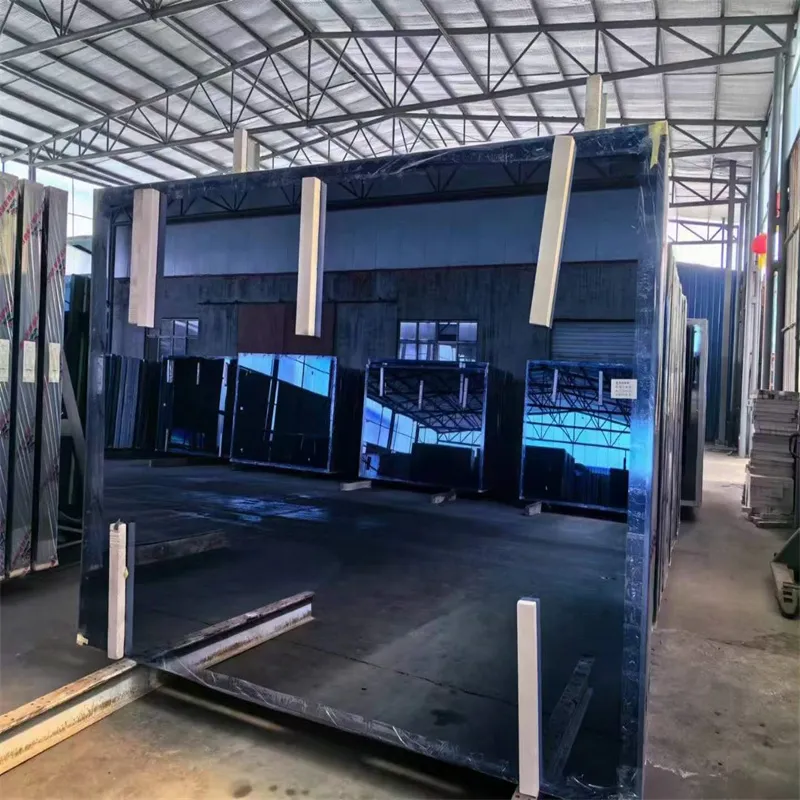
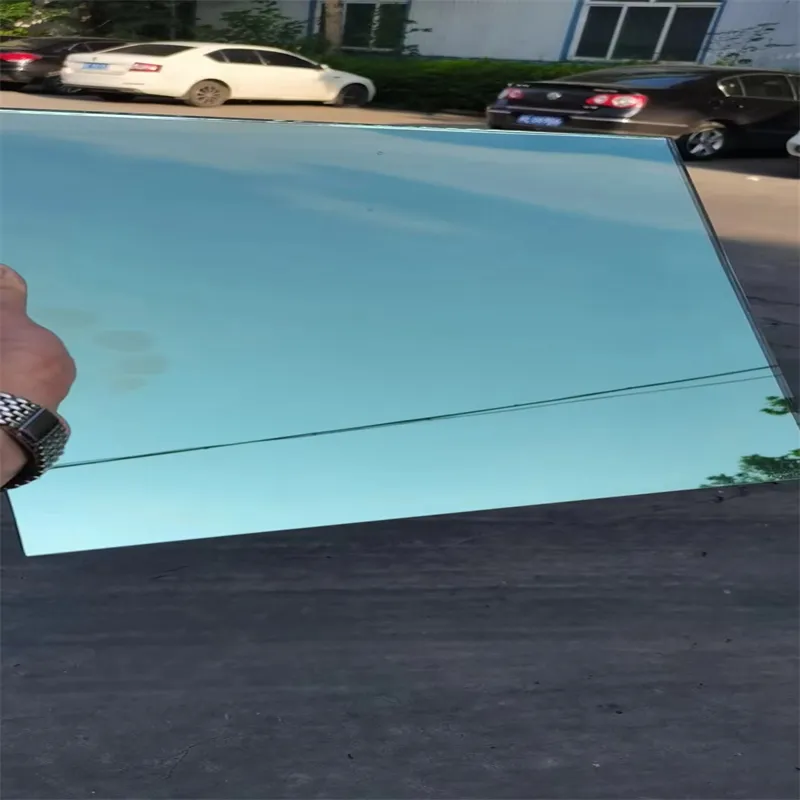
Deployment of solar-control reflective glass to reduce cooling costs during summer peaks while maintaining the iconic sleek aesthetic of the City of London.

2. Edinburgh Heritage Site Renovations

Use of high-clarity float glass with invisible safety laminates to preserve the historic visual integrity of Old Town while meeting modern safety codes.

3. British Museum Specialized Exhibits

Installation of premium ar glass to eliminate reflections, allowing visitors to view artifacts without visual interference.

4. Luxury Bath Residential Spas

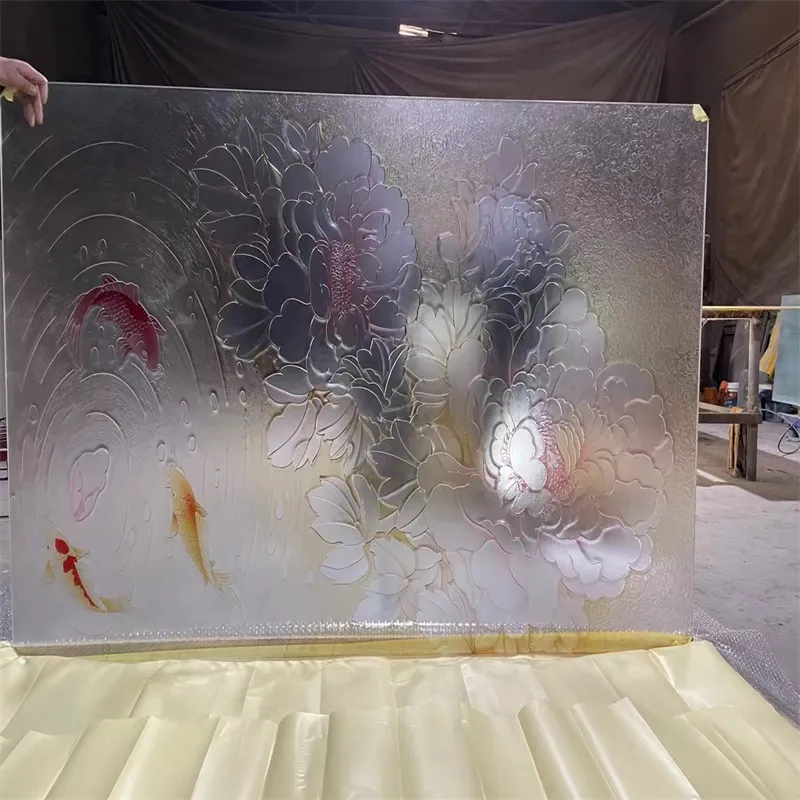
Utilization of acid etched glass for shower enclosures and sauna partitions to provide privacy and a soft-touch frosted finish.

5. North Sea Offshore Installations

Application of heavy-duty tempered laminated glass designed to withstand extreme wind loads and saline corrosion in offshore energy hubs.

Brand Story

Global Development History of Shahe City Xiaote Glass Co., Ltd.

Industrial Foundation

Started as a specialized workshop focusing on the core physics of glass tempering, solving the early industry pain point of uneven thermal stress.

Technological Expansion

Introduced advanced chemical etching and laminating lines, expanding the product portfolio to include high-precision architectural glass.

Global Standardization

Achieved international quality certifications, enabling the export of high-performance glass to the demanding European and UK markets.

Sustainable Innovation

Invested in low-emission production technology, reducing the environmental footprint of deep-processing glass manufacturing.

The Future Vision

Dedicated to bridging the gap between structural safety and architectural art through the mastery of non-metallic mineral products.

Comprehensive Glass Portfolio for the UK Market

A curated selection of technical glass engineered for British architectural demands.

UK Technical Glass Frequently Asked Questions

Expert answers to common queries regarding deep-processed glass applications.

How does tempered laminated glass improve safety in UK public spaces?

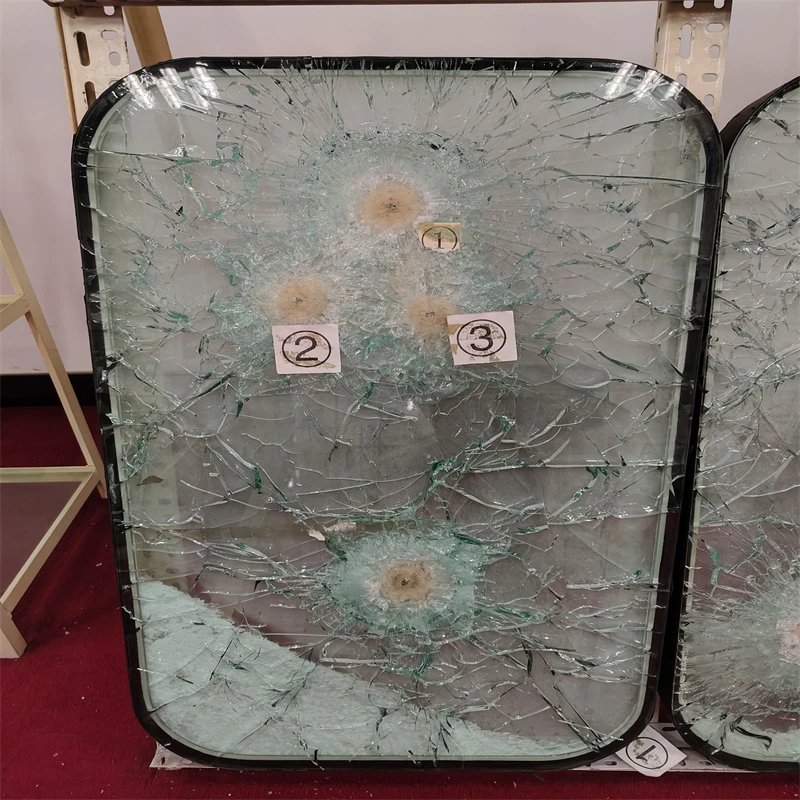
It combines the strength of tempering with the cohesion of a laminate interlayer, ensuring that if the glass breaks, shards remain adhered to the film, preventing injury in high-traffic areas.

What are the benefits of ar glass for high-end retail in London?

Anti-reflective glass significantly reduces surface glare from street lights and interior spotlights, enhancing the visibility and perceived value of luxury products on display.

Is acid etched glass suitable for humid bathroom environments in the UK?

Yes, because the etching is a permanent chemical change to the glass surface, it does not peel or degrade under humidity, making it superior to frosted films.

How does reflective glass contribute to energy efficiency in UK offices?

By reflecting a significant portion of solar radiation, it reduces the solar heat gain coefficient (SHGC), lowering the reliance on air conditioning during warmer months.

Can clear float glass be upgraded for better sound insulation?

Yes, by using it as a substrate for acoustic laminates or within double/triple glazing units, it can effectively block urban noise pollution.

What certifications should I look for in technical glass for UK construction?

Ensure the glass meets BS EN standards for safety and thermal performance, particularly for tempered and laminated products used in structural applications.

Consult Our Glass Engineering Experts

Providing precision-engineered glass solutions tailored for the unique architectural demands of the United Kingdom.

Contact Us Now

If you are interested in our products, you can choose to leave your information here, and we will be in touch with you shortly.